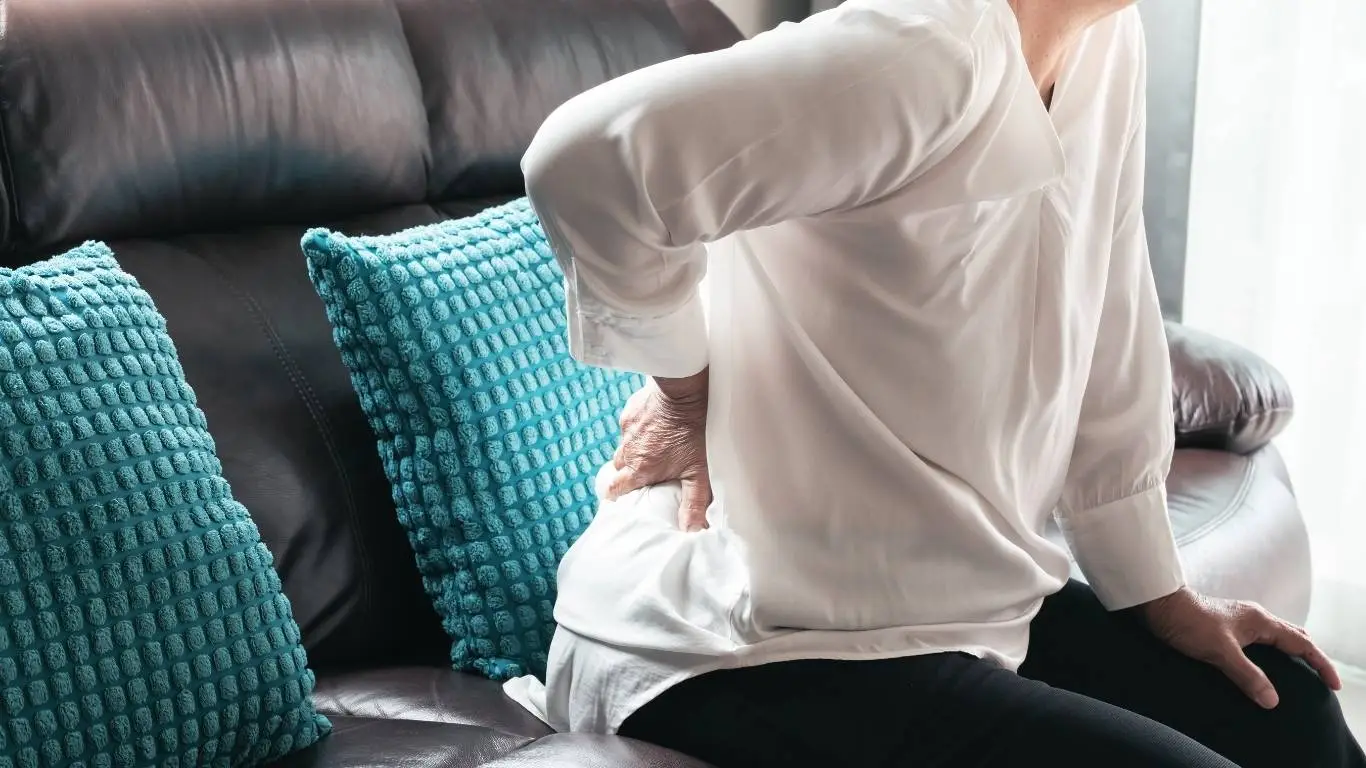
Lower Cross Syndrome Lumbar Pain Relief That Actually Works
If you’re anything like I was, sitting for hours a day hunched over a laptop or slouching on the couch binging Netflix, you’ve probably felt that deep ache settle into your lower back. I brushed it off for months, chalking it up to “just bad posture” until one day, I could barely tie my shoes without wincing. Turns out, it wasn’t just posture—it was something called Lower Cross Syndrome (LCS), and it’s more common than you’d think.
What Exactly Is Lower Cross Syndrome?

Lower Cross Syndrome is basically a fancy way of describing a predictable muscular imbalance. The name “cross” comes from the way weak and tight muscles form an X across your hips and lumbar spine. On one side of this “X,” you have tight hip flexors and lower back muscles. On the opposite side, weak glutes and abdominals. Sounds harmless, right? Until it starts messing with your spine alignment and mobility.
This syndrome silently sets the stage for chronic lower back pain, especially in people who sit for long periods or train the wrong way at the gym.
Signs You’re Dealing with Lower Cross Syndrome
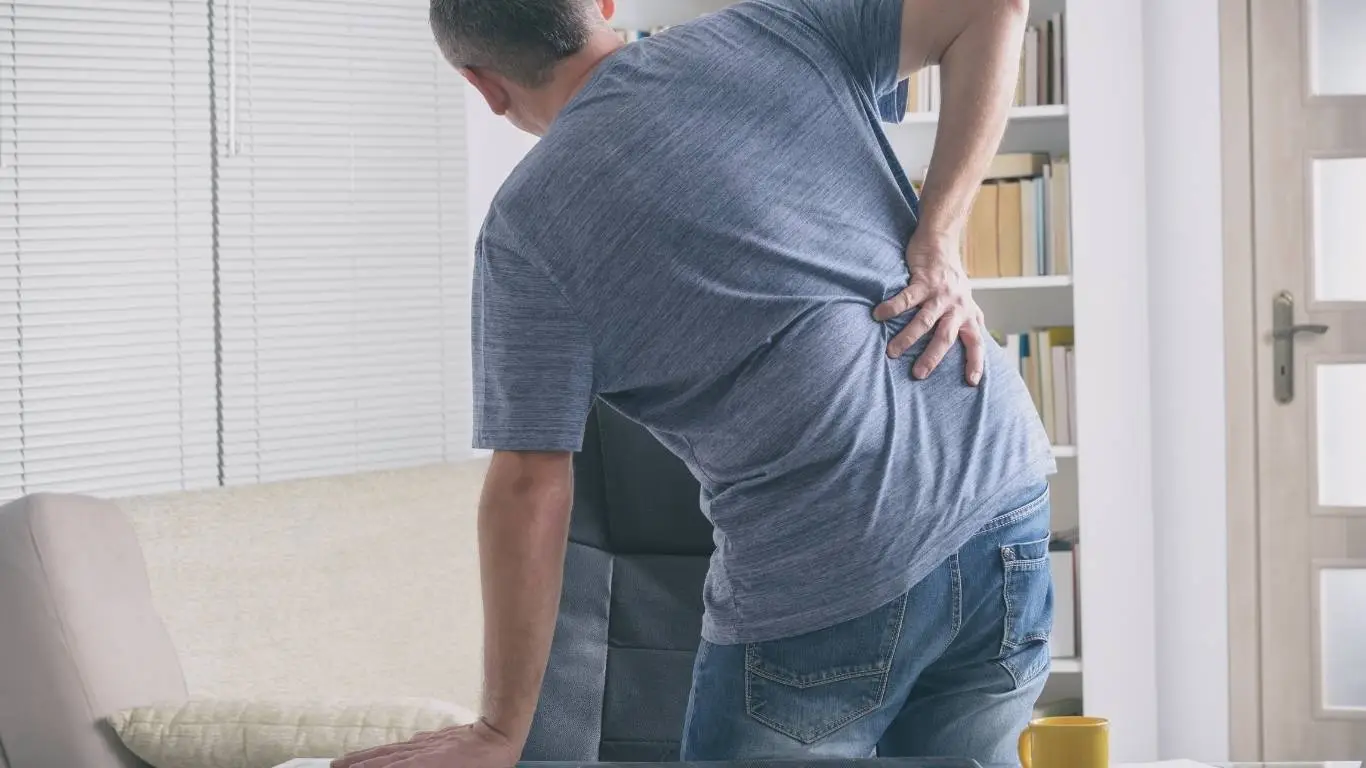
One of the first things I noticed was the way I stood—belly slightly forward, butt sticking out. I didn’t even realize that was a symptom. But here are some telltale signs:
- Chronic aching in the lower back, especially after sitting
- Inward curve of the lower spine (lumbar lordosis)
- Forward-tilting pelvis
- Tight hip flexors or hamstrings
- Weak core stability
- Occasional knee or hamstring tightness, even without injury
When I brought it up to a physical therapist, they did a simple posture analysis and muscle testing. Sure enough, my core wasn’t activating properly, and my glutes were basically asleep.
What Causes This Muscle Imbalance?

The cause is almost always lifestyle-related. For me, it was years of desk work, no stretching, and workouts that focused more on aesthetics than function. But here’s a more detailed breakdown:
- Prolonged sitting: Shortens the hip flexors and weakens the glutes.
- Lack of core engagement: Desk jobs and sedentary routines mean the core muscles rarely do their job.
- Overtraining certain muscles: Focusing only on squats or deadlifts without balancing with proper stretching and core work.
- Poor posture habits: Slouching, forward head posture, and anterior pelvic tilt contribute heavily.
It’s a textbook example of how muscle imbalance slowly creeps into daily movement without us noticing.
Why Lower Cross Syndrome Leads to Lumbar Pain

This part really hit home for me. The tight muscles (like the hip flexors) pull the pelvis forward, which exaggerates the curve in your lower spine. Over time, this strains the lumbar vertebrae, compresses discs, and puts pressure on the lumbar nerves.
You might think it’s just stiffness, but unchecked LCS can snowball into:
- Disc degeneration
- Facet joint compression
- Persistent sciatica
- Sharp, sudden lumbar pain episodes
Trust me—this is not a “stretch and go” kind of problem. It needs a focused strategy.
Correcting LCS: A Realistic, Effective Solution
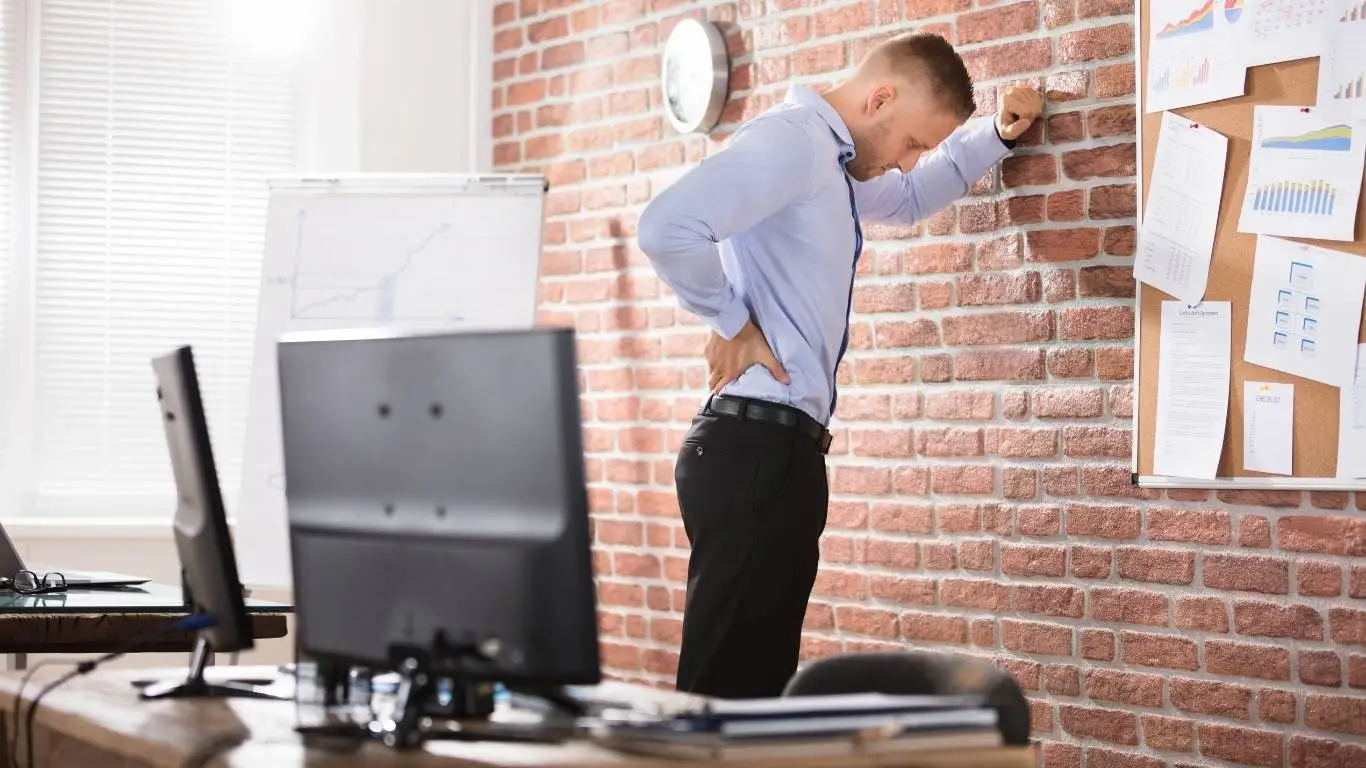
So, how did I turn things around? It wasn’t an overnight fix, but I found a few core habits that made a night-and-day difference in just weeks. The trick is to stretch the tight muscles and strengthen the weak ones—in that order.
Stretch What’s Tight
- Hip Flexor Stretches: Like kneeling lunge holds, ideally 60 seconds per side daily.
- Lower Back Stretching: Child’s pose and gentle spinal rotations helped reduce my lumbar tension.
- Hamstring and Quad Release: Foam rolling and dynamic stretches post-workout.
Activate What’s Weak
- Glute Bridges: The classic. I started doing 2 sets of 15 every morning.
- Deadbugs & Bird Dogs: These core activation drills reconnected my brain to those sleepy abs.
- Resistance Band Walks: Great for lateral glute strength.
One of the best overviews I found was in this in-depth guide on rehabilitation and posture correction. It broke down specific routines that actually target the muscle groups affected by LCS without aggravating the spine further.
Professional Help That Makes a Difference

Honestly, I wouldn’t have known where to start without getting evaluated by a pro. A physical therapist identified my specific movement dysfunctions. For some folks, it might also make sense to explore treatments like:
Whatever route you go, make sure it’s personalized. LCS affects everyone differently, and cookie-cutter approaches rarely stick long term.
Want a complete breakdown of other causes behind your persistent lumbar issues? Explore our comprehensive causes of back pain guide—it helped me identify patterns I never connected before.
And if you’re looking for a big-picture overview of back pain from anatomy to rehab strategies, check out the Back Pain Main Pillar. It ties together everything you need to understand your condition from root to recovery.
How to Progress Your Recovery and Actually Stay Consistent

Once I got past the basic stretches and muscle activations, the real game-changer came from building a progressive, realistic routine. No, I didn’t suddenly turn into a hardcore fitness junkie—but I did start stacking simple wins that built strength over time.
Start with low-impact movement patterns. After weeks of floor-based work, I moved into standing glute activation drills and cable-based core work. Here’s what worked best for me:
- Standing cable anti-rotation holds – Fired up my obliques and deep stabilizers.
- Step-ups – Targeted glutes without stressing the spine.
- Wall sits with a mini band – Burned like crazy, but taught me how to engage glutes and core together.
It’s tempting to jump ahead, but if I’ve learned anything, it’s this: slow control beats fast reps every time. This phase is also where a lot of people backslide because it gets boring—so I found ways to switch it up, adding in yoga and Pilates routines that emphasize spine control and breathwork.
Smart Ergonomics That Changed My Daily Life

Here’s where the boring stuff pays off big time. Making small tweaks to your environment can literally undo years of damage. And no, I didn’t have to spend a fortune. Here’s what I changed that made a noticeable difference in less than a week:
- Desk height and screen position – No more hunched neck, less lower back bracing.
- Added a lumbar support cushion – It was a $20 purchase that completely changed how I sit.
- Standing desk rotation – 15 minutes every hour helps prevent the dreaded slouch lock.
If you’re unsure where to begin, this breakdown of ergonomic chair options is a great place to start. Even a few adjustments to your car seat or sleeping position make a massive impact.
Nutrition and Supplements: Not Just Hype

I used to think food had zero impact on back pain. Wrong. After diving into inflammation research and testing out a few changes, I noticed fewer flare-ups and better recovery. It’s not magic—but it’s fuel.
These shifts made the most difference:
- Swapping out refined carbs for anti-inflammatory fats (avocados, nuts, wild salmon)
- Adding turmeric and black pepper to meals—helped more than I expected
- Consistent Omega-3s, plus magnesium and Vitamin D (my levels were actually low!)
This anti-inflammatory diet breakdown aligns with what worked for me. Everyone’s body is different, but if your diet’s loaded with processed stuff, it’s worth tweaking.
Staying Mentally in the Game

What I didn’t expect? How mental health affects recovery. On bad pain days, I used to spiral mentally—feeling like I was stuck in a body that didn’t work anymore. That stress made the pain worse.
Eventually, I found a few tools that helped me stay centered:
- Daily mindfulness meditation — even 5 minutes a day made a dent
- Tracking my triggers and progress in a journal (surprisingly helpful)
- Therapy sessions focused on body image and pain identity
What really opened my eyes was this article on CBT for chronic back pain. It reframed how I saw the condition—less as a limitation, more as a feedback system.
Preventing the Pain from Creeping Back

Even after I felt “normal” again, the biggest challenge was not falling back into old patterns. I wish I could say I nailed it right away, but it took a few setbacks to realize how easy it is to ignore your body once it feels okay again.
Here’s what keeps me on track now:
- Weekly body check-ins: 5-minute posture review and basic mobility tests
- Resistance training twice a week: Prioritizing form and function over load
- Workstation audits: Monthly tweaks to keep alignment optimal
- Walking daily: Not just cardio, but resetting hip alignment
I also bookmarked this great page on simple prevention strategies. It’s easy to forget the basics until things start hurting again.
Bonus: Tools That Actually Help (and a Few That Didn’t)

Over the last two years, I tested dozens of gadgets, apps, and “miracle” solutions. Most were hype, but a few standouts deserve real credit:
- Massage guns: Great for releasing tight glutes after long workdays
- TENS unit: Oddly effective on those annoying flare-up days (here’s a full breakdown)
- Stretching apps: I use one that gives daily mobility routines tailored to LCS
Skip the cheap back braces and posture shirts—they might feel supportive but don’t train your body to hold itself up long-term.
Want a better understanding of the broader lifestyle shifts that support long-term back health? I highly recommend checking out this section on natural back pain relief and lifestyle habits. It connects the dots between habit, stress, and spine resilience better than anything else I’ve read.
To explore all related causes, treatment options, and rehab strategies around back pain, visit the main hub here: Back Pain Main Pillar.

Camellia Wulansari is a dedicated Medical Assistant at a local clinic and a passionate health writer at Healthusias.com. With years of hands-on experience in patient care and a deep interest in preventive medicine, she bridges the gap between clinical knowledge and accessible health information. Camellia specializes in writing about digestive health, chronic conditions like GERD and hypertension, respiratory issues, and autoimmune diseases, aiming to empower readers with practical, easy-to-understand insights. When she’s not assisting patients or writing, you’ll find her enjoying quiet mornings with coffee and a medical journal in hand—or jamming to her favorite metal band, Lamb of God.