Hidden Dangers of Marfan Syndrome Back Symptoms You Shouldn’t Ignore
When I first heard about *Marfan syndrome*, I had no clue it could affect the spine. A friend of mine was diagnosed during a routine heart checkup, but the real issues showed up later — unexplained back pain, weird posture changes, and fatigue from just sitting too long. As I started digging into it, the back symptoms made way more sense, and honestly, I wish someone had connected the dots earlier for them. If you or someone you know has Marfan syndrome and is experiencing back pain, you’re not imagining things. There’s a very real link — and it’s not talked about nearly enough.
Understanding How Marfan Syndrome Affects the Spine

Marfan syndrome is a connective tissue disorder, which basically means it messes with the stuff that keeps your body structures strong and elastic. Most people associate it with heart or eye issues, but what’s often overlooked is how it quietly wreaks havoc on the back. The spine isn’t immune — far from it.
The tall, thin body shape common in Marfan often comes with longer limbs and fingers, but it also predisposes someone to skeletal issues. The connective tissues in the spine can stretch and weaken, leading to *instability, curvature*, and sometimes nerve involvement.
Scoliosis and Kyphosis
These are probably the most visible spinal symptoms. Scoliosis, which causes a sideways curvature of the spine, is super common in Marfan patients — it’s estimated that up to 60% develop it. Kyphosis, or forward rounding of the upper back, is another culprit.
If you’ve noticed uneven shoulders, a hunched back, or one hip higher than the other, those are major red flags. In some cases, bracing can help early on, but more severe curves may require surgical correction. You can read more about how scoliosis affects lower back pain — especially in connective tissue disorders like Marfan.
Dural Ectasia: The Hidden Symptom
This is one of those conditions that sounds rare — but is actually super common in Marfan syndrome. It’s when the membrane around your spinal cord (called the dura) balloons or stretches out, usually in the lower back. Sounds harmless? It’s not.
Dural ectasia can lead to *chronic, debilitating pain*, especially when standing or walking for long periods. There may also be numbness, leg weakness, or even bladder issues if it compresses nearby nerves. One of my close friends used to think their pain was due to “just bad posture” — turns out, it was dural ectasia all along.
You’ll often find people talking about this on forums because it’s incredibly underdiagnosed. It typically shows up on MRI scans, so if you’re dealing with *lower back pain that’s worse when upright*, ask your specialist about it. This deeper look into lumbar radiculopathy might also help understand overlapping symptoms.
Day-to-Day Struggles and What to Watch For

Marfan-related back pain isn’t always sharp or intense — sometimes it’s this dull, nagging ache that creeps in and just stays. Sitting at a desk, long car rides, or standing in line can turn into endurance tests. One teen I met described it as “feeling like my back is being pulled apart from the inside.”
Here are a few things to look out for:
- Persistent lower or mid-back pain, even without injury
- Worsening posture, especially during growth spurts
- Fatigue from standing or sitting too long
- Muscle tightness in the shoulders, hips, or hamstrings
- Balance issues or clumsiness due to uneven spinal load
It’s also worth understanding how muscle imbalances can quietly contribute to discomfort over time. Most people don’t realize how much poor spinal alignment can mess with the rest of the body.
What Can Help: Non-Invasive Ways to Manage Marfan-Related Back Pain
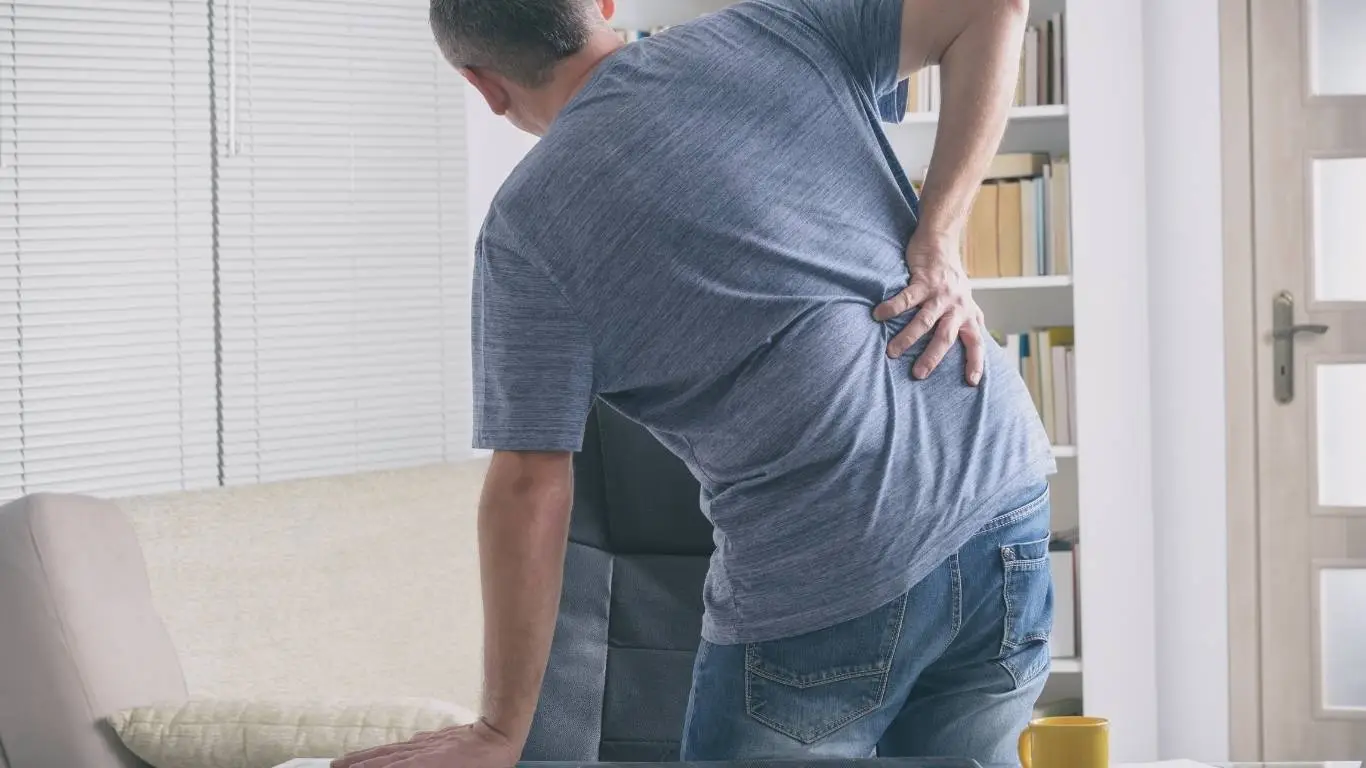
There’s no one-size-fits-all when it comes to Marfan syndrome, but there are strategies that can bring real relief — no surgery required. Here’s what’s worked for people in the community (and yes, for my friend too):
Physical Therapy and Postural Training
Targeted PT can strengthen the muscles supporting the spine and improve posture. A skilled physical therapist will know how to account for joint laxity (loose joints), which is common in Marfan patients.
Sessions often include core work, gentle spinal mobilization, and low-impact resistance. Just make sure your therapist has experience with connective tissue disorders.
Stretching and Flexibility Work
Tight hamstrings and hip flexors can pull on the spine and worsen posture — especially in people with Marfan. Try incorporating these:
- Hamstring stretches (seated or lying down)
- Psoas release techniques
- Thoracic mobility drills (like wall slides)
For a deeper dive into techniques, check out fascia release techniques and how they reduce tension across the back.
Supportive Gear
Braces and supports can help maintain posture, especially during long activities. But be careful — over-reliance can lead to muscle weakening. Ergonomic chairs, standing desks, and lumbar cushions may provide daily relief. Some people also find gentle compression wear helps.
You can explore ergonomic chair recommendations if you’re working long hours at a desk.
When It’s Time to Dig Deeper

Sometimes, the pain or spinal curvature reaches a point where conservative methods aren’t enough. That’s when it’s crucial to loop in a spine specialist — ideally someone who’s familiar with connective tissue disorders. If you’re unsure what to ask, here’s a solid list of questions to bring to your appointment.
And if imaging is recommended, don’t panic. Advanced tools like MRI or CT scans are crucial for assessing the extent of curvature or nerve involvement. Learn how to read your spine MRI so you’re not flying blind during discussions with your provider.
For a full breakdown of causes and treatments, the Symptoms & Diagnosis pillar is a great resource. And for the bigger picture on spine-related back pain, don’t miss the main back pain hub.
External authority resources like Mayo Clinic, NIH, or WebMD can also provide deeper clinical insight on Marfan complications.
Marfan Syndrome Back Symptoms: Surgical Paths and Recovery Realities

Surgery isn’t always the first option — and honestly, most people with Marfan syndrome try to avoid it if possible. But when spinal curvature progresses aggressively or nerve compression causes mobility issues, surgical intervention might be necessary. It’s not a failure or defeat — it’s a strategy for quality of life. I’ve seen a close family member go through this process, and while the road was tough, the outcome was worth every step.
Spinal Fusion and Rod Placement
This is the most common procedure used to correct severe scoliosis or kyphosis in Marfan patients. Surgeons insert rods and fuse parts of the spine to straighten it and stabilize the structure.
It’s a big deal — not just physically, but emotionally too. The recovery can take months, and it demands patience and support. The silver lining? For many, the reduction in pain and improved posture is dramatic.
If you’re facing this path, I recommend reading the spinal fusion recovery guide for honest tips on how to make recovery smoother.
When Dural Ectasia Requires Surgery
Most cases are managed conservatively, but when dural ectasia becomes severe — especially with neurological deficits — surgery to reinforce the dura or remove cysts might be considered. It’s rare, but in Marfan syndrome, rare doesn’t mean never.
It’s important to work with a neurosurgeon who has actual experience with connective tissue conditions. Not all spinal surgeons are familiar with the fragility involved in Marfan patients — which can impact outcomes.
Everyday Back Care for People Living with Marfan Syndrome

One of the best things you can do for your back if you have Marfan syndrome? Stay ahead of the curve — literally and figuratively. Prevention is your best weapon, and a few intentional habits can make a massive difference over the long term.
Move Smart, Not Hard
High-impact sports are usually off the table for most people with Marfan syndrome. That doesn’t mean sitting still all day. Low-impact activities like swimming, light yoga, or walking are excellent for circulation and spinal mobility — without pushing your joints too far.
Some have had great results using wearable posture monitors to catch slouching early before pain sets in. Honestly, I’ve found mine surprisingly helpful, especially during long laptop sessions.
Sleep Setup Matters
Marfan syndrome often comes with joint hypermobility, so support at night is everything. A firm mattress with lumbar support, proper head positioning, and side-sleeping with a pillow between the knees can work wonders.
Here are a few mattress and sleeping upgrades that actually help:
- High-density foam mattresses
- Side sleeping with proper spinal alignment
- Supportive mattress toppers for added lumbar balance
Desk Ergonomics and Daily Routines
Bad sitting habits stack up quickly, especially in a spine that’s already compromised. That’s why ergonomic chairs, footrests, lumbar pillows, and standing breaks aren’t just “nice-to-haves” — they’re survival tools.
For work-from-home warriors or students, consider browsing this curated list of desk stretches and ergonomic chair recommendations.
The Mental Weight of Chronic Back Symptoms

Let’s be real — living with chronic pain can grind you down emotionally. When the pain is invisible but constant, it’s hard not to feel misunderstood. One person with Marfan syndrome told me the worst part wasn’t the physical pain, but the *exhaustion of pretending everything’s okay* when it’s not.
It’s okay to ask for help. Cognitive behavioral therapy, mindfulness practices, and support groups for chronic pain sufferers can be game-changers. This guide on CBT dives into how simple mindset shifts can rewire how pain is processed — and it’s backed by science, not fluff.
Don’t underestimate the power of community either. Online groups, local meetups, or just a friend who “gets it” can make everything feel less lonely.
Every Back Deserves a Plan
If you or your child has Marfan syndrome and back symptoms are already showing up — take them seriously. Early action can prevent major complications down the line. And if you’re not sure where to start, use this resource-rich guide on back pain causes as a compass to explore your options.
For a complete understanding of back pain and how it intersects with other systems, visit the main back pain pillar on Healthusias. It’s a hub designed to be as inclusive and practical as possible.
Helpful external insights can also be found through Mayo Clinic, Hopkins Medicine, or WebMD — especially if you’re exploring multiple care options.

Camellia Wulansari is a dedicated Medical Assistant at a local clinic and a passionate health writer at Healthusias.com. With years of hands-on experience in patient care and a deep interest in preventive medicine, she bridges the gap between clinical knowledge and accessible health information. Camellia specializes in writing about digestive health, chronic conditions like GERD and hypertension, respiratory issues, and autoimmune diseases, aiming to empower readers with practical, easy-to-understand insights. When she’s not assisting patients or writing, you’ll find her enjoying quiet mornings with coffee and a medical journal in hand—or jamming to her favorite metal band, Lamb of God.