Marshmallow Root for GERD Relief: A Comprehensive Guide
If you’ve ever dealt with that awful burning sensation crawling up your chest after a meal, you’re not alone. As someone who battled GERD for years—trying everything from over-the-counter meds to bland, joyless meals—I was genuinely surprised when I stumbled upon an unexpected herbal ally: marshmallow root. And no, I’m not talking about the sugary white puffs we roast over campfires. The real marshmallow plant, Althaea officinalis, has a long history of being used for soothing digestive discomfort—and it may just be what your reflux-ravaged esophagus is craving.
What Is Marshmallow Root, Really?

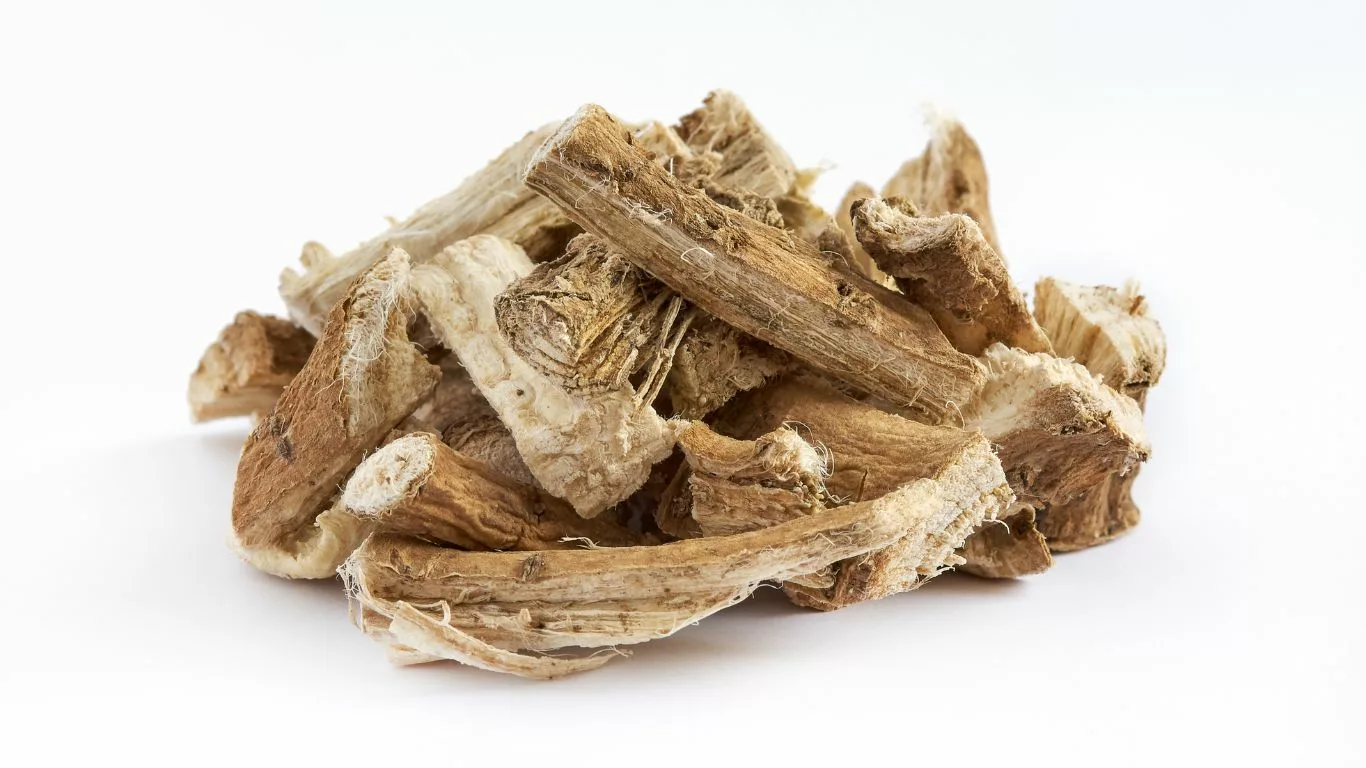
Marshmallow root comes from a perennial herb native to Europe, Western Asia, and North Africa. For centuries, it’s been used in folk remedies to ease sore throats, ulcers, and even coughs. The part that makes it GERD-friendly is its high mucilage content—a gooey, gel-like substance that coats and protects mucous membranes in the digestive tract.
Why That Coating Matters for GERD
When acid reflux occurs, stomach acid can irritate the lining of the esophagus, causing that signature burning. Marshmallow root acts like a natural bandage. Its mucilage content forms a protective layer over inflamed tissue, which might reduce irritation, relieve pain, and even support healing.
How It Compares to Conventional Meds
Unlike proton pump inhibitors (PPIs) or antacids, which block or neutralize acid, marshmallow root doesn’t stop the acid from forming. Instead, it offers relief without interfering with digestion—something I’ve appreciated especially when I got tired of that “chalky” feeling from chewable tablets.
How to Use Marshmallow Root for GERD

You don’t need to become an herbalist to add marshmallow root to your routine. There are easy, practical ways to include it:
1. Herbal Tea (My Favorite Option)
- 1 tablespoon of dried marshmallow root
- 2 cups of cool water
Let it steep overnight (cold infusion helps preserve mucilage), then strain and sip throughout the day. It’s soothing, mild, and doesn’t mess with my stomach the way coffee used to.
2. Capsules
Many supplement stores carry marshmallow root in capsule form—perfect if you’re always on the go or dislike herbal teas. Just make sure you’re getting it from a trusted source, and ideally one that doesn’t add fillers.
3. Tinctures
More potent and fast-absorbing, tinctures offer flexibility in dosing. Start small—5 to 15 drops diluted in water—and see how your body reacts.
Who Might Benefit the Most?

Based on personal experience and discussions with others in reflux support forums, marshmallow root may be especially helpful for:
- People dealing with LPR (laryngopharyngeal reflux) where throat irritation is prominent
- Anyone sensitive to PPIs or looking for a natural alternative
- Those managing GERD triggered by anxiety or stress—its soothing nature isn’t just physical
It’s also been referenced as useful for individuals recovering from burning throat symptoms caused by acid reflux, offering a gentle protective layer that doesn’t further irritate.
Backed by Science—But Still Emerging

Although marshmallow root hasn’t been studied as extensively as pharmaceuticals, there are some promising insights. A review published by the National Institutes of Health highlighted its anti-inflammatory and demulcent properties, particularly in addressing mucosal irritation. It’s been used in traditional systems of medicine for exactly these reasons—long before the invention of H2 blockers or antacids.
Another report from the Mount Sinai Health Library explains that marshmallow root may help calm inflammation throughout the digestive tract, not just in the esophagus. That’s a big deal for anyone dealing with multiple overlapping issues like gastritis or leaky gut syndrome.
Precautions You Should Know

Even natural remedies deserve respect. Marshmallow root is generally considered safe, but it may interact with medications by delaying their absorption. For example, if you’re taking other oral meds, make sure to space them out by a few hours.
Also, if you have constipation-related GERD, be mindful—marshmallow root has slight laxative effects for some people (though for others, that might actually be a bonus).
As always, talk with a qualified healthcare provider, especially if you’re pregnant, nursing, or managing multiple conditions. Natural doesn’t mean risk-free—but it can mean gentler.
And if you’re serious about managing reflux holistically, don’t miss the larger context: this guide ties closely with our GERD Natural Remedies article, which offers an in-depth look into proven non-pharmaceutical options.
My Experience Using Marshmallow Root for GERD

When I first tried marshmallow root tea, I honestly didn’t expect much. Years of dealing with heartburn, throat burn, and the constant need to clear my throat had made me a bit skeptical of anything not in a prescription bottle. But a friend—who’s into holistic health—suggested I give it a shot. Within just a few days of drinking cold-infused marshmallow root tea in the morning and again at night, I noticed my silent reflux symptoms were calming down.
That nagging burn I’d get after meals didn’t hit as hard. I could sleep better. My voice, which used to crack or feel raw from laryngopharyngeal reflux, started sounding clearer. I still avoid trigger foods and elevate my head at night, but marshmallow root has earned a permanent spot in my herbal cabinet.
How I Make It Work in Daily Life
Here’s what works for me:
- I prep my tea the night before by soaking dried root in a mason jar with filtered water. In the morning, I strain and pour it into my travel mug.
- If I know I’ll eat out or indulge in a heavier meal, I take capsules about 30 minutes beforehand.
- I never take it at the same time as my thyroid medication—it’s just good practice to separate herbs and prescriptions by 1–2 hours.
For those wondering if it’s all placebo, I get it. But sometimes, healing doesn’t always come in the form of synthetic pills. It comes from something our ancestors already knew about and science is just catching up with.
Marshmallow Root vs Other Natural Remedies

While marshmallow root is effective on its own, many people stack it with other natural remedies to enhance the benefits. Based on experience and discussions with natural health practitioners, here’s how it compares:
- Slippery Elm: Similar mucilage content, often paired with marshmallow root for stronger coating benefits. However, some people report more GI upset with slippery elm than marshmallow.
- Aloe Vera Juice: Very soothing, but sourcing high-quality, non-laxative aloe can be tricky. Also, some people dislike the taste.
- Licorice Root (DGL): Excellent for healing the gut lining, but must be deglycyrrhizinated to avoid blood pressure issues.
Honestly, I alternate between marshmallow root and DGL licorice, depending on whether my symptoms feel more esophageal or stomach-based. Sometimes, I even use both in one day, spaced out, for a more comprehensive effect.
Stacking Marshmallow Root Safely
If you’re curious about layering remedies, do it gradually. Here’s a gentle starter combo:
- Morning: Marshmallow root tea (cold-infused)
- Afternoon: Ginger tea or DGL licorice chew
- Evening: Marshmallow capsule before dinner
Always listen to your body. If anything feels off—bloating, gas, cramps—dial it back and simplify.
Tips for Getting the Most from Marshmallow Root

1. Pair It With a GERD-Safe Diet
No herb can cancel out a plate of greasy nachos and soda. I noticed the best results when I ate more low-acid, reflux-safe foods alongside my marshmallow regimen.
2. Prep in Advance
Marshmallow root takes time to steep properly—this isn’t a quick tea bag situation. Cold infusions pull out more mucilage, which is the part you want for that soothing gel. If you’re impatient (like me), make a batch every few days and store it in the fridge.
3. Try It Topically (Yes, Really)
While not directly related to GERD, marshmallow root’s anti-inflammatory nature makes it a go-to for minor skin issues too. I’ve made compresses for irritated skin, which just speaks to how versatile this root really is.
Where to Go from Here

If your goal is to manage GERD naturally and reduce dependence on long-term medications, marshmallow root could be a gentle and effective place to start. Of course, everyone’s gut story is different. What works for me might need a little tweaking for you—but that’s part of the journey. As part of a broader lifestyle plan that includes meal timing, stress management, and the right foods, this plant can genuinely support your digestive healing.
If you’re exploring options beyond the pharmacy aisle, don’t miss our full breakdown on natural remedies for GERD—it’s packed with insights that pair beautifully with everything marshmallow root brings to the table.
For those just beginning their journey into herbal support, marshmallow root is a great introduction. It’s simple, gentle, and historically trusted. And for those of us who’ve tried it all, it just might be the comforting solution you never expected to work so well.

Camellia Wulansari is a dedicated Medical Assistant at a local clinic and a passionate health writer at Healthusias.com. With years of hands-on experience in patient care and a deep interest in preventive medicine, she bridges the gap between clinical knowledge and accessible health information. Camellia specializes in writing about digestive health, chronic conditions like GERD and hypertension, respiratory issues, and autoimmune diseases, aiming to empower readers with practical, easy-to-understand insights. When she’s not assisting patients or writing, you’ll find her enjoying quiet mornings with coffee and a medical journal in hand—or jamming to her favorite metal band, Lamb of God.