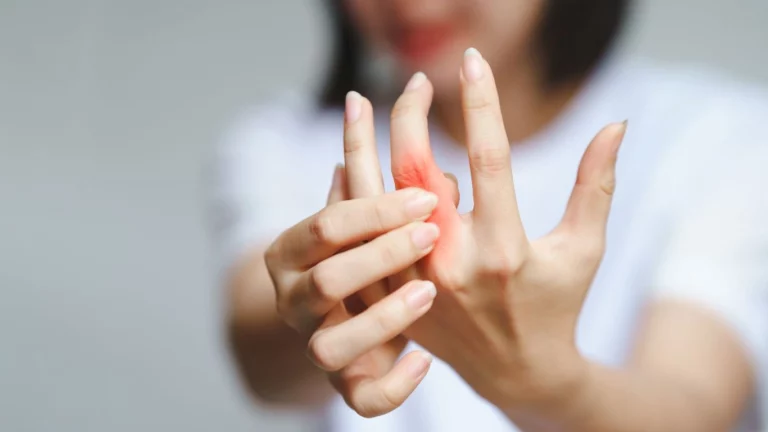
Micro Breaks That Prevent Sitting-Induced Back Pain Fast
It was during one of those marathon editing sessions that I first realized how much havoc sitting for hours was wreaking on my back. I’d always chalked it up to stress or bad posture, but the real culprit? Lack of movement. That’s when I stumbled across the concept of micro breaks—those tiny, intentional pauses that seem so minor yet pack a serious punch in protecting your back from prolonged sitting.
Why Sitting Is Quietly Wrecking Your Spine
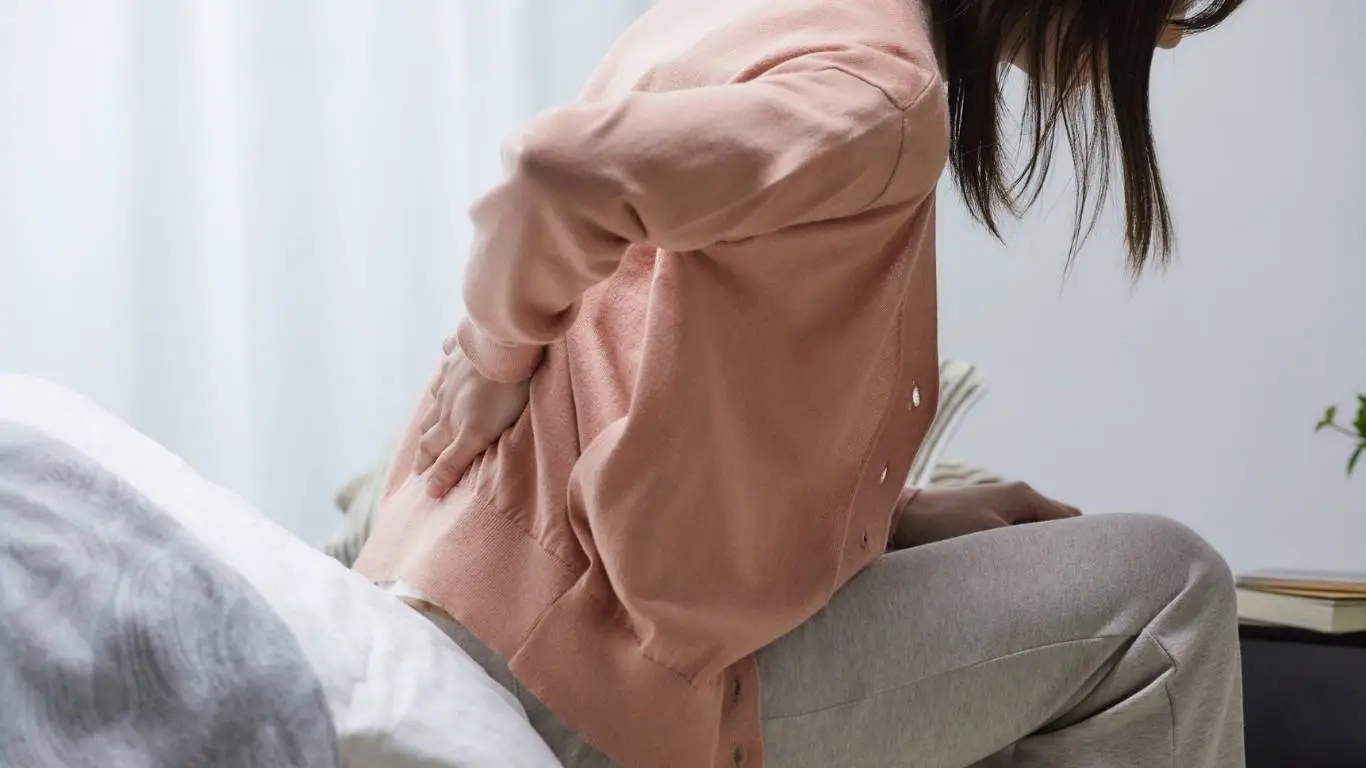
We sit to work, eat, commute, relax, and scroll. But sitting is not the neutral act it appears to be. Over time, static sitting—especially when slouched or poorly supported—can compress spinal discs, weaken postural muscles, and strain ligaments. If you’ve ever stood up after a few hours and felt like you aged 10 years, you’re not imagining it.
According to the CDC, Americans spend an average of 6.5 hours a day sitting. Office workers? Even more. The worst part? Long bouts of sitting without interruption are directly linked to chronic back issues, particularly in the lower lumbar region. This kind of pain often builds slowly but can become debilitating if left unchecked.
What Are Micro Breaks, Really?

When I first heard the term “micro break,” I imagined something more complex than it really is. But these are simple, structured interruptions to your sitting routine—usually 30 seconds to 2 minutes long—that get you moving just enough to reset your spine and reactivate your muscles.
These breaks don’t have to be dramatic. Think:
- Standing up and stretching your arms overhead
- Walking to fill your water bottle
- Rolling your shoulders or doing neck circles
- Even just shifting weight between feet while standing
They may sound insignificant, but research from the National Institutes of Health shows that micro movements can reduce spinal load, promote circulation, and delay the onset of musculoskeletal fatigue. One of the smartest things I did? I set a timer to ping every 25-30 minutes—now my body expects it.
The Science-Backed Benefits of Micro Breaks
1. Eases Muscle Tension
Sitting may feel restful, but it’s actually a passive stressor. Your hip flexors shorten, your glutes disengage, and your core muscles switch off. Micro breaks encourage light activation of these muscles, breaking the cycle of tension and stiffness.
2. Improves Spinal Hydration
Spinal discs act like sponges—they need movement to stay hydrated. When you sit for too long, discs are compressed and can’t properly rehydrate. Small movements from micro breaks reintroduce fluid exchange, keeping discs healthy and shock-absorbent.
3. Reduces Risk of Chronic Back Pain
Left unchecked, sitting-induced discomfort can progress to chronic pain. Conditions like disc degeneration or muscle strain often start subtly. I used to ignore that dull ache at the base of my spine until it started radiating down my leg. Micro breaks helped me reverse that trend—without medication.
4. Boosts Energy and Focus
There’s also a mental health bonus. Even 60 seconds of movement can reinvigorate your brain. You’ll notice better focus, reduced fatigue, and fewer 3 PM slumps. It’s a productivity hack with real physical payoffs.
How to Incorporate Micro Breaks Into Your Day

You don’t need to overhaul your day or get a standing desk (though they help). The trick is building micro breaks into your existing routine.
- Set a Recurring Timer: Use your phone or a free browser plugin like Stretchly or BreakTimer.
- Choose Simple Movements: No need to get weird in the office. Shoulder rolls, toe taps, wall pushes—anything to shift your posture.
- Pair With Existing Tasks: Stretch while taking a call or walk during Zoom meetings with the camera off.
- Post Visual Reminders: Sticky notes, wristbands, or even naming your Wi-Fi “GetUpAndStretch” can be cheeky but effective.
My Favorite Micro Break Moves (That Actually Work)

I’ve tried them all. But a few go-tos have saved my spine on deadline-heavy days:
- Wall Angels: Great for posture and shoulder release
- Standing Cat-Cow: Perfect for gentle spinal mobility without a mat
- Forward Folds: A lifesaver for hamstrings and lower back
- Pelvic Tilts: Low-key but powerful for core activation
For more targeted ideas, I highly recommend checking out our stretching guide and yoga routines for back pain.
If you’re dealing with more intense or recurring pain from long work sessions, it’s worth exploring deeper explanations in our occupation & travel guide to back pain, or the broader Back Pain Main Resource for understanding full-body impact.
Common Mistakes People Make With Micro Breaks

Micro breaks sound simple—and they are—but there’s a right and wrong way to approach them. I’ve definitely been guilty of a few of these before learning better:
- Only moving your arms: Waving your arms around while still seated doesn’t undo hours of spinal compression.
- Stretching once an hour (or less): Waiting too long between movements defeats the purpose. Frequency matters more than duration.
- Slouching immediately after a break: Returning to poor posture wipes out any benefits from the break. It’s like cleaning your car then driving through a mud puddle.
Another trap? Replacing a sitting break with another type of sedentary behavior. Watching YouTube while you “rest” doesn’t count as a micro break. Your back needs movement—not just distraction.
Who Benefits the Most From Micro Breaks?
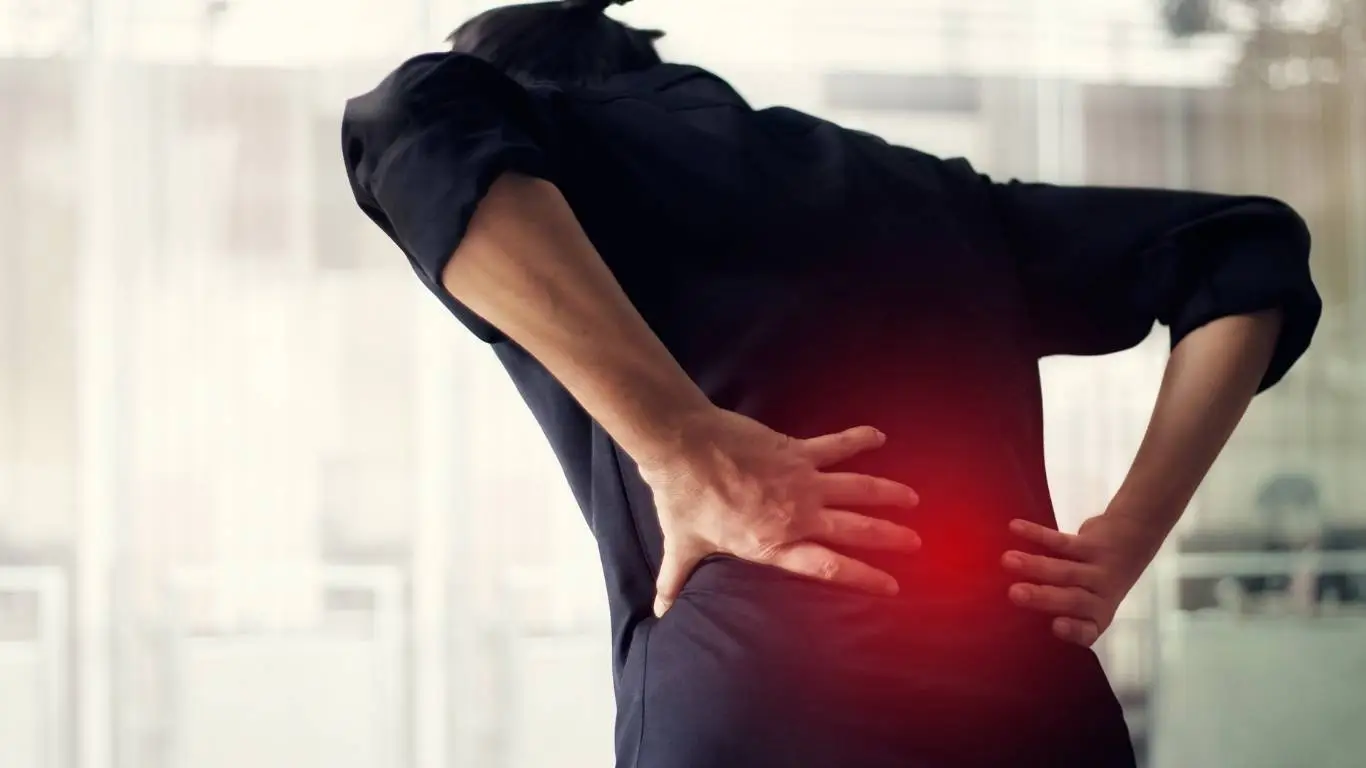
Everyone, honestly. But if you fall into any of these categories, consider micro breaks non-negotiable:
- Remote workers: Without coworkers or hallway meetings, you’re likely sitting uninterrupted for hours.
- Students: Especially during long lectures or all-nighter study marathons.
- Gamers & content creators: You’d be surprised how many Twitch streamers and video editors struggle with lumbar pain.
- Truck drivers, dispatchers, & customer service reps: If the seat is your second home, breaks are your best defense.
For those who fall into physically inactive or desk-heavy professions, our full resource on work-related back pain offers insights into tailoring prevention strategies. And if you’ve ever sat through a long-haul flight, don’t miss our air travel spine survival guide.
Creating a Spine-Smart Workspace
While micro breaks are powerful, pairing them with an ergonomic setup magnifies the benefits. I didn’t fully feel the relief until I adjusted how I sat—not just how often I stood up.
Key Ergonomic Essentials:
- Chair Support: Choose one that supports lumbar curvature. If not, use a rolled towel or consider lumbar cushions.
- Monitor Height: Your eyes should hit the top third of the screen—no neck craning or peeking down.
- Desk Height: Arms should form a 90-degree angle when typing.
- Foot Position: Feet flat on the floor (or footrest) to avoid pelvic tilt and lower back strain.
Looking for product recommendations? Here’s our no-nonsense list of office chairs that actually help with back pain.
Tracking Your Progress With Micro Breaks

Here’s the thing with micro breaks—they work best when they become habit. I used to think I wouldn’t need reminders. Spoiler: I did. A few tools helped me stay on track and see actual results.
Helpful Tools:
- Pomodoro apps: Great for pairing work sprints with built-in breaks.
- Fitness trackers: Many wearables like Fitbit or Apple Watch have “stand” alerts you can customize.
- Posture apps: Some use your webcam to nudge you when you slouch—super eye-opening.
You can even gamify the process. I started keeping a small whiteboard tally of how many micro breaks I took. It sounds silly, but the accountability made it fun—and more consistent.
When Micro Breaks Aren’t Enough

Let’s be honest—micro breaks are powerful, but they’re not a silver bullet. If your pain persists or worsens, it might be time to dig deeper. Conditions like degenerative disc disease, scoliosis, or even facet joint syndrome may require more than movement breaks.
This is where a tailored rehab or therapeutic program comes in. Our pillar content on exercise, rehab, and ergonomics offers an in-depth guide to complement your micro break strategy with long-term solutions.
And for a full overview of how back pain affects all aspects of life and the variety of approaches to manage it, start with the comprehensive back pain main resource—a hub I wish I found earlier.
One Small Shift, A Lifetime of Relief

I never thought that a one-minute stretch every half hour could have such an outsized impact on my back and overall health. It’s not about overhauling your lifestyle—it’s about smart tweaks. Micro breaks helped me reclaim my energy, reduce pain, and get back to doing what I love without wincing at every movement.
Whether you’re in a high-pressure office, studying for finals, or creating content for hours on end, micro breaks are the simplest investment you can make in your spinal future.

Camellia Wulansari is a dedicated Medical Assistant at a local clinic and a passionate health writer at Healthusias.com. With years of hands-on experience in patient care and a deep interest in preventive medicine, she bridges the gap between clinical knowledge and accessible health information. Camellia specializes in writing about digestive health, chronic conditions like GERD and hypertension, respiratory issues, and autoimmune diseases, aiming to empower readers with practical, easy-to-understand insights. When she’s not assisting patients or writing, you’ll find her enjoying quiet mornings with coffee and a medical journal in hand—or jamming to her favorite metal band, Lamb of God.