Best Lighting for Migraine Sufferers That Eases Eye Strain Fast
Lighting. It’s something most of us take for granted—until you get hit with a migraine that seems to punch you straight through the eyes. I learned this the hard way. Years ago, during a long client meeting under flickering fluorescent lights, I felt it coming—a wave of nausea, stabbing head pain, and the urgent need to escape the brightness. If you’re one of the millions sensitive to lighting, this isn’t just about comfort—it’s survival. Let’s talk honestly about the best lighting for migraine sufferers, what works, what hurts, and why your light setup might be your biggest trigger yet.
Why Lighting Can Wreck Your Brain (Literally)

Most people don’t realize how deeply artificial lighting can affect our brain, especially for migraine sufferers. It’s not just about brightness—it’s about flicker, spectrum, contrast, and even the time of day you’re exposed.
- Fluorescent lights: These are common in workplaces and stores, and they’re the enemy. They flicker rapidly (even if your eyes don’t notice), and that flicker is a known migraine trigger.
- Cool-white LEDs: Another sneaky culprit. They emit blue light, which can interfere with your brain’s ability to relax and may trigger or prolong a migraine attack.
- Glare: Ever had a screen or shiny surface reflect right into your eyes? That harsh contrast forces your brain to work overtime—bad news if you’re prone to migraines.
Personally, I had to replace every single bulb in my home office once I realized those cheap “daylight” LEDs were wrecking my focus and triggering my episodes.
What Is the Best Lighting for Migraine Sufferers?

If you’ve ever asked yourself, “What’s the most migraine-friendly lighting setup?”, you’re not alone. It took me months of trial and error to figure out what worked—and what didn’t.
Go Warm or Go Home
Choose lighting in the 2700K–3000K color temperature range. This emits a warm, soft glow that’s much easier on the eyes. Most migraine sufferers find warm light less triggering than harsh white or blue tones.
Use Indirect Light
Direct overhead lighting can be too intense. Use lamps with fabric shades, wall sconces, or indirect LED strips placed behind furniture to diffuse brightness. You’ll create a cozy vibe and reduce the intensity your brain has to process.
Consider Flicker-Free LEDs
Not all LEDs are equal. Look for “flicker-free” or low flicker index LEDs—especially if you’re installing lights in your workspace. I switched to flicker-free desk lamps last year, and it significantly reduced my mid-day head pressure episodes.
Install Dimmers Everywhere
Migraines vary in intensity. One day you might be able to tolerate a bit of light, the next, you want a cave. Dimmer switches let you control the environment based on your needs. I have one in nearly every room now—worth every penny.
Tools and Tech That Actually Help
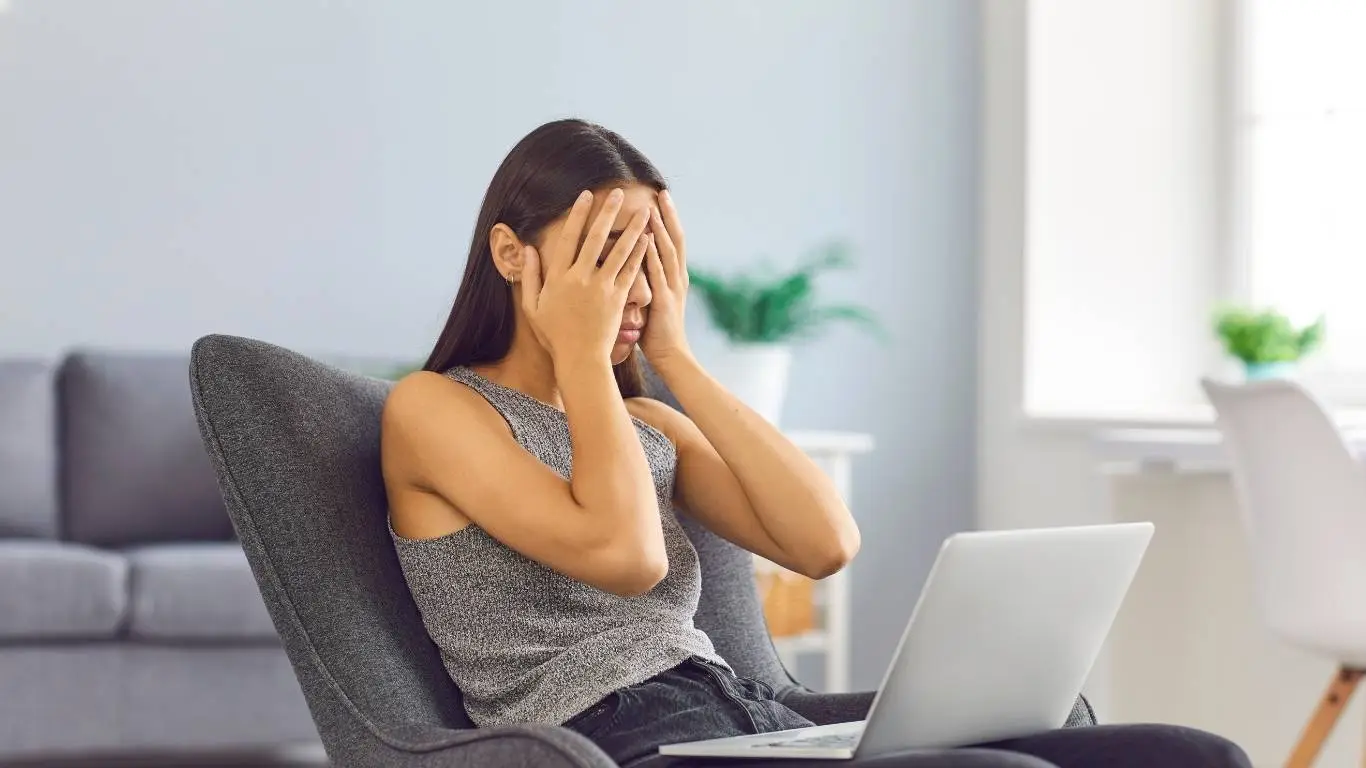
Technology has evolved to actually work in our favor if you’re smart about it. I’ve tested dozens of lighting tools, and here’s what made the cut:
- Smart Bulbs: Brands like Philips Hue or LIFX allow you to change color temperature, brightness, and even schedule lighting changes throughout the day. Perfect if you’re sensitive to shifts in ambiance.
- Blue Light Filters: Not just for screens. You can install film filters on windows or overhead lights that cut out the blue spectrum.
- Blue light blocking glasses:
If you can’t control your environment (like at work), wearing these can be a lifesaver. I never travel without mine anymore.
Lighting Tips That Work in the Real World

Home Setup
Your home should be your safe zone. Make it migraine-proof by layering light. Use a mix of floor lamps, table lamps, and under-cabinet lighting to avoid reliance on harsh overhead fixtures. Avoid high-contrast zones like brightly lit kitchens with dark countertops.
At Work
This is tricky if you can’t control the office lighting. Try these:
- Ask HR about accommodations—yes, it’s a thing!
- Bring a personal desk lamp with warm bulbs
- Use a glare screen for monitors
- Wear tinted migraine glasses
You might also want to track your lighting-related migraine patterns using tools discussed in this guide to migraine tracking apps.
On the Go
I used to dread hotels and Airbnbs—unpredictable lighting everywhere. Now, I pack a rechargeable clip-on lamp with a warm setting. It’s small, portable, and a game-changer for evening reading or working on the road.
Natural Light Isn’t Always Your Friend

Sunlight can be tricky. Yes, it’s natural, but too much glare or sudden exposure can be just as bad as bad bulbs. Use blackout curtains or sheer diffusers on windows. And if you’re like me and love a morning sunbeam, try to filter it through a light linen curtain to soften the edges.
Keep in mind, migraine sufferers are often more photosensitive. This has been backed by various studies, including findings from PubMed and Mayo Clinic, showing that photosensitivity isn’t just a side effect—it’s a trigger all on its own.
More on how migraines connect to the environment can be explored in our Migraine Triggers article, and for a broader perspective on how migraines work overall, check out our Main Migraine Guide.
Light and Migraine Aura: The Hidden Connection

If you’ve ever noticed weird visual distortions—like zigzag patterns, flashes, or even partial vision loss—before a migraine hits, you’re probably dealing with migraine aura. What many don’t realize is that certain types of lighting can provoke these auras just as much as they can trigger the migraine itself.
For me, it used to happen every time I walked into big box stores—those giant overhead LED grids would spark off swirling lights in my peripheral vision. Within 20 minutes, I was out cold with an ice pack on my forehead. That’s when I stumbled onto this guide on migraine aura signs that helped me connect the dots.
Researchers have suggested that cortical spreading depression—a wave of brain activity believed to cause aura—can be jump-started by high-intensity light exposure. In simpler terms? The wrong light at the wrong time can flip your brain’s electrical switch.
Managing Light During Aura Phases
- Lower lights immediately at the first sign of aura
- Use warm amber filters on screens and lamps
- Try to move to a dim, quiet space within the first few minutes
- Avoid any screen time, even phone scrolling—it’s not worth it
There’s a reason some of us associate migraines with “light trauma.” Your brain just doesn’t want to process it.
Choosing Lighting for Specific Rooms

Not all rooms need the same lighting. I’ve learned to customize my home room-by-room, like a personal lighting playbook. Here’s what worked best for me:
Bedroom
This should be your sanctuary. Avoid ceiling lights entirely. I use two wall-mounted sconces with adjustable warm LEDs on dimmers and blackout curtains for daytime control. Also, ditch the blue LED alarm clock—I use a red-lit analog one instead.
Home Office
This is where migraines sneak in through the back door. Skip the overheads, and use a task light with a warm LED bulb angled away from your screen. I paired mine with a monitor glare filter and found my productivity shot up—and my headache days went down.
Kitchen & Bathroom
These are often overlooked, but those bright white lights can be brutal. Swap to softer bulbs and install motion-sensor dim lights under cabinets. You’ll thank yourself when you need to sneak in at 2 AM for water without setting off a brain alarm.
Living Room
Layer lighting here—use multiple sources instead of one blaring fixture. I added a warm-tone floor lamp, a soft wall uplight, and a flicker-free reading lamp by the couch. It’s cozy and doesn’t push my brain into overdrive when I want to relax.
Don’t Ignore the Role of Screen Light

While this article is about environmental lighting, let’s not pretend screens aren’t part of that. Screen lighting is just as influential—sometimes more—especially when you’re already light-sensitive.
- Turn on “Night Shift” or “Eye Comfort” mode on your phone and computer
- Set the display to warm or sepia tones (I use f.lux on desktop)
- Keep screen brightness no higher than room lighting
Also, consider the ergonomic setup. If your screen is near a window, make sure you’re not getting indirect glare. Rearranging my desk to avoid this made a massive difference in how I felt at the end of the day.
More screen management tips are available in our article on light and sound sensitivity during migraine attacks.
Supplements and Lifestyle Adjustments to Support Lighting Sensitivity

Managing lighting is one part of the puzzle. But your sensitivity might also be tied to nutrition or neurological imbalances. I noticed a difference after adding magnesium supplements to my routine—especially in low-light recovery phases.
According to experts at Cleveland Clinic, magnesium helps regulate nerve signaling and may reduce light sensitivity. It’s also often recommended alongside Vitamin B2 and CoQ10 for migraine management.
Other supportive lifestyle tweaks:
- Hydration: Dehydration makes light sensitivity worse. I keep a giant water bottle with electrolyte tabs at my desk.
- Sleep: Proper rest helps stabilize your neurological response to light. Read up on migraine sleep habits for more insight.
- Diet: Avoid foods that spike inflammation, which can worsen sensitivity. Here’s a list of migraine-trigger foods to be aware of.
The Role of Personalized Tracking

Lighting triggers can vary drastically from one person to another. I once blamed my kitchen bulbs—turned out it was actually the light glare from my glossy backsplash. That’s why tracking is essential.
Use tools like migraine diaries or wearable devices to track how different environments affect you. There are even smartwatches for migraine sufferers that monitor exposure patterns and suggest adjustments.
And if you’re not sure where to begin, explore our deep dive on migraine tools and devices to get started.
If lighting is a persistent migraine issue for you—as it has been for me—this isn’t just about making your home “look nice.” It’s about gaining control over one of the most frustrating and invisible triggers we face. For a full look at how light fits into the bigger migraine picture, see our guide on migraine prevention and don’t forget the main resource hub at Migraines & Headaches Main Page.

Bianca Nala is a compassionate Nurse Practitioner with a strong background in primary and respiratory care. As a health writer for Healthusias.com, she combines her clinical expertise with a talent for clear, relatable storytelling to help readers better understand their health. Bianca focuses on topics like asthma, COPD, chronic cough, and overall lung health, aiming to simplify complex medical topics without losing accuracy. Whether she’s treating patients or writing articles, Bianca is driven by a single goal: making quality healthcare knowledge accessible to everyone.