
Best Blue Light Filter Apps for Migraine Sufferers That Actually Help
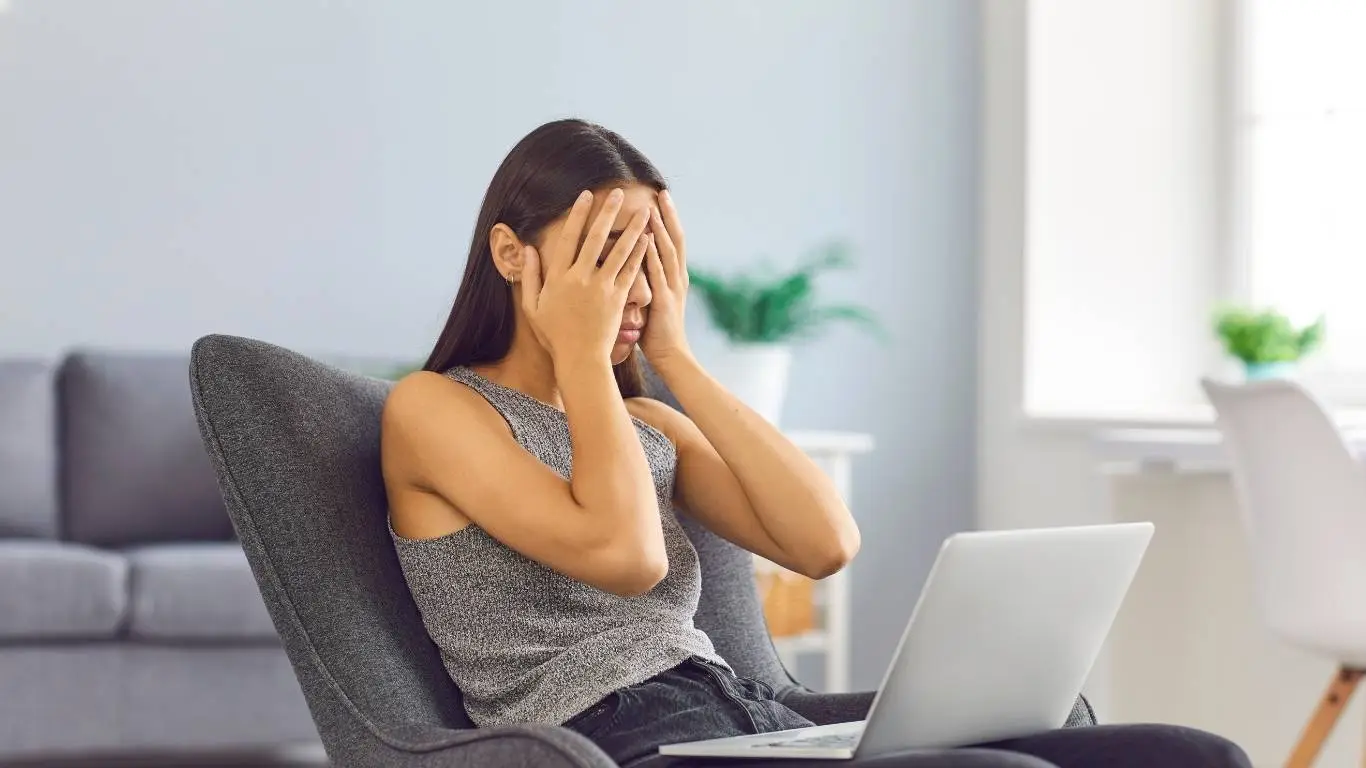
Ever get that pounding headache that seems to come out of nowhere after staring at your screen too long? Yeah, me too. For years, I shrugged off the sharp pain behind my eyes until I realized it wasn’t just stress or lack of sleep—it was migraines. And guess what? That endless exposure to harsh screen light was a major culprit. If you’ve ever wondered whether blue light is making your migraines worse, or if there’s something you can actually do about it, you’re in the right place.
Understanding the Link Between Blue Light and Migraines

Let’s start with the basics. Blue light is everywhere—our phones, laptops, TVs, and even LED lights at home. It’s a high-energy visible (HEV) light that can affect our circadian rhythm, eye health, and, for some of us, migraine triggers.
As someone who spends hours editing and designing on a screen daily, I noticed my migraines were more frequent and intense when I didn’t use any filters or screen protection. And I’m not alone. Studies suggest that blue light exposure can lead to photophobia, a heightened sensitivity to light that commonly affects migraine sufferers.
Why Is Blue Light a Trigger?
The science is surprisingly simple. Blue light penetrates deep into the eye, straining the retina and stimulating brain regions associated with pain. For people already sensitive to visual stimuli, this can quickly escalate into a full-blown migraine.
Researchers have found that certain wavelengths, particularly in the blue spectrum (400–500 nm), disrupt natural sleep patterns and cause neurological stress. Combine that with everyday screen exposure, and you’ve got a recipe for chronic discomfort.
Are You at Risk?
If you’ve ever felt any of the following after extended screen time, it might be time to evaluate how blue light is affecting your migraines:
- Headaches that begin behind the eyes
- Light sensitivity and squinting even indoors
- Blurred vision or eye strain
- Disrupted sleep, especially after late-night screen use
Still unsure? Take a look at migraine warning signs to see how your symptoms line up.
How Blue Light Filter Apps Can Help

This was a total game changer for me. After trying everything from blackout curtains to screen breaks, blue light filter apps made the biggest difference. These apps work by adjusting the screen’s color temperature, reducing the harsh blue tones and replacing them with warmer hues.
Key Features to Look For
Not all filter apps are created equal. If you’re looking for serious migraine relief, here’s what to prioritize:
- Custom Schedules: Automatic dimming at sunset or during specific work hours.
- Color Temperature Adjustment: The ability to fine-tune from blue to amber.
- System-Wide Filtering: Filters that affect everything, not just browser or specific apps.
- Battery Efficiency: Some filters drain your phone. Avoid those.
If you’re also struggling with migraine-related sleep issues, using these apps a few hours before bed may help reset your internal clock and reduce nighttime flare-ups.
Top-Rated Blue Light Filter Apps (That I Actually Use)
After trying dozens (no exaggeration), here are the ones I swear by:
- f.lux (Desktop): Automatically adjusts your screen’s lighting based on your location and time of day. Simple and smart.
- Iris: Advanced filtering options with health-focused settings. It even includes a migraine-safe mode. Worth the small price tag.
- Twilight (Android): Free, effective, and intuitive. Great for night-time browsing.
- Night Shift (iOS): Built-in and effective, but less customizable. A good starter option.
Need more help managing the migraine-tech connection? This detailed breakdown on migraine triggers can help you figure out if your phone habits are contributing to your pain.
Other Tools That Complement Blue Light Filtering

While apps are a solid start, they’re not a silver bullet. Combining them with lifestyle tweaks can seriously level up your migraine defense. Here’s what’s worked for me:
- Blue Light Glasses: A must if you work in lighting you can’t control. Check out this guide on blue light glasses for migraine to find the right pair.
- Low-Light Mode Settings: Most phones now let you change display contrast or grayscale your screen. Use them!
- Screen Breaks: I do a 20-20-20 routine (every 20 mins, look at something 20 feet away for 20 seconds).
- Proper Sleep Hygiene: Your brain needs real downtime. Set app-based reminders to wind down, not scroll endlessly before bed.
One thing I didn’t expect? Reducing my blue light exposure didn’t just help the headaches. It improved my mood, energy levels, and even my posture. Crazy how these things connect.
Want to Learn More About Preventing Tech-Triggered Migraines?

There’s so much more you can do. The science around migraine prevention is evolving fast, and new digital solutions are popping up constantly. I recommend starting with the basics and building sustainable habits that actually stick.
For a broader view on migraine causes and triggers (and where screen light fits in), head over to the main resource hub here: Migraines and Headaches Overview.
And for a deep dive into migraine tools and devices that work hand-in-hand with blue light filters, check out this helpful section on migraine tech and tools.
What Happens When You Don’t Use a Blue Light Filter?

Here’s something I learned the hard way. Skipping blue light protection—even for a few hours—can wreck your whole day. Back when I was freelancing full-time, I thought a night of binging edits was just part of the hustle. The next morning? Nausea, pulsing pain behind my eyes, and a full-on migraine that left me useless for 48 hours. Not worth it.
Without blue light filtering, your brain stays overstimulated. This can cause:
- Increased migraine frequency—triggered by visual strain
- Insomnia or restless sleep—blue light delays melatonin production
- Fatigue and irritability—from poor sleep and recurring pain
- Heightened sensitivity—not just to light but sound and motion too
If that’s hitting home, you may want to read up on how light and sound sensitivity interact with migraine flare-ups.
Do Blue Light Filters Actually Work?

Let’s cut through the fluff—yes, they work. But only if you use them correctly and consistently. I’ve had clients and colleagues try them for two days and claim, “meh, no difference.” You wouldn’t expect one yoga session to cure back pain either, right?
For many migraine sufferers, especially those dealing with vestibular migraines, reducing visual triggers can stabilize your environment and ease recovery.
How Long Before You Feel Results?
Personally, I noticed subtle changes within the first week. Less squinting. Fewer “ugh, I need to lie down” moments. But the real magic kicked in after 2–3 weeks. With consistent filtering and reduced night-time exposure, I started having entire *weeks* without a single attack—something I hadn’t experienced in years.
How to Tell If It’s Working
Track your progress. I recommend keeping a migraine diary to note frequency, severity, and duration. That’s how I pinpointed which apps helped and when my screen usage was pushing my limits.
How to Build a Migraine-Friendly Digital Routine
We’re not ditching screens anytime soon, so let’s make them friendlier. Here’s a solid plan you can start today:
- Install a trusted blue light filter app—and actually use it!
- Set up auto-scheduling for filter activation during evening hours
- Enable system-wide dark mode on phones and desktops
- Use warm lighting in your workspace (avoid bright LEDs)
- Take 5-minute visual breaks every 30 minutes
- Avoid screens an hour before bed (your sleep will thank you)
For those managing sleep issues linked to migraines, this routine is especially crucial.
More Natural Relief That Supports Blue Light Filtering

It’s not just tech. I’ve been experimenting with natural remedies and they’ve amplified the results from my digital detox. Here are a few that’ve worked wonders:
- Magnesium: Supports neurological health and may reduce migraine frequency. Learn more at Magnesium for Migraine.
- Essential oils: Peppermint and lavender in particular. I use them in a diffuser during work hours.
- Hydration & nutrition: Seems obvious, but easy to forget. Skipping meals or hydration is a fast track to migraine town. These migraine-safe foods helped me find balance.
Plus, I now incorporate 10 minutes of yoga for migraine relief between work blocks. Total game-changer.
Level Up with Complementary Devices

If you’re someone who’s tried it all, consider adding wearable tools to your setup. Devices like Nerivio and Cefaly work alongside lifestyle changes like blue light filtering. I use mine before long meetings or travel to head off an attack.
For the tech-savvy, explore this breakdown of top migraine relief devices that support app-based solutions.
Start Small, Stick with It

You don’t need to overhaul your whole life overnight. Start with one app, set your night-time filter, and keep a log. I’ve been there—it’s frustrating when pain interrupts your day. But once you find your groove with tech tools that work, it gets easier. Less fog. More energy. Better days.
For a comprehensive plan to build your prevention routine, check out our full guide to migraine prevention. It’s full of tips that go hand-in-hand with blue light strategies.
And don’t forget to explore the main hub here for everything migraine-related: Healthusias Migraine and Headache Center.

Bianca Nala is a compassionate Nurse Practitioner with a strong background in primary and respiratory care. As a health writer for Healthusias.com, she combines her clinical expertise with a talent for clear, relatable storytelling to help readers better understand their health. Bianca focuses on topics like asthma, COPD, chronic cough, and overall lung health, aiming to simplify complex medical topics without losing accuracy. Whether she’s treating patients or writing articles, Bianca is driven by a single goal: making quality healthcare knowledge accessible to everyone.