Why Electric Light Sensitivity Can Trigger a Migraine Attack
Last Tuesday afternoon, I was lounging in my living room when a migraine slammed into me like a freight train. No warning. No mercy. Just an all-consuming pulse behind my left eye — and guess what? It happened right after I spent nearly two hours under bright LED lights while reorganizing the garage. That wasn’t the first time. If you’ve ever felt your head throbbing after walking into a store with flickering fluorescent lights or scrolling your phone in a dim room, you might be wondering the same thing I did: can electric light sensitivity trigger a migraine? The short answer? Absolutely — and you’re not alone.
Why Electric Light Sensitivity Hits So Hard

Our brains are wired to respond to environmental stimuli, and light — especially artificial light — is one of the most powerful triggers for many people with migraines. Photophobia (light sensitivity) isn’t just a symptom, it can also be the culprit. What’s tricky is that the intensity and type of light can vary in impact.
Types of Lights That Commonly Trigger Migraines
- LED lights: These are energy-efficient but often emit blue wavelengths, which have been linked to increased migraine frequency.
- Fluorescent lights: Found in offices and retail stores, these lights flicker subtly — often imperceptibly to the eye, but not to a sensitive brain.
- Screen glare: Laptop, phone, and TV screens — especially when used in dark settings — can cause overexposure to blue light.
What really caught me off guard was how even a trip to the grocery store, with its intense overhead lights, could send me spiraling. It turns out, this isn’t rare at all. According to the American Academy of Neurology, about 80–90% of migraine sufferers report light sensitivity during or even before an attack.
What’s Actually Happening In Your Brain?

When we’re exposed to certain lighting conditions, the trigeminal nerve — a key player in migraine pathology — can get activated. This nerve is responsible for sensations in your face and head, and when triggered by overstimulation (like from harsh light), it can lead to a cascade of pain signals. The overstimulation also affects the occipital cortex, the brain’s visual center, which is hyper-responsive in migraineurs.
Why Blue Light Is the Worst Offender
Blue light, emitted from most modern screens and LED bulbs, penetrates deeper into the eye and suppresses melatonin production. This disrupts sleep cycles, which is a massive migraine trigger on its own. That’s a double hit for anyone who already struggles with migraine management. Learn more about how sleep disorders affect migraines.
Recognizing the Warning Signs Early

Many of us wait until the pain hits, but the body often whispers before it screams. These subtle warnings could mean it’s time to step away from the screen or flip off the overheads:
- Eye strain or a burning sensation behind your eyes
- Mild pressure at the base of the skull
- Sensitivity to even dim or warm lights
- Increased yawning or sudden fatigue
If these sound familiar, consider tracking them in a migraine diary. Over time, patterns emerge — and that’s where power lies.
Can You Build Tolerance to Electric Light?

This question popped into my head during my last neuro visit. She explained it like this: while you might not completely “build resistance” to light, you can train your environment to be less hostile.
Simple Modifications That Actually Work
- Use warm LED bulbs (under 3000K) at home
- Install screen filters and enable dark mode across devices
- Take screen breaks using the 20-20-20 rule (every 20 minutes, look at something 20 feet away for 20 seconds)
- Consider blue light glasses — they’ve saved me more than once on long workdays
Even posture and lighting angle play a role. Overhead lights are worse than side lighting. Try a floor lamp with indirect lighting when reading or working. Explore more migraine tools and devices here.
The Link Between Hormones, Light, and Migraines

For women, hormonal fluctuations often intensify light sensitivity. Personally, my migraines ramp up just before my cycle — when estrogen drops. This shift makes my body more reactive to environmental stimuli. Learn how hormonal changes interact with migraine triggers.
Interestingly, researchers at ncbi.nlm.nih.gov have linked estrogen withdrawal to increased light-triggered cortical hyperexcitability, basically meaning your brain gets overwhelmed easier by things like light and sound during these times.
When It’s Not Just Light — The Compound Effect

Most of the time, light isn’t the only trigger. It’s part of a stack — stress, poor sleep, skipped meals, you name it. That’s why tracking your symptoms is crucial. Learn to recognize when you’re dealing with stress-induced migraines or stacking triggers. In my case, one particularly brutal migraine followed a combination of a late-night Netflix binge and skipping breakfast the next morning — under bright overhead kitchen lights.
Electric light sensitivity is real, and it’s a game-changer when you finally understand how it fits into the bigger migraine picture. For a deeper dive into managing root causes and treatment options, I’d recommend exploring this comprehensive migraine trigger guide and the full main migraine resource hub.
How to Prevent Light-Induced Migraines Before They Start
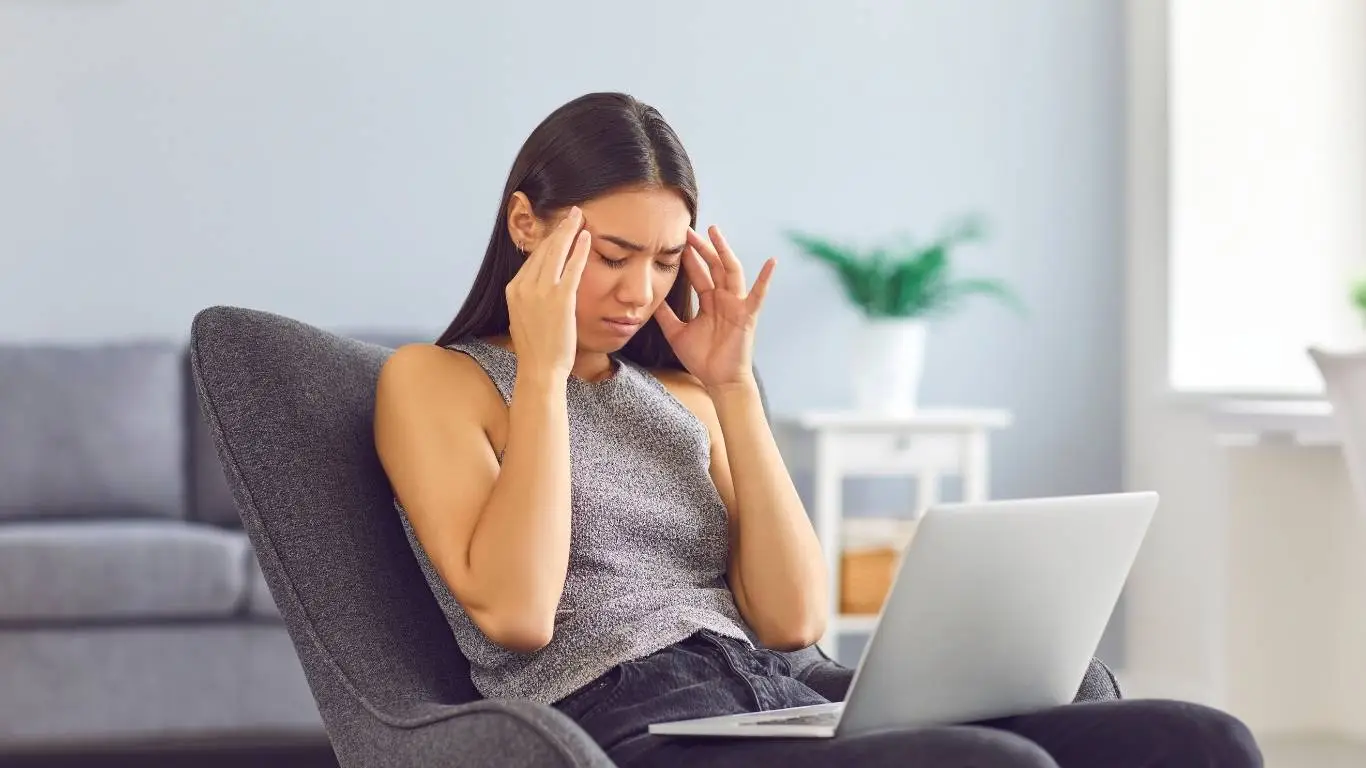
Let’s be real — once a migraine starts, it’s a waiting game. So I’ve made it my mission to avoid them altogether, especially the ones triggered by electric light. And prevention isn’t about living in the dark like a vampire (although I’ve considered it). It’s about being proactive with daily habits and your environment.
Lighting Adjustments That Actually Make a Difference
- Use dimmable lights: Especially in workspaces and bedrooms, giving your eyes a break from harsh, fixed lighting is a huge win.
- Install smart lighting: I switched to smart bulbs so I can control brightness and temperature from my phone. Warm light in the evening? Game changer.
- Avoid cold white LEDs: These are the worst offenders for many people — especially those working from home.
For more long-term approaches, check out these migraine prevention strategies that go beyond just managing light exposure.
Daily Routines That Strengthen Light Tolerance

I didn’t realize how much lifestyle played into my sensitivity until I committed to some real routine changes. Spoiler alert: they helped.
Here’s What Helped Me the Most:
- Regular sleep: I know, everyone says it — but migraines love irregular sleep patterns. I wake up and go to bed at the same time, even on weekends.
- Hydration: Dehydration intensifies light sensitivity. I now keep a water bottle in every room like a hydration-obsessed squirrel. See more on the link between dehydration and migraines.
- Mindful screen time: Limiting late-night scrolling was tough, but I replaced it with audiobooks (bonus: I fall asleep faster too).
These tweaks reduced both the frequency and the severity of my attacks. If you haven’t done so already, take a look at how sleep habits affect migraines.
Tools, Gadgets, and Apps That Help

Technology isn’t just the villain — it can also be the hero. I’ve tested out a bunch of tools, and a few have earned a permanent spot in my migraine-fighting toolkit.
My Go-To Devices and Accessories:
- Wearable migraine devices like Cefaly and Nerivio — they don’t eliminate migraines, but they sure help manage the pain when I catch symptoms early.
- Smartwatches that track heart rate and stress levels. Helpful for predicting an oncoming attack based on subtle physiological changes.
- Migraine apps that let me log triggers, symptoms, and intensity levels. Patterns become easier to spot when you’ve got the data in front of you.
I also keep a pair of tinted glasses in my bag — they’ve saved me more than once at restaurants with terrible lighting. Seriously, they’re not just for style.
What Your Doctor Might Not Tell You About Light Sensitivity

Here’s the thing: not all healthcare providers bring up light sensitivity unless you mention it. Mine didn’t until I connected the dots myself. If you’re still getting brushed off, you’re not imagining it — and it might be time to find a specialist. Learn when to visit a neurologist who understands migraines.
More often than not, light sensitivity is treated as a secondary concern — a symptom to manage, not a trigger to avoid. But if you’re someone who flinches when someone turns on a bright overhead light, you know it’s so much more than that.
Natural Relief When the Lights Just Won’t Quit

Even with all the prep in the world, sometimes a migraine still kicks in. That’s when I go full-on rescue mode. And no — it doesn’t always involve popping a pill.
My Favorite Natural Approaches
- Magnesium: I started supplementing daily after reading studies linking low levels to migraines. The results? Fewer attacks and less severity. Here’s more on magnesium’s role in migraine relief.
- Cold packs: I keep one in the freezer, and it’s my go-to when the throbbing starts — especially when it feels like my head is going to explode behind my eyes.
- Dark room meditation: I’ve found guided meditation in a blackout room helps bring the pain down faster. It’s not instant, but it calms my system.
Also, don’t underestimate gentle yoga — especially poses that focus on the neck and spine. Tight muscles in those areas can add fuel to the fire when a migraine is already brewing.
Reclaiming Control From a World That’s Too Bright

Living in a digital, LED-lit world isn’t ideal when you have light-triggered migraines. But I’ve found ways to take back control. I’ve turned my home into a light-friendly zone, curated a set of daily practices, and most importantly — I trust my gut. When something feels off, I act early.
Want to dive deeper into how to address your root triggers beyond just electric light? Don’t miss this well-rounded guide on migraine symptoms and how they evolve — because the better you know your patterns, the faster you can break the cycle.
And if you’re just getting started navigating your migraine journey, this full guide on understanding migraines is where I’d send my past self if I could.

Bianca Nala is a compassionate Nurse Practitioner with a strong background in primary and respiratory care. As a health writer for Healthusias.com, she combines her clinical expertise with a talent for clear, relatable storytelling to help readers better understand their health. Bianca focuses on topics like asthma, COPD, chronic cough, and overall lung health, aiming to simplify complex medical topics without losing accuracy. Whether she’s treating patients or writing articles, Bianca is driven by a single goal: making quality healthcare knowledge accessible to everyone.