Scary Visuals? Understand the Difference Between Optical and Migraine Aura
If you’ve ever seen shimmering zigzags, flashing lights, or blind spots in your vision, and you weren’t looking into the sun or staring at a screen for hours — you’re not alone. I still remember the first time it happened to me. I thought I was having an eye problem. Turns out, it was a migraine aura. But wait — isn’t that the same as an optical aura? Actually, no. The difference between optical and migraine aura can be subtle, yet crucial. A lot of people mix them up, and I was one of them. Let’s clear that up — in plain, real-world language — and get to know what’s really going on with our brains and vision.
What Exactly Is a Migraine Aura?
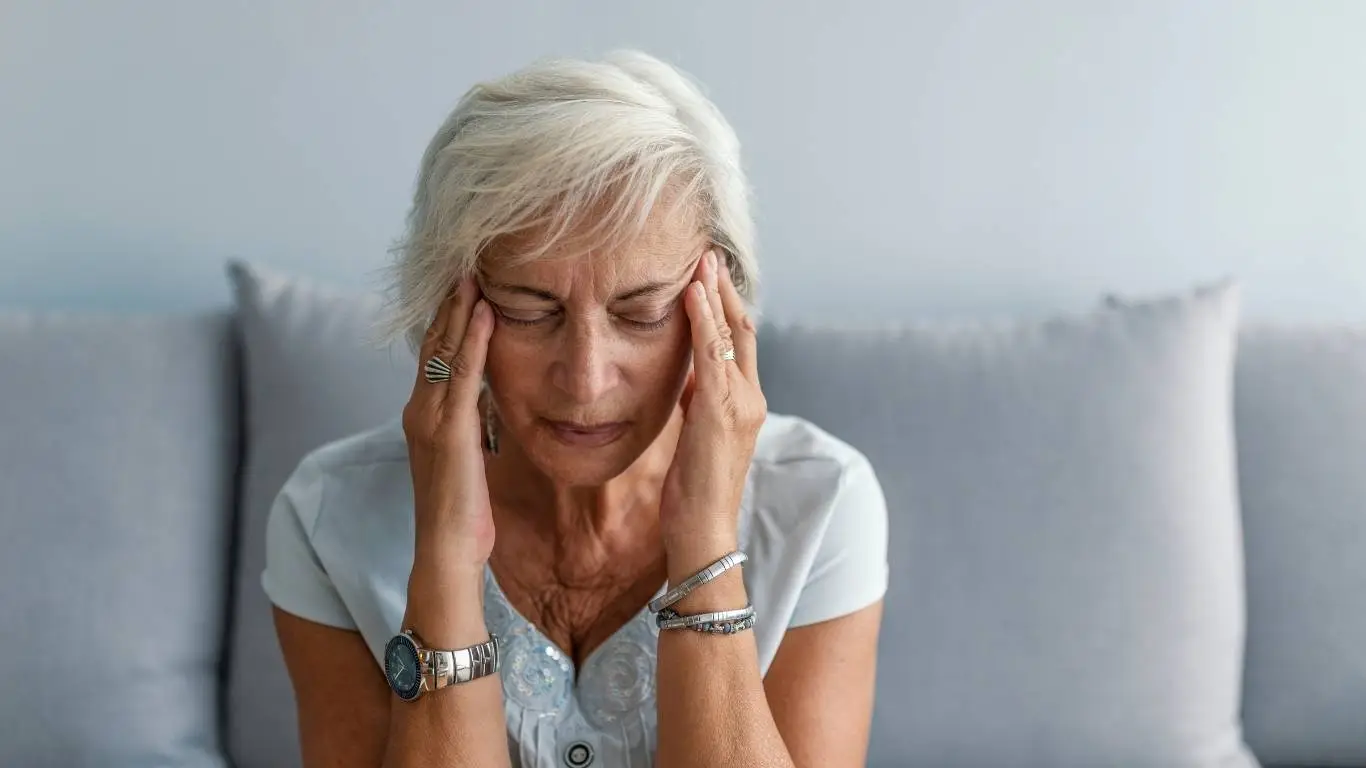
A migraine aura is a neurological disturbance that often (but not always) precedes a migraine headache. It’s like your brain’s warning signal. Most people associate migraines with pounding pain, but the aura phase? That’s where it gets tricky — and kind of surreal. Some of the most common aura symptoms include:
- Visual disturbances (flashing lights, shimmering lines, zigzag patterns)
- Numbness or tingling, usually on one side of the body
- Speech or language difficulties
- Muscle weakness or dizziness
According to Mayo Clinic, migraine auras typically develop gradually over 5 to 60 minutes and resolve within an hour. The most confusing part? The visual symptoms are often mistaken for something called an “optical aura.” But there’s a clear distinction once you know what to look for.
What Is an Optical Aura (or Ocular Migraine)?

Here’s the thing — an optical aura (often called an ocular migraine) is strictly a vision issue. It doesn’t come with the other neurological symptoms a migraine aura might have. The visual disruptions are similar — like flickering lights or blind spots — but they usually occur in one eye and don’t always lead to a headache afterward. That’s what threw me off at first. I kept waiting for the pain, but it never showed up.
Ocular migraines are believed to be linked to changes in blood flow in the retina or behind the eye. Some people report:
- Temporary blindness in one eye (yes, that’s as scary as it sounds)
- Scintillating scotomas — those glittering blind spots that move across your field of vision
- Visual fog or dimming
The American Migraine Foundation notes that ocular migraines can last from a few minutes up to half an hour. And yes — they’re typically harmless, but if it’s your first time, it’s still smart to rule out other eye or brain issues with a neurologist or ophthalmologist.
Key Differences Between Migraine Aura and Optical Aura

This is where we cut through the confusion. Let’s break it down in a quick, no-nonsense way:
- Location of Visual Symptoms:
- Migraine aura: affects both eyes, even if it seems like one — close one eye and the shapes are still there.
- Optical aura: one eye only. Close that eye and poof — the visual issue disappears.
- Associated Symptoms:
- Migraine aura: often includes speech issues, numbness, or even muscle weakness.
- Optical aura: visual symptoms only, no neurological drama.
- After Effects:
- Migraine aura: usually followed by a migraine headache — pounding, one-sided, and sometimes unbearable.
- Optical aura: may or may not be followed by a headache. Sometimes it’s just vision weirdness, and that’s it.
Want to know how to tell the difference on the spot? Try this trick: cover one eye when it starts. If the visuals vanish, you’re probably dealing with an optical issue. If they stick around, it’s more likely neurological — aka a migraine aura. Of course, professional diagnosis matters, and that’s not something you want to self-guess forever.
What Triggers These Auras?
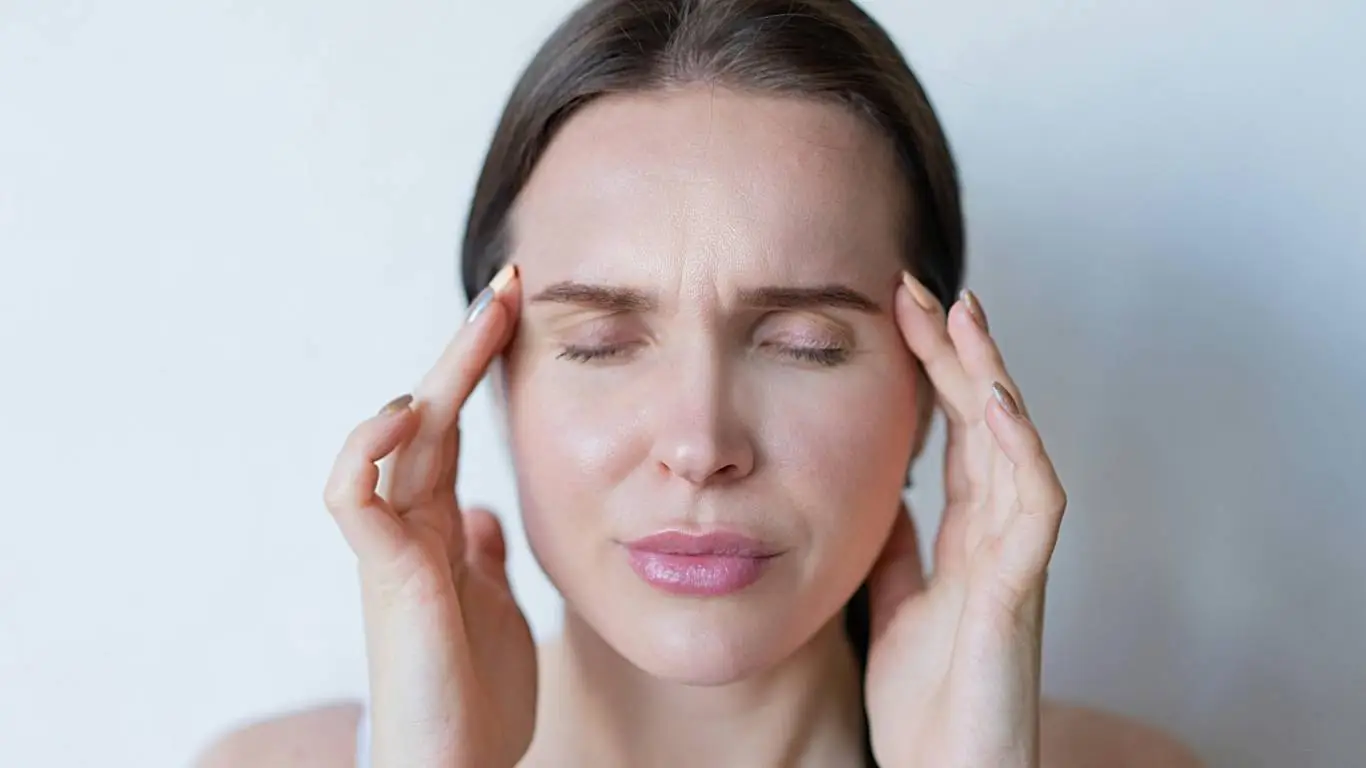
This is where it gets even more personal. Everyone has their own “migraine cocktail” of triggers. Mine? Bright lights, skipping meals, and (strangely) red wine. Here are some common culprits to watch out for:
- Changes in sleep patterns
- Hormonal shifts (especially around menstruation)
- Strong smells or bright/flickering lights
- Certain foods — aged cheese, chocolate, nitrates
- Stress — the classic migraine enemy
You can dive deeper into food triggers on this helpful guide that breaks it down better than any food diary I ever kept. You’ll also find some helpful lifestyle tips in their migraine prevention section if you’re ready to make a change.
When to Worry — and When Not To
Most auras — optical or migraine — are more annoying than dangerous. But there are exceptions. I always tell friends: If you’ve never had one before, or your aura is acting “different” than usual, see a doctor. If you’re experiencing:
- New or unusually severe aura symptoms
- Visual changes lasting longer than an hour
- Speech issues or weakness not resolving quickly
That’s your cue to call your doctor. Also, familiarize yourself with early warning signs — you’ll feel way more in control.
To go deeper into how migraines actually work, check out the full guide on understanding migraines. It really helped me connect the dots between my symptoms, brain chemistry, and everyday habits. For broader insights, the main migraine and headache hub has everything else you’d want to know.
Living With Aura: Managing Triggers and Minimizing Disruption
So now you know the difference between optical and migraine aura, but here’s where real life kicks in — living with them. I used to treat auras like mysterious clouds that just floated in and out of my week. These days, I treat them like signals from my body. It’s not about controlling everything, but understanding what I can influence — that’s been a game changer.
If you’ve never tracked your migraines, start today. Honestly, I thought it was a waste of time until I started seeing patterns: my worst episodes came after poor sleep or skipping meals. With a few tweaks, things got a lot more manageable. Tools like migraine diaries help organize what your brain doesn’t want to think about during an attack.
Quick Tips for Managing Aura Episodes
- Darken the Room: Sensitivity to light is real — especially with aura. A pair of blackout curtains and blue light glasses made a difference for me.
- Hydrate, Hydrate, Hydrate: I can’t emphasize this enough. Even slight dehydration can throw me into a visual storm.
- Rest Your Eyes: Step away from screens. Close your eyes. Don’t try to “push through” a visual aura. You won’t win that battle.
- Keep Rescue Meds Handy: If you’ve got a prescribed triptan or other migraine-specific drug, timing matters. Use it early, not when it’s already a full-blown monster.
- Practice Breathing or Meditation: Stress fuels the fire. A quick guided session helps me recalibrate mid-episode.
Want more guidance on how the pros handle this? The professional tips section dives into tricks even neurologists recommend. Some are surprisingly simple.
Treatments That Actually Help

Let’s get honest — treatment is not one-size-fits-all. What worked for me might not work for you, and vice versa. I’ve tried everything from magnesium supplements to prescription meds. It took time, but now I’ve got a mix that works.
Common Treatments for Migraine Aura
- Prescription medications: Triptans, anti-seizure meds, and CGRP inhibitors are common. You can read more about those here.
- Supplements: I personally found magnesium and riboflavin (Vitamin B2) helpful — but talk to your doctor first.
- Non-medication approaches: CBT, biofeedback, and acupuncture are gaining traction.
- Devices: Wearables like Cefaly and Nerivio — yes, they look strange, but many people swear by them. Check out the latest device reviews.
The key is layering your approach. A single solution rarely works. My current routine includes light therapy glasses, a magnesium supplement, and cutting out my afternoon caffeine. It’s boring but effective — and that’s a win in my book.
Can Aura Exist Without the Headache?
Short answer: yes. And it’s not uncommon. These are called silent migraines. They feature the full aura experience — visual disturbances, maybe even tingling — but no headache follows. I’ve had a few of these, and they’re weirdly disorienting. You brace for the pain, and it never arrives.
Even if there’s no pain, your brain is still signaling neurological changes. That means you should take them seriously and track them, just like the painful ones. Ignoring them isn’t doing your long-term health any favors.
The Role of Hormones and Sleep

One of the most surprising things I learned was how much hormones and sleep affect my aura patterns. Around my period, I’m more sensitive. If I’ve pulled an all-nighter? Forget it — I’ll see flashing lights by lunch.
Estrogen levels, cortisol spikes, melatonin disruptions — they all play a role in whether or not your neurons decide to throw a light show. If this sounds familiar, you’re not alone. Keeping sleep consistent and stress in check has drastically reduced my episodes. No magic required.
Is It Ever Something More Serious?

Okay — let’s address the elephant in the room. Visual disturbances can sometimes mean more than just a migraine. Retinal detachment, stroke, or a transient ischemic attack (mini-stroke) are all in the differential diagnosis list. It’s rare, but real.
According to Cleveland Clinic, you should seek emergency care if visual symptoms are sudden, intense, or come with permanent vision loss, slurred speech, or confusion. Especially if it’s your first aura — don’t play the guessing game.
For a more medical breakdown, here’s what neurologists look for when you walk in with migraine symptoms. Don’t worry — you’re not overreacting.
Practical Tools and Support That Make a Difference

Community helps. I didn’t realize how isolating migraine aura could feel until I joined a support group. Suddenly, I wasn’t weird — just another person with a hypersensitive brain. Online groups, apps, wearables — these things matter.
Also, don’t underestimate the value of a good pillow or room-darkening shades. Seriously. Little lifestyle tweaks create big ripple effects when you live with migraine aura. You’ll find practical advice in the tools and devices section that’s honestly better than hours of Reddit rabbit holes.
One thing I always recommend to friends: start with the big picture first. This deep dive into how migraines work gives a solid foundation. And if you want the main index of everything related to migraines and headaches, it’s all here at the main hub.

Bianca Nala is a compassionate Nurse Practitioner with a strong background in primary and respiratory care. As a health writer for Healthusias.com, she combines her clinical expertise with a talent for clear, relatable storytelling to help readers better understand their health. Bianca focuses on topics like asthma, COPD, chronic cough, and overall lung health, aiming to simplify complex medical topics without losing accuracy. Whether she’s treating patients or writing articles, Bianca is driven by a single goal: making quality healthcare knowledge accessible to everyone.