Understanding Familial Hemiplegic Migraine Non Pain Aura Symptoms and Triggers
I still remember the first time I heard the term familial hemiplegic migraine—I was sitting in a neurologist’s waiting room, clutching a folder of my aunt’s medical notes, wondering how a condition could mimic a stroke yet leave no lasting damage. Over the years, I’ve spoken with families, read research papers, and even helped a close friend navigate her early episodes. This perspective shapes how I approach the topic: not as a cold clinical definition, but as a lived reality many households quietly manage.
What Makes Familial Hemiplegic Migraine So Distinct?

Unlike the throbbing headache most people associate with migraines, familial hemiplegic migraine (FHM) often surprises by showing aura symptoms without pain. Families sometimes describe a sudden wave of numbness creeping down one side of the body, or a brief inability to find the right words mid-conversation. It can look frighteningly like a stroke, prompting urgent hospital visits before a doctor clarifies it’s a migraine variant.
FHM sits at the crossroads of neurology and genetics. Research confirms mutations in genes like ATP1A2, CACNA1A, and SCN1A disrupt how nerve cells handle ion channels. This abnormal signaling triggers a cascade of electrical changes across the brain’s cortex. It’s a rare subtype—yet its ripple effect within families is profound. Parents often notice similar aura episodes in siblings, uncles, or grandparents, hinting at a hereditary thread.
- Key distinction: unilateral weakness or tingling without persistent damage
- Prevalence: estimated fewer than 0.01% of the population
- Age of onset: commonly adolescence or early adulthood
For an accessible primer on how aura manifests, I often direct readers to migraine aura signs—a helpful overview when differentiating typical migraines from the hemiplegic subtype.
Why Some Auras Appear Without Pain

One of the stranger features I’ve seen in clinic is “silent” or pain-free attacks. A teenager might suddenly lose peripheral vision for twenty minutes yet never develop head pain. Neurologists believe this stems from a cortical spreading depression—a slow electrical wave that temporarily silences brain regions. If the pain pathways aren’t fully triggered, aura remains the sole symptom. Families sometimes dismiss these events as “just zoning out,” delaying recognition of a serious neurological signal.
Silence doesn’t mean harmless. During aura, people can experience:
- Sudden unilateral weakness—often mistaken for a mini-stroke
- Speech disturbance or “word salad” episodes
- Flashes of light, shimmering zigzags, or patchy vision loss
- Subtle confusion or slowed cognition lasting up to an hour
Readers who resonate with these symptoms may also appreciate silent migraine resources—it broadens understanding of aura-only presentations.
My Observations From Family Cases
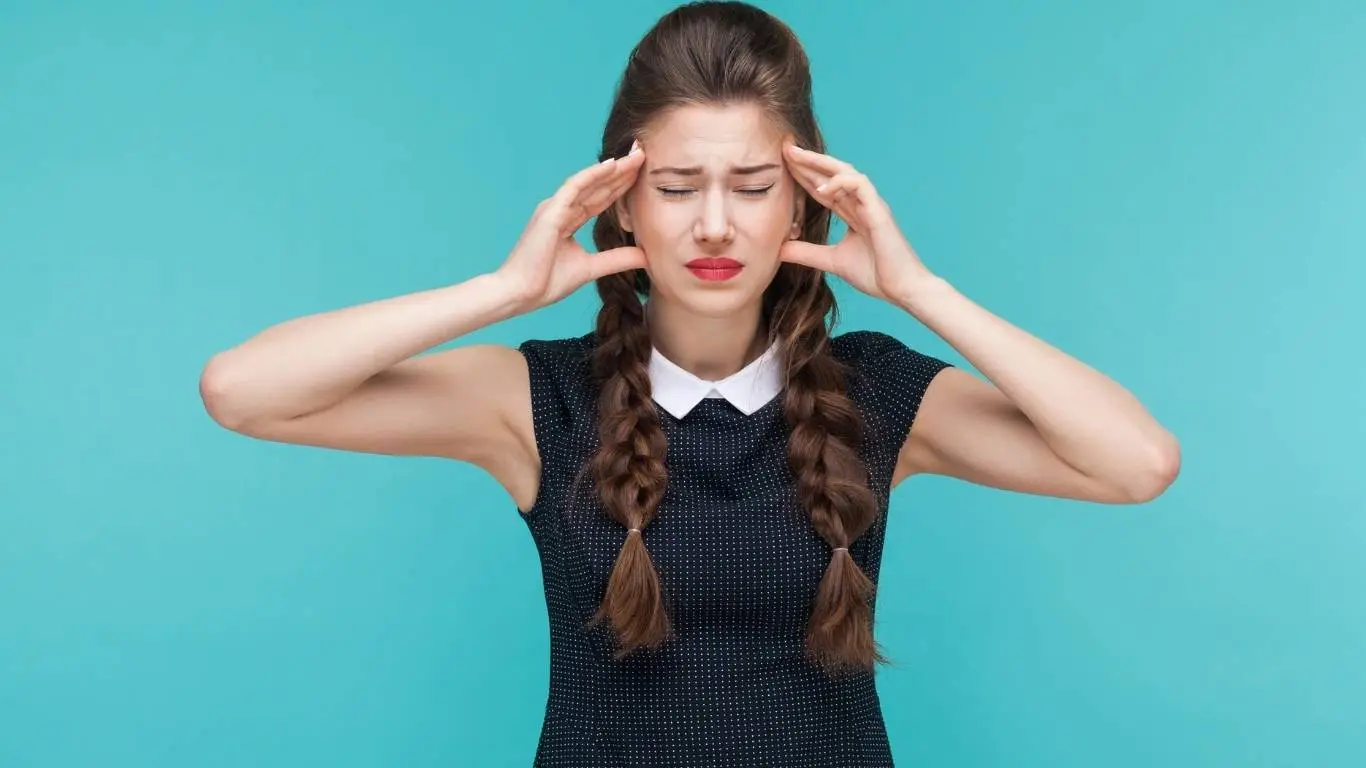
During a home visit last year, I sat with a family of three generations affected by FHM. The grandmother described her first episode at 16: her arm went numb, speech slurred, yet she felt no pain. Her daughter recalled similar episodes in college, panicking each time until genetic testing confirmed FHM. The teenage grandson now journals each episode, mapping triggers like dehydration or skipped meals. These personal stories underscore the need for early recognition and open family dialogue.
Patterns I often note:
- Genetic continuity: at least one close relative shares the trait
- Environmental overlap: similar stress levels, sleep cycles, and dietary habits can synchronize attacks
- Psychological impact: anxiety around stroke-like symptoms sometimes eclipses the migraine itself
Families who learn to document episodes—see this migraine diary guide—often feel empowered. Logging aura duration, triggers, and recovery time sharpens future care plans.
Current Thinking in Diagnosis

Diagnosis remains clinical, but neurologists increasingly leverage imaging to rule out stroke. MRI scans usually appear normal, though transient cortical swelling can occur during severe attacks. Genetic testing, while not routine, confirms mutations when family history and symptoms align. My own neurologist contact emphasizes a layered approach: “First, rule out vascular events; second, establish pattern; third, counsel the family.”
Diagnostic steps often include:
- Detailed history of attacks and family pedigree
- Neurological examination between episodes
- Brain MRI or CT during acute symptoms (if atypical)
- Optional genetic screening for ATP1A2, CACNA1A, SCN1A variants
For readers curious about the broader diagnostic framework, how migraines are diagnosed offers a practical primer. Complement this with the understanding migraines pillar, which anchors the fundamentals of migraine biology.
Balancing Knowledge With Reassurance

Living with familial hemiplegic migraine demands clarity. A doctor once reminded me, “Knowledge transforms fear into strategy.” I’ve witnessed patients breathe easier after grasping why an attack mimics stroke yet spares lasting harm. The key is nuanced education—dispelling myths while acknowledging genuine risk. Trusted resources like Mayo Clinic and NCBI offer peer-reviewed updates clinicians rely on, bridging patient insight with current science.
To explore migraine science more broadly, readers can visit the main migraine knowledge hub at healthusias.com/migraines-and-headaches, which connects all cornerstone topics—from pathophysiology to prevention tools.
When conversations turn to living well with familial hemiplegic migraine, the room usually shifts from fear to strategy. I’ve sat at kitchen tables with parents charting out school schedules for teens prone to aura, watched young professionals negotiate workplace accommodations, and seen grandparents coach grandchildren through the first shimmering zigzag of vision changes. This part of the story focuses on building resilience, prevention, and care—real life beyond the diagnosis.
Daily Habits That Make a Noticeable Difference
Patterns matter. I’ve seen families thrive by weaving stability into their routines. Regular sleep—not just hours, but consistent bed and wake times—keeps brain chemistry calmer. Balanced meals, steady hydration, and pacing caffeine intake often shrink attack frequency. Many neurologists point to a “migraine threshold”: lower stress and fewer physiological swings mean fewer sparks to ignite an episode.
- Hydration: aim for small, frequent sips throughout the day
- Steady meals: avoid long gaps that can drop blood sugar
- Screen breaks: 20-20-20 rule for digital eyestrain
- Gentle exercise: walking or yoga instead of high-impact bursts
Some of these adjustments echo broader migraine wisdom—readers may benefit from migraine prevention guidelines for a broader lifestyle framework. These choices build a safety net, especially for aura-prone families.
Recognizing and Managing Triggers

Triggers are deeply personal. One sibling may unravel after two nights of poor sleep, another after bright stadium lights. I’ve heard patients describe “storm sensitivity,” noticing aura when barometric pressure dips. While FHM has a strong genetic base, environmental nudges still matter. Keeping a journal remains my favorite low-tech solution—pair every attack with notes on sleep, meals, stress, and weather.
Common culprits worth tracking:
- Sudden caffeine withdrawal or overindulgence
- Prolonged screen glare—see screen time overuse for mitigation tips
- Skipped hydration during busy workdays
- Hormonal fluctuations in adolescents or adults
Because aura can be subtle, logging early signs is critical. A half-hour of tingling or scattered speech deserves as much attention as full-blown pain episodes.
Medication and Emerging Therapies
Most neurologists craft treatment plans around prevention and acute care. While pain may be minimal, severe aura still disrupts work and safety. Calcium channel blockers and low-dose anti-epileptic drugs occasionally stabilize neuronal firing. For breakthrough events, some clinicians use mild anti-inflammatory agents or tailored triptan strategies, though caution is warranted due to stroke-mimic overlap.
Newer biologic options, such as CGRP inhibitors, are under study for hemiplegic variants. Anecdotally, a friend in a clinical trial reported fewer aura days after three months, though larger studies are pending. I encourage families to discuss emerging therapies with specialists rather than adopting a one-size-fits-all approach.
Interested readers can explore migraine treatment resources for deeper dives into pharmacology and device-based approaches.
Practical Family Strategies

Because FHM tends to appear early, households adapt fast. Simple steps keep everyone grounded:
- Education: siblings, teachers, and coworkers understand the difference between aura and stroke
- Emergency plan: agreed steps if sudden weakness or speech slurring occurs in public
- Home environment: soft lighting, quiet retreat space during attacks
One family I counsel keeps a laminated “FHM card” in wallets explaining the condition—an invaluable tool when an episode strikes in crowded places. Peace of mind grows when everyone knows the drill.
Psychological Impact and Coping

Even without pain, aura can stir fear. Children may worry classmates will “think I’m weird.” Adults fear misinterpretation at work. I’ve seen great results from cognitive behavioral therapy—not because aura is imaginary, but because reframing anxiety improves quality of life. Support groups, whether local or online, normalize experiences and reduce isolation.
Coupling therapy with solid knowledge turns panic into preparedness. Articles like anxiety and migraines remind readers that emotional health directly influences neurological stability.
Building Long-Term Confidence

Resilience stems from partnership: a trusted neurologist, informed relatives, and a personal toolkit of coping strategies. Families who treat FHM as an information challenge—not a mystery—make smarter choices. Over the past decade, I’ve watched once-frightening aura become simply “the signal to pause.” That mindset frees energy for school, careers, and joy beyond the diagnosis.
Those eager to deepen their foundation can review the broader science at understanding migraines and connect it with the main knowledge hub healthusias.com/migraines-and-headaches. Evidence grows yearly, and informed families adapt fastest.
Above all, familial hemiplegic migraine is a journey—sometimes daunting, often enlightening. By weaving sound habits, clear education, and supportive networks, life with non-pain aura shifts from fear to familiarity, letting individuals reclaim the calm between episodes.

Bianca Nala is a compassionate Nurse Practitioner with a strong background in primary and respiratory care. As a health writer for Healthusias.com, she combines her clinical expertise with a talent for clear, relatable storytelling to help readers better understand their health. Bianca focuses on topics like asthma, COPD, chronic cough, and overall lung health, aiming to simplify complex medical topics without losing accuracy. Whether she’s treating patients or writing articles, Bianca is driven by a single goal: making quality healthcare knowledge accessible to everyone.