Headache vs Migraine in Children: How to Spot the Real Problem
Not long ago, my nephew—just 8 years old—complained that his head hurt “in the middle.” He wasn’t crying, but he definitely wasn’t okay either. As a parent, teacher, or even a babysitter, how do you really tell if a child is experiencing a simple headache or something more complicated like a migraine? The truth is, children don’t always have the words to describe what they’re going through. What feels like a normal school-related headache could be the early warning sign of pediatric migraine. This guide is built on experience, research, and a bit of trial and error—and I’m here to share what I’ve learned, both personally and professionally.
Understanding Headaches and Migraines in Children
How Common Are They?
You might be surprised to learn that up to 10% of school-aged children suffer from migraines. And when you include general headaches, the number shoots up even higher. According to NINDS, migraines are often underdiagnosed in kids because the symptoms are harder to spot or misinterpreted.
Kids often can’t express the complexity of their discomfort. Instead of saying “throbbing pain on one side of the head,” they may just say they feel sick or tired. This is one reason why understanding the difference is essential.
Key Differences Between a Headache and a Migraine in Children
- Duration: Headaches are usually short-lived. Migraines can last hours or even a couple of days.
- Location: Tension headaches feel like a tight band around the head. Migraines are often one-sided, but in kids, both sides can be affected.
- Symptoms: Migraines come with nausea, light sensitivity, sound sensitivity, and sometimes even visual disturbances. Headaches typically don’t.
For a deeper dive into migraine vs tension headache, this guide lays it all out clearly.
Signs Parents Shouldn’t Ignore

Red Flags That Point to a Migraine
Not every head pain is a migraine, but certain signs should grab your attention right away. When my nephew curled up on the couch, asking for the lights off and refusing food, that was the moment I knew we were dealing with more than a simple headache.
- Child avoids light or sound
- Complaints of stomach pain or nausea
- Sudden mood changes or irritability
- Blurred vision or seeing “sparkles”
- History of motion sickness
More rare but serious signs include fainting, balance issues, or temporary vision loss. If those occur, don’t wait—get professional medical advice immediately. You can also explore aura signs in migraines for children, which often appear before the pain sets in.
Why Children Experience Migraines
Common Pediatric Triggers
Kids are highly sensitive creatures—hormonal changes, sleep issues, skipped meals, and even school stress can all trigger a migraine. Some of the top pediatric migraine triggers include:
- Changes in sleep patterns or sleep deprivation
- Skipping meals or poor hydration
- Bright lights or loud noises
- Stress at school or home
- Certain foods—yes, even something like processed cheese or chocolate
To get a closer look at school and stress-related migraine triggers in children, this resource dives into causes that may surprise you.
When Genetics Come Into Play
Here’s a shocker: if one parent has migraines, there’s a 50% chance the child will develop them too. That number jumps if both parents suffer. Genes load the gun, but lifestyle often pulls the trigger.
Want to know more about the role of family history? The article on genetics and migraines gives you the full rundown.
How Kids Describe Migraine Pain
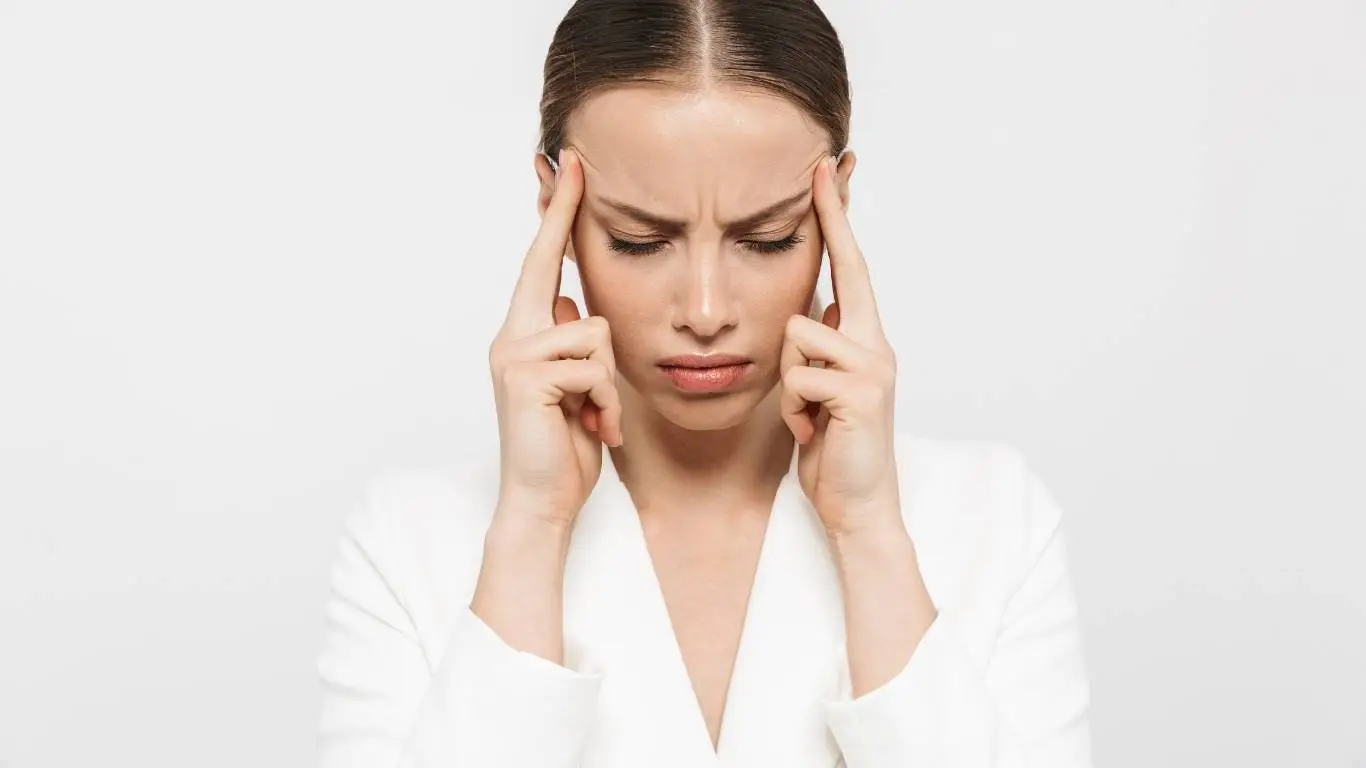
Common Phrases Kids Use
Children might not say, “I have a migraine,” but they may use phrases like:
- “My brain hurts”
- “Everything is too loud”
- “I feel like throwing up”
- “I want to lie down in the dark”
- “My eyes are acting funny”
It’s crucial to pay attention to behavioral changes. If your child is withdrawing, covering their eyes, or even just unusually quiet, it’s worth documenting. Use a migraine diary to help track symptoms and triggers over time.
Diagnosis Can Be Tricky

What to Expect at the Pediatrician
There’s no blood test for migraines. Diagnosis is usually clinical, based on symptoms, family history, and exclusion of other causes. That’s why being detailed with your child’s symptoms helps immensely. Bring your notes, explain behavior patterns, and advocate for a referral to a pediatric neurologist if needed.
To understand how doctors determine what’s really going on, see how migraines are diagnosed.
Helpful Tip
Sometimes, kids are misdiagnosed with sinus or tension headaches. If your child’s “sinus pain” keeps coming back and isn’t responding to allergy meds, explore migraine vs sinus headache differences—because they’re often confused.
Where to Learn More
To dive deeper into the subject of pediatric migraines and all their related aspects—from symptoms to treatment—this comprehensive resource on migraines in different populations is a must-read. You can also explore the broader picture in our main migraine and headache guide filled with expert-backed insights and strategies.
Managing Migraines in Children
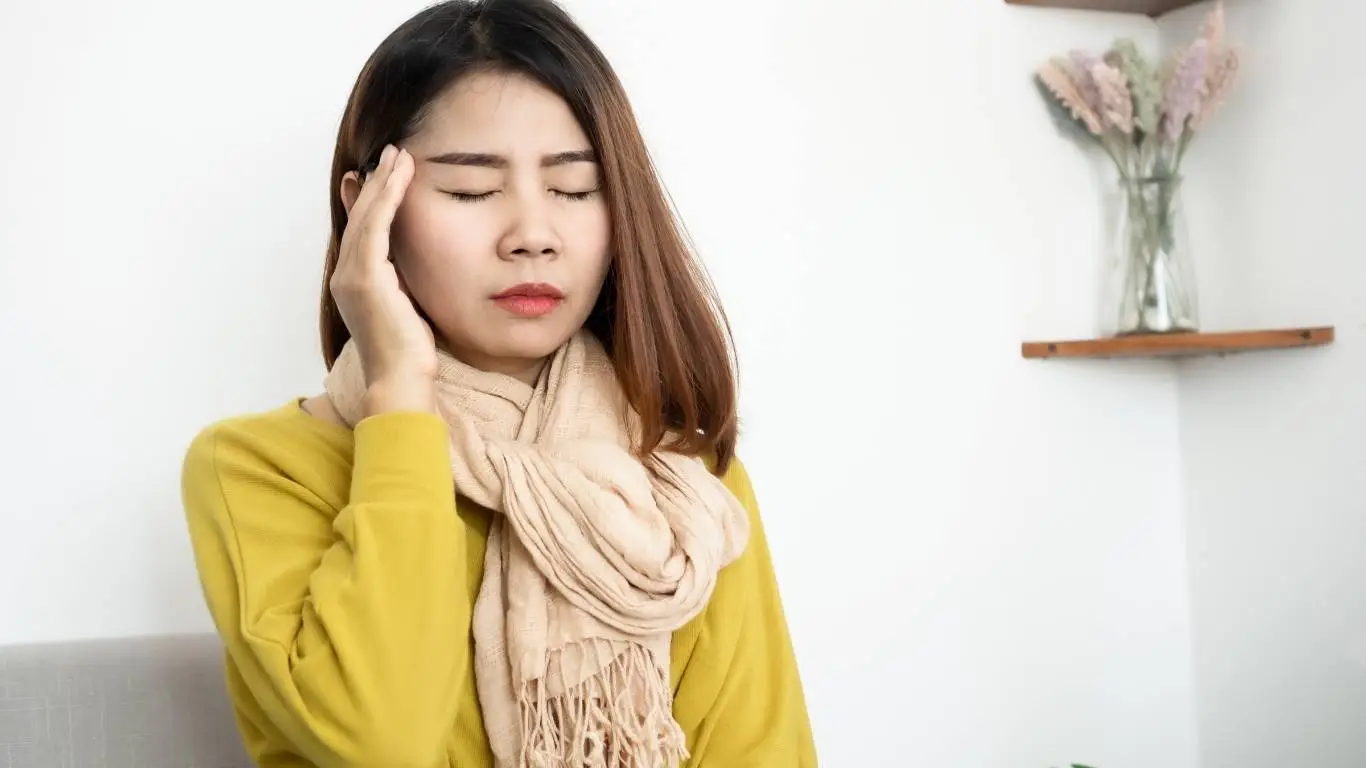
What Really Helps?
After trying a dozen “cures,” from warm compresses to avoiding cheese (yeah, that was a thing), I realized there’s no one-size-fits-all answer. What worked for my nephew was consistency—routine meals, solid sleep, and screen-time boundaries. But more than anything, he just needed to feel *heard*.
Here are some simple but effective strategies:
- Keep a routine: Kids thrive on it. Set bedtimes, mealtimes, and limit overstimulation.
- Hydration: Not just when they say they’re thirsty. Keep a water bottle nearby at all times.
- Sleep: Quality sleep is key. No screens at least an hour before bed. Trust me—it matters.
- Diet: Avoid known triggers. Certain snacks or artificial additives can sneak up on you.
- Track it: Using a migraine diary helps parents and doctors connect the dots.
What About Medications?
This is where it gets tricky. Most over-the-counter pain relievers like ibuprofen or acetaminophen can help, but only when used early—and not too often. Otherwise, you risk rebound headaches.
Sometimes, when episodes become more frequent or severe, pediatricians might prescribe medications like triptans or recommend preventive options. Explore more in our guide on prescription migraine treatments for a rundown of safe options for older children and teens.
Important to note: never self-prescribe. Always talk to your child’s healthcare provider, especially with strong medications.
Natural Remedies and Lifestyle Hacks That Actually Work

Gentle and Effective Approaches
Some days, medication isn’t even needed. There are moments where rest, a cool room, and the right sensory conditions are enough. For kids who prefer natural options—or for parents looking to reduce med load—here are some effective ideas:
- Essential oils: A dab of peppermint oil on the temples or lavender in a diffuser can ease tension.
- Yoga or guided breathing: My nephew does a simple “balloon breathing” exercise. Three deep breaths make a world of difference.
- Dietary supplements: Magnesium, vitamin B2, and CoQ10 are all known to help. Read more in this detailed vitamin guide.
- Cold compress: An old-school trick that still works. Just wrap a soft ice pack in cloth and rest it on the forehead.
Natural remedies often shine in the long run. You can also explore herbal remedies and calming techniques like yoga for migraine relief.
Support at School: A Hidden Challenge

Advocating for Your Child
One of the hardest places to manage migraines? School. It’s noisy, bright, and full of triggers. When migraines hit mid-math class, it’s not just uncomfortable—it’s disabling. Kids may be sent to the nurse, misjudged as moody, or even told to “tough it out.”
Here’s how to help:
- Communicate: Make sure the school knows your child has migraines. Provide documentation if needed.
- 504 Plan: In some countries like the U.S., this gives your child formal accommodations—like rest breaks, access to quiet rooms, and extended test time.
- Emergency kit: Keep meds, eye masks, and water in their backpack or with the school nurse.
More insights are available in our article on school-related migraine triggers and management.
Don’t Forget Emotional Health
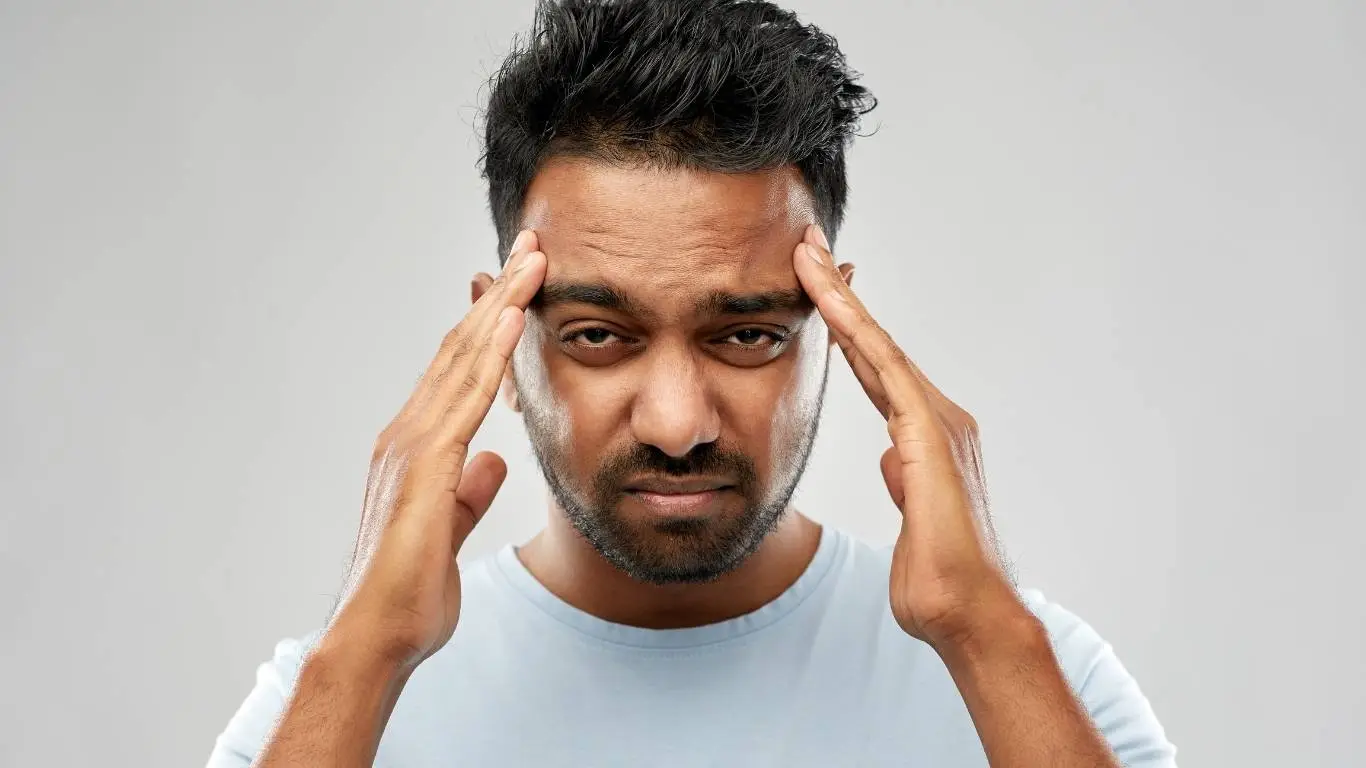
The Anxiety-Migraine Loop
Chronic pain affects more than the body—it can eat away at confidence, happiness, and even identity. I’ve seen firsthand how a child’s frequent migraines can lead to anxiety, and in some cases, depression. When a child starts worrying about the next migraine more than their next test or playdate, it’s time to pay attention.
Consider these signs:
- They stop participating in favorite activities
- Frequent “what if” questions about getting sick
- Trouble sleeping from worry
Incorporating emotional support, therapy, or mindfulness exercises is just as crucial as treating the pain. Visit our resource on anxiety and migraines to see how mental health is deeply connected to migraine frequency and intensity.
Devices and Tools for Pediatric Relief

Safe, Smart Technology
Technology isn’t all bad news. In fact, several devices have proven to be safe and effective for children with recurring migraines. We’ve had success using a wearable device that stimulates nerves in the forehead—completely non-invasive, and my nephew thinks it’s kind of cool.
Here are a few worth exploring:
Not all tools are suitable for every age group, so always consult your pediatric neurologist before investing.
Where to Continue Your Journey
If you’re navigating frequent headaches or migraines in your child, knowledge is your strongest ally. We recommend checking out this in-depth guide on migraine treatment options to help tailor your child’s care plan. For the big-picture approach on managing migraines in general, don’t miss our central resource at healthusias.com/migraines-and-headaches.

Bianca Nala is a compassionate Nurse Practitioner with a strong background in primary and respiratory care. As a health writer for Healthusias.com, she combines her clinical expertise with a talent for clear, relatable storytelling to help readers better understand their health. Bianca focuses on topics like asthma, COPD, chronic cough, and overall lung health, aiming to simplify complex medical topics without losing accuracy. Whether she’s treating patients or writing articles, Bianca is driven by a single goal: making quality healthcare knowledge accessible to everyone.