How to Track Migraine Auras for Early Relief and Fewer Attacks
If you’ve ever felt like your head was splitting open from the inside out, followed by strange flickering lights or even numbness in your arms—yeah, you’re not alone. I’ve had migraine auras show up when I least expected them. One moment I’m reading a book or cooking, and the next there’s this shimmering zig-zag in my vision that throws everything off. Tracking migraine auras can feel like solving a puzzle blindfolded, but doing it right can seriously change the game when it comes to managing migraine episodes.
Why You Should Be Tracking Migraine Auras

Tracking migraine auras isn’t just about being aware—it’s about gaining control. Auras are like the early warning system of your brain, and understanding their patterns can help you dodge a full-blown attack or at least soften the blow. From a medical standpoint, it helps doctors diagnose migraine with aura more accurately and distinguish it from other conditions like stroke or epilepsy. I remember thinking I was having a stroke the first time I experienced one. Not fun.
What Is a Migraine Aura, Really?
Auras are neurological disturbances that usually happen before the pain phase of a migraine. Think flashing lights, wavy lines, or even sudden confusion. Some people (like me) get visual auras that look like a cracked mirror. Others feel tingling, weakness, or have trouble speaking. Tracking which kind you experience is the first step toward better migraine management.
How Often Do Auras Happen?
Here’s the tricky part—they’re wildly unpredictable. Some people get them every time; others rarely. In my case, I might get a visual aura once every few months, even if I get migraines more frequently. Keeping tabs helps you see if there’s a pattern forming over time.
Best Tools to Track Migraine Auras
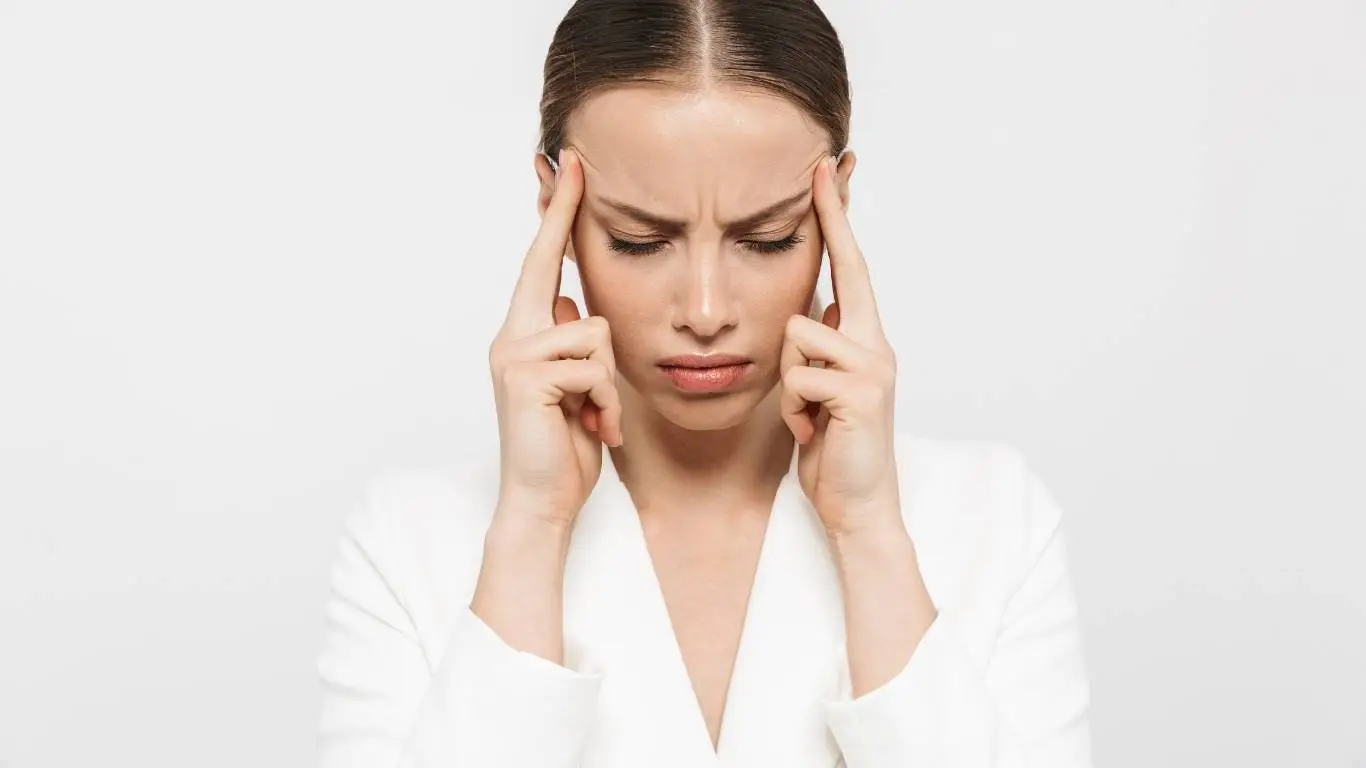
You don’t need a fancy medical setup to track auras. A good notebook or an app can go a long way. Personally, I started with a plain bullet journal, then moved on to using digital trackers.
Old-School Methods
- Notebook Journal: Write down time, duration, type of aura, and anything you ate or did beforehand.
- Paper Charts: Some people love visual aids like aura wheels or timeline sheets to map symptoms.
Digital Methods
- Migraine tracking apps make data collection easier, with reminders and charts.
- Smartwatches are now being used to detect early warning signs, especially changes in heart rate or sleep patterns. You can explore some tools in our wearable migraine tech review.
Consistency is key. Even if you miss a day or two, just pick it up again. The more data you gather, the better insights you get into your own migraine cycle.
Key Symptoms to Track During Auras
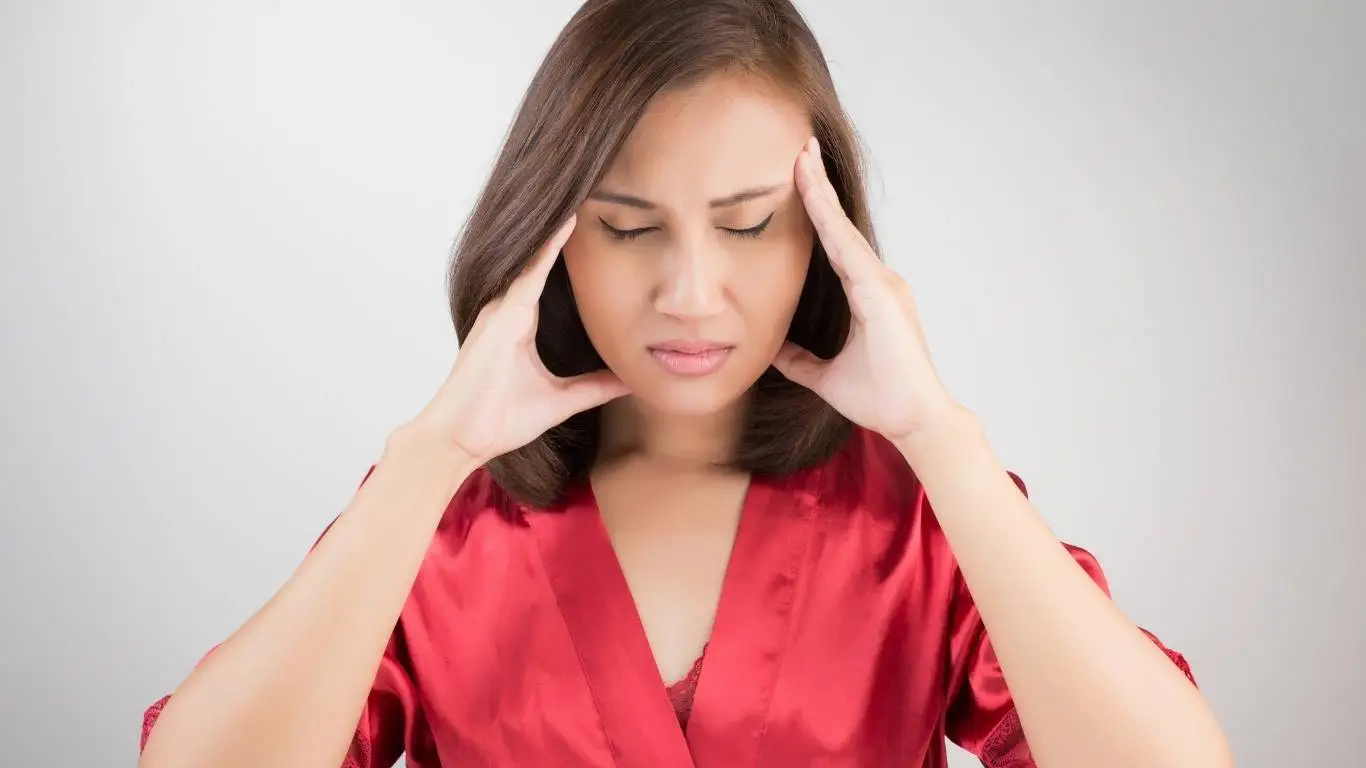
Here’s what I usually jot down when an aura strikes (or even after it fades):
- Start Time: When did it begin?
- Duration: How long did it last?
- Type of Aura: Visual, sensory, speech, or motor?
- Specific Symptoms: Flashing lights? Numbness? Trouble forming words?
- Emotional State: Were you stressed? Anxious? Calm?
- Food/Drink Intake: Especially caffeine, cheese, chocolate, or skipped meals.
- Environment: Bright lights? Noisy places? Weather changes?
Doing this consistently helped me identify my unique triggers. For instance, I realized that sleeping in on weekends messed with my schedule enough to spark an aura. No joke—sleep is a huge factor. This is backed up by migraine specialists who emphasize tracking sleep and migraine correlation.
Common Triggers That Precede Auras

Triggers vary from person to person, but some culprits appear over and over again:
- Stress: Probably the #1 trigger. If you’re always running on adrenaline, your brain might protest with an aura.
- Hormonal changes: Especially for women during menstruation or pregnancy. More on this at hormonal migraine triggers.
- Weather changes: Barometric pressure drops are like kryptonite for some people. You can read more in this article.
- Sleep Disruptions: Too much, too little, or irregular patterns.
- Food and Drink: Aged cheese, wine, chocolate, MSG—classic triggers. Check out our guide on migraine-triggering foods.
According to data from https://www.cdc.gov and https://www.mayoclinic.org, lifestyle management is as critical as medication for long-term migraine control.
How Doctors Use Aura Tracking to Tailor Treatment

When I finally brought my tracking log to a neurologist, everything changed. Instead of just throwing meds at me, they tailored a treatment plan. They noticed my symptoms aligned with classic migraine with aura and helped me avoid unnecessary tests. Medical professionals often use your notes to distinguish between different types of migraines, or even spot warning signs for rare but serious conditions like hemiplegic migraine.
This also helps when evaluating the effectiveness of treatment. If a new medication or lifestyle tweak doesn’t reduce the frequency of your auras, that’s important feedback. For some, it might mean trying prescription migraine drugs or newer options like CGRP inhibitors.
For a deeper understanding of migraine triggers and patterns, you might want to explore our Migraine Triggers Guide, and don’t forget to visit the main overview at Healthusias Migraine & Headache Hub for everything you need.
What Happens After the Aura? Tracking the Post-Aura Phase

One thing I wish someone had told me earlier—migraine auras aren’t always followed by pain. Sometimes, the aura itself is the whole show, which can make you feel like you’re losing it for no reason. Other times, it’s just the opening act for hours (or even days) of misery. Tracking what happens after the aura helps you determine how often your auras lead to full migraines. It’s also a way to check how treatments or lifestyle changes affect the next stages.
Post-Aura Details to Record
- Did the pain start? If yes, how soon after the aura?
- Where was the pain located? One side of the head? Behind the eye?
- What type of pain? Pulsating? Pressing? Dull or stabbing?
- Other symptoms: Nausea, dizziness, light or sound sensitivity?
- How long did it all last? The whole episode from aura to recovery?
This data becomes super valuable over time, especially when discussing options like Botox treatment or exploring cognitive behavioral therapy (CBT) for chronic migraine management.
Patterns Worth Watching

When you start looking at your data after a few weeks or months, you’ll probably notice a few patterns. Maybe your auras are tied to hormonal fluctuations or start showing up after particularly bad sleep. I realized mine had a monthly rhythm, almost synced with my cycle—not cool, but useful to know.
Common Aura Patterns
- Time of day: Morning auras vs. evening ones can hint at different triggers.
- Frequency: Are they increasing? Decreasing? Totally random?
- Post-aura symptoms: Some people get fatigue or “brain fog” instead of pain. Worth tracking!
If your auras are changing in character or frequency—getting stronger, lasting longer, or happening without any pain—you should definitely loop your doctor in. Conditions like silent migraine or even abdominal migraine may be at play.
Using a Migraine Diary Effectively

A lot of people start strong with tracking but give up after a week. I get it—life gets busy. But here’s a tip: Don’t aim for perfection. Even a simple log of a few lines a day can reveal what’s working and what’s not. There’s even a step-by-step guide on keeping a migraine diary that helped me tons: Migraine Diary Guide.
Tips for Consistent Tracking
- Set a daily reminder—morning or night, whenever your brain is still functional.
- Use voice notes if writing feels like too much during an episode.
- Don’t aim to track everything—just focus on the essentials.
- Print out a weekly log sheet and stick it on your fridge or bathroom mirror.
Over time, I started noticing how hydration, caffeine intake, and even lighting in my home affected my aura frequency. You’d be surprised how the little stuff matters.
When Tracking Leads to Better Treatment

Once I had a few months of logs, my treatment plan started making actual sense. My neurologist saw that certain medications weren’t helping as much as we thought, and we switched to something more targeted. For many, that might mean trying over-the-counter options first, then moving to prescribed drugs or even preventive options like acupuncture or biofeedback therapy.
It’s also how I discovered my migraines weren’t random—they were *predictable.* And once I got ahead of them, I was able to work, travel, and live without that constant fear hanging over me. One especially helpful guide for creating a personalized prevention plan is this Migraine Prevention Resource.
Helpful Devices and Lifestyle Hacks

I’m not really a gadget person, but I swear by a few tools that helped make aura tracking and migraine prevention easier. Some wearables can help you monitor triggers in real-time, like sleep cycles or environmental changes. If you’re curious about what’s out there, check out our roundup of top migraine relief devices.
Other Practical Hacks
- Blue-light glasses: Total lifesaver if screens make your aura worse. More on that here.
- Hydration habits: I started keeping a huge water bottle on my desk and immediately saw improvements.
- Magnesium supplements: Talk to your doctor, but this worked wonders for me. See how magnesium helps.
The great part? These changes aren’t massive overhauls—they’re small tweaks with big payoffs.
Get the Bigger Picture

Understanding and tracking migraine auras isn’t about becoming obsessed with every little headache—it’s about finding your rhythm. What’s normal for me might not be for you. The point is to gather enough clues so you’re not blindsided every time your brain decides to throw a light show.
Need a deeper dive into the full migraine landscape, from symptoms to treatment plans? This Understanding Migraines guide is where you want to go. Or check out the main Healthusias Migraine Hub to explore the whole spectrum.

Bianca Nala is a compassionate Nurse Practitioner with a strong background in primary and respiratory care. As a health writer for Healthusias.com, she combines her clinical expertise with a talent for clear, relatable storytelling to help readers better understand their health. Bianca focuses on topics like asthma, COPD, chronic cough, and overall lung health, aiming to simplify complex medical topics without losing accuracy. Whether she’s treating patients or writing articles, Bianca is driven by a single goal: making quality healthcare knowledge accessible to everyone.