How LED Headlight Glare Triggers Migraines And Ways To Stop It
If you’ve ever been driving at night and felt that sharp, stabbing pain start behind your eyes, you’re not alone. I remember one evening, coming back from a late grocery run, a car with those blinding LED headlights came straight at me. The moment the glare hit, I felt it — the telltale pulse of a migraine creeping in. It’s not just “light sensitivity”; this is something else. Let’s get real about how LED headlight glare can trigger migraines and what you can actually do about it.
Why LED Headlights Are a Nightmare for Migraine Sufferers

Modern cars boast those super-bright, energy-efficient LED headlights. Sure, they look sleek and futuristic, but for people like us who deal with migraines, they’re practically weaponized light beams. The intensity of LED lights, combined with their high color temperature, can overstimulate the visual cortex. For many, that’s a direct ticket to migraine city.
According to American Academy of Ophthalmology, the blue-rich spectrum of LED lights scatters more in the human eye, which increases glare — especially during night driving. Now, imagine that scattering effect on a brain already prone to migraines. Yeah, not good.
But why does this glare hit some people harder than others?
Well, it comes down to neurological sensitivity. If you’ve got a history of migraine with aura or chronic migraine episodes, your brain’s threshold for light-triggered overstimulation is way lower than others.
The Science Behind LED Glare and Migraine Onset

Here’s where things get geeky (but it’s important). LED lights emit light in a very narrow wavelength, often in spikes, which doesn’t happen with traditional halogen bulbs. This spiked emission creates intense points of brightness — that harsh, piercing effect we feel as glare.
For migraine-prone brains, these spikes cause photic stimulation that can lead to cortical spreading depression (CSD), a key process in migraine initiation. A study published by the National Library of Medicine explains how such overstimulation alters neurotransmitter release, triggering migraine attacks.
Common Symptoms When Exposed to LED Glare
- Sharp throbbing headache starting behind the eyes
- Visual disturbances (blurry vision, spots, or halo effects)
- Extreme light sensitivity even after exposure
- Nausea and dizziness during or after driving
- Neck and shoulder tension escalating into migraine
It’s not just about the headache; the whole body reacts. You may also experience symptoms like migraine dizziness or even aura symptoms, making night driving genuinely dangerous.
Real-World Coping Strategies That Actually Help
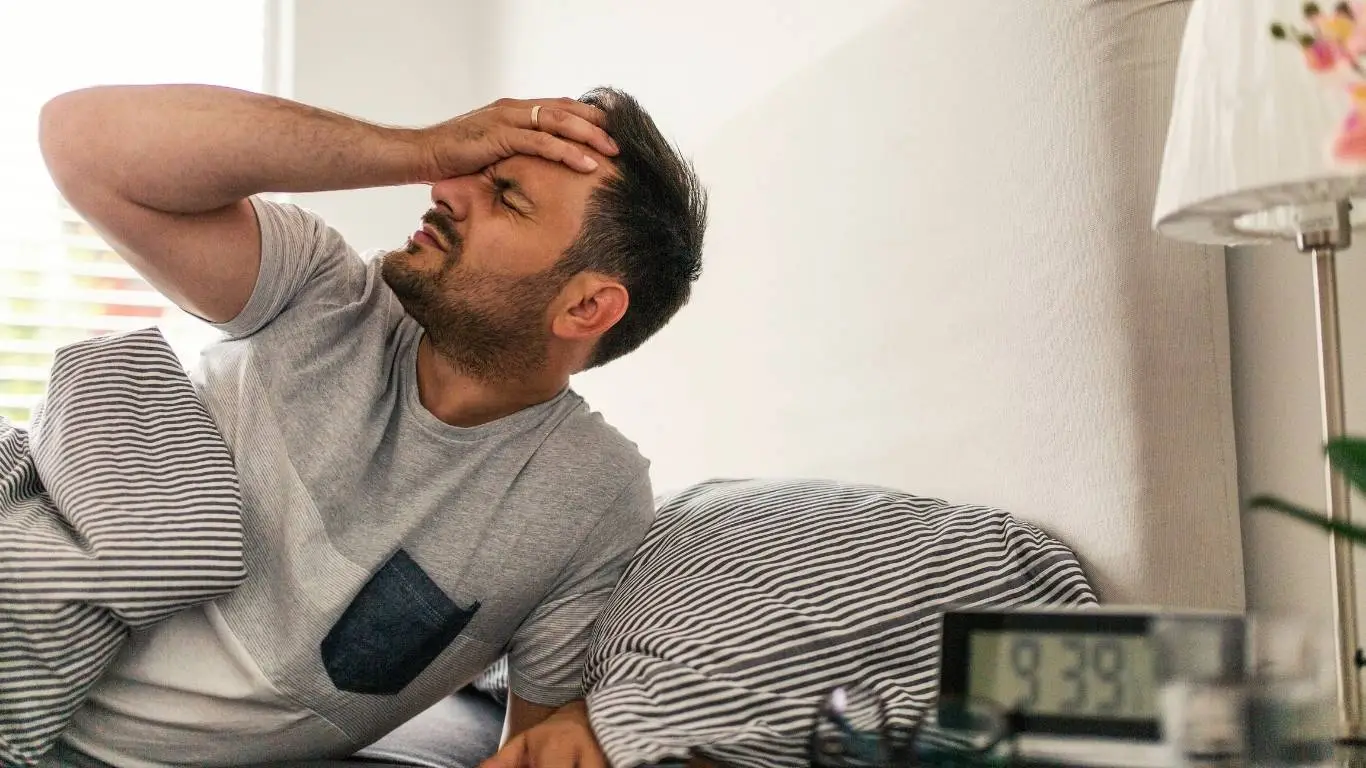
After countless nights battling the onslaught of headlight glare, I’ve curated a set of practical hacks that make a noticeable difference. Some of these are game-changers, not the usual “just wear sunglasses” advice you see on forums.
Anti-Glare Driving Glasses
Invest in a good pair of polarized, anti-reflective coated driving glasses. They don’t just block light; they reduce the scattering effect, which is the real culprit. Look for lenses with a slight amber tint — they help filter out the blue-light spikes from LEDs.
Use the “Night Mode” Adjustments in Your Car
Modern vehicles come with dashboard dimmers and auto-dimming mirrors. Max these settings out. The less internal reflection, the easier it is on your visual system. Pro tip: keep your windshield spotless. Even slight smudges amplify glare at night.
Route Planning to Avoid High-Glare Roads
Sounds tedious, but planning routes that avoid poorly lit highways or heavy traffic areas where LED-heavy SUVs dominate is worth the hassle. I usually pick side roads even if it adds 10 minutes to my trip — my brain thanks me for it.
Try Using Tinted Rearview Mirror Film
This is a small hack that’s surprisingly effective. Apply a light anti-glare tint film to your rearview mirror to cut down the glare from vehicles behind you. I’ve been using it for months, and it’s made night driving tolerable again.
When Glare Exposure Becomes a Health Hazard
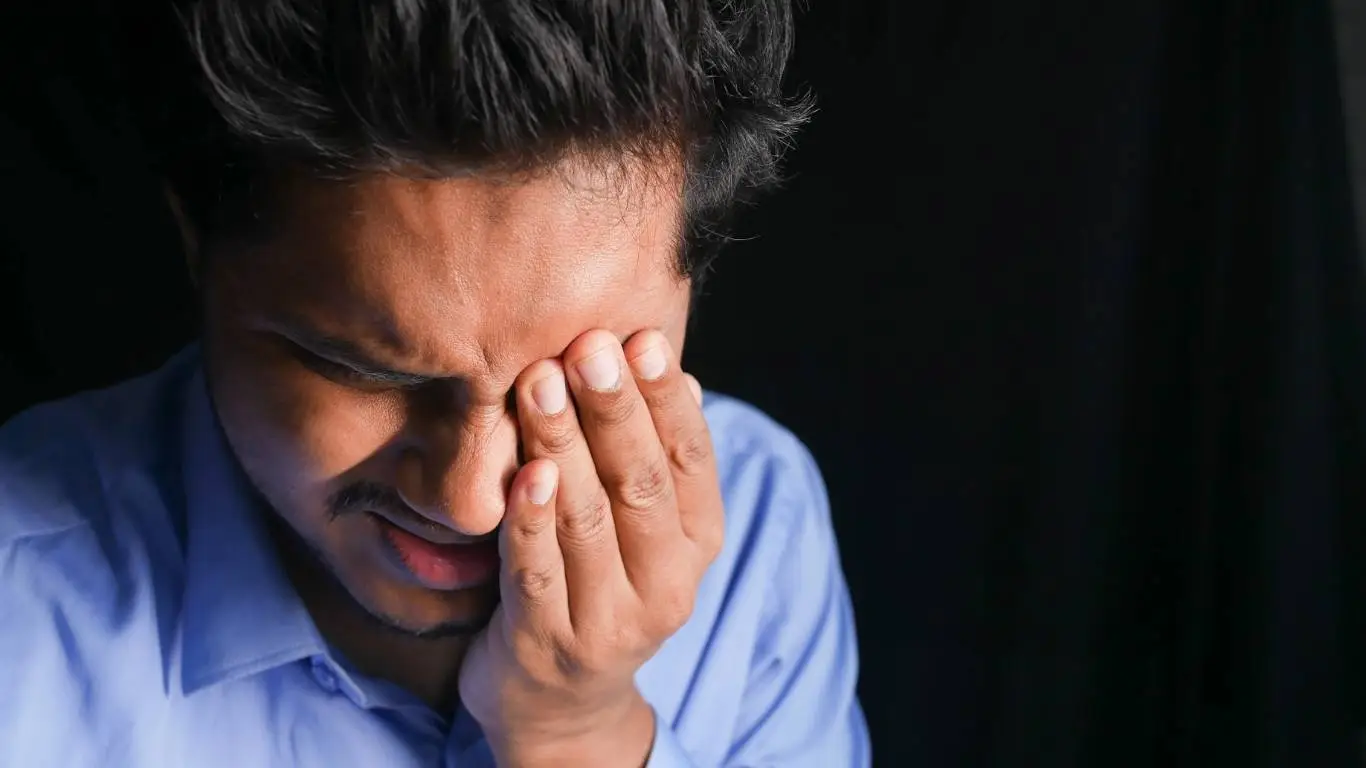
There’s a fine line between mild discomfort and a full-on migraine attack. If LED glare exposure is consistently causing migraines that last for hours or ruin your next day, you need to look at it as a genuine health trigger — not just a minor inconvenience.
In such cases, it’s crucial to track the frequency and severity of your attacks. A migraine diary can help establish patterns and give you solid data when discussing the issue with a neurologist. You’d be surprised how many people overlook this simple yet effective tool.
If you’re interested in understanding more about identifying and managing triggers, this resource on migraine triggers is incredibly detailed and practical.
Also, for a comprehensive overview of migraine conditions and their complexities, don’t miss the main guide on Migraines and Headaches. It’s a solid foundation if you’re trying to get a holistic handle on your migraine journey.
Long-Term Solutions to Manage LED Headlight Glare-Induced Migraines

After dealing with this issue for years, I realized that quick fixes like glasses and mirror adjustments can only take you so far. For long-term relief, you need a strategy that tackles both the environmental triggers and your body’s sensitivity to them. It’s not just about avoiding the glare; it’s about increasing your threshold against these visual assaults.
Upgrade to a Glare-Reducing Windshield Film
This is a game-changer. Automotive-grade anti-glare films can be applied to your windshield to significantly reduce external light scatter. It’s not cheap, but if you’re serious about minimizing nighttime migraine triggers, it’s worth the investment. After I had this installed, night driving became far less dreadful.
Switching Driving Schedules When Possible
I know it sounds simple, but consciously planning errands and commutes during daylight hours can drastically reduce exposure to headlight glare. If you’re someone who gets migraines from even brief LED glare exposure, this small habit change can save you multiple migraine days per month.
Blue Light Filter Contact Lenses
If you wear contacts, look into specialized lenses that incorporate blue-light blocking technology. While they’re primarily marketed for screen use, they also help diffuse the harsh wavelengths from headlights. It’s subtle but can take the edge off that painful glare.
Preventative Care to Strengthen Light Tolerance

While it’s essential to control environmental factors, boosting your own resilience is just as important. Over time, I’ve built habits that increased my light tolerance — not to eliminate migraines entirely but to reduce how often and how severely they hit.
Consistent Sleep and Hydration Patterns
Two of the most underestimated factors that impact light sensitivity are sleep and hydration. Dehydration and irregular sleep mess with your neurological stability, making you more vulnerable to triggers like LED glare. I now make it a ritual to hydrate adequately before driving and maintain a fixed sleep routine.
Practicing Eye Relaxation Techniques
Simple eye exercises like palming (gently covering your eyes with warm hands for a few minutes) or near-far focusing can relax the optic nerves, reducing light-induced strain. I do this before heading out for evening drives, and it noticeably eases the initial light shock.
Supplements That Support Neurological Stability
Studies suggest that supplements like Magnesium and Riboflavin can improve migraine thresholds by stabilizing neurological excitability. You can read more about the role of magnesium in migraine prevention. I’ve been taking a combo of Magnesium Citrate and Vitamin B2 daily, and while it’s not a magic fix, it has reduced the frequency of attacks post-glare exposure.
Tools and Devices Designed for Migraine Sufferers

Technology isn’t all bad news for migraine sufferers. In fact, there are devices specifically designed to manage migraines that could be game-changers if glare-induced attacks are part of your life.
Wearable Neuromodulation Devices
Devices like Nerivio and Cefaly provide non-invasive stimulation to regulate brain activity and can be used during or before an attack. I keep a Cefaly device in my car, and if I feel an attack creeping in after glare exposure, a 20-minute session can sometimes stop the migraine in its tracks. If you’re curious, you can check out this detailed review of Cefaly for migraine relief.
Blue Light Glasses with Side Shields
Beyond standard blue light blockers, glasses with side shields can help prevent peripheral glare. These are particularly helpful for night driving on multi-lane highways where LED lights from adjacent vehicles hit you from the side angles.
When to Seek Professional Help

If LED glare-induced migraines are interfering with your daily life, it’s time to consult a neurologist who specializes in headaches. You might be a candidate for CGRP inhibitors or other preventative treatments designed for chronic migraine sufferers. This guide on when to see a neurologist for migraines is a must-read if you’re unsure about taking that step.
Building a Personalized Migraine Action Plan
A specialist can help create a plan that includes medications, lifestyle adjustments, and trigger management strategies. Don’t wait until migraines become a chronic disability — proactive management can save you from that exhausting cycle.
For an in-depth understanding of migraine treatment strategies, the pillar article on Migraine Treatment covers various therapeutic approaches from medications to natural remedies.

Bianca Nala is a compassionate Nurse Practitioner with a strong background in primary and respiratory care. As a health writer for Healthusias.com, she combines her clinical expertise with a talent for clear, relatable storytelling to help readers better understand their health. Bianca focuses on topics like asthma, COPD, chronic cough, and overall lung health, aiming to simplify complex medical topics without losing accuracy. Whether she’s treating patients or writing articles, Bianca is driven by a single goal: making quality healthcare knowledge accessible to everyone.