Best Massage Techniques For Migraine In Head That Really Work
When you’ve had one of those days where it feels like someone’s drumming inside your skull, you’ll try anything—trust me, I’ve been there. Migraines aren’t just headaches; they’re relentless, mood-ruining, productivity-killing monsters. While popping pills might be the go-to for many, I’ve found that *massage techniques for migraine in head* can work small wonders—without the side effects. Here’s everything I wish I knew earlier about how a few targeted strokes and pressure points could make that pain back off, even just a little.
Why Massage Helps with Migraine Relief
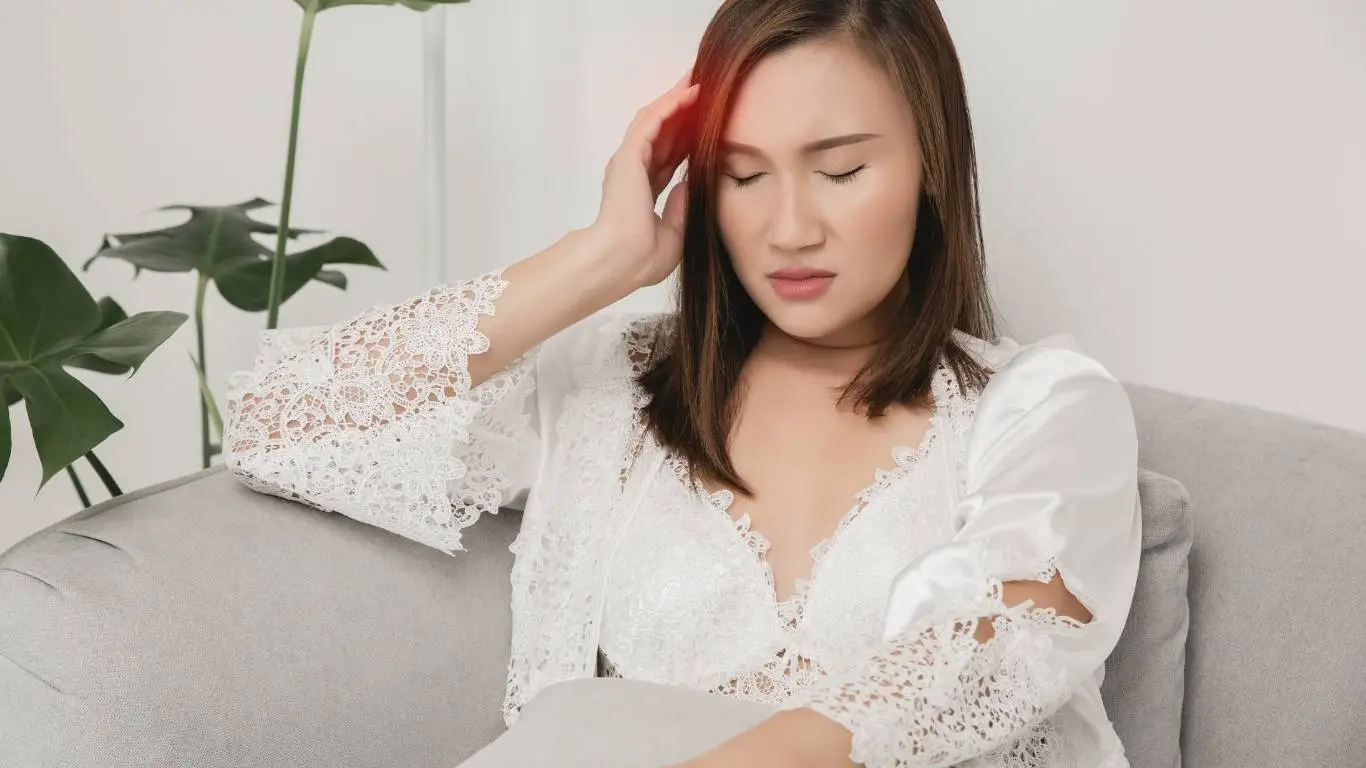
If you’re wondering whether a simple massage can really help with something as intense as a migraine, you’re not alone. I was skeptical too. But science—and my own stiff neck—convinced me otherwise.
- Increased blood flow: Massage improves circulation, which helps oxygen reach those throbbing areas in your head.
- Muscle relaxation: Especially the neck and shoulders, which often hold a lot of tension and trigger migraines.
- Stress relief: Less cortisol means fewer stress-induced migraines according to this guide.
Research backs it up too. According to ncbi.nlm.nih.gov, massage therapy can reduce the frequency, intensity, and duration of migraines. And honestly, just lying down for 10 minutes while someone massages your scalp is kind of amazing even without the science.
Key Massage Techniques That Actually Work
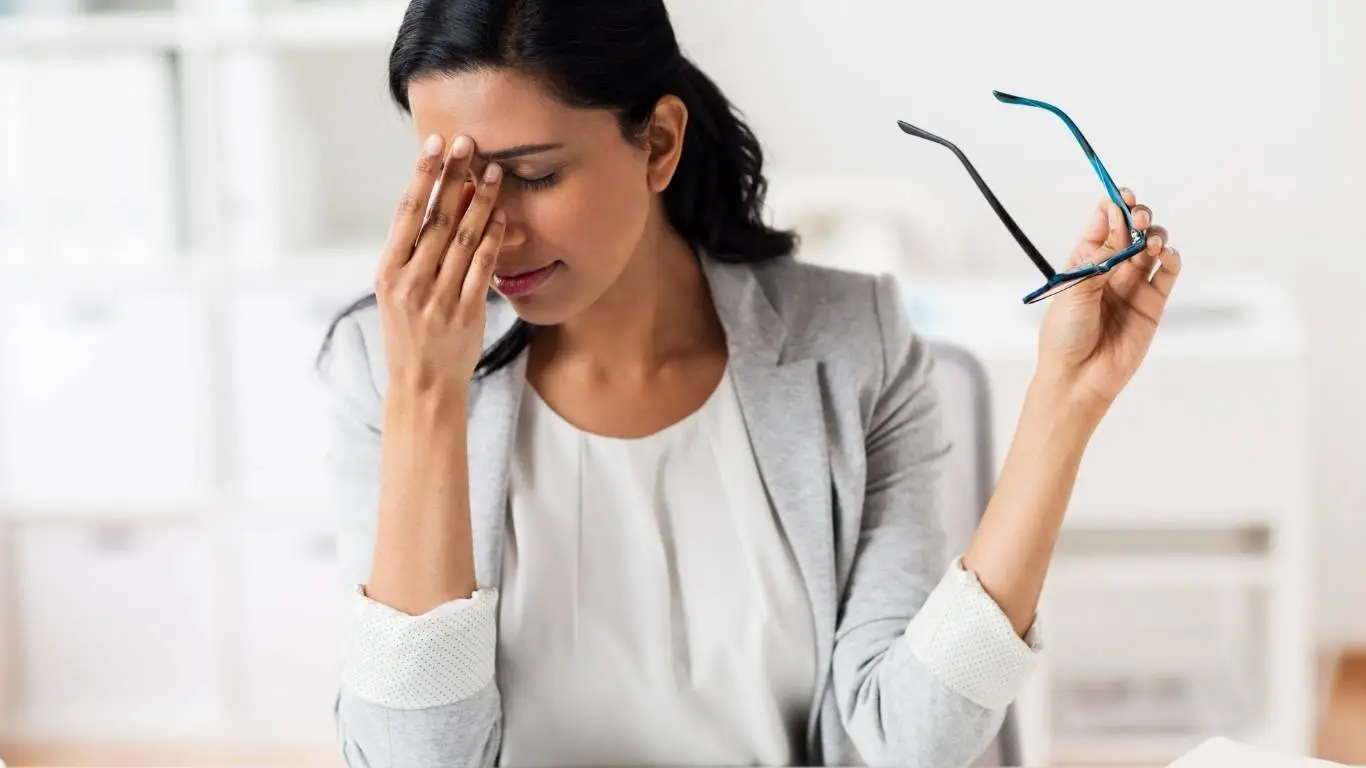
1. Circular Temple Massage
Use your index and middle fingers to apply gentle pressure in small circles on your temples. I usually do this with a drop of peppermint oil—it cools things down fast. Breathe deeply while doing it. It’s simple, and you can do it anywhere, even at your desk.
2. Occipital Pressure Release
This one is my favorite when I feel that deep, behind-the-eyes kind of migraine. Place your thumbs at the base of your skull, just above your neck, and press upward for 10 seconds, then release. Repeat several times. This taps into your occipital nerves, which are often the culprits behind headache pain.
3. Scalp Kneading
Think of it like washing your hair—only slower and more intentional. Use your fingertips to knead your scalp gently. It’s one of the easiest ways to relax your nervous system and reduce overall head pressure.
4. Neck and Shoulder Roll
Most of us hold a ton of tension here, especially if we’re hunched over screens all day. Take your hand and roll it over the opposite shoulder and neck in slow, firm strokes. You’ll be surprised how much this helps ease the intensity of a migraine—especially when combined with a proper sleep routine like this one.
5. Trigger Point Pressing
Some areas, like the spot between your thumb and index finger or the ridge above your eyebrows, act as pressure points. Pressing and holding them for 10-15 seconds might hurt a little but can release a lot of tension. A professional massage therapist can help find the exact pressure points tailored to your migraine patterns.
Self-Massage vs. Professional Help

I’ve tried both. Self-massage is great in the moment—especially when a migraine creeps up suddenly. But when they become more frequent or stubborn, I turn to a massage therapist trained in headache relief techniques. Bonus if they understand neurological migraine causes, which you can dive deeper into right here.
For chronic sufferers, some therapists specialize in neuromuscular therapy or craniosacral therapy. These techniques go deeper—literally—and can make a major difference if used consistently.
Essential Oils That Amplify the Effect
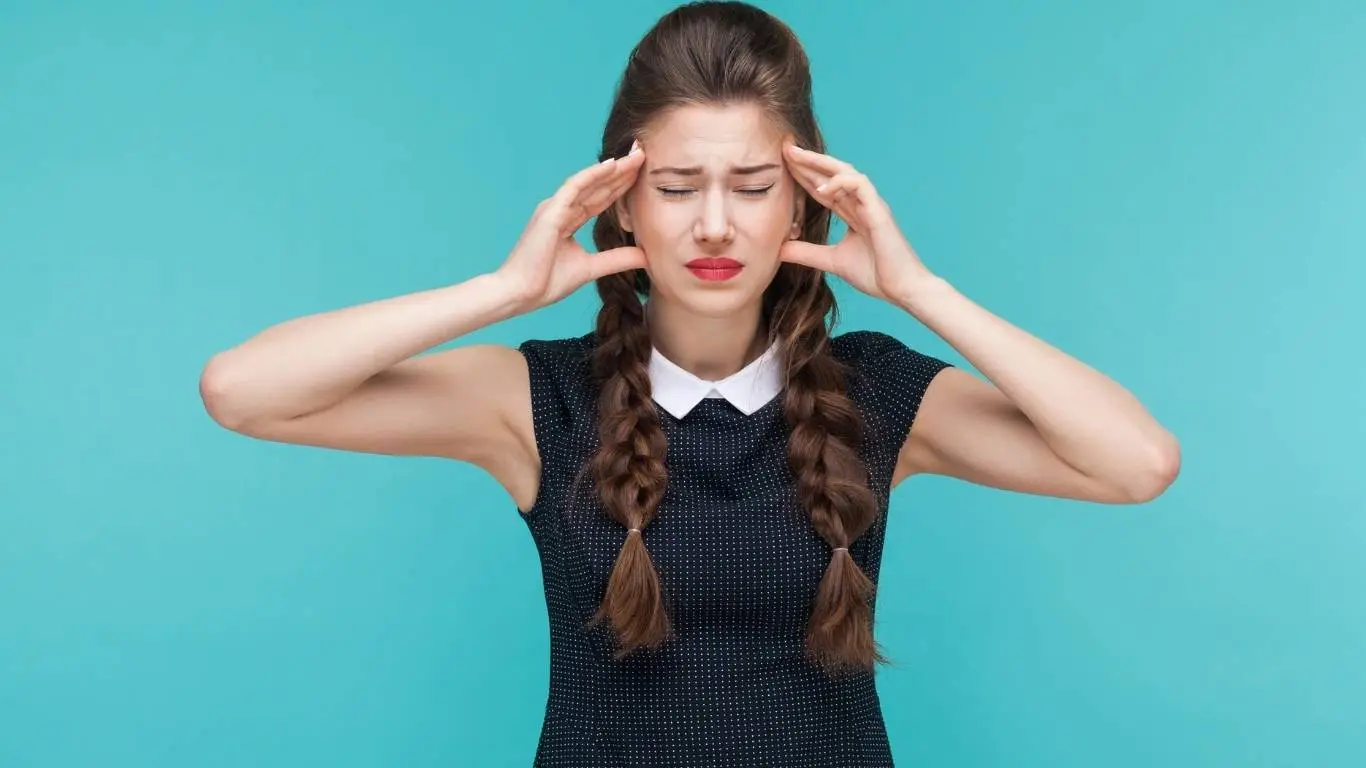
Adding the right essential oil to your massage can take things to another level. I keep a roller bottle in my bag at all times. A little peppermint or lavender goes a long way.
- Peppermint Oil: Cools and improves circulation. Great for temple and forehead massage.
- Lavender Oil: Calms the nervous system, helps with anxiety and sleep—two migraine triggers.
- Eucalyptus Oil: Opens up sinuses, especially helpful for migraine vs sinus headache issues.
Use a carrier oil like coconut or almond if you have sensitive skin. Trust me on that—one time I went straight peppermint and my skin wasn’t too thrilled.
When to Avoid Massage (Yep, Sometimes It’s a No-Go)

Let’s be real—massage isn’t always the answer. If you’re in the throes of a severe migraine, the kind where even a whisper feels like a jackhammer, massage might make it worse. I’ve learned the hard way: *don’t force it*. Wait until the peak passes, then try gentle techniques.
You should also skip massage if you’ve got neck injuries, recent trauma, or any kind of inflammation. And of course, consult a pro if your migraines are new or changing—check this guide on how migraines are diagnosed if you’re unsure.
For Long-Term Relief: Make It a Habit
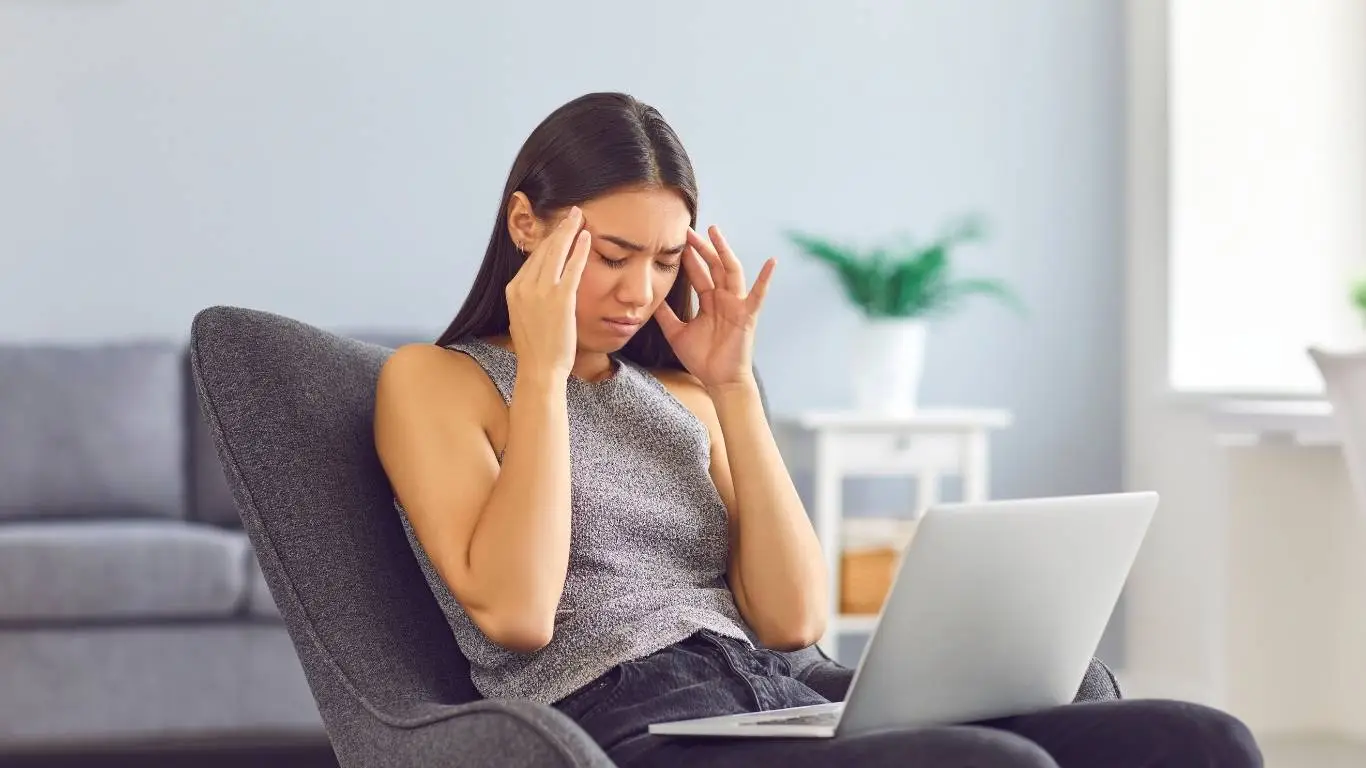
The thing about migraines is—they love to come back. That’s why massage isn’t a one-and-done fix. It works best when it becomes part of your weekly or daily self-care. Pair it with sleep hygiene, hydration, and food awareness (watch out for these migraine-triggering foods), and you’ll start to see real change.
For an even deeper dive into comprehensive migraine care, check out this pillar article on migraine treatment and don’t miss the broader overview at Healthusias’ migraine and headaches hub.
Other Hands-On Techniques That Complement Massage

So here’s the thing—I didn’t stop at massage alone. The more I learned about my migraines, the more I realized relief is a full-body effort. Certain hands-on therapies, when paired with massage, can offer even better, longer-lasting results.
Cold and Hot Therapy
There’s nothing like a cold pack on the back of the neck during a migraine. I sometimes alternate with heat on my shoulders. That contrast helps reduce blood vessel inflammation in the head while relaxing tense muscles lower down. If you haven’t tried this combo post-massage, it’s worth experimenting.
Acupressure
Similar to massage but focused on pressure points, acupressure can be incredibly effective. I’ve used it alongside massage for my temples, brows, and even between my thumb and index finger—right on the LI-4 point, which is known for pain relief. There’s a helpful guide on acupuncture for migraines that ties in well with this.
Chiropractic Adjustments
I was nervous about trying this, but for tension-related migraines, a skilled chiropractor can work magic—especially if posture or spinal alignment are part of your trigger mix. If you’ve never explored this, see this article on chiropractic migraine treatment.
When Massage Isn’t Enough: Combining With Medical Therapies

Let’s be honest—massage is a supportive therapy. It helps a lot, but it’s not always enough on its own. If your migraines are chronic or worsening, it might be time to consider medical options alongside your massage routine.
- Prescription medications: Triptans, CGRP inhibitors, or even Botox injections are common next steps. You can read more in this guide on migraine prescriptions.
- Over-the-counter options: Not all OTC meds are the same—learn more about which ones actually work here.
- Therapies like CBT: Cognitive behavioral therapy may sound like it’s for mental health only, but it’s been shown to reduce migraine frequency. I actually started combining it with weekly massages and saw a noticeable difference.
These aren’t replacements for massage—they’re additions. When used strategically, they can help manage migraines on multiple levels, from emotional triggers to neurological ones. If you’re wondering where to even start with formal care, this breakdown of seeing a neurologist for migraines is a good place to begin.
Creating a Personal Migraine Massage Toolkit
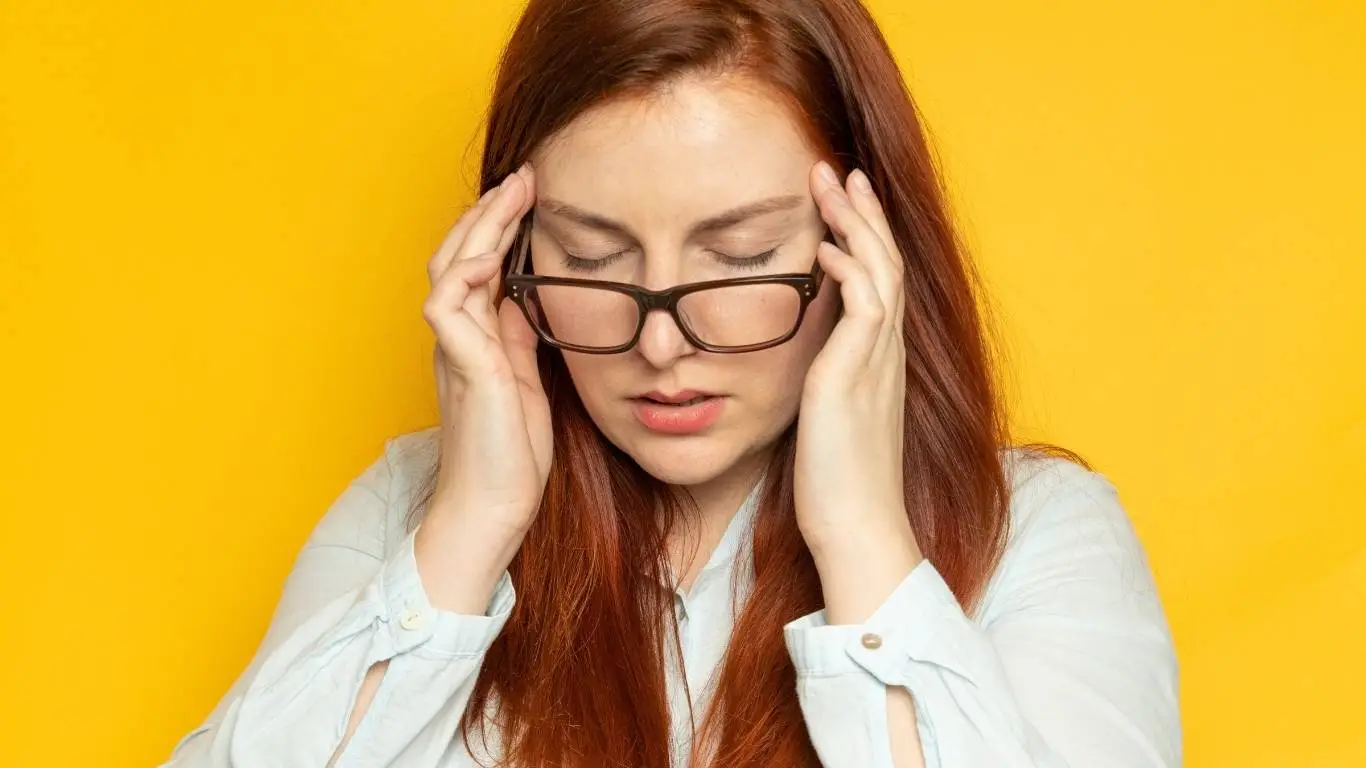
I didn’t have a clue what tools I needed at first—but now I’ve got a drawer full of migraine relief gear that I swear by. You don’t need to go overboard, but a few essentials will elevate your massage game.
- Essential oils: Peppermint, lavender, eucalyptus—rotated based on what I feel like that day.
- Massage ball or roller: Perfect for neck and upper shoulder work if you’re flying solo.
- Heat/cold packs: Reusable ones are better than the throwaways—eco-friendly and reliable.
- Scalp massager: One of those claw-like handheld tools—feels amazing during early migraine signs.
If you want to get fancy, there are also smart devices like Cefaly or wearable tech like Nerivio that combine nerve stimulation with convenience. I’ve dabbled in both and was surprised how effective they can be.
Habits That Reinforce the Benefits of Massage
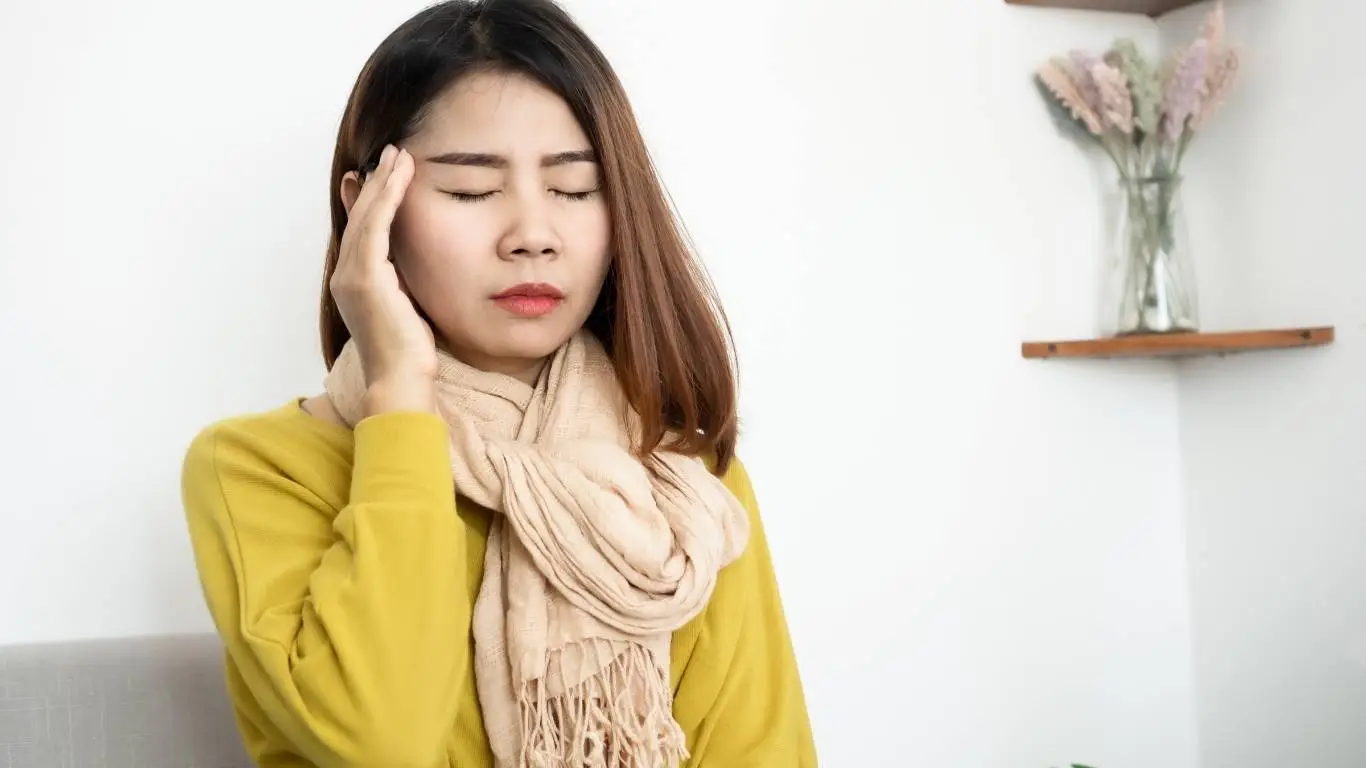
Massage helps in the moment—but if you’re not backing it up with smart lifestyle choices, you’re limiting its potential. Trust me, I had to learn this the long, painful way.
Hydration
I used to skip water and wonder why I had migraines. Turns out dehydration is a massive trigger. I now keep a big water bottle next to my bed and massage area. It’s the simplest fix that took me way too long to implement.
Nutrition
There are a lot of theories about food and migraines, but what I know for sure is some ingredients definitely trigger mine. You can start by identifying your own food sensitivities with a migraine diary. Also, including more magnesium-rich foods and omega-3s has helped me keep the pain at bay. There’s some great insight on migraine diet plans too.
Movement and Stretching
Massage works even better when your body is moving consistently. A short walk after a head massage, gentle neck rolls, or a bit of yoga for migraines can keep tension from building up again.
Quality Sleep
Massage relaxes your nervous system and sets you up for better sleep. But if you’re not maintaining a good sleep schedule, those benefits don’t last long. This guide on sleep positions for migraine relief might surprise you with how much they matter.
Staying Ahead of the Pain

The biggest change I made? Tracking everything. I now note when I massage, which techniques I use, how I slept, what I ate, and how my head feels. Over time, patterns emerge—and you can get ahead of migraines before they take over your day. If you’re serious about this, check out some of the migraine tracking apps that make this easy.
It’s not just about massage. It’s about building a system that works for your body. For me, that meant piecing together relief one step at a time—starting with my fingertips, a little peppermint oil, and a deep breath.
And if you’re just starting out, don’t forget to read through this comprehensive migraine prevention guide. You might be surprised how the smallest adjustments, paired with massage, can change the course of your day.

Bianca Nala is a compassionate Nurse Practitioner with a strong background in primary and respiratory care. As a health writer for Healthusias.com, she combines her clinical expertise with a talent for clear, relatable storytelling to help readers better understand their health. Bianca focuses on topics like asthma, COPD, chronic cough, and overall lung health, aiming to simplify complex medical topics without losing accuracy. Whether she’s treating patients or writing articles, Bianca is driven by a single goal: making quality healthcare knowledge accessible to everyone.