How Migraine And Estrogen Fluctuation Disrupt Daily Life
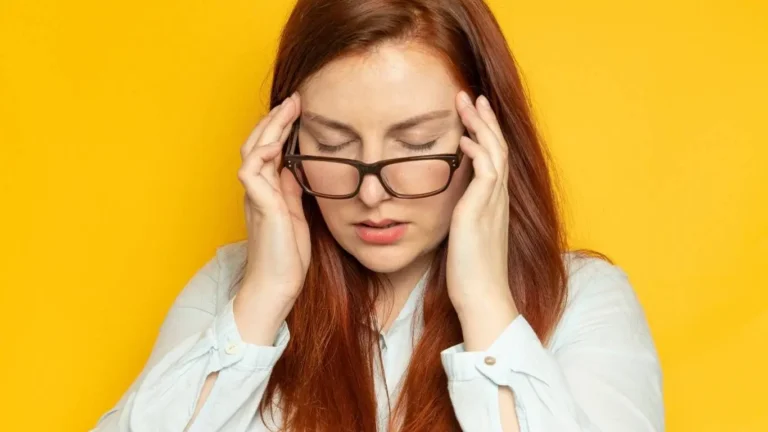
There was a time I couldn’t make it through the day without worrying if a migraine was about to crash my plans—usually at the worst time possible. If you’re a woman navigating the rollercoaster of hormones, chances are you’ve noticed the connection between your cycle and those brain-splitting headaches. I didn’t always understand what was happening—until I learned about the powerful link between migraine and estrogen fluctuation.
Why Estrogen Levels Can Mess With Your Head (Literally)
Estrogen is more than just a reproductive hormone. It plays a crucial role in brain chemistry. When levels drop—especially just before menstruation, after childbirth, or during perimenopause—it can trigger migraines in some people like clockwork. Estrogen affects neurotransmitters like serotonin, which regulate pain perception and mood. That’s why a sharp decline can feel like your brain is literally in revolt.
What really stood out for me was how predictable it became. I started noticing the pattern: migraine right before my period, every single month. And during perimenopause? It felt like a free-for-all. Estrogen goes on a bumpy ride and your head pays the price.
Estrogen Withdrawal Migraines
This specific kind of migraine is the body’s reaction to a drop in estrogen levels. If you’ve ever experienced intense migraines the day or two before your period starts, that’s a classic estrogen-withdrawal pattern.
- Common during menstruation
- Often occur without aura
- Can last longer than typical migraines
If you want to dive deeper into hormonal triggers for migraines, Healthusias has a great explainer.
The Cycle Connection: Periods, Ovulation, and Hormone Swings
Migraines often show up around:
- Just before menstruation — when estrogen plunges
- Ovulation — due to hormone surges
- Mid-luteal phase — particularly if progesterone is also low
I didn’t used to track my cycle closely. But once I did, it was like unlocking a map of migraine landmines. Understanding my own hormonal blueprint helped me prepare—and even prevent a few attacks.
Tracking Tools Help
If you’re not already using one, a migraine diary can be a game-changer. Many apps now sync with your cycle too. You can spot patterns you might never have noticed on your own. And yes—it actually helped my doctor tailor a treatment that works with my body, not against it.
Estrogen’s Brain Chemistry Influence
Here’s something fascinating—estrogen influences the way your brain handles serotonin, dopamine, and endorphins. This means when estrogen plummets, the brain may become more sensitive to pain and stress, which are both migraine landmines.
Some studies suggest estrogen modulates blood vessels in the brain, which is another possible trigger mechanism. According to NIH, there’s growing evidence linking hormonal fluctuations to vasodilation, inflammation, and hypersensitivity—all key ingredients in a migraine recipe.
Migraine With Aura and Hormones
While estrogen dips mostly cause migraines without aura, surges in estrogen (like around ovulation or during pregnancy) can be linked to migraine with aura. This was a surprise to me—I always assumed my auras came randomly until I matched them with ovulation.
Hormonal Life Phases and Their Impact
Different life stages bring different estrogen challenges. Each one presents new migraine variables:
- Puberty: Sudden hormone changes can trigger migraines in teens, especially girls.
- Pregnancy: Estrogen stays high, which can reduce migraines for many women.
- Postpartum: Sharp estrogen drop often causes intense migraine rebound.
- Perimenopause: Wild hormonal swings make migraines hard to predict.
- Menopause: Once estrogen levels stabilize, migraines often decrease in frequency—but not always.
If you’re navigating perimenopause and migraine hell, this guide on migraines in perimenopause is incredibly relatable and packed with real strategies.
The Role of Hormonal Birth Control
Birth control pills can be a double-edged sword. For some women, they stabilize hormones and prevent migraines. For others—especially those with aura—they increase the risk. Talk to your doctor before starting or switching pills. You might want to read this insight on migraines and birth control for practical context.
Every Woman’s Experience Is Unique

I’ve chatted with dozens of women about their migraine journeys, and no two are exactly alike. Some breeze through menopause migraine-free. Others get slammed with hormonal chaos. That’s why understanding your own rhythm, triggers, and responses is so crucial. Personalized care—guided by knowledge—is the secret weapon.
More tools and insights are explored in the Understanding Migraines pillar post, a must-read for anyone trying to get their migraines under control long-term. You’ll also find overarching context and latest updates on migraine science in the main migraine hub at Healthusias.
Managing Migraines Triggered by Estrogen Shifts
When I finally realized my migraines were syncing with my hormone cycles, it was a relief to have a culprit. But identifying it wasn’t enough—I needed ways to manage it. That’s when I started experimenting (with a little help from my doctor) and fine-tuning a strategy that actually worked for me.
Not every method is universal, but here’s what helped me the most and could help you, too:
1. Timing Medication With Your Cycle
This tip changed my migraine game. Instead of reacting to migraines, I learned to anticipate them. I now take preventive treatment (like magnesium or an NSAID) a few days before my period begins. That simple shift drastically reduced the severity of my headaches.
Some women use over-the-counter medications while others might need prescription preventives. If you’re considering this route, talk to your healthcare provider about whether you might benefit from prescription options that align with your cycle.
2. Natural Hormone Balancing Approaches
Hormones can be sensitive to all sorts of external factors, and I found that lifestyle changes made a surprising difference. Some people turn to bioidentical hormone therapy, but I wanted to start simpler. Here are a few holistic approaches that actually helped:
- Consistent sleep (not just quantity, but quality – no scrolling in bed!)
- Adding more phytoestrogen-rich foods like flaxseeds and soy
- Stress management through yoga and breathwork
- Limiting alcohol and processed sugar right before my period
If you’re more into the natural route, check out the full list of natural migraine remedies that are actually backed by research and used by people like us.
3. Magnesium for Hormonal Headaches
Magnesium became my go-to supplement after my doctor recommended it. Not only does it support hormone balance, but it’s been shown to reduce the frequency and intensity of migraines. I take it daily, especially during the second half of my cycle.
There’s a helpful guide over at Magnesium for Migraine if you’re curious about dosage and forms. I personally prefer magnesium glycinate—it’s gentle on the stomach and helped me sleep better too.
When It’s More Than Just Hormones
Sure, estrogen fluctuation is a big one—but it’s rarely the only trigger. I learned the hard way that stress, poor hydration, skipped meals, and even my environment were adding fuel to the fire.
Stacked Triggers Make It Worse
Ever notice how migraines hit harder when you’re tired, stressed, and it’s the day before your period? That’s called a “stacked trigger.” It’s not just one thing—it’s a combination that tips the scale. That’s why managing the little things really does help.
- Stay hydrated
- Eat small, frequent meals
- Don’t skip workouts, but avoid overexertion
- Use screen filters if you’re light-sensitive
If light or sound sensitivity is an issue, this post on light and sound sensitivity offers practical solutions that don’t involve sitting in a dark cave all day (been there!).
The Sleep-Hormone-Migraine Trifecta
This triangle is real. Poor sleep throws off hormones. Imbalanced hormones trigger migraines. And migraines ruin your sleep. Vicious cycle.
What worked for me? I completely overhauled my sleep habits—cooler room, blackout curtains, no screens an hour before bed. Even started wearing blue light glasses in the evening. It sounds small, but the domino effect is huge.
If you struggle with this combo, the guide on migraine and sleep habits helped me fine-tune my nighttime routine to actually support my hormones, not sabotage them.
Working With a Pro Who Gets It
If your migraines are intense or you’re feeling lost navigating the hormone jungle, please find a specialist. A regular GP might not connect the dots—but a neurologist or women’s health-focused practitioner will.
This piece on finding the right neurologist for migraines can help you ask the right questions and find someone who won’t dismiss your symptoms or just throw a random pill at you.
Testing Hormone Levels
You don’t need to guess. Blood, saliva, or urine testing can reveal your hormone trends. When I did it, the results explained so much. It’s not about chasing perfect hormone levels—it’s about understanding your baseline and working with it.
Hormone Therapy Considerations
For some, especially in perimenopause, low-dose hormone replacement therapy (HRT) can help level things out. It’s not for everyone—and definitely not without risks—but for some women, it’s life-changing. The key is a customized approach, not a one-size-fits-all patch or pill.
Resources That Actually Helped Me
- Hormonal Imbalance and Migraines — For understanding deeper endocrine links
- Sleep Disorders and Migraines — For those with insomnia or irregular sleep
- NIH — Great source for research on hormonal and neurological links
- American Migraine Foundation — Practical tools, studies, and patient resources
I wish I had this info years ago—it would’ve saved me a lot of confusion and pain. Migraines and estrogen fluctuation might be a complicated relationship, but with the right tools, tracking, and support, it becomes a lot more manageable.
For a full picture of how hormonal shifts tie into the broader migraine experience, don’t miss the foundational post on Migraine Triggers, which offers context on how multiple factors layer together. And always refer to the main Migraine and Headaches Hub at Healthusias for new insights and guidance as research evolves.

Bianca Nala is a compassionate Nurse Practitioner with a strong background in primary and respiratory care. As a health writer for Healthusias.com, she combines her clinical expertise with a talent for clear, relatable storytelling to help readers better understand their health. Bianca focuses on topics like asthma, COPD, chronic cough, and overall lung health, aiming to simplify complex medical topics without losing accuracy. Whether she’s treating patients or writing articles, Bianca is driven by a single goal: making quality healthcare knowledge accessible to everyone.