Why Migraines Get Worse At High Altitudes And What To Do
If you’ve ever felt that unmistakable throb in your head while enjoying mountain views or flying above the clouds, you’re not alone. I remember hiking in the Rockies once — just an hour into the climb, that dull headache crept in, turned into pounding pressure, and I knew it wasn’t just altitude sickness. It was a full-blown migraine. And that’s where I started diving deep into why high altitudes can mess with our heads — literally. Turns out, the connection between altitude changes and migraine attacks is real and surprisingly common.
What Triggers Migraines at High Altitudes?

High altitudes bring on a unique mix of physiological changes. The air is thinner, oxygen levels drop, and barometric pressure decreases. For some people, especially those already prone to migraines, this shift can act like a trigger.
Oxygen Deprivation and Brain Response
At higher elevations, your brain is getting less oxygen than it’s used to. That drop may cause cerebral blood vessels to dilate — which many neurologists believe is a contributing factor in migraine pain. Even a mild reduction in oxygen can overstimulate parts of the brain responsible for sensory processing, leading to that familiar pulsating sensation.
Barometric Pressure: The Silent Instigator
Most of us don’t pay attention to barometric pressure — until it causes chaos. When you ascend quickly, such as during a flight or rapid hike, pressure drops abruptly. This sudden change may lead to fluid shifts and neurological responses that trigger migraines. It’s why some people feel fine at sea level but are totally wrecked once they’re at 8,000 feet.
Altitude Sickness vs. Migraine: Don’t Confuse the Two
Here’s the tricky part. The symptoms overlap — nausea, dizziness, light sensitivity, throbbing head pain. But altitude sickness tends to ease once you acclimate, while migraines stick around and sometimes even worsen. If you’ve dealt with migraine with aura before, chances are you’ll be more sensitive to altitude changes than someone without a migraine history.
Personal Thresholds Vary – And That Matters
Not everyone gets migraines at the same altitude. For me, anything above 6,000 feet makes things dicey. But I have a friend who’s fine up to 10,000 feet. It really depends on your genetics, migraine history, and how quickly you ascend. People with chronic migraine conditions are more likely to experience altitude-induced attacks. This aligns with studies published by NIH that suggest altitude can amplify migraine frequency in susceptible individuals.
Speed of Ascent Can Be a Game-Changer
Ever felt great on a long mountain drive, but awful after a quick flight to Denver? That’s no coincidence. Your body can handle gradual shifts better than rapid climbs. Fast ascents don’t allow your brain to adapt to pressure changes, making you more vulnerable to headaches. A study referenced by CDC confirms that gradual acclimatization significantly lowers the chance of high-altitude sickness and related symptoms like migraines.
Common Symptoms of High-Altitude Migraines
- Throbbing pain, usually one-sided
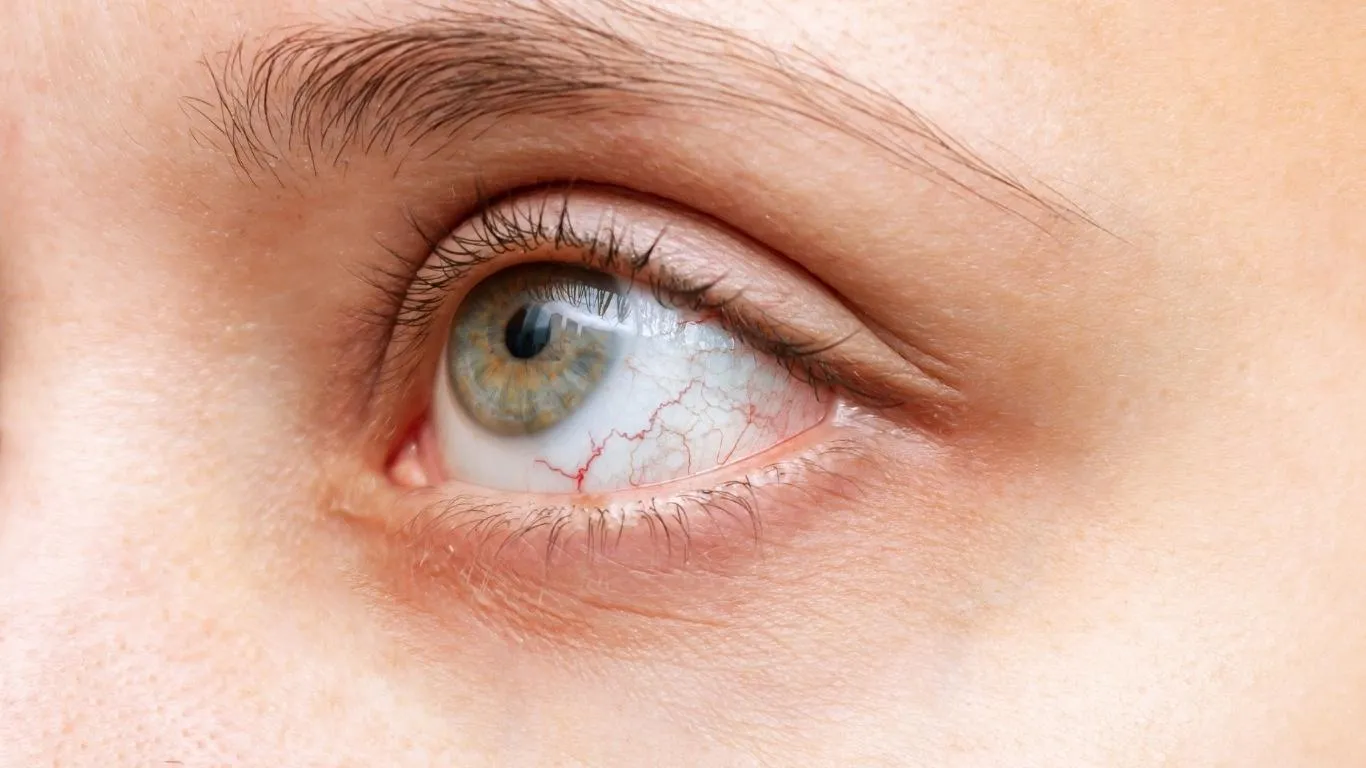
- Pressure behind the eyes or forehead
- Sensitivity to light and sound
- Nausea or vomiting
- Visual disturbances (similar to aura)
What surprised me most was the intensity. It wasn’t like my usual migraine. It hit harder, faster, and often came with vertigo — a symptom common with vestibular migraines.
Difference Between Typical Migraines and Altitude-Triggered Ones
- Faster onset after elevation gain
- More resistance to over-the-counter pain meds
- Greater sensory sensitivity
If you’re experiencing headaches frequently after altitude exposure, it’s worth looking into tailored prevention techniques.
Why Some People Are More Susceptible
There’s a lot going on behind the scenes — hormones, sleep quality, hydration levels, and even your breathing patterns. For example, if you’re on your period or have fluctuating estrogen levels, altitude might hit you even harder. That’s a huge factor for those dealing with hormonal migraine triggers. Throw in poor sleep from travel or anxiety about the trip, and it’s the perfect storm.
Let’s not forget about sleep disorders and migraines — poor REM sleep reduces your pain threshold and resilience to stressors like altitude change. A single night of tossing and turning before a hike could be all it takes to push you into migraine territory.
Understanding the Science (Without the Jargon)
Here’s the simple version: high altitudes mess with your oxygen supply and pressure balance. Your brain, being the sensitive organ it is, doesn’t like that. If you’ve already got an overreactive trigeminal nerve — which is linked to migraines — this imbalance may overstimulate pain pathways.
Now, layer that with dehydration (common at high elevations) and inconsistent caffeine intake (or withdrawal), and your risk skyrockets. Speaking of caffeine, skipping your usual morning dose before an early hike can also lead to withdrawal-triggered migraines — something explored in our migraine and caffeine guide.
For a comprehensive overview of how migraines develop and how triggers interact with your biology, our detailed migraine understanding article breaks it all down.
And if you’re just starting to explore what’s going on with your headaches in different environments, the full migraine and headache guide is a great starting point to navigate symptoms, prevention, and treatments.
How to Prevent Migraines When Traveling to High Altitudes

Prevention’s been a learning curve for me. After getting blindsided by migraines mid-hike more than once, I started prepping like someone going into battle. And honestly, that mindset helped. Here are a few things that actually made a difference — not just in theory, but in real life:
Hydration Is Your Best Friend
One of the easiest fixes — yet the one most people ignore. At higher elevations, your body dehydrates faster than you realize. That sneaky dehydration can lead to headaches even if you’re not prone to migraines. For me, I pack a hydration pack now, not just a water bottle. Every hour, I make it a point to sip — not chug — to keep things steady.
Slow Ascent Whenever Possible
If you’re traveling by car or hiking, try not to gain more than 1,000 feet of elevation per day. I know that’s not always possible, especially with air travel. But when it is, your brain appreciates the chance to adapt gradually. If I have to fly into high elevation cities like Quito or La Paz, I try to stay at a mid-level town the first day before heading higher.
Consider Preventive Medication
This one came from my neurologist. There are preventive options like beta blockers or anti-seizure meds for folks with frequent attacks. Some doctors also recommend CGRP inhibitors or low-dose steroids in advance of high-altitude exposure. Personally, I always bring my triptan — but I also now discuss my itinerary with my doctor ahead of time if I know I’ll be at high altitudes.
Don’t Skip Caffeine — But Don’t Overdo It
Caffeine withdrawal is a sneaky trigger. If you usually drink coffee, skipping it on travel days might backfire. But drinking too much at altitude — especially on an empty stomach — can dehydrate you further. I’ve found a small cup in the morning and then switching to electrolyte water later works wonders. For a breakdown on managing caffeine habits, check out our page on caffeine and migraines.
What to Do During a High-Altitude Migraine Attack
Let’s say you’ve done all the prep — but the migraine still hits. I’ve been there, stuck in a remote lodge in Peru with no internet and a pounding head. Here’s what helped me and what experts now back up:
- Take your acute medication immediately — the sooner, the better
- Hydrate with electrolyte-rich fluids (not just plain water)
- Lie down in a dark, quiet room — if possible, descend to a lower altitude
- Apply a cold compress to your forehead or neck
- Use aromatherapy oils like peppermint or lavender (they really can help)
These techniques can offer some relief, but if symptoms worsen or include visual disturbances, numbness, or slurred speech, it’s worth reading up on early warning signs and seeking professional care.
Natural Remedies I’ve Actually Tried (and Kept Using)
Not all natural migraine remedies are created equal. I’ve gone through the essential oil hype, vitamin stacks, and some frankly strange Amazon finds. But a few things stood out as legit:
- Magnesium: I started taking magnesium supplements daily and saw a big reduction in high-altitude episodes.
- Ginger tea: Surprisingly soothing and helps with nausea too.
- Essential oils: I carry a small roller of peppermint oil and use it on my temples — works great during early migraine stages.
- Blue light glasses: Even outdoors, the glare at high altitude is brutal. A good pair with UV protection made a real difference.
If you’re exploring natural support options, the full guide on natural migraine remedies is a helpful place to start — it’s not fluff, it’s backed by experience and science.
Tools and Tech That Make Travel Migraine-Friendly
Modern gadgets are catching up to migraine sufferers. I was skeptical at first, but after trying a few, I’m now a convert:
- Cefaly headband: Looks odd but gives quick relief through nerve stimulation
- Portable cold therapy packs: Essential if you’re traveling light
- Noise-cancelling earplugs: Vital for sensory overload
- Smartphone migraine tracking apps: I use one to log pressure changes and early symptoms
There’s a full list and reviews in our resource on migraine tools and devices — definitely worth checking out before your next high-altitude trip.
When to Talk to a Specialist
If your migraines are hitting harder or more often when you travel, don’t just rely on Google and good vibes. A neurologist can assess if your migraines are being complicated by high-altitude exposure, or if there’s another factor like neurological issues or even subtle heart or breathing problems that altitude aggravates.
There’s also a comprehensive checklist on how migraines are diagnosed and what to ask your doctor if you’re dealing with altitude-related symptoms often.
For a full breakdown of how to understand and tackle the condition from all sides, explore our foundational piece on migraines and headaches.

Bianca Nala is a compassionate Nurse Practitioner with a strong background in primary and respiratory care. As a health writer for Healthusias.com, she combines her clinical expertise with a talent for clear, relatable storytelling to help readers better understand their health. Bianca focuses on topics like asthma, COPD, chronic cough, and overall lung health, aiming to simplify complex medical topics without losing accuracy. Whether she’s treating patients or writing articles, Bianca is driven by a single goal: making quality healthcare knowledge accessible to everyone.