Why Migraine Caused By Low Estrogen Ruins Your Routine
For years, I thought my migraines were just a quirky family trait — something passed down like my grandma’s cheekbones or my dad’s sense of humor. But when I started digging deeper, the picture became clearer. As a woman in my mid-thirties, juggling stress, work, and hormonal shifts, I found myself Googling at 2 a.m. “Can low estrogen cause migraines?” If you’re reading this, chances are, you’ve been there too. And honestly? You’re not imagining it. Let’s unpack what’s really going on when estrogen decides to take a dip and your head starts to pound.
What’s the Link Between Estrogen and Migraines?

Estrogen isn’t just a reproductive hormone. It influences several systems in your body — including how your brain responds to pain. That’s why many women notice headaches during certain phases of their menstrual cycle. When estrogen drops suddenly (like right before your period), it can trigger a cascade of brain activity that results in a migraine.
What makes this even more interesting is how different types of migraines can be linked to hormonal changes. Menstrual migraines are one common type, but women with hormonal imbalances from PCOS, menopause, or birth control changes may experience similar patterns.
Here’s how estrogen levels affect migraine patterns:
- Pre-menstrual drop: Estrogen plummets before your period, which often sets off a migraine.
- Postpartum crash: After childbirth, estrogen levels fall hard and fast — cue the headaches.
- Perimenopause and menopause: As hormone levels fluctuate or decline, migraines may worsen or become more unpredictable.
- Low estrogen from birth control: Especially with low-dose pills or during the placebo week, this can be a major trigger.
My Personal Rollercoaster with Estrogen-Triggered Migraines
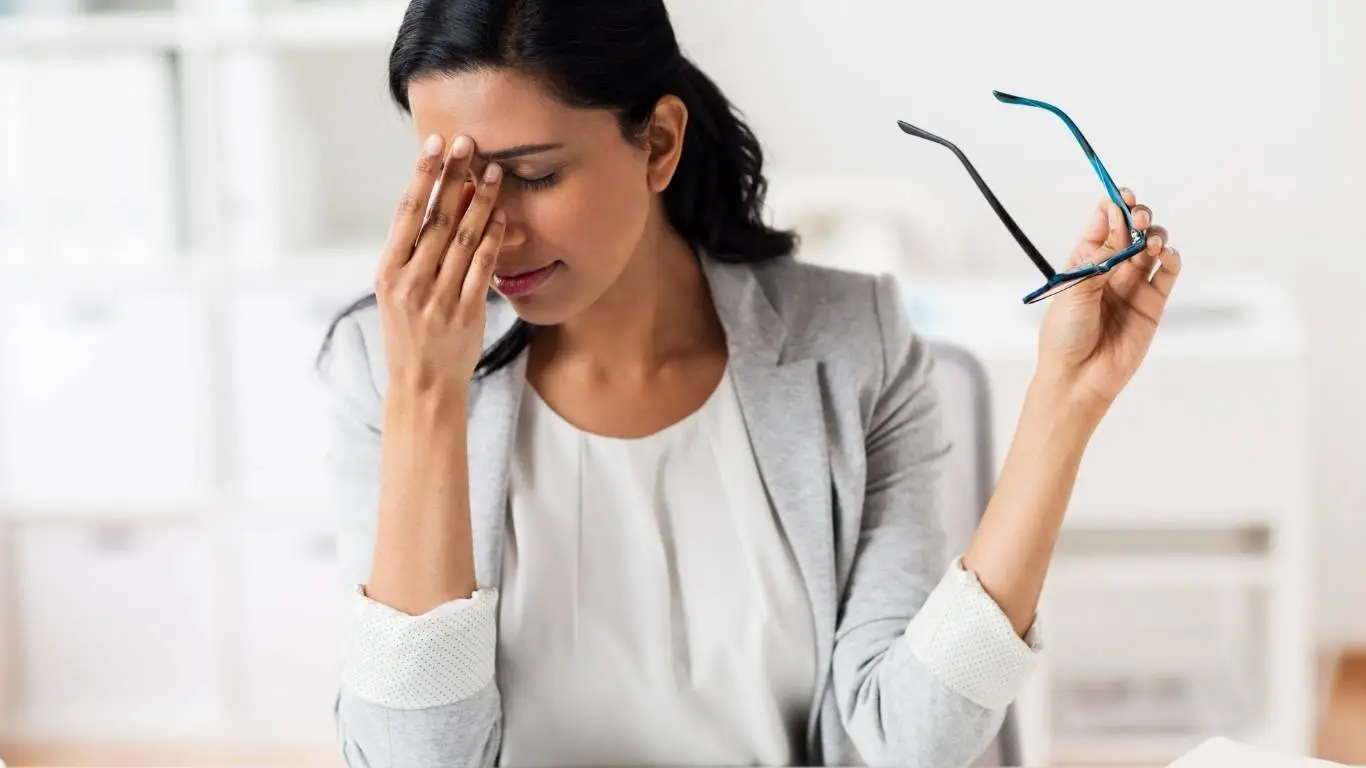
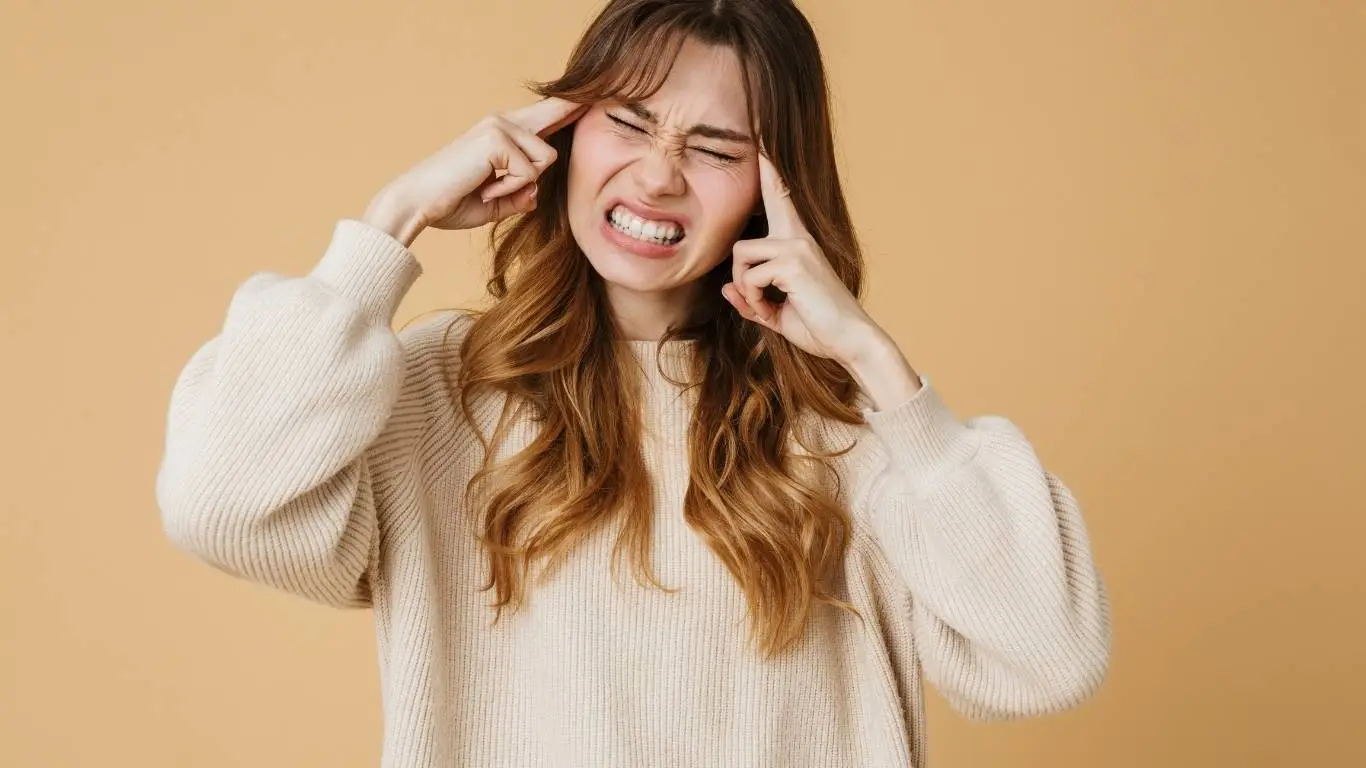
Back in my late 20s, I switched to a different birth control brand. Within weeks, I started getting migraines that would hit like clockwork two days before my period. Nausea, aura, and a dull, drilling ache that made me cancel plans and avoid screens. My doctor explained that the lower estrogen in my new pill might be the culprit. It sounded a little ridiculous at first, but switching back to a different formula actually helped reduce the frequency.
That experience taught me that small hormonal shifts can have massive effects — especially for migraine-prone people.
Recognizing the Signs of Low Estrogen Migraines

Low estrogen migraines don’t always wave a red flag, but they often come with tell-tale signs. If you’re tracking your headaches and notice they’re hitting in sync with your cycle, or after changing hormone medications, estrogen might be the issue.
Common symptoms that may hint at hormone-triggered migraines:
- Pulsating pain on one side of the head
- Visual disturbances (auras, flashing lights)
- Heightened sensitivity to light, sound, or smells
- Nausea or vomiting
- Fatigue, mood swings, or brain fog around your cycle
If these sound familiar, it’s worth looking into resources like this guide on migraine warning signs and also checking out how migraine auras manifest differently during hormonal shifts.
Why Does Estrogen Drop in the First Place?

Estrogen levels don’t just nosedive randomly. Several natural and medical situations can lead to lower-than-normal estrogen:
- Menstrual cycles: The sharp drop in estrogen before menstruation is completely normal, but for some, it’s a migraine minefield.
- Perimenopause: That transitional phase before menopause is all about rollercoaster hormones.
- Postpartum phase: After giving birth, your hormone levels plummet — and migraines may spike.
- Medications: Birth control, hormone therapy, or even anti-estrogen treatments can cause dips.
- Medical conditions: Issues like hypothalamic amenorrhea or PCOS can mess with estrogen production.
One overlooked trigger? Sleep disturbances. Estrogen helps regulate sleep, and disrupted rest can make migraines even worse. It’s a frustrating cycle — poor sleep worsens migraines, and migraines ruin your sleep. Sound familiar?
Is There a Way to Manage Estrogen-Linked Migraines?
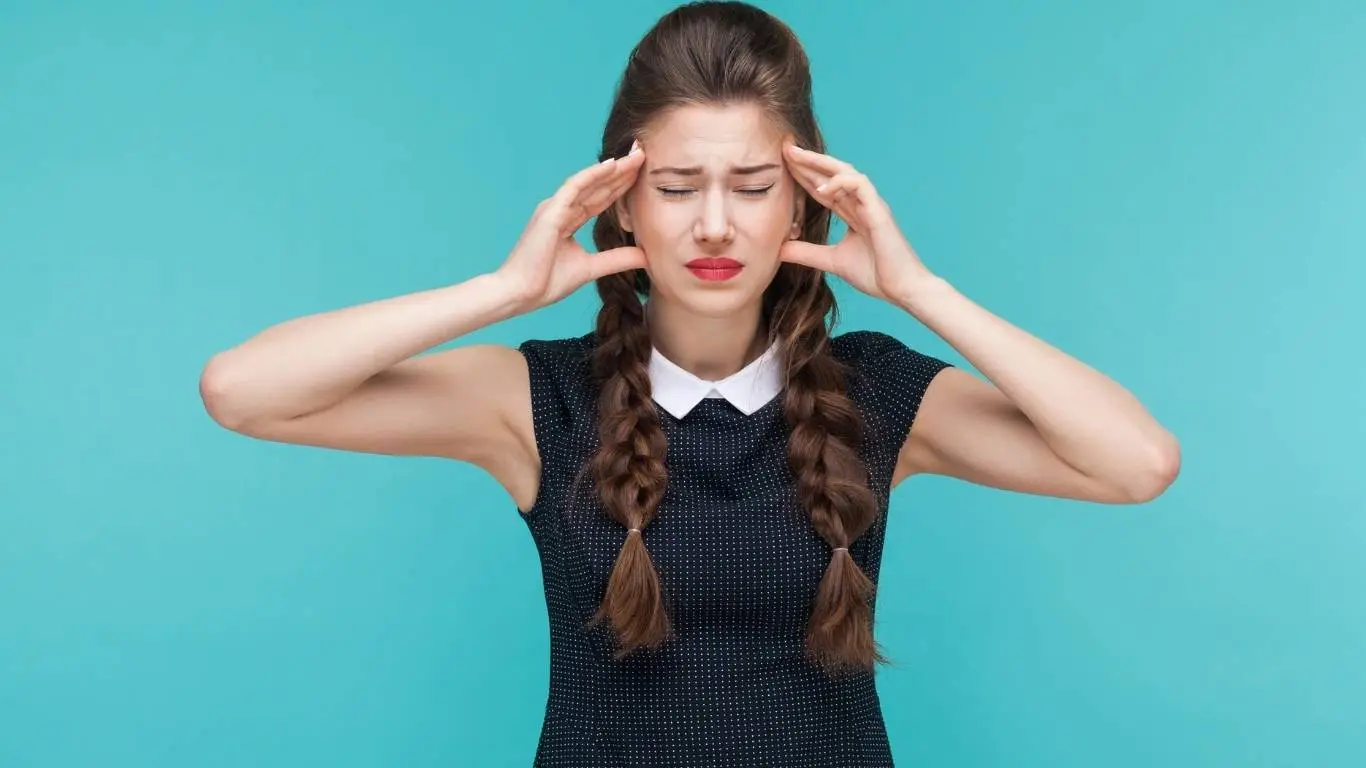
Managing estrogen-related migraines is possible — but it requires a bit of detective work. Start by tracking your cycles and symptoms. Apps help, but a good old-fashioned journal works too. If patterns emerge, talk to your doctor about options. In some cases, they might recommend adjusting hormone levels via therapy, tweaking your birth control, or trying migraine-specific medications.
Other strategies to consider:
- Work with a nutritionist to manage triggers through food.
- Look into supplements like magnesium or vitamin B2.
- Explore treatments like acupuncture or CBT.
- Limit triggers such as alcohol, processed food, or poor sleep posture.
If you want to explore more about understanding migraines and how hormones fit into the bigger picture, don’t miss this detailed migraine triggers overview and the main guide on migraines and headaches.
Trusted authorities like Mayo Clinic and NHS also offer great background info if you’re looking for more medical context.
Medical Options for Estrogen-Related Migraines
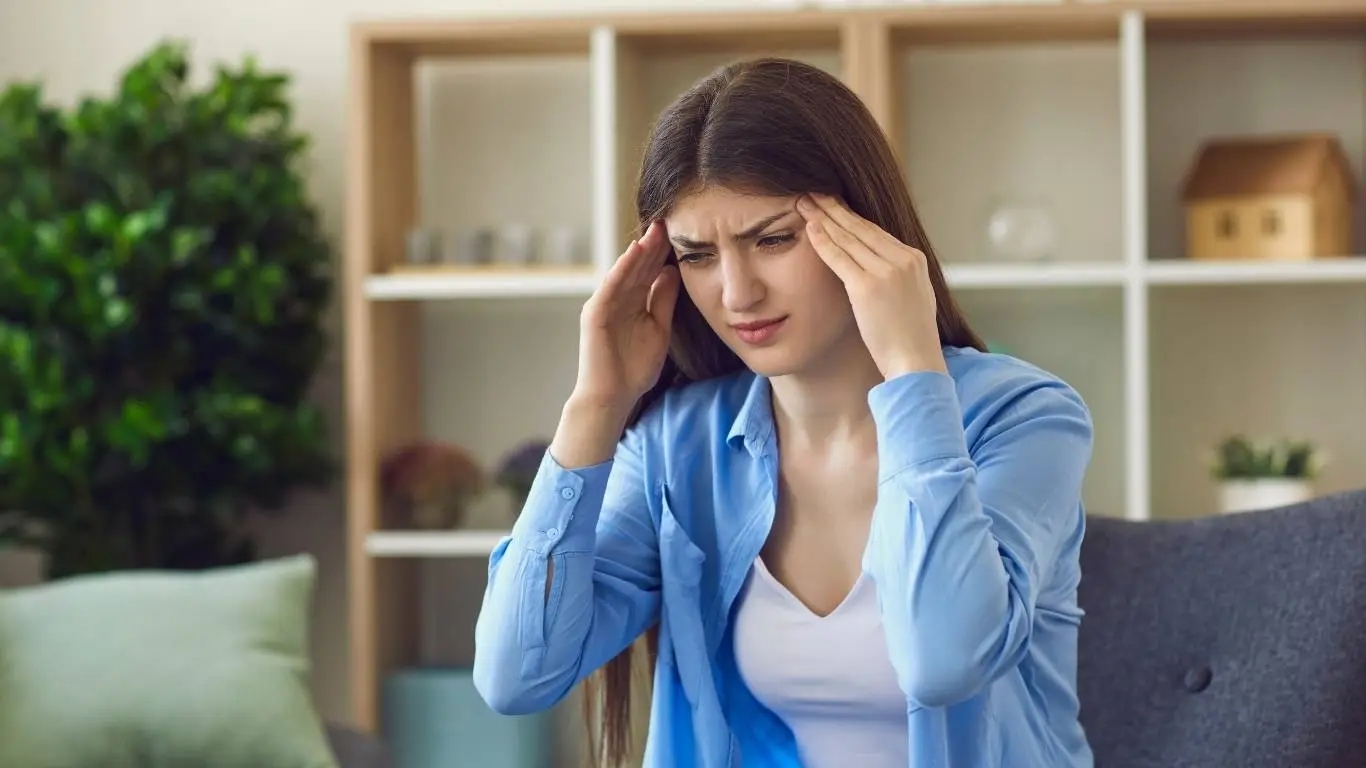
If you’ve confirmed your migraines are tied to low estrogen, the next step might be a medical one. Hormone therapy isn’t for everyone, but in some cases, it’s a game changer. When I hit my mid-30s and my cycle became unpredictable, I had a long chat with my OB-GYN about whether hormonal birth control or bioidentical hormones might help. The honest answer? It depends — but it’s worth exploring.
Options your doctor might suggest:
- Continuous birth control: Prevents estrogen fluctuations by eliminating the placebo week.
- Estrogen patches: Used especially during perimenopause to help stabilize hormone levels.
- Low-dose estrogen therapy: Sometimes helpful post-menopause or postpartum under supervision.
While these solutions may sound promising, they’re not without risks. Estrogen therapy can increase certain health risks, so it’s always about weighing benefits vs. side effects with your provider. Resources like Cleveland Clinic often break this down well.
Lifestyle Shifts That Made a Difference for Me

While medication helped, what really gave me a handle on my migraines was making a few targeted lifestyle changes. Nothing wild — just small shifts that, when stacked up, made a big impact. I started tracking my headaches with a paper journal and using a migraine tracking app to cross-reference. I also swapped late-night Netflix binges for a stricter wind-down routine. Lame? Maybe. Effective? Definitely.
Changes that worked for me:
- Better sleep: 7–8 hours minimum, no blue light after 9 PM, and a blackout curtain for the win.
- Hydration and nutrition: I follow a migraine-friendly diet and even tried omega-3 supplements.
- Exercise: Gentle movement — yoga or walking. Nothing intense during migraine-prone days.
- Stress reduction: I’m still working on this one, but adding CBT and occasional biofeedback helped me feel more in control.
What to Avoid When Estrogen Is Low

One of the things I wish I’d known earlier is that some common habits can worsen estrogen-related migraines. You might be unintentionally making things harder for yourself without realizing it.
- Skipping meals or fasting: This was a big one for me. I tried intermittent fasting once, and the migraines came roaring back. Turns out, fasting can be a huge trigger when hormones are already out of balance.
- Too much caffeine: I love coffee, but when I started limiting myself to one small cup a day, my headache days dropped dramatically.
- Alcohol: Especially red wine — just no. Some women tolerate it better, but not me.
- Stress spirals: When estrogen dips, stress hits harder. Practicing stress management consistently really helped.
Natural Remedies and Support Options

Some women prefer natural or complementary approaches — and there’s actually a decent amount of science behind a few of them. Personally, I combine conventional treatment with natural add-ons. When I feel the early signs of a migraine, I pop on my eye mask, diffuse peppermint oil, and ride it out with an ice pack on my neck. Is it magic? No. But it helps.
Popular natural approaches to explore:
- Herbal remedies like feverfew and butterbur (under medical supervision)
- Essential oils like peppermint and lavender for relief
- Yoga and gentle movement for circulation and relaxation
- Chiropractic support or craniosacral therapy in some cases
- Supplements like CoQ10, magnesium, and vitamin B complex
Support Tools and Devices That Actually Help

When my migraines were at their worst, I was willing to try anything — and I mean anything. Thankfully, some of those “experimental” tools actually worked. One surprising favorite? My weighted eye mask and cold gel pack. I also tested out a few tech tools that are becoming popular among migraine sufferers.
- Cefaly device: A forehead stimulator that helped reduce frequency over time.
- Nerivio wearable: Non-invasive neuromodulation. Took some getting used to but worked on mild attacks.
- Smartwatch apps to track triggers and early warning signs.
If gadgets aren’t your thing, don’t worry — even tools like noise-canceling earplugs or supportive pillows can help when used consistently.
To learn more about ways to prevent hormone-triggered headaches, check out this in-depth guide on migraine prevention — it’s packed with actionable steps that actually work in real life. For a broader view, I also recommend the main migraines and headaches page that ties it all together.
Living with migraines linked to low estrogen isn’t easy, but understanding the connection — and finding the right blend of strategies — can make life a whole lot more manageable.

Bianca Nala is a compassionate Nurse Practitioner with a strong background in primary and respiratory care. As a health writer for Healthusias.com, she combines her clinical expertise with a talent for clear, relatable storytelling to help readers better understand their health. Bianca focuses on topics like asthma, COPD, chronic cough, and overall lung health, aiming to simplify complex medical topics without losing accuracy. Whether she’s treating patients or writing articles, Bianca is driven by a single goal: making quality healthcare knowledge accessible to everyone.