Why Migraine Relief Through Pressure Points Can Actually Work
Ever had one of those days where your head is pounding so bad, even the sound of your own thoughts feels too loud? That was me last year—twice a week, like clockwork. Meds helped, sure, but they came with side effects I wasn’t a fan of. That’s when I stumbled into pressure point therapy. At first, it sounded like a spa gimmick, but after giving it a genuine try (with a skeptical mind, mind you), the results were too real to ignore. Let’s break this down without fluff, just honest insights and practical tools that actually work when you’re looking for migraine relief through pressure points.
Understanding How Pressure Points Help with Migraine Relief

Migraines aren’t just “bad headaches.” If you know, you know. They’re often a storm of throbbing pain, nausea, light sensitivity, and sometimes even visual disturbances. While the causes vary—from stress to hormonal shifts—what’s fascinating is how physical pressure in specific areas can literally soothe your nervous system and reduce the pain. This technique, known as acupressure, has roots in traditional Chinese medicine and is backed by emerging studies and anecdotal success stories, including mine.
What’s Happening in Your Body?
When you apply pressure to certain points, you’re stimulating nerves, increasing blood circulation, and encouraging the release of endorphins—your body’s natural painkillers. This is particularly useful when migraines strike from tension or nerve sensitivity. According to PubMed, acupressure shows promising results as a complementary treatment for headache disorders. It doesn’t replace your medication, but it can reduce dependency or boost effectiveness.
Key Pressure Points for Migraine Relief

1. LI4 (Hegu) – Between Your Thumb and Index Finger
Probably the most well-known point, and honestly, my personal go-to. If you’re in a meeting or commuting and feel a migraine creeping in, press the fleshy space between your thumb and index finger on the opposite hand. Hold for 30 seconds to a minute while breathing slowly.
Note: Don’t use this point if you’re pregnant—it may stimulate contractions.
2. GB20 (Feng Chi) – Back of Your Neck
This one is magic when the migraine comes with neck tension. Place your thumbs on the base of your skull, just outside the spine, and press upward. Massage in small circles. You’ll be surprised how quickly pressure lifts.
3. Taiyang – Temples
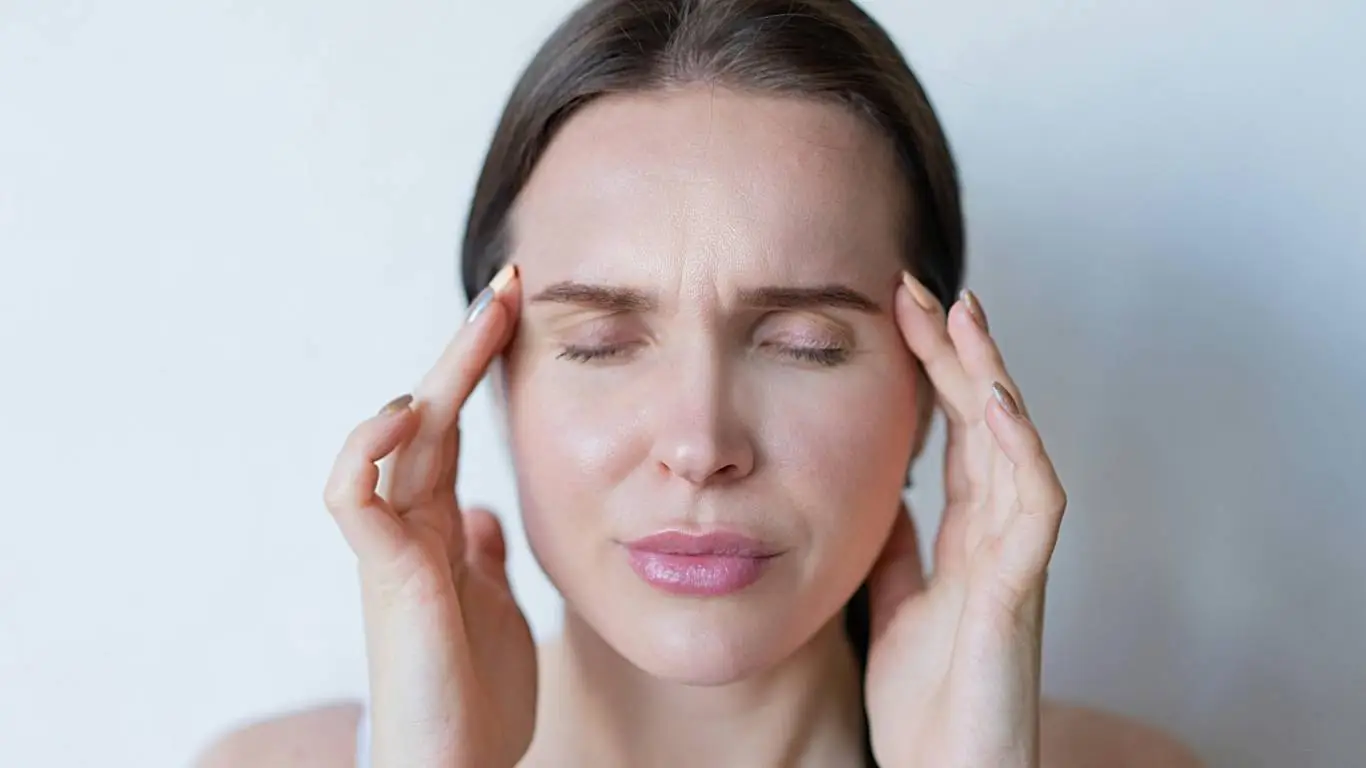
Ah, the classic temple massage. Not just a movie cliché. Gentle circular pressure here can help reduce tension-type headaches and migraines that radiate from behind the eyes.
4. Yintang – Between Your Eyebrows
This “third eye” spot helps with sinus pressure and stress-induced migraines. I use this one when screen fatigue is the culprit. It’s calming and great for winding down at night.
5. ST36 (Zusanli) – Below the Knee
Surprisingly, your legs can help with headaches. This point boosts overall energy and immune response. Use your fingers to locate the spot about 3-4 finger widths below your kneecap, outside the shin bone. Press and breathe.
Combining Pressure Point Therapy with Lifestyle Adjustments

Sure, pressure points can work wonders, but they shine brightest when combined with other lifestyle adjustments. If your migraines are hormonal, understanding your cycle is key—check out this guide on menstrual migraines. For those driven by environmental triggers, see how weather might be playing a role.
Stress + Tension = Migraine
Ever noticed how you clench your jaw or hunch your shoulders when you’re stressed? Me too. This constant muscle tension feeds migraines. I found that mixing acupressure with breathing techniques (even something simple like box breathing) enhances relief. For deeper stress support, resources like CBT can work alongside physical pressure point therapy.
Sleep, Hydration, and Food Triggers
Sleep deprivation is a migraine’s best friend. So is dehydration. Add skipped meals and your body starts screaming. I started logging my habits in a migraine diary (yes, it sounds like extra work, but trust me, it helps spot patterns). Over time, you’ll notice which days pressure point therapy is most effective, and when you need to lean on other tools.
Tools That Can Help with Pressure Point Accuracy

If your thumbs get tired (and they will), try using pressure point tools. There are pens, massage balls, even wearables that target key points automatically. I personally like using a wooden massage tool for GB20—it gets in deeper than fingers can.
- Best migraine relief devices
- Cefaly: Wearable for migraine prevention
- Apps to log and optimize relief timing
Want to explore more holistic tools? Don’t miss the full tools & devices pillar guide for natural and tech-based solutions.
For a broader understanding of migraine causes, diagnosis, and management options, visit the main migraine hub where it all connects.
Real-Life Pressure Point Routines You Can Try Today

If you’re like me, routines help things stick. I was skeptical at first, but committing to a simple daily sequence of pressure point activation changed my whole approach to migraines. You don’t have to be an expert. You just need consistency, clean hands, and a few quiet minutes.
- Morning: LI4 and ST36 — These help get your energy flowing and prevent those midday migraines triggered by screen glare or skipped meals.
- Afternoon Check-In: Yintang + Temples — Great for office stress or post-lunch slumps. I use this when I know a tension headache is brewing.
- Evening Wind-Down: GB20 and a warm compress — Ideal if your migraines come from neck stiffness or poor posture (hello, desk job).
Pro tip: Pair each point with deep breathing. It makes a noticeable difference, especially when you feel that pulsing behind your eyes start to build.
When Pressure Points Aren’t Enough

Look, I’m all about natural tools, but sometimes pressure points just aren’t enough. There are times I’ve had to reach for a prescription or reschedule my day. And that’s okay. These points are part of your migraine toolkit—not the whole toolbox.
Combining Therapies for Better Results
Personally, I saw the best results when I integrated pressure points with other methods:
- Hot/cold therapy – a game-changer with GB20.
- Cognitive Behavioral Therapy (CBT) for stress management.
- Magnesium and Vitamin B2—there’s solid research on these. See info at clevelandclinic.org.
- Essential oils like peppermint on temples—bonus: it smells better than any pharmacy cream. See this guide.
One unexpected but helpful sidekick? Acupressure mats. Not for the faint of heart, but 15 minutes a night on one helped me sleep better and eased back tension that was sneakily feeding my migraines.
Learning What Triggers You
No two migraines are the same. What kicks mine off might not phase you at all. The key to getting the most out of pressure point therapy is using it proactively—before a migraine fully hits. That means knowing your personal triggers like the back of your hand.
I use a simple app to track food, sleep, stress levels, and symptoms. It helped me realize my 3 p.m. chocolate fix was a trigger. You might find that poor sleep or dehydration is your culprit. Use these insights to time pressure point use strategically.
Track, Test, Adjust
Here’s what I found helpful to track:
- Time of day the migraine starts
- Food/drinks consumed in the past 12 hours
- Stress or emotional spikes
- Weather changes (yep, barometric pressure is real—check this article)
- Which pressure points you used and how effective they were
How to Teach Yourself (or Others) to Use Pressure Points

One of the most empowering things about pressure point therapy is how easy it is to teach and learn. I’ve shown my sister (who gets pregnancy migraines) how to use Yintang and GB20. My teenage niece uses it before tests. You don’t need certification—just a little knowledge and practice.
There are plenty of visual guides, but sometimes hands-on help is best. Try walking someone through one point at a time. Use mirrors, apply pressure together, and share feedback. It becomes a calming ritual rather than a chore.
Resources That Make Learning Easier
- Influencers who demonstrate techniques visually
- Yoga poses that naturally complement acupressure
- Workshops at holistic health clinics or virtual sessions with acupressure professionals
Building a Long-Term Migraine Management Plan

Pressure points aren’t a one-off trick. They’re part of an ecosystem of migraine care. If you’re reading this and still figuring out your migraine puzzle, start slow. Pick 1-2 points. Use them consistently for a week. Track your results. Layer in other tools. Don’t be afraid to experiment—but stay patient.
For anyone looking to build a broader plan—especially one rooted in prevention—check out this prevention-focused guide. It pairs well with pressure point routines.
And if you’re still getting your bearings with migraine symptoms and types, the main migraine hub is where you’ll find structured, evidence-based guidance that doesn’t overwhelm.

Bianca Nala is a compassionate Nurse Practitioner with a strong background in primary and respiratory care. As a health writer for Healthusias.com, she combines her clinical expertise with a talent for clear, relatable storytelling to help readers better understand their health. Bianca focuses on topics like asthma, COPD, chronic cough, and overall lung health, aiming to simplify complex medical topics without losing accuracy. Whether she’s treating patients or writing articles, Bianca is driven by a single goal: making quality healthcare knowledge accessible to everyone.