How Migraine Stigma Fuels Social Isolation and Self-Doubt
Back when I started dealing with migraines, I thought the hardest part would be the pain. Turns out, the pain was only one layer. What caught me off guard — and frankly blindsided me — was how isolating the whole experience can be. One day you’re canceling plans because of an episode, the next, people stop inviting you altogether. That’s when it hit me: the stigma of migraines doesn’t just hurt, it separates. If you’ve felt this too, you’re not alone.
Understanding Migraine Stigma Beyond the Headache
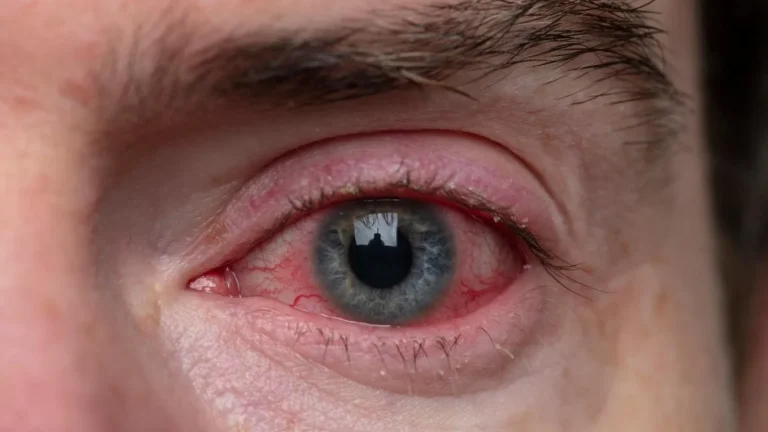
Stigma around migraines is sneaky. It doesn’t always show up as outright mockery — though unfortunately, that happens too. Sometimes, it’s the dismissive “It’s just a headache” comment. Other times, it’s the subtle shift in how people treat you when they find out migraines are a regular part of your life. Employers, friends, even healthcare providers can start seeing you through a lens of doubt or exaggeration. This creates a quiet but damaging ripple of social isolation.
To really tackle this, we need to start at the root. Migraine isn’t just a headache — it’s a neurological disorder that affects over 1 billion people globally (who.int). That’s a staggering number. Yet, most people still don’t understand how disabling it can be. I’ve lost count of how many times I’ve had to explain that my migraines come with visual aura, nausea, and sometimes, full-on cognitive fog. It’s not about toughing it out. It’s about navigating a condition that doesn’t play fair.
How Stigma Impacts Daily Life
The worst part isn’t even the symptoms—it’s the judgment. When you’re forced to take a sick day (again), it’s not just your productivity you’re defending, it’s your credibility. Coworkers can raise eyebrows. Bosses might label you as unreliable. In social circles, you can become “the flaky friend.” It creates a loop: migraines cause absences, absences cause distance, and distance leads to isolation.
This experience isn’t just anecdotal. According to studies from the ncbi.nlm.nih.gov, people with chronic migraines are more likely to experience workplace discrimination, delayed diagnosis, and even reduced quality of healthcare — all due to stigma. And it’s not just emotional. These barriers can lead to real, long-term damage in careers, relationships, and self-worth.
Why Social Isolation Becomes a Chronic Side Effect
Over time, the effects of migraine stigma accumulate into something far more damaging: chronic social withdrawal. It’s a coping mechanism. You start pulling back to avoid the judgment, the explanations, the awkwardness. But the problem is, the more you isolate, the less support you have — and for a condition as unpredictable as migraines, support is crucial.
Friends Don’t Always Get It
I remember telling a close friend once, “I can’t make it today — migraine.” Their response? “Again?” That hit hard. Not because I expected sympathy every time, but because I didn’t expect disbelief. Slowly, you start sharing less, canceling quietly, showing up less often. Even with people who care, it’s tough to explain something that doesn’t have visible symptoms. Unlike a cast or a cane, migraines leave no outward trace — and that invisibility feeds the isolation.
The Impact on Mental Health
It’s no surprise that migraine sufferers are significantly more prone to anxiety and depression. The emotional toll of feeling misunderstood can be heavier than the migraine itself. When you’re stuck in a cycle of pain and distance, the walls close in fast. For some, this isolation becomes part of the disorder — not just a result of it.
There’s a growing conversation about how anxiety and migraines intertwine. The relationship is deeply cyclical — one feeding the other. Tackling stigma means breaking this cycle, not just treating symptoms.
Changing the Narrative: Migraine Advocacy and Self-Representation
So how do we change the conversation? First, we speak up. It sounds cliché, but migraine stigma thrives in silence. Every time someone shares their story, it pushes back against ignorance. Start with your workplace: educate your team about what migraines actually entail. Share legit resources — like this page on early migraine warning signs or this guide on how migraines are diagnosed.
Second, set boundaries without shame. Saying no to a social gathering because of a migraine isn’t an excuse — it’s honoring your body. That mindset shift changes everything. And third, connect with others. Whether it’s online communities, support groups, or even following migraine influencers who talk about this stuff openly — find your people. You don’t have to do this alone.
What the Research Says
The good news? The medical community is catching up. Advocacy from groups like the American Headache Society and migraine.com has put migraine stigma in the spotlight. More doctors are being trained to recognize the psychological effects. More companies are being called out for ignoring invisible disabilities. Progress is slow, but it’s happening.
Everyday Steps to Fight Stigma (And Feel Less Alone)
- Track your symptoms: Keeping a journal makes it easier to explain patterns to doctors and colleagues.
- Educate others: Share links or facts about migraines when the opportunity arises. Normalize talking about it.
- Respect your own limits: Don’t push through episodes to avoid judgment. Your health matters more than optics.
- Speak up at work: If you’re in a supportive workplace, request accommodations. If not, advocate for yourself through HR with documentation.
- Don’t isolate: Even just texting a friend during a migraine episode can be a lifeline. Let people in.
If you’re looking to explore more about how migraines develop and what treatments are available, you’ll find the main resource page on understanding migraines extremely helpful. And for broader information on the condition, the main migraine hub at Healthusias Migraine Guide is worth bookmarking.
If you’ve made it this far, chances are the stigma and isolation of living with migraines has touched your life too. And while the first part of this journey is about recognizing how deep that pain runs, this next step is about taking that pain and reclaiming something from it — confidence, connection, and control. This isn’t about painting over the hard stuff. It’s about learning how to live well despite it.
Creating a Life That Works Around Migraines (Not Against Them)
For years, I fought migraines like they were a battle I had to win. Push through the pain, show up no matter what, pretend I wasn’t struggling. It wasn’t bravery. It was burnout in slow motion. It took me a while to realize that building a life around migraine isn’t surrender — it’s strategy. And that strategy starts with flexibility and honest self-assessment.
Not every job or lifestyle will fit a chronic migraine condition. And that’s okay. The goal isn’t to force yourself into a mold that wasn’t built for you — it’s to mold your environment to match your needs. I eventually worked with a neurologist to get my diagnosis right, tracked my triggers obsessively, and started changing how I structured my day.
- Morning routines: Migraines love chaos. Establishing a consistent wake-up time and breakfast routine (light, low sugar) changed everything.
- Screen breaks: I use custom screen settings to reduce blue light strain, and take 5-minute breaks every hour — even if I feel fine.
- Work flexibility: Hybrid work setups saved me. I even printed this page on how to handle migraines at work and gave it to my manager. Game changer.
Trigger-Proofing Your Environment
Migraine triggers are like landmines. The more you know where they are, the less you suffer. My personal culprits? Fluorescent lights, perfumes, and dehydration. Once I knew that, I built my surroundings like a fortress. I use fragrance-free everything. I invested in warm, indirect lighting. And I keep a 1-liter water bottle within arm’s reach at all times.
For anyone nodding along — you might want to read the breakdown on migraine-triggering foods or how weather changes could be messing with your head. No two migraine sufferers are the same, but the blueprint? That’s universal: awareness first, adjustments second.
Rebuilding Connection After Chronic Isolation
Coming back from social withdrawal is like learning to walk again. You move carefully, test the waters. But here’s the thing: you deserve to be seen and included. Just because migraines are invisible doesn’t mean your needs should be. I started small — a coffee meetup, a walk with a friend, joining a local support group. That slow re-entry taught me that real friends won’t flinch when you set boundaries. They just want you to show up when you can, as you are.
If you’re looking for ways to ease back into community without pressure, I’d suggest browsing migraine-positive voices online. They reminded me that sharing our stories helps lift the veil for others, too.
When to Speak Up — And When Not To
Advocating for yourself doesn’t mean you owe every person in your life a TED Talk on migraines. I’ve learned when to explain, and when to let silence hold space. Not everyone will get it — but the right people will.
Still, in moments where education feels empowering, I’ve found that sharing articles like this migraine vs sinus guide helps clarify the basics for folks who genuinely want to understand.
Finding Meaning and Identity Beyond Migraine
Let’s be real: it’s easy to start defining yourself by your condition when you live with chronic migraines. But here’s the truth that changed everything for me: You’re more than your diagnosis. Migraines may take things from you — energy, time, plans — but they don’t take your ability to matter, to contribute, to be deeply you.
On my good days, I write. On my bad days, I rest. And on all days, I remind myself that the people who see my worth don’t care how often I cancel. They care that I come back when I can.
And when things get tough, I return to the science. Reading pieces like this one on migraine and neck pain or reviewing up-to-date treatment options reminds me there’s a whole world of research backing us up — proof that we’re not imagining this. That we’re seen, even when the world makes us feel invisible.
You Are Not Your Migraine — You’re Bigger
Living with migraines means learning to rewrite your life, again and again. But you can still write a life that’s worth living. That includes real connection, real love, and a real sense of belonging. You’re not broken. You’re navigating something hard — and doing it better than you give yourself credit for.
If you’ve been navigating this alone, know that resources like this migraine symptoms guide and the full migraine resource center exist to support you — not just with facts, but with real tools for living fully.
And when the stigma whispers, “You’re too much,” or “You’re unreliable,” remember this: that voice isn’t yours. Yours is stronger, smarter, and still standing — even in the dark.

Bianca Nala is a compassionate Nurse Practitioner with a strong background in primary and respiratory care. As a health writer for Healthusias.com, she combines her clinical expertise with a talent for clear, relatable storytelling to help readers better understand their health. Bianca focuses on topics like asthma, COPD, chronic cough, and overall lung health, aiming to simplify complex medical topics without losing accuracy. Whether she’s treating patients or writing articles, Bianca is driven by a single goal: making quality healthcare knowledge accessible to everyone.