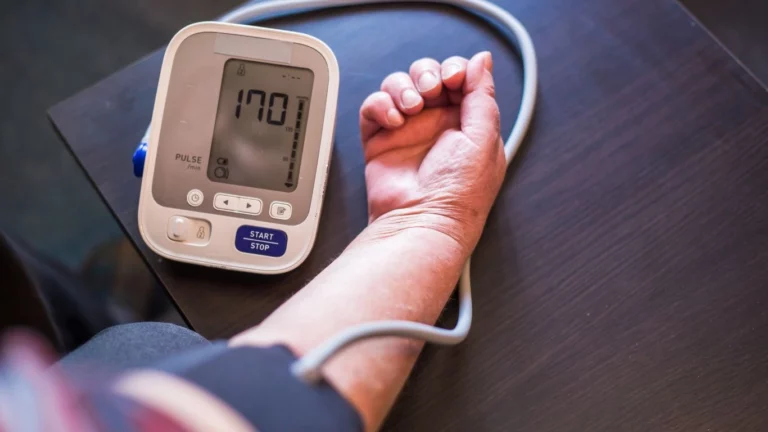
Struggling With Migraine Without Headache Postdrome Symptoms?
If you’ve ever had a strange foggy feeling, fatigue, or weird sensitivity to light and sounds that lingers even though your headache never came — you’re not imagining it. I’ve had moments where I felt completely drained, like I had just run a mental marathon, but there was no classic migraine pain. It turns out, there’s a real explanation for that: migraine without headache postdrome. And it’s surprisingly common — just not commonly recognized.
What Exactly Is Migraine Without Headache Postdrome?

The term might sound like a contradiction, but migraine without the actual headache — also known as acephalgic migraine or silent migraine — is real. And the postdrome that follows it? Just as real. It’s that lingering, hard-to-define aftermath that can make you feel off for hours or even days. You’re not sick in the traditional sense, but you’re also far from okay.
I first stumbled onto this when I felt mentally foggy and physically exhausted for two days — without a single minute of head pain. At the time, I had no idea it was migraine-related. But it clicked when I read about the different phases of a migraine. The postdrome phase, often dubbed the “migraine hangover,” doesn’t need a headache to exist.
Symptoms You Might Miss (Or Dismiss)
The tricky part? Symptoms of migraine postdrome without headache are subtle and easy to write off:
- Brain fog or difficulty focusing
- Unexplained fatigue
- Mood changes (irritability, depression, or even euphoria)
- Sensitivity to sound and light
- Digestive issues or nausea
- Stiffness in the neck or shoulders
You may think you’re just overtired or stressed, but these can absolutely be postdrome effects — even if you never got the headache. Some people even experience visual disturbances or nausea as part of this phase.
Why It Happens: What’s Going on in Your Brain
The exact mechanism behind migraine postdrome isn’t totally nailed down, but experts believe it’s related to how the brain processes pain, inflammation, and neurotransmitter shifts. Even if the pain portion of the migraine doesn’t show up, the neurological storm still occurs.
Studies have shown that brain activity during the postdrome is still altered, especially in regions like the occipital lobe and brainstem. Dopamine and serotonin imbalances might play a role too. According to research from ncbi.nlm.nih.gov and mayoclinic.org, there’s often a residual hypersensitivity in the brain’s pain centers — even when pain is absent.
That would explain why I’ve felt lightheaded and overstimulated for no good reason. It’s not “just stress,” like I used to think. It’s neurological, and it’s migraine-related.
Silent Migraines and Postdrome: A Double Whammy
Now here’s the kicker: If you get silent migraines, the postdrome can sneak up on you even more easily because there’s no dramatic “event” to mark the beginning. The absence of head pain often leads people (like I did) to dismiss the other symptoms as something else entirely.
It’s easy to ignore your body’s warning signs when you’re not in agony. But trust me, just because your head isn’t pounding doesn’t mean your brain isn’t recovering from something major.
How Long Does Migraine Postdrome Last Without the Headache?
Postdrome symptoms usually last between 12 to 48 hours, but for some people, they can drag on up to 72 hours. Personally, I’ve had episodes where I felt “off” for a full weekend — no headache, but just a strange low-grade fog and fatigue that refused to quit.
The real issue is that because there’s no headache, most people don’t even realize they’re in a migraine phase. You might push yourself too hard, not get the rest you need, and that can actually prolong the postdrome.
What Triggers This Type of Migraine?
Many of the usual suspects still apply:
- Stress or emotional changes
- Hormonal shifts
- Sleep disruption or poor sleep quality
- Dehydration
- Environmental triggers like weather changes
Some people report that lack of sleep or even certain foods can cause a postdrome without the pain portion ever kicking in. That was definitely the case for me when I was experimenting with intermittent fasting and overdid it one week.
Is It a Migraine Without Headache or Something Else?

One of the most frustrating parts is trying to figure out what’s actually going on. If you don’t get a headache, you might never consider migraine as the cause. This leads many people to chase down other diagnoses like chronic fatigue syndrome or even mild depression.
The reality is, these symptoms fall within the migraine spectrum. Recognizing that can lead to better tracking and better treatment. A neurologist or migraine specialist can help confirm the pattern — especially if you have a family history or past experience with migraines, even if they’re rare.
Tracking Matters More Than You Think
I started tracking my postdrome symptoms using a simple notes app — noting things like fatigue levels, mood, focus, light sensitivity, and what I ate or did before it hit. That’s when I started seeing the patterns. And when I brought that to my doctor, it finally made sense.
If you’re curious how to do this properly, this migraine diary guide helped me streamline things, especially during those weird symptom days where I’d otherwise be clueless.
Understanding migraine postdrome — even without headache — gave me permission to treat these episodes seriously. Not as something I could just “power through.” And that mindset shift helped more than any over-the-counter med ever did.
To get a broader understanding of the entire migraine experience, especially if you’re not sure what phase you’re in, the comprehensive guide on migraine symptoms breaks down every stage. It’s well worth the read.
And if you’re diving deeper into the full scope of migraines, the main migraine pillar covers everything from triggers to prevention methods in a way that actually makes sense.
Now that you know migraine without headache postdrome is a very real thing, the big question becomes: What can you actually do about it? If you’ve been stuck in a cycle of post-migraine fog, fatigue, and light sensitivity — without a single moment of head pain — there are real strategies that can help you manage and even prevent those lingering effects. I’ve tried just about everything, and some methods have made a noticeable difference.
How to Cope With Migraine Without Headache Postdrome
First off, acknowledge it. If you feel drained or mentally foggy after what you thought was just a “weird day,” your body might be telling you it went through a migraine cycle. Even without the pounding head pain, your brain still needs recovery time.
Here’s what I personally found useful during the postdrome:
- Sleep consistency – Getting 7–9 hours of solid sleep without interruptions became non-negotiable. I stopped scrolling before bed and it made a difference.
- Hydration – I keep a water bottle with electrolytes nearby all day. Dehydration seriously makes the fog worse.
- Gentle movement – Light stretching or a short walk outdoors actually helped ease the mental heaviness. Too much rest made me feel worse, oddly enough.
- Reduce stimulation – I dim the lights, silence my phone, and avoid busy places. My nervous system feels way too sensitive during postdrome.
- Limit screen time – I started using blue light filters and even adjusted my screen settings after reading this: screen settings to reduce migraines.
When I follow this routine, my recovery time shortens — and I feel like myself again faster.
Supplements That Help During Migraine Postdrome
While no supplement is a silver bullet, certain vitamins and minerals have helped me smooth out the postdrome phase:
- Magnesium – Often recommended by neurologists, and for good reason. I take magnesium glycinate which is gentle on the stomach.
- Vitamin B2 (Riboflavin) – A staple in migraine prevention. Some people swear by its role in reducing frequency and severity.
- CoQ10 – There’s some research backing it for migraine support, and I noticed fewer “off days” when I added it to my stack.
Here’s a helpful breakdown on Vitamin B2 for migraine relief and how it plays a role in energy production — crucial when you feel like your brain battery is drained.
Preventing Postdrome Episodes (Even If You Never Get Headaches)

The best way to manage migraine postdrome is to catch it before it spirals. I didn’t used to log my symptoms because, well — no headache, no problem, right? Wrong. After a few scary dizzy spells and full-body fatigue, I started tracking everything with brutal honesty.
That’s how I realized my “no-headache days” were just another kind of migraine — one that needed just as much care and attention. Over time, I built a toolkit that works more preventively now than reactively:
- Stick to consistent sleep and wake times (even on weekends)
- Identify patterns in stress or hormone changes
- Limit caffeine late in the day (this one took willpower!)
- Recognize early signs of sensory overload
I also found this article incredibly useful for addressing weekend migraine patterns, especially when your routine gets disrupted and your brain decides to act up in response.
Natural Approaches Worth Exploring
Everyone’s body reacts differently, but I’ve experimented with a few holistic approaches and found some to be surprisingly effective:
- Yoga – The slower the better. Gentle poses helped ease muscle tension and anxiety during postdrome.
- Aromatherapy – I was skeptical at first, but diffusing lavender or peppermint oil helps me feel grounded during foggy episodes.
- Magnesium-rich foods – Almonds, spinach, and dark chocolate (yep!) became staples in my grocery cart.
Here’s a good overview on how natural options can play a role: natural remedies for migraine. It’s a nice balance if you’re trying to avoid over-medicating during non-painful phases.
Is It Migraine, Anxiety, or Something Else?
One question that came up for me — and for many others I’ve talked to — is how to tell the difference between postdrome symptoms and general anxiety or burnout. Truth is, they overlap a lot.
Feeling wired, restless, or even numb after a silent migraine isn’t just in your head (well, ironically, it is, but you get what I mean). If you tend to feel off without a headache and also struggle with mental health shifts, it could be part of the migraine-anxiety cycle.
I’ve learned not to downplay either side of that equation. Supporting your mental health goes hand-in-hand with supporting your neurological health.
When to See a Specialist
If you’re repeatedly getting postdrome symptoms without clear triggers — and especially if they affect your daily life — seeing a neurologist is a smart step. I used to wait until I was desperate before making that call. Now, I’m quicker to act.
They may run basic tests or even recommend preventive medication if your postdrome episodes become chronic. And don’t be surprised if you’re advised to keep a detailed symptom log. It really is that useful.
You can learn more about the diagnostic process here — especially if you’re unsure whether what you’re experiencing qualifies as a “migraine” at all.
For deeper insight into what actually triggers and sustains migraines — headache or not — I highly recommend checking out the main resource on migraine triggers. It’s one of the most thorough breakdowns I’ve seen, and it helped me understand just how broad the migraine spectrum really is.

Bianca Nala is a compassionate Nurse Practitioner with a strong background in primary and respiratory care. As a health writer for Healthusias.com, she combines her clinical expertise with a talent for clear, relatable storytelling to help readers better understand their health. Bianca focuses on topics like asthma, COPD, chronic cough, and overall lung health, aiming to simplify complex medical topics without losing accuracy. Whether she’s treating patients or writing articles, Bianca is driven by a single goal: making quality healthcare knowledge accessible to everyone.