
Why Migraines Worsen With Barometric Changes
If you’ve ever had a pounding headache right before a storm rolls in or a sudden pressure shift, you’re definitely not imagining things. I used to think I was just “weather sensitive,” but the more I tracked my migraines, the more obvious the pattern became. That dreaded head pain would creep in every time the weather changed dramatically—especially when the air pressure dropped. Turns out, I’m not alone, and there’s real science behind why some of us are so affected by barometric pressure shifts.
Why Barometric Changes Mess With Our Heads

Barometric pressure is essentially the weight of the air around us. When it drops—like before a thunderstorm—our bodies can respond in pretty unpleasant ways. For people prone to migraines, this shift can trigger a cascade of symptoms. According to research, atmospheric changes can influence blood vessels, sinus cavities, and even neurotransmitters like serotonin—all of which are key players in migraine development.
It’s wild how sensitive the brain can be to changes in air pressure. Some neurologists believe that the outer layers of the brain (the meninges) might react to pressure drops by becoming inflamed or over-sensitized. That inflammation could be one reason migraines become more intense—or more frequent—when storms are brewing.
My Personal Experience With “Weather Headaches”

There was one week in spring when I got three migraines in just five days. I was tracking my food, sleep, hydration—everything. Nothing made sense until I checked a weather app with a barometric pressure graph. That week, the pressure had tanked each time I got a migraine. Since then, I’ve kept a migraine diary, and sure enough, those sharp drops often line up with my worst episodes.
If this sounds familiar, keeping a pressure-tracking app or a simple migraine diary could help you find your own patterns. Awareness is honestly half the battle.
What the Science Actually Says

There’s growing research on the link between weather and migraines, though it’s still a bit of a mixed bag. Some studies suggest that up to 50% of migraine sufferers report weather as a trigger. A 2015 study found that even small shifts in barometric pressure could provoke migraine attacks in susceptible individuals.
Other studies dive into how environmental changes affect the hypothalamus—the part of the brain that regulates homeostasis, including temperature and pressure. A shift in this region might explain the hormonal cascade and inflammatory response that sets off a migraine.
Still, not everyone agrees on the exact mechanism. Migraine triggers are notoriously individual. What sparks one person’s episode might have zero effect on someone else. But barometric pressure remains one of the more consistently reported environmental culprits.
Signs You Might Be Barometric-Sensitive

Common Red Flags:
- You tend to get migraines a few hours before a storm or cold front
- Your migraines are worse during seasonal changes (spring and fall)
- Weather apps often “predict” your headaches better than you can
If any of that sounds like you, it might be time to consider environmental stressors as a key factor. The good news is, you don’t have to suffer helplessly—there are strategies that can help you manage or even prevent barometric migraines altogether.
Tips to Stay Ahead of Pressure-Triggered Migraines

- Track the weather: Apps like WeatherX or Migraine Buddy let you follow pressure trends.
- Use pressure filters: Special earplugs like Eustachi or weather-filtering devices claim to help reduce the pressure differential your body feels.
- Hydrate and rest: Staying hydrated and getting consistent sleep can reduce your susceptibility to triggers.
- Pre-medicate smartly: Some neurologists recommend taking medication in advance if you see a pressure drop coming. Always consult your doctor first.
Some people even swear by using acupuncture or temperature therapy as alternative support. Personally, a cold compress, blackout curtains, and peppermint essential oil are my go-tos when I feel that weird “storm coming” sensation start to tingle behind my eyes.
Understanding Other Overlapping Triggers

It’s not always just the weather. Pressure-related migraines can be sneaky because they often overlap with other triggers like hormonal shifts, sleep disturbances, or even dietary triggers. It can be frustrating trying to isolate one culprit, which is why a comprehensive plan is essential.
Learn more about how multiple triggers can converge in the Migraine Triggers section of our guide. Understanding these connections helps build a solid prevention strategy—and reminds you that you’re not just being “overly sensitive.” Your brain’s just wired differently, and that’s okay.
For a complete overview of migraine types and triggers, visit our main migraines and headaches resource.
How to Prepare Your Body for Pressure Swings

I used to just wait for the migraine to hit and scramble after it started—but honestly, that approach wore me down. What helped me most was building a proactive routine, especially when a storm or cold front is forecasted. Your nervous system loves consistency, so even a few basic changes can dramatically shift how you respond when the pressure drops.
My “Weather Watch” Prep List
- Magnesium & hydration: Before major weather shifts, I double down on magnesium-rich foods or a supplement and make sure I’m super hydrated.
- Low-stimulation environment: I prep my room with blackout curtains, white noise, and have an ice pack ready just in case. It’s not paranoid—just prepared.
- Intentional sleep hygiene: I aim for 7–9 hours even if I’m not feeling tired. My neurologist reminded me that lack of sleep lowers my migraine threshold big time.
Keeping your body in balance is like giving it armor before battle. These small habits reduce the odds that barometric changes will totally hijack your day. When I started prepping like this, I noticed I was bouncing back faster—even if a migraine did sneak in.
Medications That Might Help (and When to Take Them)

Of course, medication is a major tool for managing weather-related migraines. Some doctors suggest a “mini dose” of preventative meds if you know a front is coming and you’re particularly sensitive. I’ve personally had success with over-the-counter options for lighter episodes, but for the gnarly ones, I need triptans or prescription meds.
If you deal with chronic barometric migraines, it’s worth talking to a neurologist about longer-term options like:
- CGRP inhibitors – These newer medications can help reduce frequency and severity for many people. Here’s an in-depth look at CGRP inhibitors.
- Botox injections – Not just for wrinkles. I was skeptical at first, but Botox has been approved for chronic migraine and works by reducing nerve activation. Learn more about it here.
- Natural supplements – Some studies point to magnesium, CoQ10, and vitamin B2 as helpful in regulating the brain’s response to triggers.
Again, timing is everything. If you know the pressure will dip tonight, taking medication proactively (under medical guidance) might prevent a full-blown attack. I always check the forecast during certain seasons—it’s honestly part of my self-care now.
Non-Medication Tools That Work Surprisingly Well
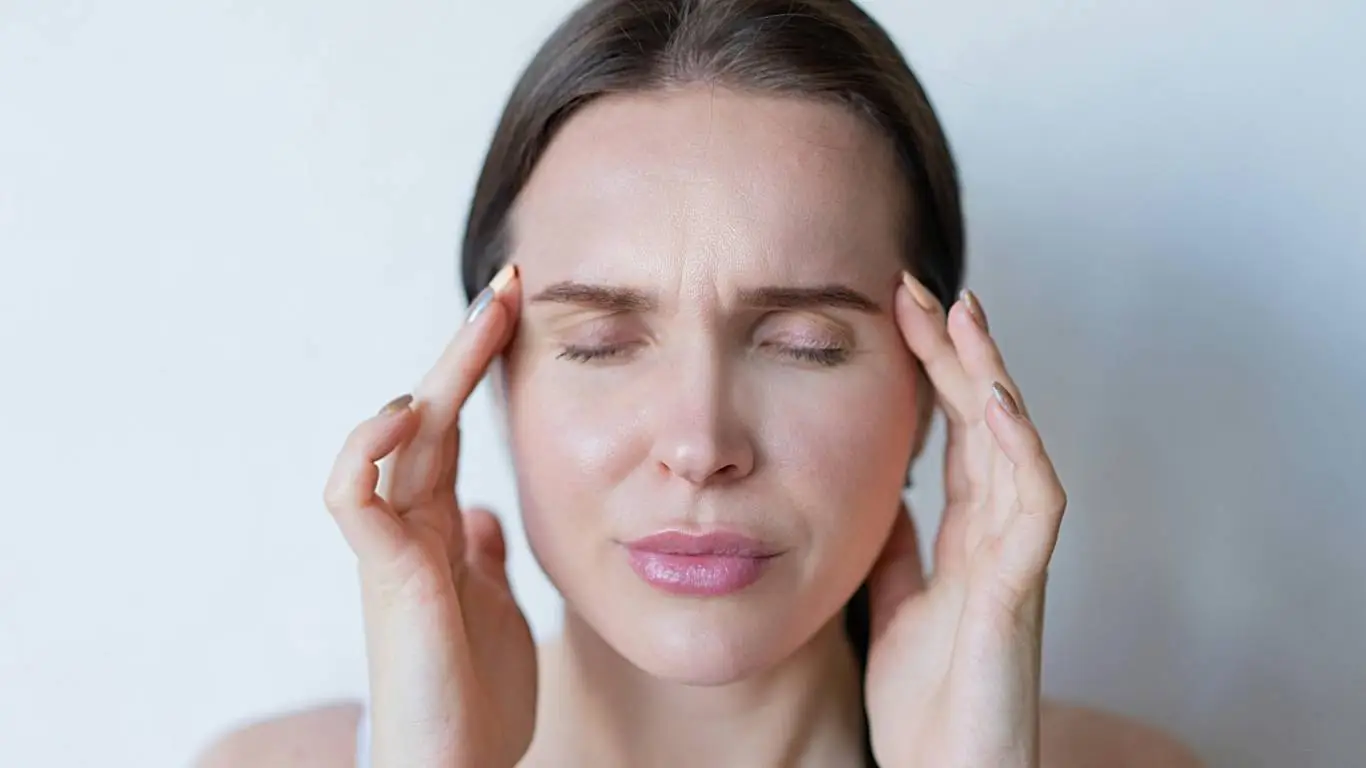
If meds aren’t your thing or you’re looking for something to stack with them, technology has come a long way. I’ve tried a few non-invasive migraine devices, and while not every one worked, a couple of them genuinely helped reduce my symptoms or abort a migraine early.
Here are some options worth exploring:
- Wearables like Cefaly and Nerivio – These devices stimulate nerves to reduce pain perception. You can find our review of the Nerivio wearable for more insight.
- Blue-light glasses – They might not fix the migraine itself, but they reduce eye strain during pressure shifts. My go-to is wearing them anytime a headache brews during a storm. Here’s more on blue-light protection.
- Pressure-filtering earplugs – Not just for plane rides. Some people feel more stable with barometric filters in their ears during weather changes.
These tools don’t replace medical care, but for me, they’re part of a layered approach that makes living with migraines way more manageable. Some days you just need a good pair of earplugs and dim lighting to stay sane.
What Doctors & Neurologists Say About Weather-Related Migraines

When I finally brought this up to my neurologist, I half expected an eye-roll. Instead, she nodded and said, “Yep, barometric changes are real triggers. I hear it all the time.” That validation felt so relieving. Migraines aren’t just “in your head”—they’re in your nervous system, blood vessels, and sensory processing centers.
Specialists emphasize that barometric migraines aren’t just about the pressure itself—it’s about the body’s response to change. That’s why consistent lifestyle habits, supportive tools, and when necessary, medication, all play a role.
If you haven’t yet, consider seeing a neurologist or a headache specialist. They can help you build a personalized plan, especially if your episodes increase during certain seasons or climates. There’s also a great overview of the diagnosis process in our guide on how migraines are diagnosed.
Should You Move to a Different Climate?

I get this question more than you’d expect: “Would moving help my migraines?” The short answer is… maybe. Some people do notice a difference after moving to a drier, more stable environment. But it’s not guaranteed. What tends to help more is understanding your triggers and adapting where you are before considering a big life change.
Barometric migraines happen in every climate. But if you’re dealing with frequent, brutal pressure shifts and nothing else is helping, it might be worth tracking your symptoms after a vacation or work trip to see how you feel in different weather zones. Sometimes a change of pace—even temporarily—can reveal a lot.
You can explore more holistic management tips in our guide on preventing migraines naturally.
And if you’re curious to understand the broader picture—including common triggers like light sensitivity, hormones, and sleep—you can visit our in-depth guide on Understanding Migraines, which ties everything together in a clear, actionable way.
For everything migraine—from causes and symptoms to treatment and research—check out our comprehensive main migraines and headaches hub.

Bianca Nala is a compassionate Nurse Practitioner with a strong background in primary and respiratory care. As a health writer for Healthusias.com, she combines her clinical expertise with a talent for clear, relatable storytelling to help readers better understand their health. Bianca focuses on topics like asthma, COPD, chronic cough, and overall lung health, aiming to simplify complex medical topics without losing accuracy. Whether she’s treating patients or writing articles, Bianca is driven by a single goal: making quality healthcare knowledge accessible to everyone.