Why Migraines During Menopause Can Get Worse and How to Cope
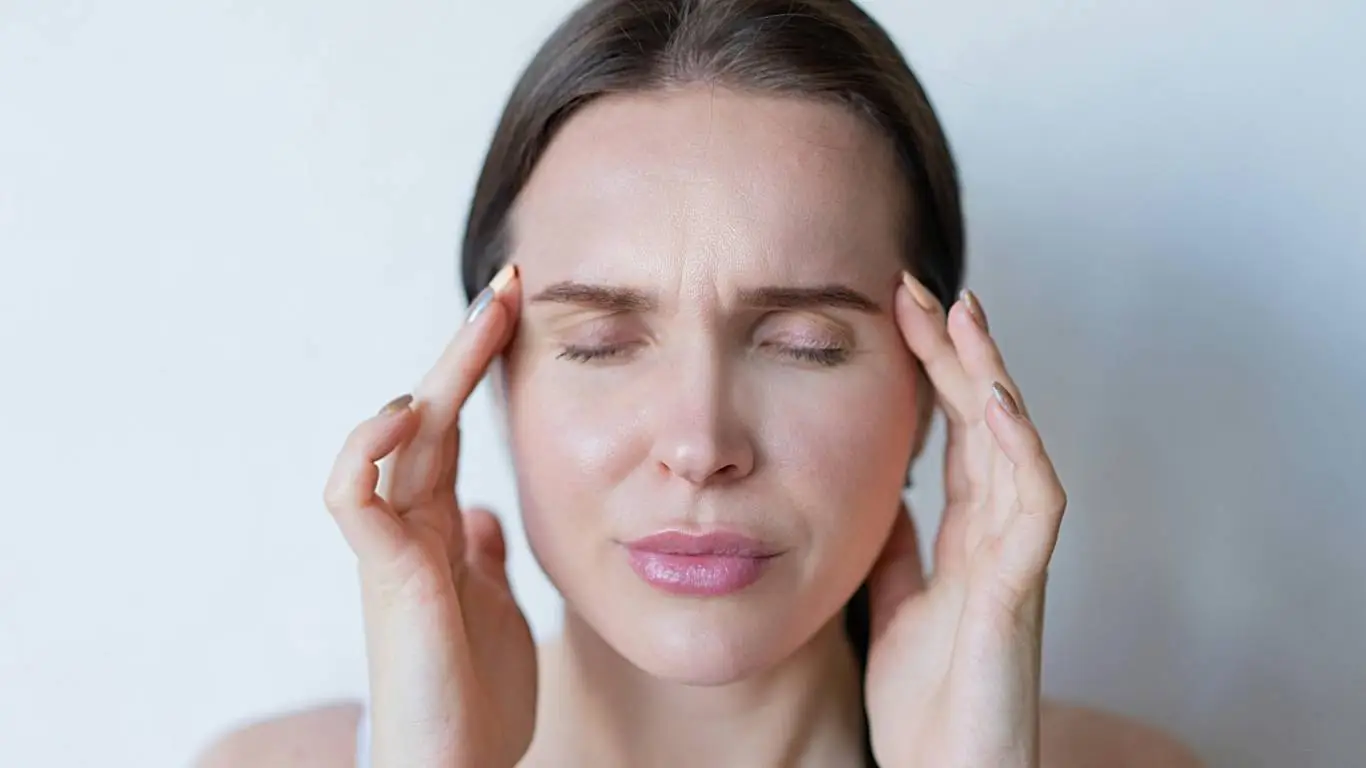
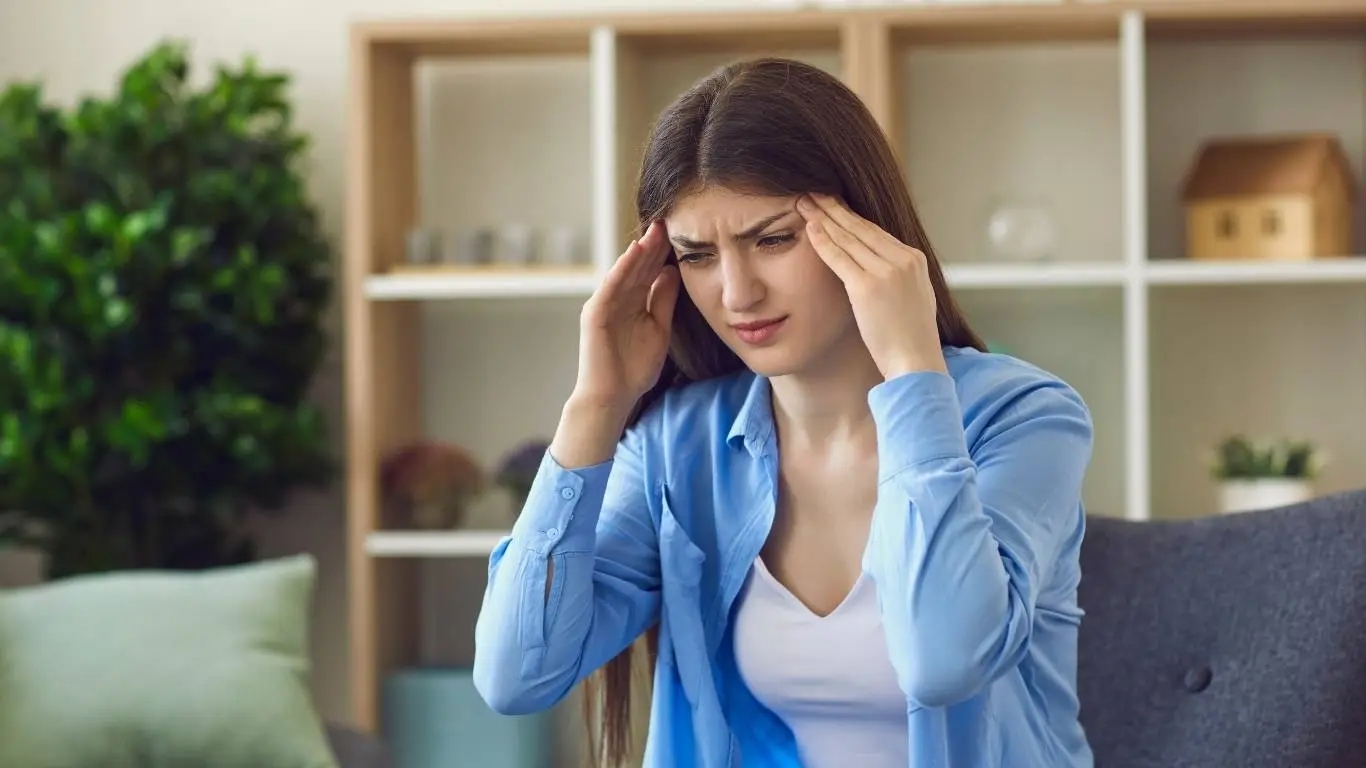
It started with a flicker of pain behind my left eye, something I brushed off as just another one of those hormonal shifts. But before I knew it, I was curled up in a dark room, the throb becoming unbearable. Welcome to the world of migraines during menopause—a realm many women don’t see coming until it hits hard. If you’re in your 40s or 50s and suddenly experiencing these crushing headaches, you’re not alone. And no, you’re not imagining things. There’s a real, biological reason behind this new chapter of migraines.
Understanding Migraines During Menopause

For some women, migraines get worse during menopause. For others, they ease up. The frustrating part? There’s no one-size-fits-all experience. Hormonal fluctuations, particularly declining estrogen levels, are often the main trigger. If you’ve always had menstrual migraines, chances are menopause might dial them up a notch before they eventually settle down.
What’s Really Going On With Hormones?
Estrogen is like the body’s chemical symphony conductor—when it’s balanced, everything hums smoothly. But as perimenopause kicks in, estrogen levels can fluctuate wildly. One day you’re fine, and the next, you’re hit with a migraine that sidelines you. This hormonal chaos directly affects neurotransmitters like serotonin, which play a big role in migraine sensitivity.
- Estrogen drop = increased migraine frequency
- Progesterone fluctuations may worsen inflammation
- Stress and sleep disturbances amplify it all
My Own Hormonal Headache Saga
I didn’t even know I was entering perimenopause until I found myself reaching for migraine meds every other week. It wasn’t until I tracked my symptoms and synced them with my cycle—or what was left of it—that the pattern made sense. A visit to my neurologist confirmed the connection. Hormones were doing a number on my brain.
For more detail on how hormonal changes influence migraine patterns, check out this breakdown on hormonal imbalance migraines.
Why Perimenopause Is the Wild Card

Unlike menopause—which is technically defined as going 12 months without a period—perimenopause is the unpredictable rollercoaster ride leading up to it. And that’s where migraines get sneaky. Your hormone levels don’t decline in a smooth curve. They spike and plummet, often without warning.
It’s during this time that many women first begin to notice a shift in their migraine patterns. You might find they:
- Occur more frequently around your (irregular) cycle
- Are more intense or longer-lasting
- Come with new symptoms like dizziness or nausea
If that sounds familiar, you’re not alone. Read more about stress-induced migraines since stress is often heightened in perimenopause as well.
Other Triggers Amplified During Menopause

Menopause isn’t just about hormones. There’s a cocktail of lifestyle and environmental changes that can fan the flames. And frankly, midlife brings with it a heap of potential culprits.
Sleep Disturbances
Insomnia becomes a nightly guest for many. Toss in a few night sweats and it’s no wonder you’re waking up with a pounding head. Sleep deprivation is a major migraine trigger.
Dig deeper into the sleep disorders and migraines connection here.
Diet Shifts
During menopause, your metabolism may slow down, pushing you toward new eating habits. But sudden diet changes, skipping meals, or overdoing caffeine can backfire. Watch out for food triggers like chocolate, aged cheeses, and wine.
Dehydration
This one surprised me. As estrogen drops, the body retains less fluid. If you’re not upping your water intake, migraines can creep in. Learn more about the dehydration-migraine link.
Increased Sensory Sensitivity
I noticed I was suddenly more sensitive to light, sound, even smells—classic migraine aura symptoms. Turns out, hormonal imbalance can heighten sensory perception. Here’s a guide on light and sound sensitivity during migraines.
Tracking your migraines is key. I personally use a migraine diary app, and let me tell you—it’s a game-changer. Once I started noting what I ate, how I slept, and where I was in my cycle (what little of it remained), patterns began to emerge. From there, it became easier to plan ahead or adjust my lifestyle when I sensed one coming on.
Use this helpful migraine diary guide to start tracking your symptoms effectively.
Need a foundational understanding of migraines and why they behave the way they do? Visit our comprehensive migraine overview.
Also, for a broader context on migraines and how they affect different populations, including women in menopause, check out this main resource on migraines and headaches.
Some helpful additional reading on hormone-migraine connections can be found at ncbi.nlm.nih.gov and clevelandclinic.org, both excellent for evidence-based insights.
Managing Migraines During and After Menopause

Now that you know what’s happening behind the scenes, the next step is figuring out how to actually live through it. Managing migraines during menopause isn’t just about popping pills—it’s a holistic, trial-and-error process. And honestly, it took me months to land on a routine that worked. Let’s break down some practical and science-backed ways to handle it all.
1. Hormone Therapy: Helpful or Harmful?
This one’s a hot topic. Some women swear by hormone replacement therapy (HRT) to balance estrogen and reduce migraines. Others find it worsens things. That’s because the relationship between estrogen and migraines is complex—it’s not just about low levels, but how much they fluctuate.
Low-dose, continuous HRT may be helpful, especially in transdermal form (patches or gels). But it’s not for everyone, and definitely something to discuss with your doctor. Learn how prescription migraine options fit into the HRT conversation too.
2. Over-the-Counter and Prescription Meds
If you’re like me, you’ve probably tried everything from ibuprofen to triptans. And sometimes they work. Sometimes, not so much. It’s important to tailor your medication approach:
- Acute treatments: like NSAIDs, triptans
- Preventive meds: beta-blockers, antidepressants, CGRP inhibitors
- Rescue meds: if nothing else works
I’ve had luck rotating between triptans and naproxen, but your needs may differ. Explore the full range of OTC options here and learn about newer treatments like CGRP inhibitors.
3. Non-Drug Therapies Worth Trying
There’s something incredibly empowering about managing migraines without relying solely on meds. In my case, it took some experimenting, but a combination of non-pharmaceutical tools became part of my daily routine.
- Acupuncture – I was skeptical, but after a few sessions, the results were real. It’s not a cure, but it reduced the frequency for me.
- Biofeedback – Learning to control physiological stress responses actually helped shorten the duration of my attacks.
- CBT – Yep, therapy. Cognitive behavioral therapy taught me how to recognize patterns and reduce anxiety around migraines.
Explore more on biofeedback for migraine and CBT benefits here.
Lifestyle Hacks That Actually Help

After months of living in migraine limbo, I made small but consistent lifestyle tweaks that changed everything. These aren’t gimmicks—they’re simple practices backed by real data (and experience).
Eat for Migraine Stability
I used to skip meals out of convenience. Turns out, that’s migraine bait. I started eating smaller, protein-rich meals every 3–4 hours. I also ditched wine and processed snacks. My migraines didn’t vanish, but they became predictable and less severe.
Check out a full list of foods that can trigger migraines and foods that actually help.
Stay Hydrated and Supplement Smart
It sounds obvious, but consistent hydration made a noticeable difference. I also added magnesium and B2 supplements, which some studies show can help reduce migraine frequency. Read more on magnesium for migraines and B2 & B6 vitamins.
Sleep Like It’s Your Job
This one’s tough with menopause-related insomnia, but I set a strict wind-down routine. Same bedtime, no screens, herbal teas—eventually, my body got the message. Quality sleep became my best migraine prevention tool. Want more? Here’s a guide on healthy sleep habits for migraine sufferers.
Move Your Body (Gently)
I’m not a gym rat. But I walk every day, do yoga twice a week, and occasionally swim. Movement helps release endorphins and reduces stress—which, surprise, also helps migraines. If intense workouts trigger your headaches, try low-impact routines. More on this in yoga for migraine relief and how exercise and migraines are connected.
Smart Devices and Gadgets

One of the best discoveries I made was migraine-friendly devices. I tried the Cefaly headband after seeing it mentioned in a migraine group—it’s a bit pricey, but the neuromodulation is worth trying. Others rave about the Nerivio armband. Smartwatches with built-in migraine trackers are handy too.
Check out this roundup of top migraine relief devices and reviews for tools like Cefaly and Nerivio.
Don’t Underestimate Sunglasses and Earplugs
I now carry a pair of tinted migraine glasses everywhere. Noise-canceling earplugs are lifesavers in loud places. These small investments go a long way toward reducing triggers. You can find more info on earplugs for sound sensitivity and blue light glasses.
When to See a Specialist

If your migraines are disabling, unpredictable, or just plain scary, don’t tough it out. Seeing a neurologist changed the game for me. They helped me piece together patterns I wouldn’t have caught alone and recommended a treatment plan that felt personalized.
Not sure what to expect from a consult? Here’s what it’s like to visit a neurologist for migraines.
Want a complete view of your treatment options and how to build a plan with your doctor? Explore our full guide to migraine treatment.
Looking for more context on symptoms, triggers, and treatments? See the broader overview on migraines and headaches.
For evidence-based treatment paths and more on hormone-related migraines, sources like mayoclinic.org and webmd.com offer great insights.

Bianca Nala is a compassionate Nurse Practitioner with a strong background in primary and respiratory care. As a health writer for Healthusias.com, she combines her clinical expertise with a talent for clear, relatable storytelling to help readers better understand their health. Bianca focuses on topics like asthma, COPD, chronic cough, and overall lung health, aiming to simplify complex medical topics without losing accuracy. Whether she’s treating patients or writing articles, Bianca is driven by a single goal: making quality healthcare knowledge accessible to everyone.