How Migraines From Bright Lights At Night Can Wreck Your Sleep
Not too long ago, I found myself squinting at my phone screen late at night, feeling this dull throb creeping behind my eyes. What started as mild discomfort would soon build into something far more intense. It wasn’t until I made the connection that bright lights at night—streetlights, headlights, and yes, that glowing phone screen—were quietly triggering migraines that I truly began to change my habits. If you’re dealing with migraines from bright lights at night, you’re not imagining things. It’s a real, frustrating issue—and you’re far from alone.
Why Bright Lights at Night Can Wreck Your Brain
Light sensitivity, or photophobia, is a pretty common migraine symptom. But it’s not just about light during the day. Nighttime exposure to certain types of light can be an especially powerful trigger for some people. The worst offenders? Bright, artificial light sources—like LED headlights, fluorescent bulbs, and yes, your beloved backlit screens.
The Science Behind the Pain
When your eyes take in harsh light, it can overstimulate the trigeminal nerve pathway, which is closely linked to migraine pain. Blue light in particular (the kind emitted from most screens and modern LED bulbs) can mess with your circadian rhythm and messier still—your neurological balance. This is especially bad if you’re already prone to migraines.
In fact, according to the American Academy of Ophthalmology, exposure to blue light at night not only disrupts sleep cycles but may aggravate neurological symptoms like migraines. It’s not just about avoiding bright lights—it’s about knowing which lights, and when.
Common Culprits You Might Be Overlooking
- Car headlights: Those new xenon or LED headlights can feel like laser beams when they hit you straight on.
- Streetlights: They might seem dim from afar, but the glare they produce—especially when combined with a damp windshield—can really mess with you.
- Digital screens: Laptops, phones, tablets, and even modern TVs can all emit high-intensity blue light.
- Indoor lighting: Overhead LEDs or even flickering fluorescents in office spaces or homes often trigger or intensify migraines for sensitive people.
If you’ve ever felt a migraine start brewing after scrolling TikTok in the dark or taking a nighttime drive, you’re probably already connecting the dots.
Symptoms: What It Feels Like (If You Know, You Know)
For me, it starts with this gritty sensation behind the eyes—like they’re drying out or straining. That’s often followed by a slow-building pressure, and eventually, that unmistakable throb. Other people report:
- Eye strain and tearing
- Throbbing pain localized on one side of the head
- Nausea, especially when exposed to light again
- Dizziness or feeling off balance
- Fatigue even after sleeping well
Sound familiar? That combo of light sensitivity and night exposure is a classic pattern. And it’s more common than you’d think. According to Mayo Clinic, photophobia plays a key role in many types of migraine presentations.
Who’s Most Affected?

While anyone can be hit by migraines triggered by light, there are certain groups more prone to this specific pattern:
- People with aura migraines: Visual disturbances make light sensitivity worse. Migraine with aura is heavily linked to visual triggers.
- Shift workers or night owls: Irregular sleep and extended screen time can increase vulnerability.
- Those with hormonal sensitivities: Women experiencing menstrual migraines often report heightened light sensitivity around their cycle.
What You Can Actually Do About It

When I finally admitted night lights were a problem for me, I tried everything. Some stuff helped, some didn’t—but here’s what actually made a difference:
1. Use Night Mode Everything
Phones, laptops, and even some TVs now come with night filters. Set them to auto-activate after sunset. Better yet, add a pair of blue-light blocking glasses to the mix. You’d be amazed what a tiny lens can do when worn consistently.
2. Switch Your Bulbs
If your home uses harsh LEDs, swap them for warm-toned alternatives. Flicker-free and low-lumen bulbs are now easy to find—and easy on the brain.
3. Wind Down Early
This one’s underrated. If you’re in front of a screen or under bright lights till midnight, your brain stays overstimulated. I started winding down two hours before sleep—lights dimmed, screens off, maybe some gentle music. Game changer.
4. Track Your Triggers
A headache diary can really connect the dots. Use this guide to starting a migraine diary and pay close attention to patterns involving nighttime exposure.
There’s more you can try—from light-sensitive lenses to physical shielding methods—but those simple shifts above? They helped me reduce my attacks by almost half.
More Help, Real Help

If this sounds like your life, don’t just power through it. Talk to a neurologist or headache specialist. Learn more about what triggers migraines and how you can actively manage your environment.
Explore the full overview of migraines and headaches to dig deeper into lifestyle changes, treatment options, and prevention tools. You can also start with the prevention guide for practical everyday tactics that build long-term protection.
Environmental Tweaks That Make a Real Difference
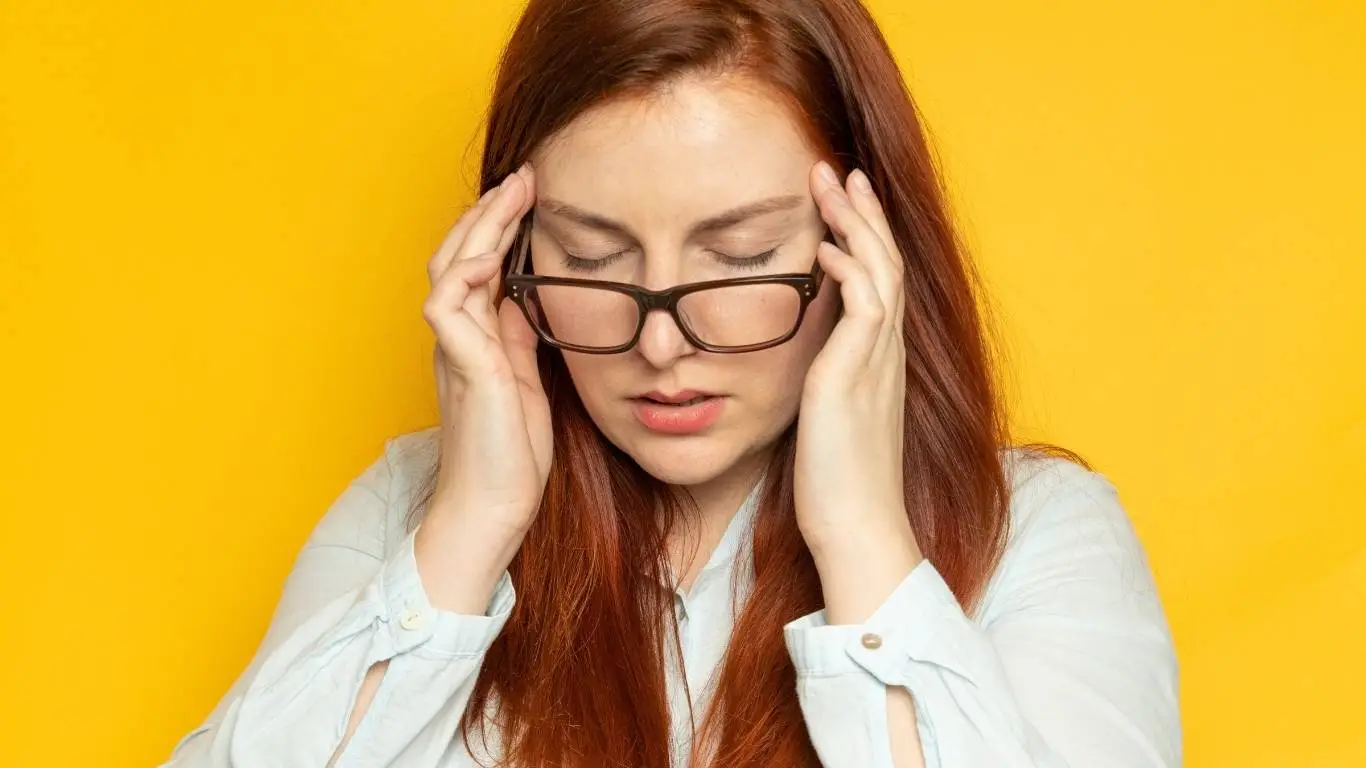
One of the most practical things I did was change my space. It wasn’t drastic. It started with dimmer switches and blackout curtains. You don’t need a fancy lighting system—just a few smart swaps that reduce nighttime glare can change your entire evening vibe.
- Soft, indirect lighting: Lamps with warm bulbs beat ceiling lights any day.
- Light-blocking curtains: Especially useful if your bedroom faces a bright streetlamp.
- Low-light night lights: Enough to guide you at night without shocking your system.
If you share your space with someone who loves full blast lighting, consider using tools for sensory management like eye masks or earplugs. It’s not weird—it’s self-defense.
The Power of Consistency (Even When Life Gets Crazy)

Most of the time, it’s not just one thing causing your migraine. It’s the perfect storm. Bright lights at night + bad sleep + stress + skipping meals? Boom—migraine central. I’ve found that consistency wins more than anything else.
Routines That Actually Help
- Stick to regular sleep and wake times—even on weekends.
- Eat balanced meals and avoid long gaps between eating.
- Hydrate. Seriously. Dehydration is a sneak attack trigger.
- Set wind-down time where no screens, harsh lights, or multitasking is allowed.
When I got into a rhythm, my body became less reactive. That “hyper-alert” feeling at night faded. Some days are still tough, but the crashes are fewer and less brutal.
Tech and Tools That Actually Work

Not all tech is the enemy. Some gadgets are total lifesavers. I was skeptical about wearables and filters until I actually tried them.
Things Worth Trying (That I’ve Actually Used)
- Wearable migraine devices: Some like Cefaly offer gentle nerve stimulation that can cut down the severity and frequency of light-triggered migraines.
- Smart bulbs: Adjustable color temperature lets you tune light to your needs throughout the day.
- Glasses with FL-41 lenses: Designed to filter out harsh light. They’re especially helpful in the evening and while driving.
If you’re more of a minimalist, even just a blue light filter app on your devices (there are many free ones) can offer surprising relief. And yes, dimming your dashboard at night helps, too. Tiny changes, big wins.
Hidden Triggers That Work with Light to Sabotage You

It took me a while to realize it wasn’t just the light—it was how it worked with other triggers that made things worse. Bright lights at night often team up with:
- Stress: Emotional or physical stress makes you more vulnerable to all types of migraine triggers.
- Lack of sleep: Disrupted melatonin rhythms due to bright light exposure don’t just mess with rest—they raise migraine risk.
- Hormonal shifts: Particularly during periods, pregnancy, or menopause. Check out these hormonal migraine patterns.
- Poor posture while scrolling: Believe it or not, neck tension from looking down at a screen in the dark can contribute to migraine onset. It’s a whole thing.
Understanding these combinations made me more forgiving with myself. It’s not always one thing—sometimes your system just hits capacity.
When It’s Time to Get Help

If migraines from light at night are wrecking your evenings, it’s worth speaking with a professional. Too often, people try to “tough it out.” I did that for years. When I finally talked to a neurologist, we came up with a real plan that included light avoidance strategies, supplements, and even tracking apps.
Explore treatment options such as prescription medications or natural methods like yoga for migraine relief. Everyone’s solution looks different—but there are more paths than you might think.
To get a broader understanding of treatment possibilities, check out the full migraine treatment overview.
Closing Light: You’re Not Imagining This

Living with migraines triggered by bright lights at night can feel isolating and relentless. But you’re not imagining it—and you’re definitely not weak for struggling with it. The triggers are real. The impact is real. And, thankfully, the solutions can be just as real.
Start by understanding your patterns. Then make small changes—lighting, habits, screens, routines. You don’t have to overhaul everything overnight. Little adjustments add up.
If this topic hit home, take time to explore the comprehensive guide on understanding migraines. And for a broader look at how migraines fit into your daily life, dive into the main pillar article to explore the full ecosystem of causes, prevention, and personalized care strategies.

Bianca Nala is a compassionate Nurse Practitioner with a strong background in primary and respiratory care. As a health writer for Healthusias.com, she combines her clinical expertise with a talent for clear, relatable storytelling to help readers better understand their health. Bianca focuses on topics like asthma, COPD, chronic cough, and overall lung health, aiming to simplify complex medical topics without losing accuracy. Whether she’s treating patients or writing articles, Bianca is driven by a single goal: making quality healthcare knowledge accessible to everyone.