Why Migraines In Perimenopause Women Feel Worse With Age
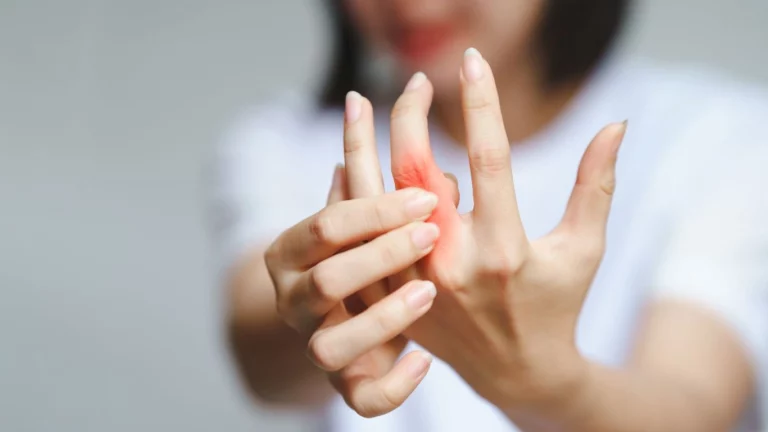
About a year ago, I started noticing this strange pattern—right around my cycle, a heavy fog would roll into my head, like thunderclouds waiting to burst. At first, I chalked it up to stress, maybe hormones, maybe too much coffee. But when it kept happening like clockwork, I knew something was up. Turns out, I wasn’t just being dramatic—it was migraines, and not just any kind. Migraines in perimenopausal women are a beast of their own. They’re sneaky, unpredictable, and stubborn. If you’re in that perimenopausal phase of life and your headaches suddenly feel more intense or just… different, you’re not alone.
Understanding Migraines in Perimenopausal Women

Perimenopause is that transitional period before menopause where your hormones start fluctuating wildly—estrogen and progesterone, in particular. These hormonal shifts can trigger or worsen migraines. For some women, it’s their first time experiencing migraines; for others, it’s an old enemy reawakening.
Estrogen plays a major role in the brain’s chemical balance, and when it drops rapidly—as it often does in perimenopause—it can increase the likelihood and severity of migraine attacks. You may also notice a shift in your usual triggers or symptoms. Migraines that used to show up every few months might now appear several times a week.
Why Perimenopause Changes the Migraine Game
- Estrogen withdrawal is a key trigger, especially right before your period during perimenopause.
- Your serotonin levels may dip during hormonal changes, influencing pain sensitivity.
- Sleep disturbances, another hallmark of perimenopause, can make migraines more frequent and harder to manage.
According to research from the NIH, women in their 40s and early 50s often report an uptick in migraine attacks during this transition. Not just in frequency but also in how long they last and how they respond to treatment.
Common Symptoms and How They May Shift

One thing I noticed personally? The pain started to radiate behind my eyes, and light sensitivity became unbearable—something that had never happened before. If your migraine symptoms feel unfamiliar, you’re not imagining things.
- Increased sensitivity to light and sound
- Visual disturbances or aura that lasts longer
- Worsening nausea and dizziness
- Brain fog and memory lapses
- New pain locations (like the back of your neck)
Check out more signs of migraine warning signs that many women miss during perimenopause. It’s not always just the pain—it’s the whole package of fatigue, irritability, and confusion that can sneak up on you.
Triggers Unique to Perimenopausal Migraines
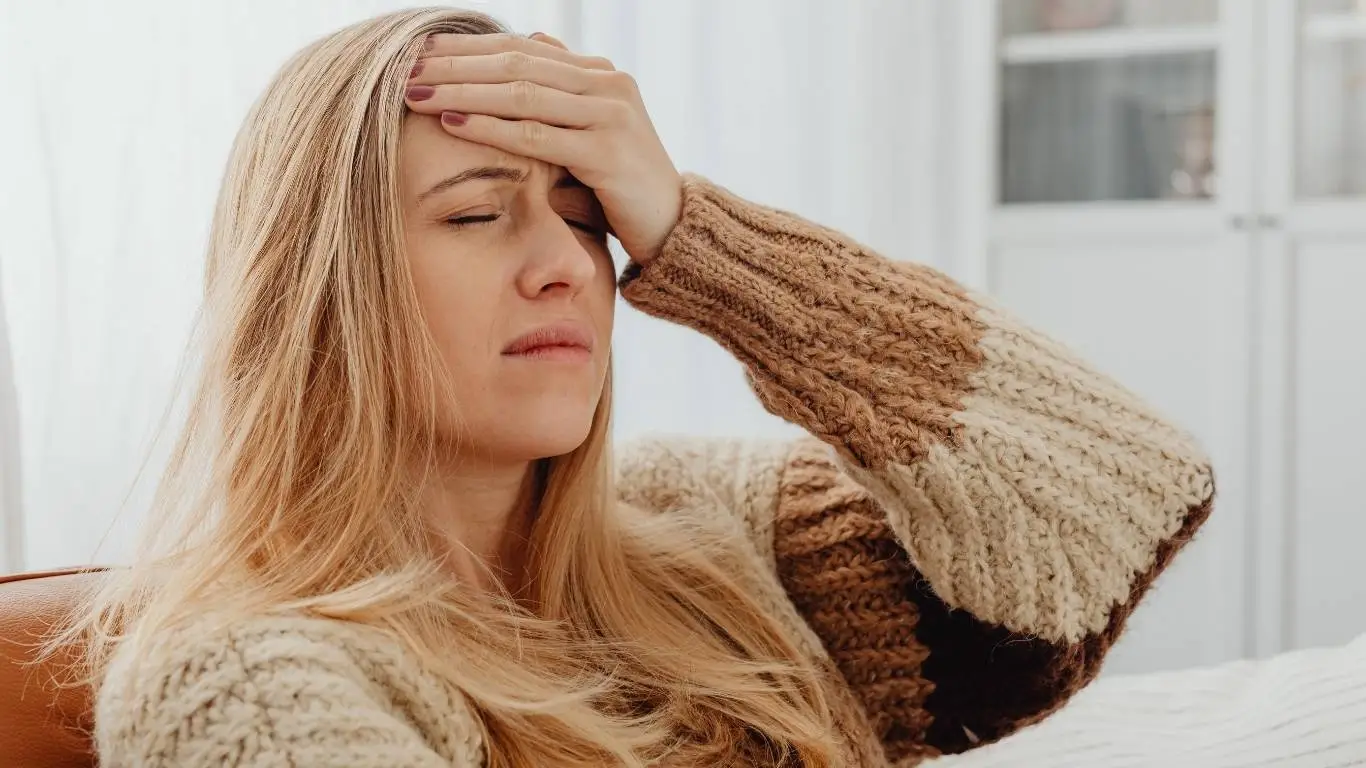
Let’s talk triggers. You probably already know the usual suspects—red wine, aged cheese, skipped meals. But in perimenopause, your body rewrites the rulebook. A good night’s sleep suddenly isn’t enough. You start reacting to things that never bothered you before.
Common new migraine triggers in perimenopause include:
- Hormonal fluctuations—especially during irregular cycles
- Hot flashes and night sweats that interrupt sleep
- New sensitivities to caffeine or sugar
- Heightened emotional stress or anxiety
- Changes in medication or birth control usage
If you’ve recently started birth control again for hormone balancing, that might be contributing too. It’s always a smart idea to track what’s going on. And yes, there’s a migraine diary guide that can help you make sense of it all.
Treatment Options That Actually Work (Because Some Don’t)

Full disclosure—I’ve tried it all. From heating pads to hormone creams to CBD gummies. Some helped. Some were a total waste of time and money. What worked best? A mix of approaches and a whole lot of patience.
Medications and Therapies
- Triptans – They’re still the go-to for many, especially when taken early.
- Prescription migraine drugs – Ask your doctor about hormone-safe options if you’re over 40.
- Botox injections – Sounds extreme, but it’s FDA-approved and surprisingly effective.
- Supplements like magnesium and B2 – They’ve become staples in my daily routine.
Some women also find relief through Cognitive Behavioral Therapy (CBT), especially if stress and anxiety are key triggers. It’s not woo-woo; it’s actually grounded in science and often covered by insurance.
Natural and Lifestyle Approaches
Don’t underestimate the power of the basics—hydration, regular meals, sleep hygiene. I made small tweaks like switching to blackout curtains and turning off screens an hour before bed, and it actually helped. Oh, and yoga? Not just trendy—it’s been shown to reduce the intensity of hormonal migraines.
If you’re interested in the holistic side of things, check out the natural remedies section. Some of it sounds suspiciously like your grandma’s advice—but sometimes, grandma knew what she was talking about.
Want the full breakdown on treatment? The migraine treatment pillar page is a solid resource that keeps it real, backed by up-to-date options. For a broader overview, don’t skip the main migraine guide—you’ll find plenty that applies to this phase of life.
Prevention Strategies That Make a Difference
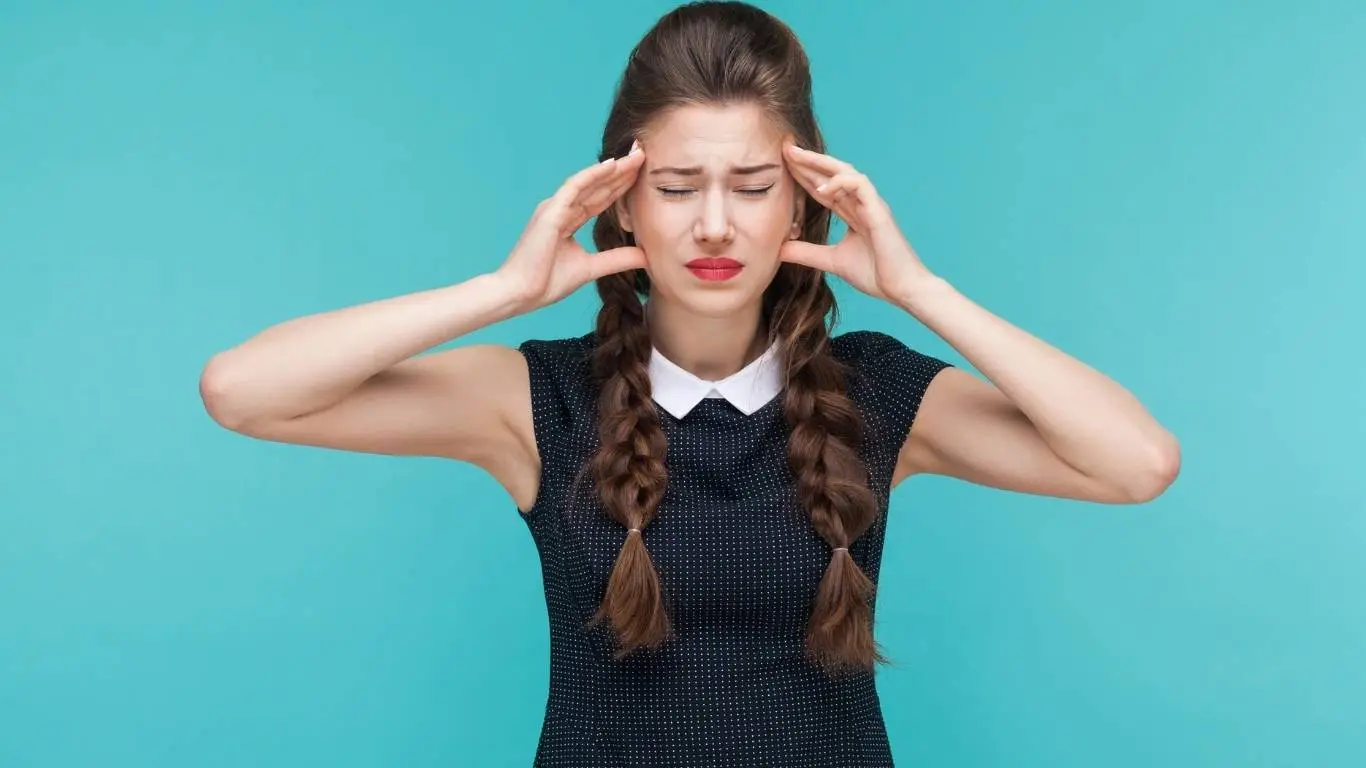
Let me tell you—waiting for the next migraine to hit is exhausting. It’s like walking around with an invisible countdown. That’s why prevention became my holy grail. If you’re dealing with migraines in perimenopause, *managing* triggers is half the battle, but learning how to prevent them entirely? Game changer.
Establishing a New Routine
My schedule had to evolve. The late-night TV binges? Gone. Random meals? Nope. Instead, I shifted into a rhythm that supported my brain, hormones, and energy:
- Wake and sleep at the same time daily — Your brain likes predictability
- Hydrate early — Starting with lemon water helped reduce my morning fog
- Exercise smart — Yoga and low-impact movement made a bigger difference than intense workouts
If you haven’t read it yet, take a peek at this breakdown on sleep habits and migraines—I found some gold nuggets there that improved my sleep and kept migraines from spiraling.
Food & Supplements That Help
I didn’t go full kale smoothie and turmeric shots, but I did make some changes. I reduced processed foods, tracked reactions, and leaned into brain-friendly nutrition. Small changes add up. Here’s what helped:
- Best foods for migraine – Think magnesium-rich greens, avocados, chia seeds
- B2 and B6 – These were surprisingly effective in keeping attacks shorter
- Omega-3s – Goodbye dry eyes, hello better brain balance
And yes, hydration played a bigger role than I thought. Dehydration in your 40s hits harder, and it’s a silent trigger for many women. Learn more about the link between dehydration and migraines.
Alternative Therapies That Actually Work

I’ll be real: I was skeptical of acupuncture. But after hearing a friend rave about it, I gave it a shot—and shockingly, it worked better than some meds. Not immediately, but over several weeks, the frequency of attacks dropped.
Acupuncture, CBT, and even biofeedback are worth exploring if conventional routes haven’t worked for you. These non-pharma therapies are also great if you’re trying to avoid piling on medications during perimenopause.
Other therapies gaining traction:
- Yoga – Great for mental clarity and hormone balance
- Hot/cold therapy – Try contrast showers in the morning to reset your system
- Essential oils – Peppermint and lavender are my go-tos on bad days
And don’t forget to explore the natural migraine remedies section if you want a mix of eastern and western strategies.
Tech and Tools for the 2025 Migraine Warrior
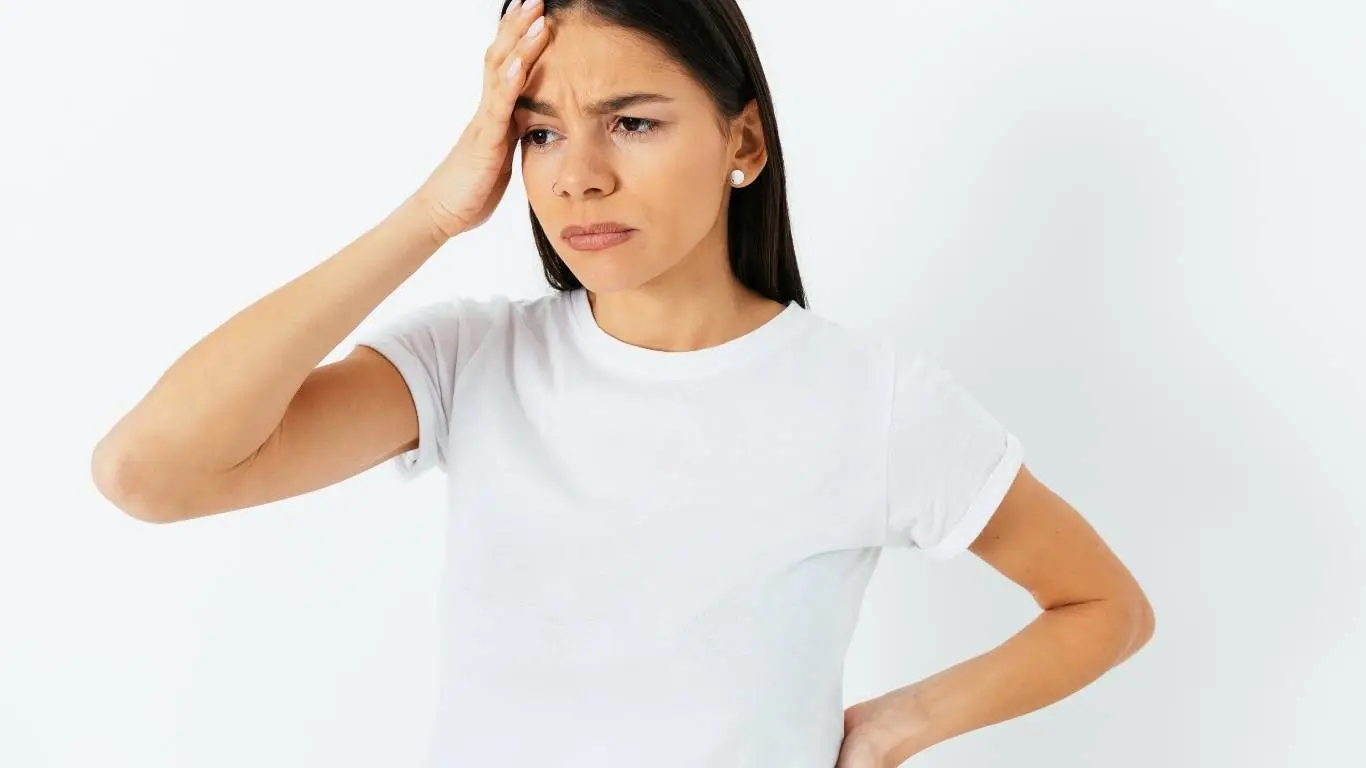
Perimenopausal migraines are stubborn—but so are we. Thankfully, tech is catching up with our pain. A few smart tools made a serious difference for me, especially when meds weren’t enough or I just wanted to avoid side effects.
Wearables & Devices Worth Trying
- Cefaly – This one goes on your forehead and helps reduce the frequency of attacks
- Nerivio – Wearable, drug-free, and Bluetooth-controlled. Surprisingly futuristic and effective
- Tracking apps – Helped me identify patterns I couldn’t see on paper
If sensitivity to light and noise is part of your attacks (it is for me), tools like blue light glasses and earplugs are game changers.
Also worth bookmarking is the full guide on migraine devices. From budget-friendly to clinical-grade gear, it covers all the angles.
When to See a Specialist (And What to Expect)

There came a point when I knew I needed help beyond Google and forums. That’s when I made the move to see a neurologist. If you’re finding that your perimenopausal migraines are too frequent, too intense, or just unresponsive, it might be time to talk to a specialist.
Don’t wait too long. I dragged my feet for months and wished I had gone sooner. A good neurologist will help you map out a custom plan and make sense of your hormonal patterns. Check out what to expect from a migraine neurologist—it helped ease my nerves before the first visit.
Tests and Conversations to Expect
- Medical history + symptom timeline
- Discussion around hormone fluctuations and HRT
- Options for imaging if needed (like MRI)
- Customized medication and lifestyle plan
If you haven’t yet explored the broader picture, I highly recommend browsing the diagnosis section. It offers clarity on how migraines are formally diagnosed, especially when hormones are in the mix.
Whether you’re managing migraines naturally, with medication, or a mix of both, the key is this: you are not stuck. Options exist, and the science is evolving. I promise you—it gets better when you start tailoring your strategy to where your body is right now.

Bianca Nala is a compassionate Nurse Practitioner with a strong background in primary and respiratory care. As a health writer for Healthusias.com, she combines her clinical expertise with a talent for clear, relatable storytelling to help readers better understand their health. Bianca focuses on topics like asthma, COPD, chronic cough, and overall lung health, aiming to simplify complex medical topics without losing accuracy. Whether she’s treating patients or writing articles, Bianca is driven by a single goal: making quality healthcare knowledge accessible to everyone.