Why Migraines While Using Birth Control Pills Can Get Worse
It started in my early twenties—sharp, pounding headaches that seemed to sync perfectly with the tiny pink pill I took every morning. At first, I thought it was stress, maybe dehydration or lack of sleep. But the more consistent the pill routine got, the more frequent the migraines became. If you’ve ever experienced migraines while on birth control pills, you know exactly how disruptive and unpredictable they can be. And honestly? The confusion around whether to stop the pill or switch brands just adds to the stress. Let’s unpack this together.
Understanding the Link Between Birth Control and Migraines

So, what’s the connection here? It’s not just you. Migraines triggered by hormonal changes are very real. Estrogen, specifically, plays a starring role. Birth control pills, especially combination ones, manipulate your body’s natural hormonal rhythm—which can be great for managing periods but not so great for migraine-prone individuals.
Some people experience migraines during the placebo (sugar pill) week, when estrogen drops. Others feel it shortly after starting or switching pills. It varies wildly, and that’s what makes it tricky.
Why Estrogen Fluctuation Matters
The quick rise and fall of estrogen can affect the brain’s blood vessels and neurotransmitters, potentially leading to inflammation, narrowing of blood vessels, or increased pain sensitivity—all classic migraine setups.
- Low estrogen migraines: Typically occur during the pill-free week.
- High estrogen migraines: Sometimes appear after starting pills with high estrogen levels.
If you’re wondering, hormonal migraine triggers are one of the most common patterns in people assigned female at birth.
Symptoms to Watch Out For

Migraines related to birth control don’t always follow the usual rules. Here are some signs yours might be connected to the pill:
- Throbbing or pulsating pain on one side of the head
- Sensitivity to light or sound
- Nausea or even vomiting
- Visual disturbances (auras)
- Onset within 1–3 days of starting or stopping your pill pack
Tracking these symptoms in a migraine diary can help identify patterns and guide you and your doctor toward a tailored solution.
Are All Birth Control Pills Equal for Migraine Sufferers?

Short answer: not even close. Combination pills (estrogen + progestin) are more likely to trigger migraines compared to progestin-only options like the mini pill. That’s why many neurologists and OBGYNs recommend switching if migraines become too intense or frequent.
If you’re already prone to migraine with aura, this is even more critical. Estrogen-containing pills may increase the risk of stroke in these cases, which is why many providers advise against them altogether for this group.
The key is personalization. For me, switching to a lower-dose estrogen pill reduced the intensity. For others, a complete shift to progestin-only or non-hormonal contraception might be the answer.
Options Worth Discussing With Your Doctor
- Low-dose estrogen pills (20 mcg or less)
- Extended-cycle pills (to reduce hormonal fluctuations)
- Progestin-only pills
- Hormone-free methods (copper IUD, condoms)
Check out how menstrual migraines compare in terms of hormone fluctuations—sometimes it’s about understanding your cycle, not just the pill itself.
Managing Migraine While Staying on the Pill
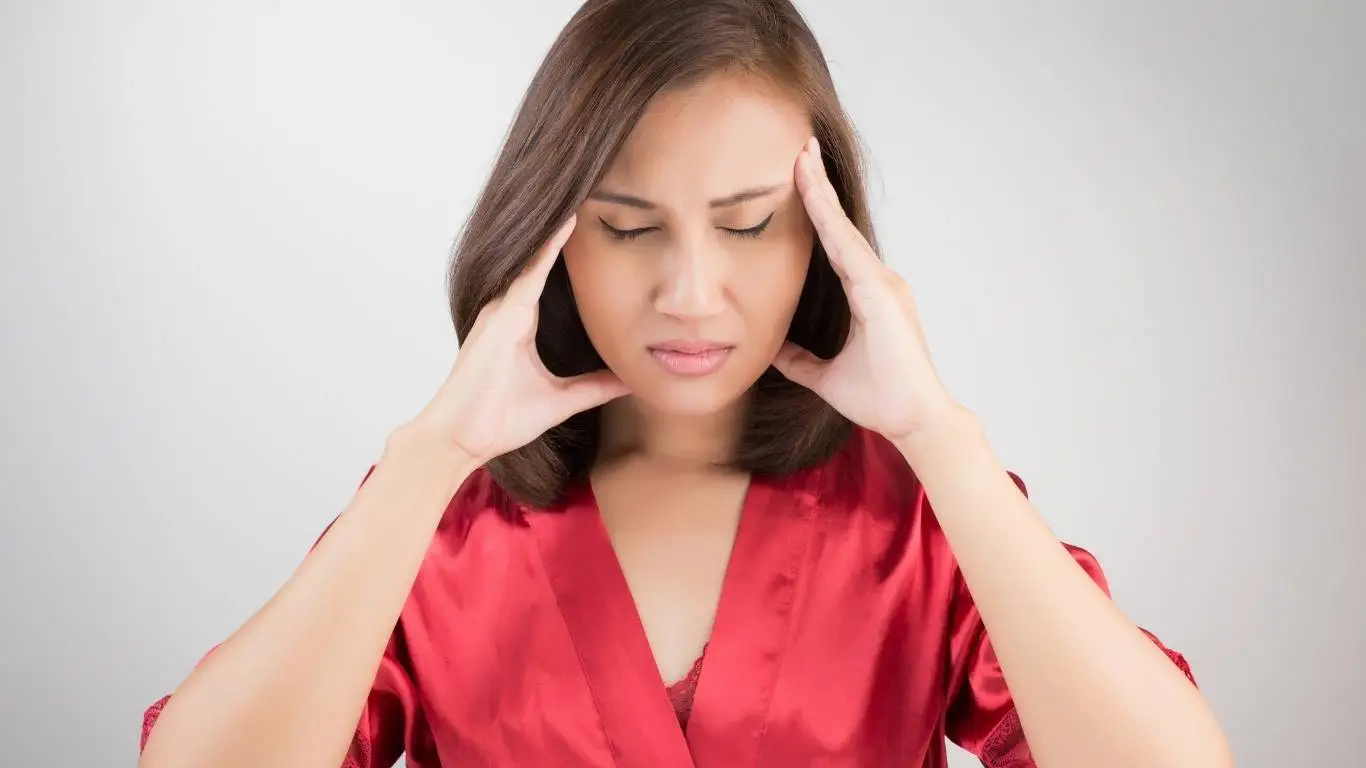
Giving up your birth control isn’t always an option—especially if you rely on it for more than just pregnancy prevention (like endometriosis, PCOS, or acne). That’s where smart management strategies come into play.
Practical Tips from Experience
I’ve tried everything from blackout curtains to ice packs to tracking triggers with brutal honesty. Here are a few things that worked not just for me but for many others:
- Hydrate like it’s your full-time job. Dehydration sneaks in fast, especially when hormones are fluctuating.
- Stick to a consistent sleep schedule. I didn’t believe this would help until I actually tried it.
- Reduce known dietary triggers. For me, it was red wine and aged cheese—painfully hard to give up but worth it.
- Try adjusting your sleep position to relieve tension in the neck and shoulders.
- Explore OTC medications cautiously and under guidance.
Interestingly, some studies from Mayo Clinic and NIH suggest that certain supplements like magnesium, riboflavin (vitamin B2), and CoQ10 may help lessen migraine severity and frequency. Worth bringing up during your next appointment.
And don’t overlook lifestyle therapies like yoga, acupuncture, or even biofeedback. They may not be magic bullets, but for me, they were better than relying solely on pills.
More Resources for Deeper Understanding

If you’re curious to dive deeper into how hormones affect migraines, I recommend starting with the Understanding Migraines pillar content. It breaks down the broader context before zooming into specific causes like birth control pills.
Also, the main overview page at Migraines and Headaches provides a great foundation if you’re piecing together your own migraine map like I had to do.
When to Talk to Your Doctor (And What to Say)

I used to downplay my migraines at doctor appointments, like, “Yeah, I get headaches sometimes, no big deal.” It wasn’t until I tracked the timing and showed a pattern that my OB-GYN finally raised an eyebrow. That’s the power of documentation and speaking up.
If you suspect your birth control is triggering migraines, especially ones with aura, you need to have that conversation. And not just casually. Make it specific. Mention:
- Frequency and duration of migraines
- When they occur during your pill cycle
- If they’ve gotten worse since starting or switching pills
- Any neurological symptoms (like aura, numbness, vision issues)
Bring your migraine diary or at least notes—it shows initiative and helps your provider make informed decisions.
Red Flags That Require Immediate Medical Input
- Migraine with aura + combined estrogen pill
- Sudden increase in migraine severity
- Visual disturbances lasting more than 60 minutes
- Unusual numbness or weakness
These symptoms could indicate an increased risk for stroke, especially if combined with smoking or other risk factors. Check out when to see a neurologist for a more advanced migraine plan.
Long-Term Management Options

Once your doctor confirms the link, there are a few roads you can take—each with pros and cons depending on your health history and lifestyle.
Switching Contraceptives
For many, simply switching to a low-dose or progestin-only pill makes a world of difference. Others opt for hormone-free IUDs like Paragard, which don’t disrupt estrogen levels at all. It really comes down to personal preference, risk tolerance, and how you use birth control beyond contraception.
If you’re on the fence, this article comparing chronic vs. episodic migraines might help you assess how serious your situation is.
Preventative Medications
- Beta-blockers (e.g., propranolol)
- Anti-seizure drugs (e.g., topiramate)
- CGRP inhibitors – newer and often effective
- Botox injections for chronic migraine sufferers
Your neurologist may also discuss CGRP blockers like Aimovig or Emgality, which target the migraine pathway more directly. I haven’t tried them myself (yet), but friends with hormonal migraines swear by them.
Natural Remedies Worth Exploring

Let’s be real—natural doesn’t always mean effective, but a few things did help me reduce frequency:
- Magnesium – especially helpful during pill-free weeks
- Riboflavin (B2) – shown in studies to reduce migraine days
- Butterbur and Feverfew – research is mixed, but worth a try with caution
- Peppermint or lavender essential oils – helped ease milder attacks
I also explored acupuncture, which didn’t fix things instantly but seemed to lessen the edge over time. And honestly, I started meditating out of desperation, but now it’s become part of my daily ritual. Even five minutes helps.
How Lifestyle Changes Support Hormonal Migraine Relief

The frustrating thing is how unpredictable migraines can be—even with a spotless routine. But that doesn’t mean lifestyle tweaks are pointless. In fact, consistency can be your best defense.
Small Changes That Made a Big Difference
- Eating small, frequent meals (blood sugar swings = headache risk)
- Switching coffee to green tea (lower caffeine but still helps alertness)
- Regular movement—light exercise has surprising benefits
- Practicing CBT techniques when anxiety triggers creep in
- Cutting screen time with blue light glasses
On bad days, I just remind myself that even one trigger removed is a win. And it’s empowering to know that some of this is in our control—even if it’s not all of it.
Don’t Go It Alone

One of the best things I did was follow a few migraine influencers and support communities online. Not for medical advice, but for emotional validation. It’s comforting to see that others are navigating this same maze—birth control, migraines, hormone shifts, and all the chaos in between.
If you haven’t yet, take a deep dive into the full guide on migraine triggers. It’s wild how many unexpected ones exist, and how pinpointing just one can change the game.
Need the big picture? The primary overview at Migraines and Headaches is the go-to hub for learning and managing everything migraine-related.

Bianca Nala is a compassionate Nurse Practitioner with a strong background in primary and respiratory care. As a health writer for Healthusias.com, she combines her clinical expertise with a talent for clear, relatable storytelling to help readers better understand their health. Bianca focuses on topics like asthma, COPD, chronic cough, and overall lung health, aiming to simplify complex medical topics without losing accuracy. Whether she’s treating patients or writing articles, Bianca is driven by a single goal: making quality healthcare knowledge accessible to everyone.