Living With Motor Weakness in Hemiplegic Migraine Isn’t Easy
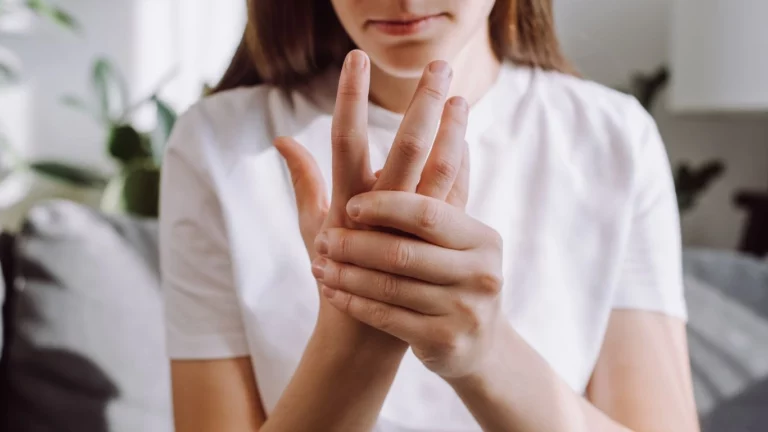
It started with a tingling in my fingertips—nothing major, just something I thought was circulation-related. But within minutes, the left side of my body went limp. I couldn’t lift my arm, my leg dragged, and I couldn’t speak properly. I was 32 and in the middle of a work presentation. What followed was one of the scariest experiences of my life: a hemiplegic migraine attack. Not just a headache—this was something else entirely.
What Is Motor Weakness in Hemiplegic Migraine?
Let’s break it down. Hemiplegic migraine is a rare subtype of migraine that involves temporary paralysis or weakness on one side of the body. That’s the “hemiplegic” part. Now, when we talk about motor weakness, we’re referring to a reduction in voluntary muscle strength—basically, you want to move a limb, but it doesn’t respond the way it should.
For many of us, that’s not what we expect from a migraine. Most people associate migraines with throbbing head pain, nausea, or visual auras. But hemiplegic migraines take it a step further, mimicking the symptoms of a stroke—something I learned the hard way.
According to NINDS, hemiplegic migraines can cause symptoms severe enough to send people to the emergency room. And let’s be honest—when half your body suddenly goes weak, panic is a pretty natural response.
Common Signs of Motor Weakness in Hemiplegic Migraine
- Sudden one-sided muscle weakness or full paralysis
- Difficulty gripping, walking, or raising an arm
- Facial droop that may resemble a stroke
- Slurred or difficult speech
- Delayed or jerky movements
These symptoms usually resolve, but recovery time varies. For me, the weakness wore off within a few hours, but the confusion lingered well into the next day.
Why Motor Symptoms Can Be So Misleading
Here’s the tricky part—motor weakness mimics strokes. And when doctors see a patient with sudden paralysis, migraines aren’t the first thing on their list. That’s why getting a proper diagnosis can take years, especially for people who don’t know what hemiplegic migraine even is.
I’ve personally been through CT scans, MRIs, and even a spinal tap. It wasn’t until my third ER visit that a neurologist finally said, “This sounds like a hemiplegic migraine.” That’s when everything changed.
Now I know to mention my migraine history upfront, especially since motor weakness isn’t just a dramatic symptom—it can be dangerous if misdiagnosed. You don’t want to be sent home thinking it’s anxiety or fatigue when it could be something far more specific.
Conditions Often Confused with Hemiplegic Migraine
- Ischemic stroke
- Transient ischemic attack (TIA)
- Multiple sclerosis
- Conversion disorder
- Epileptic seizures
If this sounds eerily familiar, learning how migraines are diagnosed might help you push for the right tests.
The Difference Between Aura and Motor Symptoms
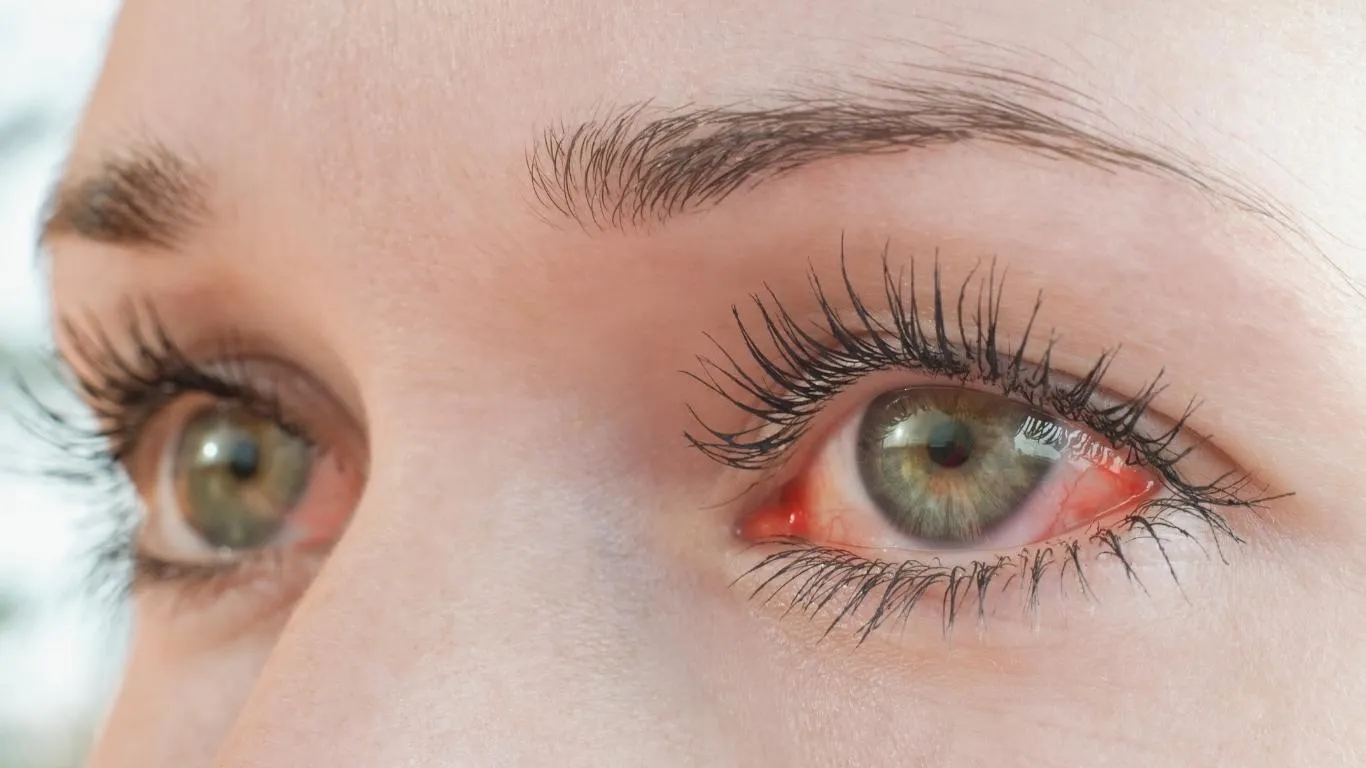
Motor weakness in hemiplegic migraine is technically part of the aura phase, but unlike visual changes or dizziness, it affects muscle function. Many people experience both.
I usually get a shimmering zigzag in my vision first. That’s my cue to brace myself. Within 15–20 minutes, the motor symptoms kick in. Not everyone has the same timeline, and sometimes the weakness shows up with no headache at all.
Some experts believe motor aura is linked to cortical spreading depression, a wave of activity that moves across the brain, disrupting motor control and sensory input.
Typical Aura vs. Motor Aura
- Visual aura: flickering lights, zigzags, blind spots
- Motor aura: arm/leg weakness, facial numbness, unsteady gait
It’s worth reading up on the differences in aura signs to help you track your own symptoms better.
Who’s at Risk for Hemiplegic Migraine?
There are two main types of hemiplegic migraines: familial (runs in families) and sporadic (no known family history). I fall into the sporadic category. No one in my family has migraines, which made it even harder to piece together what was going on.
Studies suggest that mutations in genes like CACNA1A and ATP1A2 play a role in familial cases. But you don’t need a positive genetic test to get the diagnosis. A thorough clinical evaluation is just as valid.
Higher Risk Groups Include:
- People with a family history of aura migraines
- Women between 20–40 years
- Those with a personal or family history of stroke-like events
- Patients with neurological sensitivity to triggers like light or sound
Want to know more about populations most affected? Check out this guide on migraines by population.
Learning to Manage Motor Symptoms
The first step is recognition. Once I started logging my symptoms in a migraine diary, things made a lot more sense. I could spot patterns—mine are often triggered by high-stress events, too much screen time, and lack of sleep.
For many, early warning signs are subtle but critical. Don’t wait until paralysis hits—know your body’s red flags and communicate them with your doctor.
There’s a full overview on how to build your own log over at our main migraine and headache hub, or dive deeper into managing motor symptoms and triggers through our dedicated pillar article on understanding migraines.
Can Treatments Actually Help with Motor Symptoms?

This is the big question, right? If your arm goes numb and you can’t speak clearly, how do you treat that? The tricky part with hemiplegic migraine is that many standard migraine medications aren’t recommended—especially triptans and ergotamines. These can potentially constrict blood vessels in the brain, which is risky when stroke-like symptoms are involved.
What worked for me? Honestly, it was trial and error. We started with preventive medications, including calcium channel blockers and magnesium supplements. I also added lifestyle shifts—regular sleep, hydration, and cutting back on blue light late at night.
There’s a good breakdown of treatment options over at our treatment guide, including prescription and natural remedies.
Common Hemiplegic Migraine Treatments
- Calcium channel blockers (like verapamil)
- Anticonvulsants (like topiramate)
- Magnesium and riboflavin supplements
- Anti-nausea meds for accompanying symptoms
- CBT or biofeedback for stress-related triggers
Alternative therapies like acupuncture and biofeedback may offer relief too—especially if your motor symptoms are triggered by stress, which is more common than most people realize.
Living with the Uncertainty of Hemiplegic Migraine
If you’ve dealt with this kind of migraine, you know the fear that comes with it. I’ve canceled vacations, meetings, and even social gatherings because I wasn’t sure if I’d have an episode. That constant worry? It weighs heavy.
But I’ve learned ways to regain control. I keep a daily symptom journal. I use a smartwatch to track sleep and heart rate. And I prep people close to me on what to do if I start showing signs. Knowing I’ve got a plan helps take the edge off.
Helpful Day-to-Day Adjustments
- Setting phone alerts to remind me to rest my eyes during screen time
- Pre-packing a migraine emergency kit with meds, electrolytes, and eye masks
- Using blue-light glasses on high-screen days
- Practicing grounding exercises when aura starts creeping in
More than anything, I learned that this condition doesn’t have to run my life. It’s part of it—but it’s not the whole thing.
Support Systems Matter More Than You Think
When I finally got a diagnosis, it felt like I’d been carrying a backpack full of bricks and someone just lifted it off. I wasn’t imagining things. It wasn’t stress. It wasn’t overreacting. It was real, and there was a name for it.
I joined a few online groups and started following migraine influencers who made me feel less alone. Talking to others who’ve experienced motor weakness helped more than any medication.
That’s why it’s so important to connect with others—whether it’s through an online space, a headache specialist, or a local support group. And if you’re struggling to navigate this on your own, this guide on choosing the right neurologist is a solid place to start.
Motor Weakness Isn’t Just a Migraine Side Effect
I used to think of it as just another weird symptom. Now I know better. Motor weakness is one of the defining features of hemiplegic migraine, and it deserves to be taken seriously. If you’ve had one of these attacks, you know how terrifying it can be. But you also know your body—and you’re not imagining this.
The key is building awareness, advocating for yourself, and not settling for dismissive answers. Because while this migraine subtype is rare, it’s very real, and you’re not alone in dealing with it.
Want to go deeper?
- Read the full breakdown of migraine with aura symptoms
- Explore detailed info in our Understanding Migraines pillar
- Start from the basics with our main migraine hub
If this resonates, share it with someone who needs to hear it. Or better yet—start that symptom journal today. Because knowledge isn’t just power. In the migraine world, it’s protection.

Bianca Nala is a compassionate Nurse Practitioner with a strong background in primary and respiratory care. As a health writer for Healthusias.com, she combines her clinical expertise with a talent for clear, relatable storytelling to help readers better understand their health. Bianca focuses on topics like asthma, COPD, chronic cough, and overall lung health, aiming to simplify complex medical topics without losing accuracy. Whether she’s treating patients or writing articles, Bianca is driven by a single goal: making quality healthcare knowledge accessible to everyone.