Best Natural Migraine Treatments For Kids That Actually Work
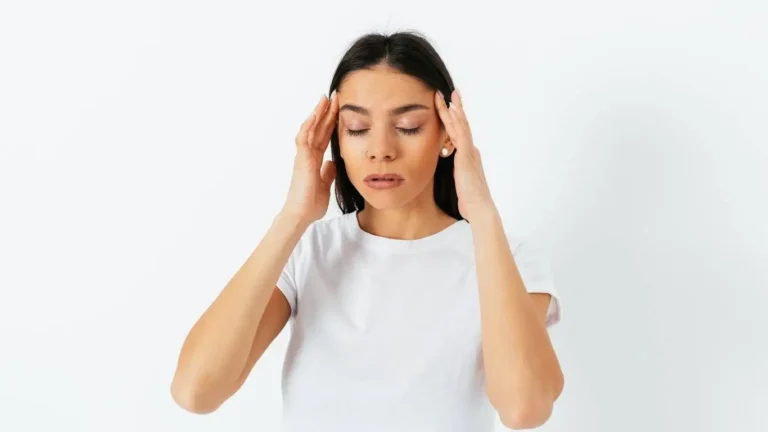
It’s one thing to see your child with a scraped knee, but watching them double over in pain because of a migraine? That’s a different kind of heartbreak. As a parent, I’ve been there—feeling helpless, unsure if the pain will pass or if it needs serious intervention. When my 9-year-old started experiencing migraines, I dove headfirst into every natural remedy that wouldn’t overload her young system with meds. If you’re reading this, chances are you’re in the same boat. Let’s walk through what actually works—gently, naturally, and backed by both science and shared experience.
Understanding What Triggers Kids’ Migraines

Kids don’t always have the vocabulary to describe their migraines. They might just say, “My head hurts,” or hide in a dark room. Identifying triggers is step one—and honestly, it took me weeks of journaling to connect the dots with my daughter. For many kids, the culprits are often hiding in plain sight.
Common Triggers in Children
- Sleep disruptions – irregular bedtimes, especially on weekends
- Dehydration – kids forget to drink, especially during play
- Skipped meals – particularly breakfast (guilty of letting that slide)
- Weather changes – yes, barometric pressure matters
- Stress or anxiety – exams, peer pressure, or even screen time limits
More on weather-triggered migraines here.
Herbal and Nutritional Support That’s Kid-Safe

We’re not talking about mystery tinctures from the internet. There are a handful of herbs and nutrients that are generally considered safe for children—with proper dosing and a doctor’s input, of course. I had to learn that just because something is “natural” doesn’t mean it’s automatically harmless.
Top Natural Options That Worked for Us
- Magnesium – Found in leafy greens, nuts, and supplements. Helps relax the nervous system. Magnesium migraine benefits explained.
- Vitamin B2 (Riboflavin) – Can reduce the frequency of attacks. It’s in milk, eggs, and fortified cereals.
- CoQ10 – A gentle antioxidant that’s been shown to lower migraine frequency. We saw improvement after two months. Learn about CoQ10 and migraines.
- Butterbur & Feverfew – Mild herbal options, but consult a pediatric specialist before starting.
I started with food-based sources before moving to chewable or powder supplements. It’s worth noting that we saw the best results when combining these with lifestyle adjustments, not using them as stand-alone solutions.
Creating a Headache-Free Routine
No magic pills here—just daily consistency. Kids respond well to structure, and when my daughter knew what to expect each day, her migraine frequency started to dip. We built a “migraine-friendly” daily rhythm without turning her life upside down.
What Our Family Adjusted
- Regular bedtimes, even on weekends (yes, that was a battle)
- Consistent hydration – we use a fun tracker bottle she loves
- Snack timing – we added a small mid-morning and mid-afternoon snack to prevent sugar dips
- Screen time limits – especially in the evening
- Stress check-ins – family chats and deep breathing games at bedtime
This ties into the importance of good sleep hygiene for migraines.
Natural Therapies Kids Actually Tolerate
I wasn’t about to drag my child to weekly acupuncture (though some parents do!). But there are a few gentle, non-invasive therapies that kids not only tolerate—but look forward to. I tried these out myself first to see how they felt, then made them part of her care.
Kid-Friendly Alternatives to Medication
- Yoga and stretching – Nothing fancy, just simple routines we follow on YouTube. She now reminds me when we miss a session. Yoga tips for migraine relief.
- Cold packs – We keep a soft gel pack in the freezer. Her favorite is the unicorn one (because of course it is).
- Essential oils – Peppermint diluted in coconut oil, applied gently to the temples. It’s part of our bedtime routine now. Explore essential oils for migraine.
- Biofeedback apps – Simple breathing games on the tablet. Helps her calm down during an early migraine wave.
Getting Support Beyond Google
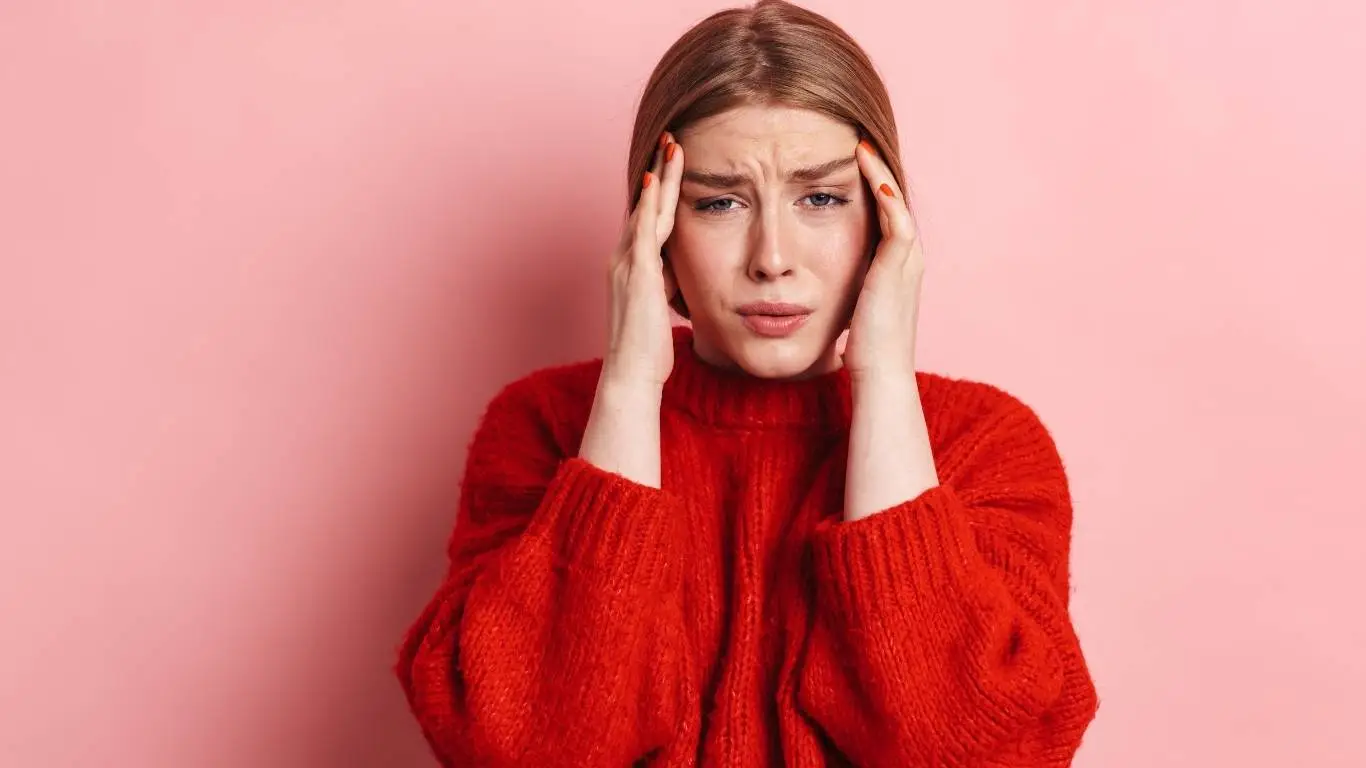
The truth is, even the best natural plan needs backup. We eventually visited a pediatric neurologist who didn’t dismiss our natural approach—instead, they helped us refine it. If you suspect something more complex is going on, don’t hesitate to reach out. Headaches that impact school or cause nausea, vision changes, or numbness shouldn’t be brushed off.
If you’re wondering when to take that step, this guide on seeing a neurologist for migraines is a helpful start.
For a deeper dive into the full scope of options—from triggers to natural therapies—check out our Natural Migraine Remedies Pillar Page. Or for a broad understanding of all things migraine, visit our main guide on Migraines and Headaches.
Foods That Help (and Some That Definitely Don’t)

There’s no single “migraine diet” that works for every kid—but you’ll spot patterns fast. With my daughter, aged cheddar and packaged snacks were instant regrets. So we created a “migraine-friendly pantry” filled with foods that support her nervous system without triggering an attack.
What We Swapped In
- Fresh fruits and vegetables – bananas, spinach, and carrots are winners here
- Whole grains – brown rice, oats, and quinoa help balance blood sugar
- Lean protein – turkey, chicken, and eggs support energy levels
- Hydration-rich snacks – cucumber, watermelon, and oranges
- Omega-3-rich options – flaxseeds, chia, or even small portions of salmon
If you want expert nutrition advice tailored for migraines, this guide from a certified nutritionist is worth a look.
And What We Gently Avoided
- Processed meats – lunchables were sadly retired
- Artificial sweeteners – swapped flavored drinks for fruit-infused water
- Aged cheese and chocolate – these were major triggers in our case
- Monosodium glutamate (MSG) – always check the label
This approach isn’t about food fear—it’s about empowering kids to listen to their bodies. And yes, we still have birthday cake. Balance matters.
Helping Kids Communicate the Pain
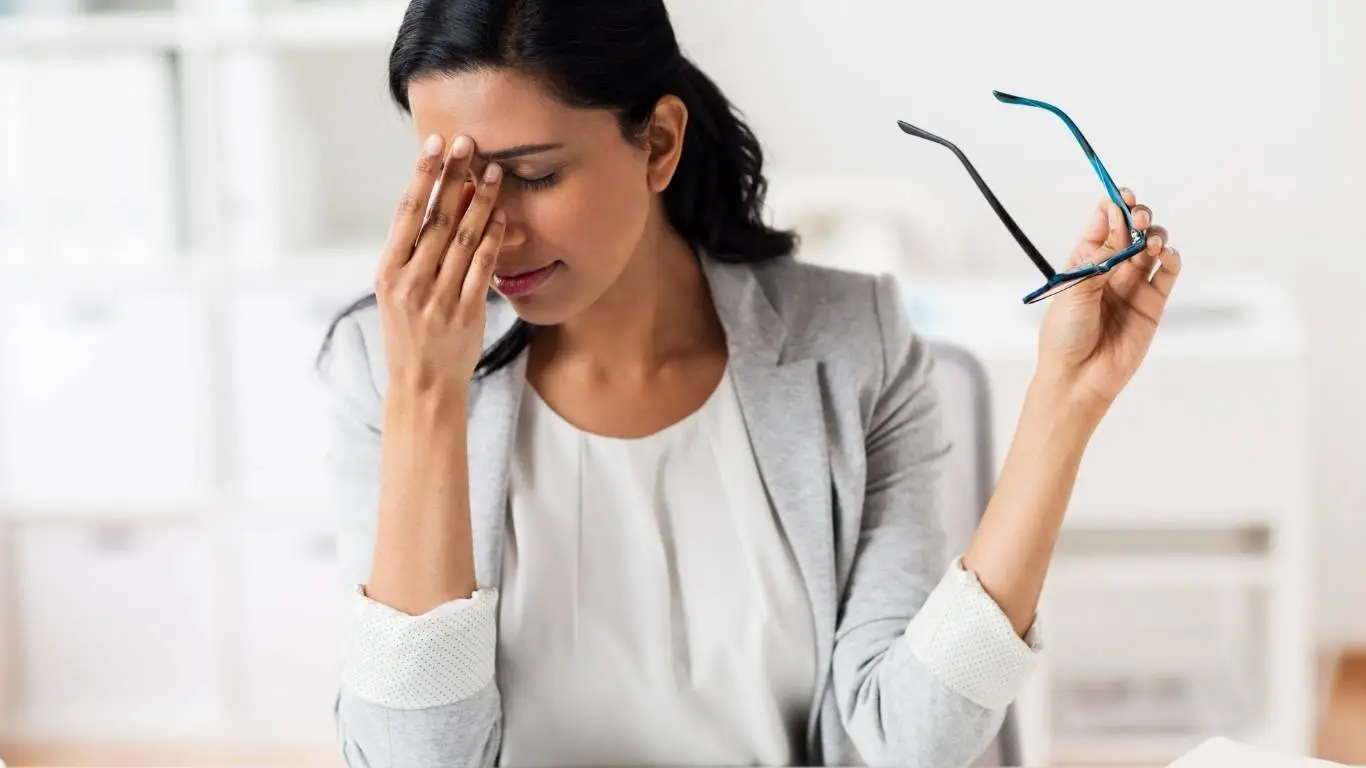
One of the hardest parts is getting kids to tell you what they’re really feeling. Sometimes they’re afraid they’ll miss a playdate. Other times they don’t even recognize early symptoms. We built a little “Migraine Diary” together—stickers, drawings, emojis and all.
What a Kid-Friendly Migraine Diary Can Track
- When the pain started
- How it felt – sharp, dull, throbbing?
- What they ate or did earlier that day
- How long it lasted
- What helped or made it worse
We started with paper and eventually moved to a simple app that lets her log things herself. Here’s a great resource on creating a migraine diary that works for kids.
Supporting Emotional Wellbeing Alongside Physical Relief
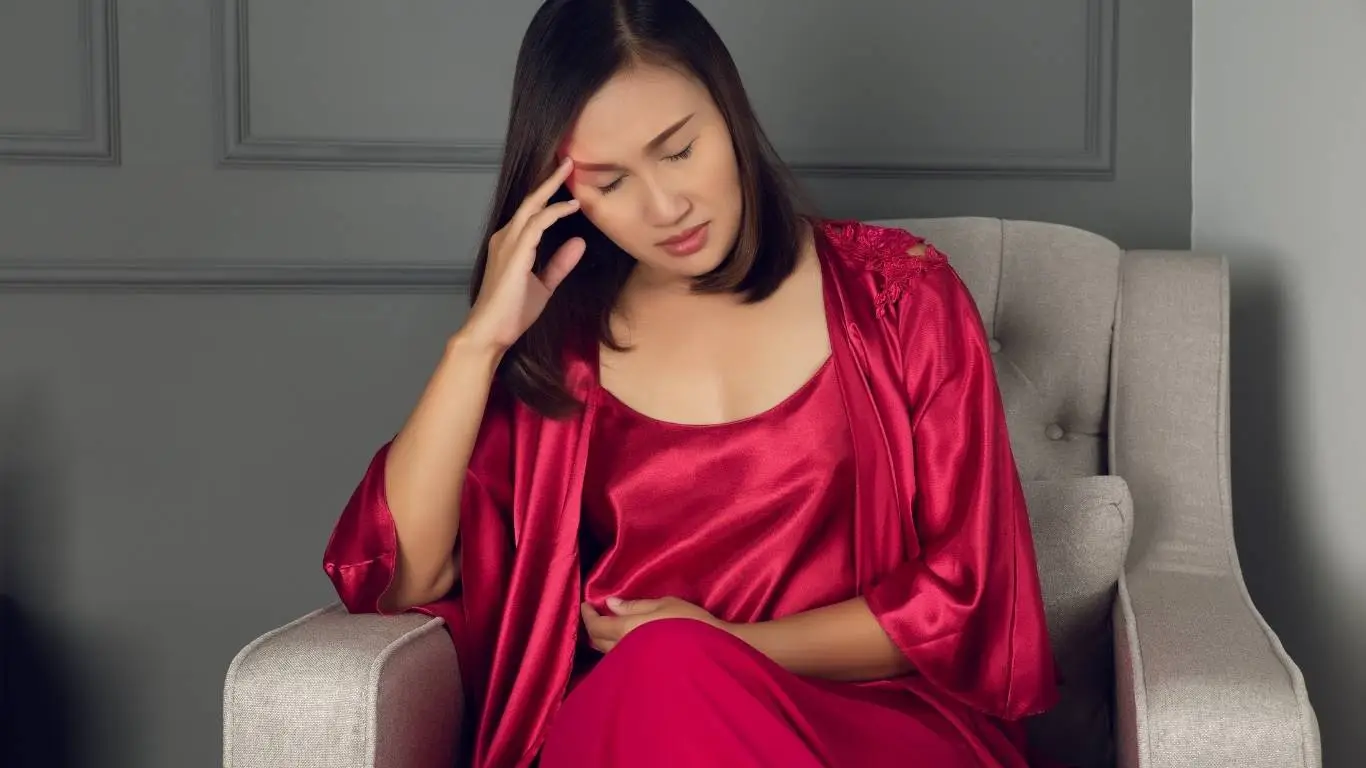
I used to focus entirely on the physical aspect—hydration, diet, supplements. But there’s an emotional layer, especially if migraines interfere with school, sports, or playtime. At one point, my daughter started hiding her symptoms so she wouldn’t “ruin the day.” That broke me.
Building Emotional Resilience
- Normalize the experience – “You’re not alone. Lots of kids get migraines.”
- Celebrate small wins – “You remembered to drink water all day!”
- Use calming rituals – breathing, music, or cuddling with their favorite stuffed animal
- Validate their feelings – without trying to fix it right away
There’s also a very real link between anxiety and migraines in kids. This anxiety-migraine connection is worth exploring with a professional if you notice recurring patterns.
Tools, Wearables & Kid-Approved Gadgets

Yes, there are migraine gadgets for kids. We tested a few—not all are made for small heads or low patience levels, but there are a couple that became lifesavers during long car rides or travel days.
Top Picks for Our Household
- Cold headbands – comfy, reusable, and instantly calming
- Blue-light filtering glasses – useful for screen time, especially during homework
- Portable aromatherapy diffusers – gentle lavender or peppermint blends
- Smartwatch reminders – alerts to drink water or take a break before symptoms spike
Here’s a well-researched list of top-rated migraine relief tools for all ages, including kid-safe options.
When to Involve Your Pediatrician or Specialist

Natural approaches are incredibly valuable—but they aren’t a substitute for professional care when needed. The moment my daughter’s migraines began interfering with school or were accompanied by dizziness and vision loss, I booked an appointment.
There are situations when even mild remedies should be reviewed by a pediatric neurologist. Signs to look for include:
- Migraines that wake them up at night
- Severe nausea or vomiting
- Vision disturbances or aura symptoms
- Numbness or muscle weakness
This detailed breakdown on how migraines are diagnosed can help prepare for that conversation.
Empowering the Whole Family
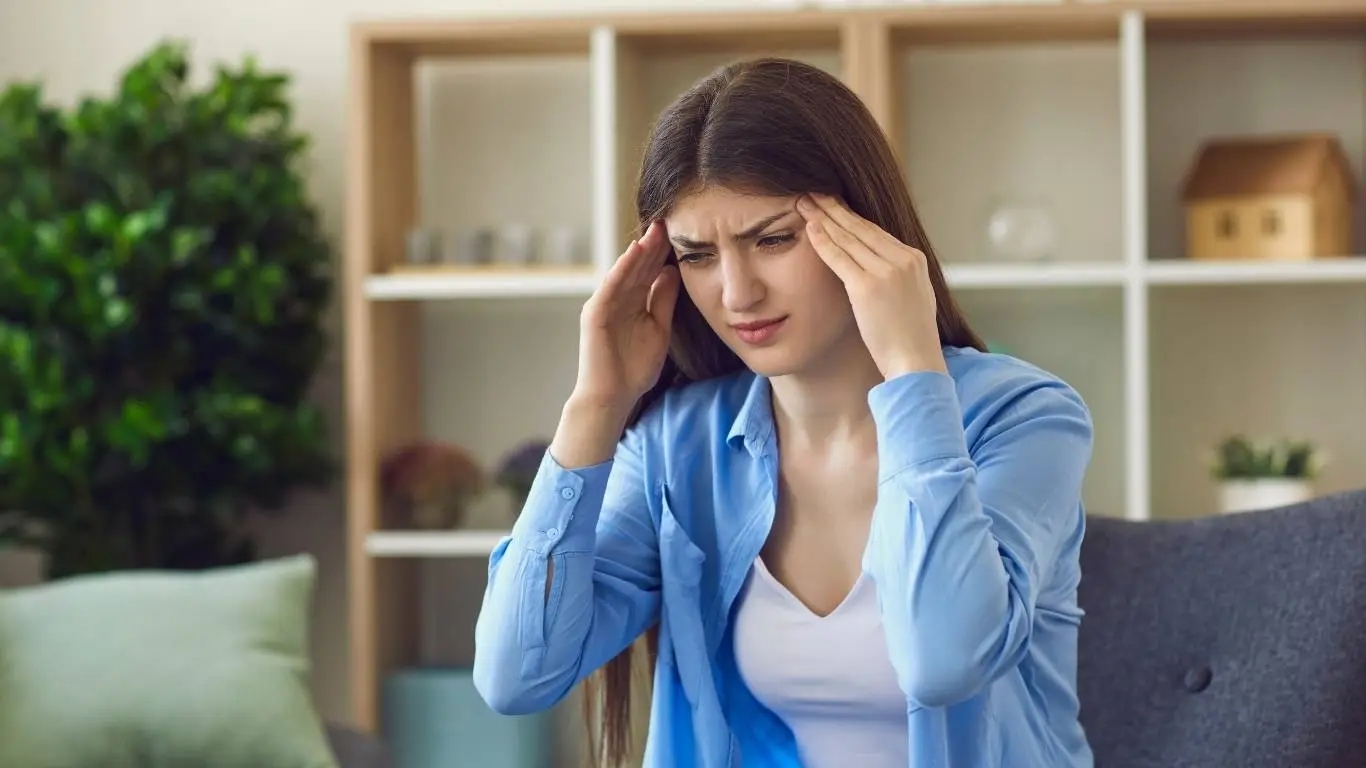
Supporting a child through migraines isn’t just about treatments—it’s about shifting the household culture. We made small changes that benefited the whole family. No one missed screens before bed, and our dinners became less processed, more mindful.
One last gem: teach them agency. When my daughter started telling *me* what she needed (“Mom, I think I need the peppermint oil now”), that’s when I knew we were on the right track.
If you haven’t yet, make sure to explore all your natural options through our full natural migraine remedies guide, and don’t miss our foundational article on Migraines and Headaches.

Bianca Nala is a compassionate Nurse Practitioner with a strong background in primary and respiratory care. As a health writer for Healthusias.com, she combines her clinical expertise with a talent for clear, relatable storytelling to help readers better understand their health. Bianca focuses on topics like asthma, COPD, chronic cough, and overall lung health, aiming to simplify complex medical topics without losing accuracy. Whether she’s treating patients or writing articles, Bianca is driven by a single goal: making quality healthcare knowledge accessible to everyone.