How To Prevent Panic Attack Aftershock Migraine Naturally
Not long ago, I had what I thought was just a bad migraine after a stressful week — but it turned out to be something more complicated: a migraine that hit in the strange aftermath of a panic attack. That “aftershock” phase was unlike anything I’d experienced before. It wasn’t the sharp, immediate migraine pain I’d grown used to; it was this lingering, unpredictable wave that felt both physical and emotional. It’s not something many people talk about, yet for those of us who deal with anxiety and migraines, this connection can be life-changing to understand.
What Is a Panic Attack Aftershock Migraine?

When we think of panic attacks, we usually focus on the immediate rush of symptoms — the racing heart, sweating, trembling, and overwhelming fear. But what happens after the peak passes can be equally important. For some, the body doesn’t simply “reset” to normal. Instead, the nervous system remains in a hyper-alert state, which can trigger a migraine hours later or even the next day.
This delayed migraine, often called a post-panic attack migraine or aftershock migraine, shares traits with other stress-induced headaches but tends to be more unpredictable. Unlike typical tension headaches, these migraines often come with additional neurological symptoms such as light sensitivity, nausea, or aura-like visual changes. The link between panic episodes and migraines isn’t fully understood, but research suggests it may involve a mix of overactive stress pathways, shifts in serotonin levels, and inflammatory changes in the brain.
For a deeper dive into the relationship between stress and migraines, this detailed guide is worth exploring.
Why Panic Attacks Can Lead to Migraines

During a panic attack, the brain triggers the body’s fight-or-flight response, flooding the system with adrenaline and cortisol. While these hormones are useful for short-term survival, they can wreak havoc when released in excess. Here’s what may be happening:
- Neurovascular changes: Fluctuations in blood vessel diameter can cause or worsen migraine pain.
- Serotonin disruption: Serotonin plays a role in both mood regulation and migraine onset; rapid changes in its levels after a panic attack can be a trigger.
- Inflammatory responses: The stress response can increase inflammation, which has been linked to migraine activity.
- Muscle tension: Panic can leave lingering tightness in the neck and shoulders, a common migraine trigger area.
Studies in neurology journals have noted that people with both anxiety disorders and migraines tend to have heightened sensitivity to central nervous system changes. This means even minor fluctuations in stress levels can set off a cascade of physical symptoms.
For more on how neurological changes contribute to migraine onset, the neurological migraine causes section offers valuable insights.
Recognizing the Symptoms

Identifying a panic attack aftershock migraine starts with tracking symptoms closely. The overlap between post-panic symptoms and migraine signs can be confusing, but there are key patterns to watch for:
- Timing: The migraine may develop within a few hours or up to 24 hours after a panic episode.
- Distinct pain quality: Throbbing or pulsating pain, usually on one side of the head.
- Accompanying neurological symptoms: Sensitivity to light or sound, visual disturbances, tingling sensations.
- Emotional fatigue: Feeling drained, detached, or “foggy” after the panic attack.
Because the symptoms can mimic other migraine triggers — like sleep disruption or hormonal fluctuations — keeping a detailed migraine diary is essential for spotting the panic-related pattern.
Managing and Preventing Panic-Related Migraine Episodes

While you can’t always prevent a panic attack, you can take steps to reduce the likelihood that it will lead to a migraine afterward. This often involves a combination of anxiety management and migraine prevention strategies.
Immediate Post-Panic Care
- Deep breathing: Helps bring the nervous system back into balance.
- Hydration: Panic attacks can be dehydrating; rehydrating can help reduce migraine risk.
- Calm environment: Resting in a quiet, dim room can lower sensory overload.
Long-Term Preventive Strategies
- Consistent sleep: Irregular sleep can worsen both panic and migraine frequency. Explore migraine-friendly sleep habits.
- Mindfulness training: Regular meditation or yoga can reduce baseline anxiety.
- Trigger tracking: Identifying foods, activities, or emotional states that precede both panic and migraines is key. See migraine triggers for more details.
In some cases, working with a mental health professional and a neurologist together offers the best results, as both conditions feed into each other. Resources like Mayo Clinic and National Institute of Neurological Disorders and Stroke provide updated guidelines for both disorders.
When to Seek Medical Help

If you experience migraines after panic attacks more than a couple of times a month, or if the symptoms escalate, professional evaluation is important. Sudden changes in migraine patterns — especially new neurological symptoms like weakness, vision loss, or speech difficulty — should be addressed urgently.
For a comprehensive overview of diagnosis and treatment approaches, see migraine diagnosis and treatment options from our main migraine resources.
Further Reading
- Understanding Migraines – an essential primer for anyone exploring migraine patterns and causes.
- Migraine & Headache Main Pillar – for a full collection of guides and expert-backed articles.
After living through several episodes of panic attack aftershock migraines, I’ve realized that handling them isn’t just about reacting once the pain starts — it’s about building a lifestyle that lowers both the frequency of panic episodes and the severity of the migraines that sometimes follow. This part dives into more advanced approaches, practical coping tools, and insights from both my personal trial-and-error and what migraine specialists recommend.
Advanced Management Strategies

While basic prevention — like hydration, rest, and mindful breathing — is essential, people who regularly deal with panic-triggered migraines may benefit from targeted approaches that address the nervous system more directly.
Therapeutic Approaches
- Cognitive Behavioral Therapy (CBT): Designed to help reframe anxiety-inducing thought patterns, CBT can also lower the nervous system’s overreaction after panic, reducing the likelihood of migraine onset. More details are available in CBT for migraines.
- Biofeedback: Teaches awareness and control over certain body functions like heart rate and muscle tension, helping interrupt the stress-migraine cycle.
- Gradual Exposure Therapy: For panic triggers that are predictable, gradual exposure can desensitize the fear response, indirectly preventing migraine flares.
Targeted Migraine Treatments
- CGRP inhibitors: Medications that specifically block migraine-related pathways in the brain.
- Neuromodulation devices: Non-invasive tools that deliver gentle electrical impulses to regulate nerve activity, like those reviewed in migraine relief devices.
- Preventive supplements: Magnesium, riboflavin, and CoQ10 have shown promise for some patients. See magnesium for migraine for more information.
Daily Habits That Make a Difference
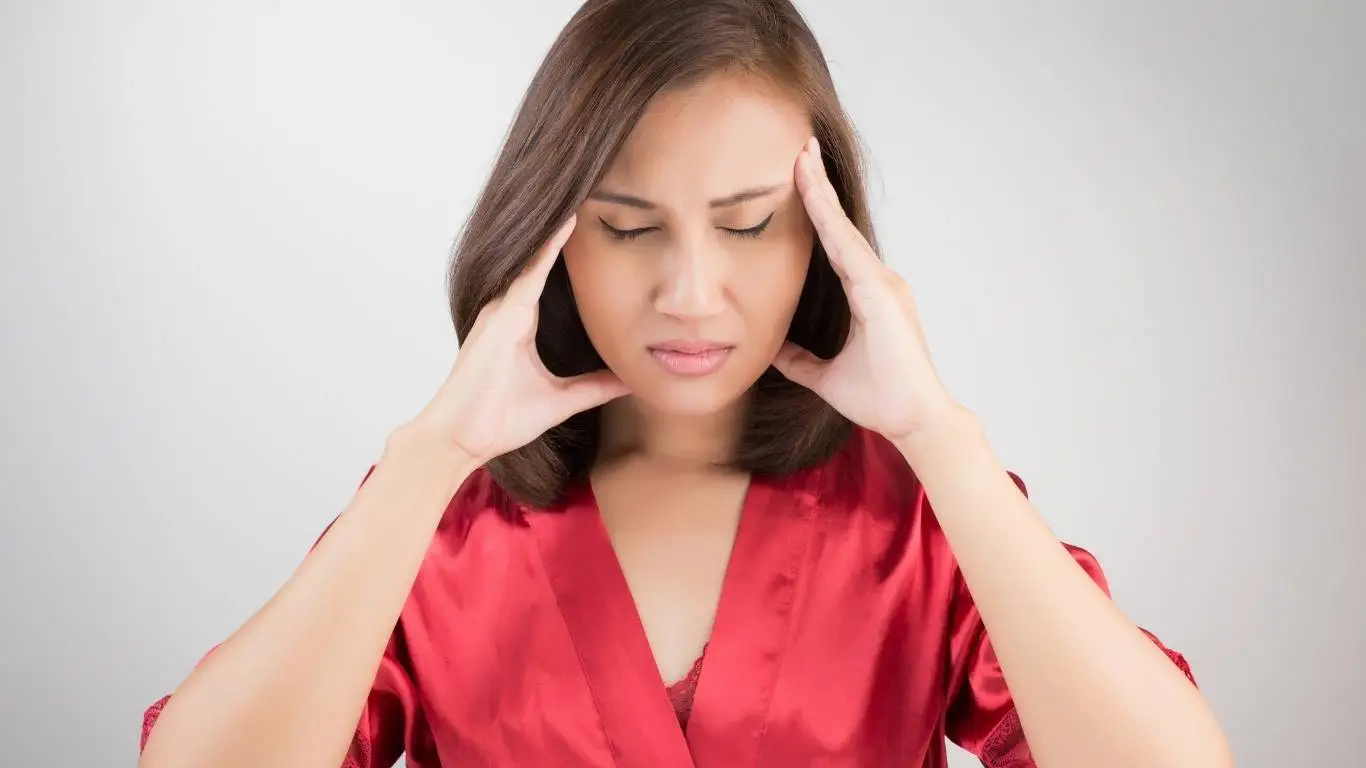
Over time, I’ve found that a few lifestyle shifts can dramatically reduce the number of panic-related migraines. While none of these are one-size-fits-all, they’re worth experimenting with:
- Structured mornings: Starting the day calmly and consistently helps stabilize mood and nervous system activity.
- Balanced meals: Avoiding sudden blood sugar drops can prevent both anxiety spikes and migraine triggers. Those sensitive to certain foods can check common food triggers.
- Active breaks: Short walks or stretches during work can keep stress hormones in check.
- Controlled sensory environment: Using blue light filters, soft lighting, and noise control can limit sensory overload.
Recognizing Your Early Warning Signs

One of the best tools in my migraine-prevention kit is simply paying attention. The early hours after a panic attack are a critical window. If I notice any of these signals, I act quickly:
- Subtle eye pressure or visual shimmer
- Neck stiffness that feels “different” from tension
- A wave of fatigue that’s heavier than post-anxiety tiredness
- Heightened sensitivity to light or noise
At the first sign, I use my go-to relief methods, whether that’s a cold compress, gentle neck stretches, or lying in a dark, quiet space. The key is catching the migraine before it fully ramps up.
When Panic and Migraine Patterns Change

For most of us, both anxiety and migraines evolve over time. What worked last year might not work now, which is why regular check-ins with healthcare providers are important. If your panic attacks are becoming more frequent, or if your migraines start showing new features like dizziness or numbness, it’s time for a reassessment. Neurologists can adjust treatment plans to reflect changes in both conditions. See when to see a neurologist for guidance.
Integrating Mind-Body Practices

While medications and clinical therapies have their place, adding mind-body techniques into daily life can reinforce the nervous system’s resilience. Yoga, gentle stretching, tai chi, and breathing exercises all have evidence supporting their role in migraine prevention. For those looking to start, yoga for migraine is a great entry point.
Living with Panic Attack Aftershock Migraines
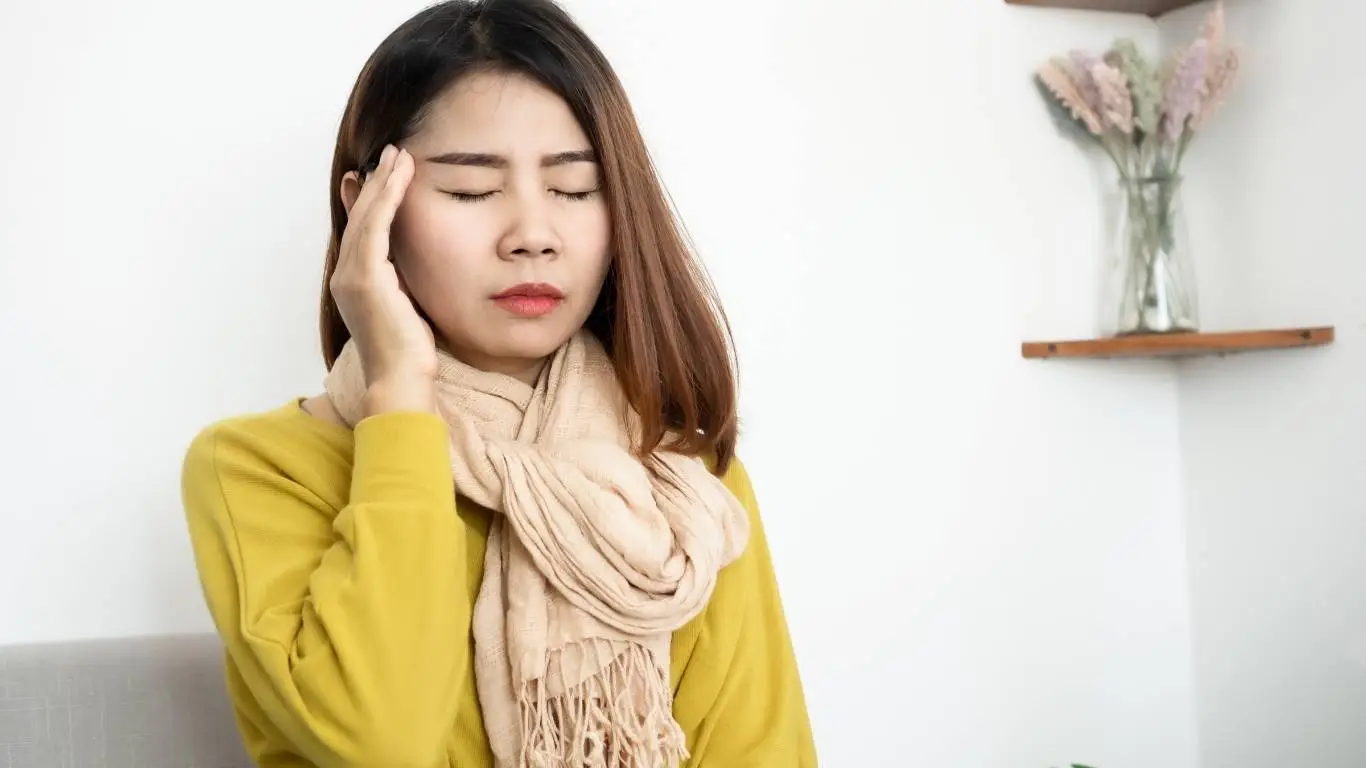
What I’ve learned is that while panic attack aftershock migraines can be disruptive, they’re not unbeatable. By combining medical care, preventive routines, and acute-response strategies, the impact of these episodes can be reduced. It’s about knowing your body well, listening to the signals it gives, and responding before the migraine takes hold.
Further Reading
- Migraine Prevention – for a detailed breakdown of evidence-backed strategies.
- Migraine & Headache Main Pillar – access to a wide range of migraine-related guides and expert advice.

Bianca Nala is a compassionate Nurse Practitioner with a strong background in primary and respiratory care. As a health writer for Healthusias.com, she combines her clinical expertise with a talent for clear, relatable storytelling to help readers better understand their health. Bianca focuses on topics like asthma, COPD, chronic cough, and overall lung health, aiming to simplify complex medical topics without losing accuracy. Whether she’s treating patients or writing articles, Bianca is driven by a single goal: making quality healthcare knowledge accessible to everyone.