Best Way to Soothe Migraines: Should You Use Ice or Heat?
There was a time when I used to alternate between holding a bag of frozen peas to my temple and curling up with a heating pad behind my neck, wondering if either of them was actually helping. If you’re reading this, chances are you’ve been in the same frustrating spot—head throbbing, nausea bubbling, and desperately searching Google for answers about whether to use ice or heat for a migraine. Let’s clear that up with evidence-backed insight and a bit of personal perspective thrown in.
Understanding Why Temperature Therapy Matters for Migraine Relief

Temperature-based therapy isn’t just an old wives’ tale. It’s been around in both modern and traditional medicine for a long time—and for good reason. The right kind of thermal application can actually calm the central nervous system, regulate blood flow, and dull pain signals. But choosing between cold and heat isn’t always black and white.
What Cold Therapy Does During a Migraine
Using ice packs or cold compresses can constrict blood vessels, reducing inflammation and slowing down nerve conduction. In simple terms: cold numbs things out. It helps with pain localized in one area, like the temples or behind one eye. From my experience, nothing beats an icy gel pack pressed gently against my forehead when that pulsing pain kicks in.
- Vasoconstriction: Cold narrows the blood vessels, especially useful during the early stages of a migraine.
- Reduced nerve activity: It essentially dulls the sharpness of pain signals being fired off by your overly excited neurons.
- Calming effect: That numbing sensation helps tone down the overstimulation that migraine brings on.
There’s even clinical support for it. A study published on pubmed.ncbi.nlm.nih.gov found significant pain reduction with frozen neck wraps during migraine attacks.
When Ice May Not Help
While ice works wonders for some, for others (like a close friend of mine), it actually made the migraine worse—especially during the postdrome or aura stages. If the migraine feels more muscular or tension-related, cold might not be your ally.
When Heat Can Be Your Best Friend
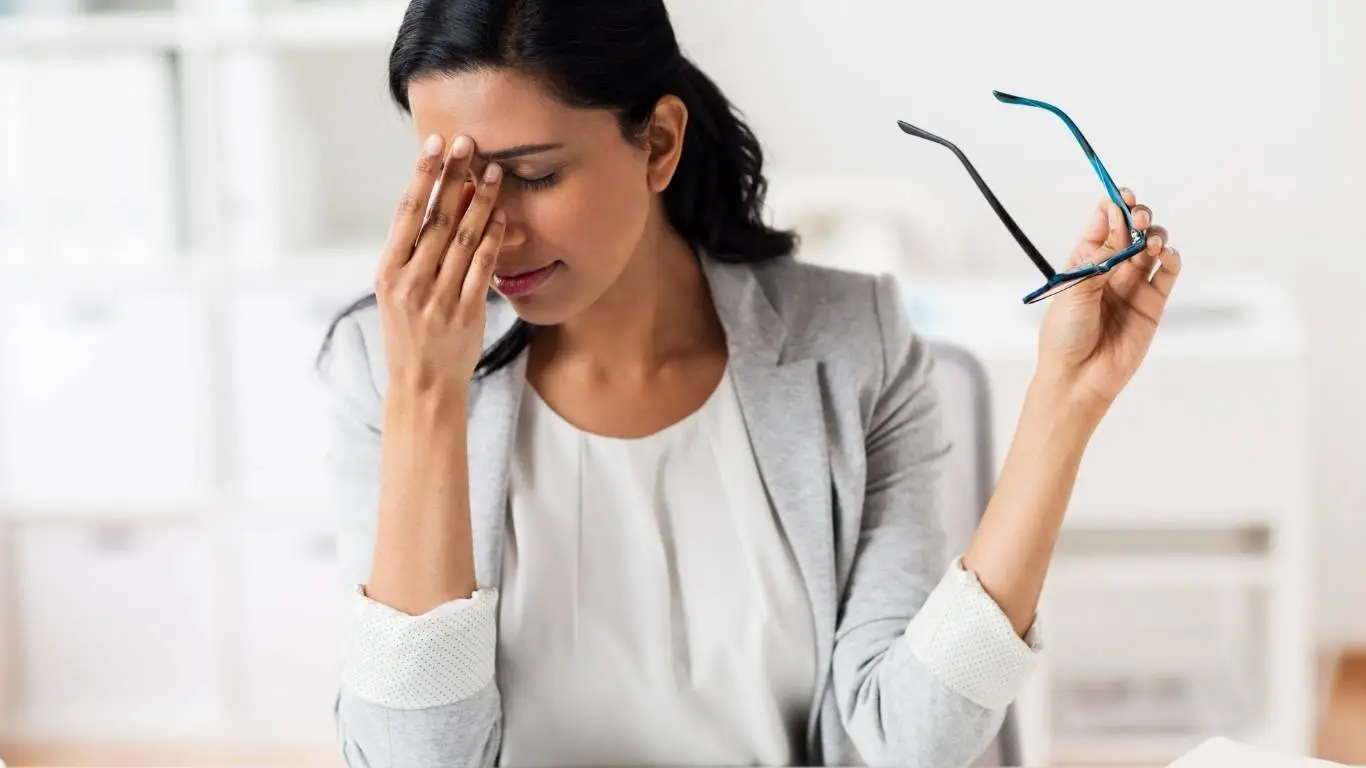
There’s something comforting about warmth, especially when you’re balled up on the couch trying to ride out an attack. Heat works by relaxing tight muscles, improving blood flow, and lowering muscle-based tension that often accompanies or triggers migraines.
The Role of Muscle Tension in Migraines
If your migraines feel like they’re coming from your neck, shoulders, or jaw—muscular tension could be playing a larger role than you think. Applying a heating pad to the upper back or cervical area helps relax those muscles and reduce the referred pain that often amplifies migraine symptoms.
- Increases blood flow to the muscles.
- Reduces cramping or stiffness that can worsen headache pain.
- Encourages rest and deeper breathing, calming your nervous system.
When I use heat, it’s usually when I sense tension building up around my shoulders or when I’ve been working at my desk for hours without a break. That dull pressure at the base of the skull? That’s when I reach for the heat, not the ice.
Be Cautious with Heat
Overheating can sometimes make symptoms worse. If you’re prone to migraines triggered by weather or hormonal changes, a warm compress could tip you over the edge. Always test the temperature, and avoid using it for more than 15–20 minutes without breaks.
Combining Ice and Heat – Is That Even a Thing?
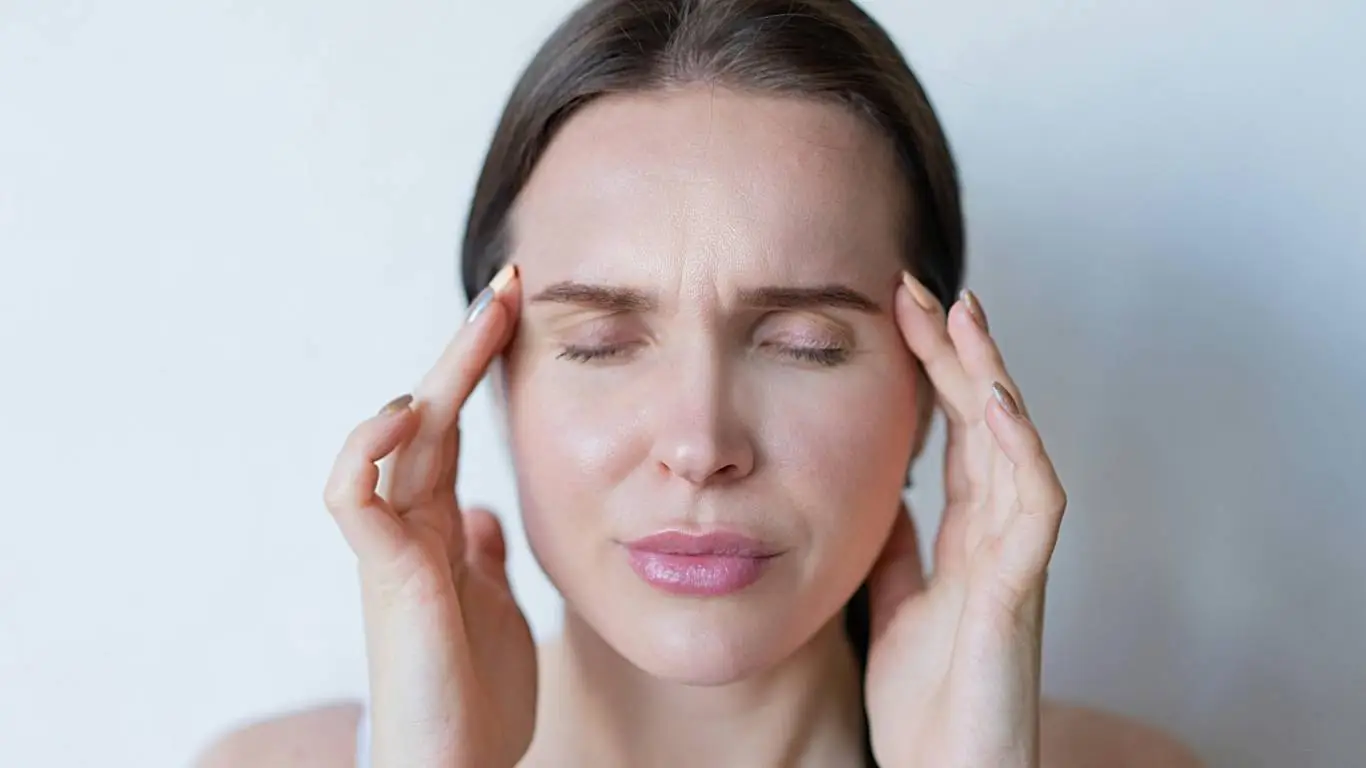
Interestingly, alternating between hot and cold—also called contrast therapy—has helped some people manage chronic migraine patterns. The idea is to stimulate circulation while also reducing localized inflammation. It’s like a reset button for your nervous system.
I’ve personally tried applying cold to my forehead while resting my neck on a warm rice pack. It’s a bit of a balancing act, but on more than one occasion, that combo eased my pain enough to avoid medication entirely.
Here’s a simple method to try:
- Place an ice pack on the temples or forehead.
- At the same time, apply a heating pad or warm towel to the neck or shoulders.
- Alternate every 10 minutes, but only if it feels good—never force it.
It’s a technique that requires some trial and error, but if you’re dealing with a mix of vascular and muscular symptoms, it might just be worth experimenting with. Some healthcare professionals support contrast therapy in managing chronic migraine symptoms, but it’s not a cure-all.
Should You Go With Ice or Heat?

Honestly, it comes down to the type of migraine, where the pain is centered, and how your body responds. If you have aura symptoms, like tingling or numbness, cold therapy might help regulate overstimulated nerves. On the other hand, if your headache is tied to tension, stress, or posture, heat could work wonders.
For a more clinical breakdown of migraine types and how they respond to different treatments, check out our Migraine Treatment Guide. And for a broader overview of what migraines really are, here’s the Main Migraine Resource Hub you’ll want to bookmark.
Of course, it’s also worth mentioning that what works for me might not work for you. That’s the tricky part about migraines—they don’t follow a script. But with a bit of trial, error, and a little help from thermal therapy, you might just find the sweet spot between relief and rebound.
What Experts Say About Ice vs. Heat for Migraine Relief

Let’s be real—Google searches and anecdotal tips only get you so far. I eventually brought my migraine struggles to a neurologist after a particularly rough week, and here’s what I learned: neither ice nor heat is universally better. But used correctly, both are valid supportive therapies alongside medical treatment.
According to the American Migraine Foundation (americanmigrainefoundation.org), cold therapy is most effective during acute migraine attacks, especially in the early stages. Heat, on the other hand, is generally more effective for managing tension-type headaches or stress-related muscle tension that can lead to migraine.
What really helped me was building a plan around my triggers, learning which stage of the migraine cycle I was in, and keeping a migraine diary—like this helpful tracking guide breaks down.
What Doctors May Recommend
- During prodrome or aura: Try cold compresses to reduce nerve excitation and prevent escalation.
- During the main pain phase: Cold helps if the headache is sharp and throbbing. Heat helps if it’s dull and pressure-like, often tied to neck stiffness.
- During postdrome: Gentle warmth may help relax your body and restore circulation.
Other Natural Remedies That Pair Well With Ice or Heat

I’d be lying if I said cold or heat alone solved my migraine issues. But once I started combining thermal therapy with other habits, I noticed a huge difference. Small things added up. I’m talking about:
- Yoga for gentle movement and stress reduction.
- Thermal cycling routines as part of my nightly wind-down.
- Adding magnesium supplements (with doctor approval) which seemed to reduce frequency.
- Drinking more water—because dehydration really does trigger migraines more than you’d think.
Plus, for those of us who like to keep things as natural as possible, therapies like essential oils or acupuncture might be worth exploring—especially if you’re trying to cut down on meds.
Tailoring Temperature Therapy to Migraine Type

Not all migraines show up the same way, and what helps for one type might backfire for another. After keeping a migraine diary for a few weeks, I realized that my weather-triggered migraines reacted better to cold, but my hormonal migraines craved warmth. It was weird—but it worked.
Here’s a quick guide that might help:
- Classic migraine with aura: Try cold on the forehead or neck during aura onset.
- Menstrual or hormonal migraine: Gentle heat on the lower back or neck helps during early tension buildup.
- Neck-related migraine: Heat + massage can release built-up muscle tension.
- Weather-related migraine: Cold packs around the sinuses or eyes may ease that internal pressure.
Still unsure which category you fall into? This migraine warning signs guide breaks down the types and triggers more clearly than anything else I’ve read online.
What I Keep in My “Migraine Kit”

Over the years, I’ve learned to stay prepared. I’ve got this little kit that lives in my closet, and honestly, it’s saved me more times than I can count.
- Reusable gel ice packs: Flexible and fast to freeze.
- Microwavable heat wrap: One that drapes over the shoulders and stays warm for 30+ minutes.
- Migraine-friendly gadgets like wearable neurostimulators or light-filtering glasses.
- Herbal teas, magnesium powder, and peppermint essential oil roll-ons.
- Notebook to track triggers, symptoms, and what worked or didn’t work.
Everyone’s kit will look a little different, but having both ice and heat options gives you flexibility to manage pain depending on what your migraine throws at you that day.
Bottom Line: Choose What Your Body Responds To

The truth is, neither ice nor heat is better for everyone. It really depends on what kind of migraine you’re dealing with, what stage it’s in, and what your body responds to. My go-to now? Cold on the forehead during early pain and heat on my neck if tension creeps in.
If you’re still in the trial-and-error phase, that’s completely okay. Start by understanding your triggers, keep a journal, and talk to a specialist if you haven’t already. You can also explore this comprehensive prevention guide to reduce how often migraines strike in the first place.
And if you want to dive even deeper into how migraine works—beyond just cold or heat—take a look at our core resource on Migraines & Headaches. It’s packed with info I wish I had when I first started this journey.

Bianca Nala is a compassionate Nurse Practitioner with a strong background in primary and respiratory care. As a health writer for Healthusias.com, she combines her clinical expertise with a talent for clear, relatable storytelling to help readers better understand their health. Bianca focuses on topics like asthma, COPD, chronic cough, and overall lung health, aiming to simplify complex medical topics without losing accuracy. Whether she’s treating patients or writing articles, Bianca is driven by a single goal: making quality healthcare knowledge accessible to everyone.