How Smoking Can Worsen Migraine Triggers and What To Do About It
When I first started noticing how certain habits affected my migraine episodes, smoking wasn’t high on my radar. Like many people, I assumed stress or diet were the big culprits. But after chatting with a neurologist and digging into my own patterns, the connection between smoking and migraines became too obvious to ignore. Whether you’re a long-time smoker or just around people who light up, the effects on your head can be surprisingly intense. Let’s dive into how and why smoking plays such a shady role in triggering migraines.
How Smoking Affects Your Brain and Blood Vessels

Smoking does more than just make your clothes smell and lungs suffer. It causes your blood vessels to constrict. For someone prone to migraines, that’s a big deal. Migraines are often tied to changes in blood flow and vascular tension. When you smoke, or even inhale secondhand smoke, you’re essentially putting your head in a vice. Literally.
Nicotine, the addictive compound in cigarettes and vapes, stimulates your nervous system. That might sound like a boost, but for sensitive brains, it’s more like a lightning bolt. Overstimulation of the nerves can trigger the onset of migraine symptoms, sometimes within minutes.
The Hidden Impact of Carbon Monoxide
Carbon monoxide is another enemy here. It reduces oxygen levels in your blood. Your brain—famously oxygen-hungry—doesn’t take that lightly. Reduced oxygen can intensify migraine symptoms or make them last longer. Personally, I’ve found that even brief exposure in a car with the window cracked was enough to ruin my day with a throb that just wouldn’t quit.
Types of Smokers at Risk: It’s Not Just Chain Smokers

- Active Smokers: The regulars. Whether it’s cigarettes or cigars, daily exposure stacks the deck against your head.
- Occasional Smokers: Just a weekend smoke? It might still be enough. Migraines don’t care about frequency.
- Secondhand Smokers: Living or working around smokers is sometimes just as risky. Migraine triggers don’t ask for permission.
If you’ve been wondering why your “once in a while” habit leaves you with a head-splitting aftermath, this might be your answer. It’s not about how often. It’s about how sensitive your brain is to even minor chemical changes.
The Vaping Myth: Is It Any Better?

Let’s bust a myth right now—vaping isn’t safer when it comes to migraines. Many vaping liquids still contain nicotine, artificial flavors, and solvents like propylene glycol or vegetable glycerin. These can be irritants. Some of these compounds have even been linked to neurological symptoms in sensitive individuals.
A recent case report highlighted a patient developing severe migraines after switching to a high-nicotine vape. The frequency dropped only after stopping altogether. The flavors and heating elements might add a layer of mystery chemicals your brain just can’t tolerate.
Quitting? Expect Temporary Migraine Changes
Ironically, quitting smoking can sometimes initially make migraines worse. I went through that rough patch myself. Nicotine withdrawal is real, and for migraine sufferers, it may show up as increased headaches for the first week or two. But here’s the good news—once your body adapts, the intensity and frequency of migraines can decrease dramatically.
If you’re serious about reducing your migraines, consider quitting or avoiding secondhand exposure. Your head—and your future self—will thank you.
Environmental Exposure: You Might Be Triggering Yourself Indoors

It’s not just the cigarette or vape in your hand. Scented candles, incense, and poor ventilation in rooms where someone smokes can also be culprits. I once had a migraine episode triggered just from sitting in a room where someone had smoked a few hours earlier. The chemicals linger. And for migraine brains, that lingering cloud might as well be a flashing red warning light.
Odor sensitivity is one of the more underrated migraine triggers. For many, it only takes a whiff of stale smoke to get the aura dancing and the headache hammering.
Teen and Young Adult Smokers: A Growing Concern
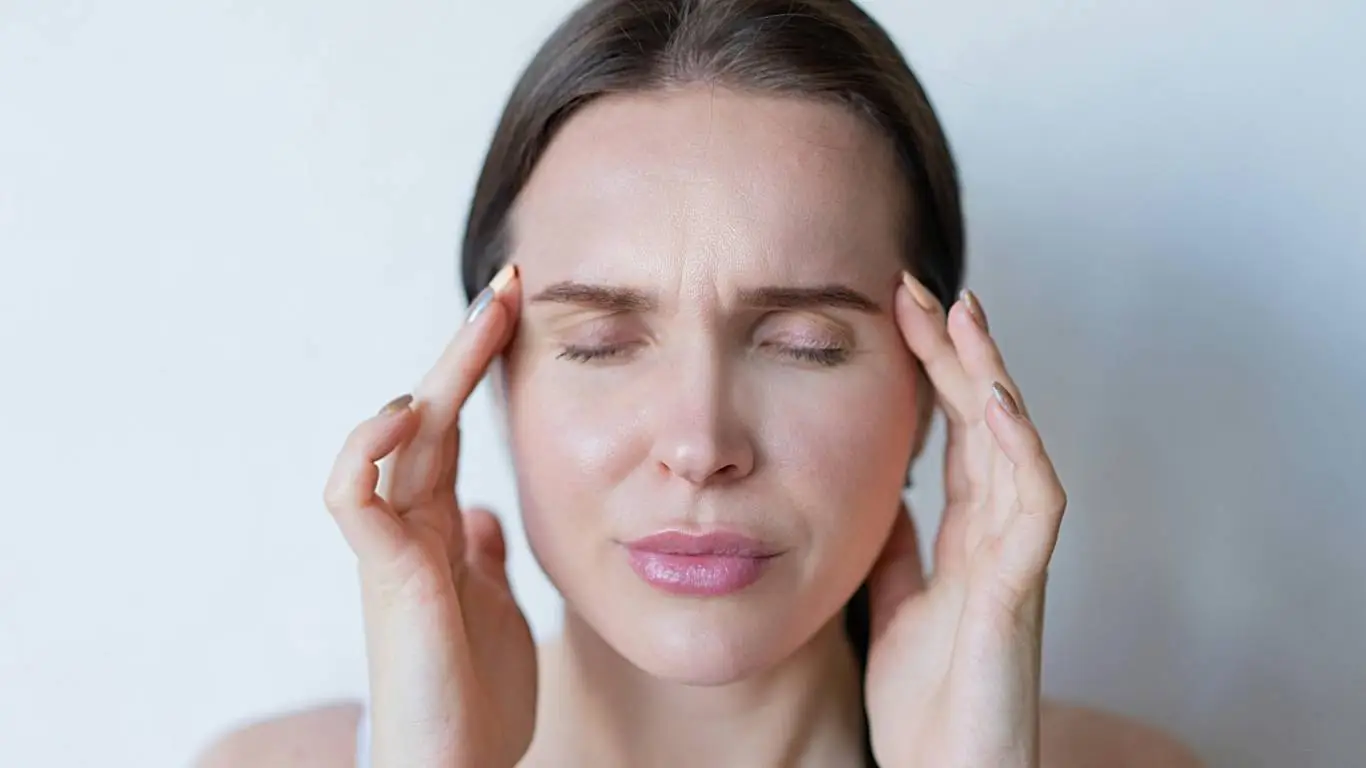
The rise in vaping among teens is a migraine time bomb. Combine the neurological development happening in younger brains with a heavy dose of nicotine, and it’s no wonder adolescent migraines are on the rise. One relevant article explores how school stress and poor sleep combine with smoking habits to create the perfect storm.
Parents, if your teen complains of recurring headaches, vaping might be the not-so-hidden trigger. It’s worth investigating—especially if you’re hearing the classic “It’s just fruit flavor” line. It’s still nicotine. It’s still a chemical assault on the brain.
Exploring More on Migraine Triggers

If you’re looking to dive deeper into what might be causing your migraine episodes, check out this comprehensive breakdown of migraine triggers and how to manage them. It’s a solid reference, and I still revisit it from time to time.
Also, if you’re just starting your journey to understand migraines better, the main migraine guide is a great launching point with grounded, detailed insight backed by research and practical advice.
For broader context on what exactly defines a migraine, the definition of migraine gives an accessible yet deep explanation.
External resources like cdc.gov and ncbi.nlm.nih.gov also offer more scientific detail if you’re the research-type.
Why Some People React Stronger Than Others

Ever wonder why your friend can smoke a pack a day and never blink, but you walk past someone vaping and feel a migraine coming on? It’s not just in your head—it’s actually in your DNA. Some people have a more sensitive trigeminal nerve system, which is responsible for facial sensation and plays a huge role in migraines. Others may have underlying conditions, like hormonal imbalances or sleep disorders, that make them extra vulnerable.
I used to think I was just unlucky, but understanding that some brains are simply wired to overreact to nicotine or smoke has helped me take fewer chances. It’s not about being dramatic. It’s about knowing your limits—and honoring them.
Gender and Migraine Vulnerability
Research shows that women are more likely to suffer from migraines, especially when hormonal shifts are involved. Combine that with smoking, and the result can be brutal. Smoking may exacerbate menstrual migraines or migraines related to birth control or menopause.
Women who smoke while on certain contraceptives are also at greater risk of stroke, particularly if they suffer from migraines with aura. That’s a dangerous cocktail, and it’s one more reason why identifying and avoiding triggers like smoking is more than just good advice—it’s a health imperative.
Helpful Strategies to Manage or Eliminate the Trigger

- Keep a Migraine Diary: Track when migraines occur, what you were doing, eating, or exposed to. Note every instance of smoke exposure—even brief ones. Try this migraine diary guide for tips on what to log.
- Avoid Trigger Zones: Bars, smoking areas, even public parks with relaxed rules—be cautious. I started picking restaurants based on their ventilation systems and outdoor seating.
- Use Air Purifiers: Especially if you live with smokers or in an apartment building where smoke drifts in, purifiers can reduce exposure.
- Educate Your Circle: It’s awkward sometimes, but letting friends know that even secondhand smoke messes with your head can save you some serious pain.
Medication Considerations
If quitting smoking cold turkey sounds overwhelming, it might be worth discussing options with a healthcare provider. Nicotine replacement therapies, or medications like bupropion or varenicline, can ease the transition. Be sure to talk to a doctor who understands migraine disorders—especially if you’re already on prescription migraine treatments or other neuro meds. Some drugs interact in unexpected ways.
The Role of Natural Remedies During Smoking Cessation

Quitting smoking is hard. For migraine sufferers, it can feel like a double challenge. Thankfully, natural supports like magnesium, herbal remedies, and calming practices like yoga or biofeedback might ease the transition.
I found adding a cup of chamomile tea at night and cutting down on caffeine helped reduce the withdrawal edge. It’s not about finding a silver bullet—just building a more migraine-friendly environment as you detox.

One of the most annoying parts of managing smoking-related triggers is social pressure. Whether it’s coworkers heading out for smoke breaks or family members who don’t “get it,” learning how to advocate for yourself is key. I’ve stepped away from conversations, swapped hotel rooms, and even passed on rides when I knew smoke was part of the equation. It’s not always convenient—but the alternative is a 48-hour migraine fog I’d rather skip.
Here’s a helpful article on working with migraines if navigating the office is part of your struggle.
Are You Using the Right Tools to Protect Yourself?

Sometimes, avoiding smoke completely isn’t realistic. That’s where tools come in. Nasal filters, personal air purifiers, and even certain wearable devices designed for migraine prevention can make a real difference. I tried the Nerivio wearable during a particularly rough travel stretch, and while it didn’t eliminate my migraines, it did reduce the severity enough to function.
If you’re not familiar with the growing tech available for people like us, take a look at this overview of migraine relief devices. It’s pretty wild what’s out there these days—some of it genuinely life-improving.
Digging Deeper Into Your Migraine Patterns

The key takeaway? Everyone’s migraine blueprint is different. While smoking might not be your sole trigger, it could be one of the major pieces of the puzzle. When I removed smoke from my environment, the improvement in both my energy and mental clarity was incredible. But I only discovered that by being methodical—and honest—with myself about my habits.
Want a more in-depth look at all the elements that could be working against your head? This master guide on migraine prevention breaks it down beautifully.
And if you’re looking for a comprehensive overview of migraine causes, symptoms, and how they all tie together, the main migraines resource hub is worth bookmarking.
For deeper research on how nicotine and neurological response are connected, check out public resources at who.int and nih.gov.

Bianca Nala is a compassionate Nurse Practitioner with a strong background in primary and respiratory care. As a health writer for Healthusias.com, she combines her clinical expertise with a talent for clear, relatable storytelling to help readers better understand their health. Bianca focuses on topics like asthma, COPD, chronic cough, and overall lung health, aiming to simplify complex medical topics without losing accuracy. Whether she’s treating patients or writing articles, Bianca is driven by a single goal: making quality healthcare knowledge accessible to everyone.