
Why Soft Light and Sound Environments Help Ease Migraines
Ever noticed how a certain kind of light can trigger your migraine, or how even soft sounds suddenly feel like jackhammers in your brain? Yeah, I’ve been there too—more times than I care to admit. I used to think it was just me being overly sensitive, until I dug deeper and realized the kind of lighting and sound we surround ourselves with can either be a trigger or a form of therapy. Creating a migraine-friendly environment isn’t just fluff—it’s real, science-backed, and life-changing. Let’s dive into what that means, and how you can design your own soothing space that doesn’t feel like you’re living in a cave.
Why Lighting Matters More Than You Think
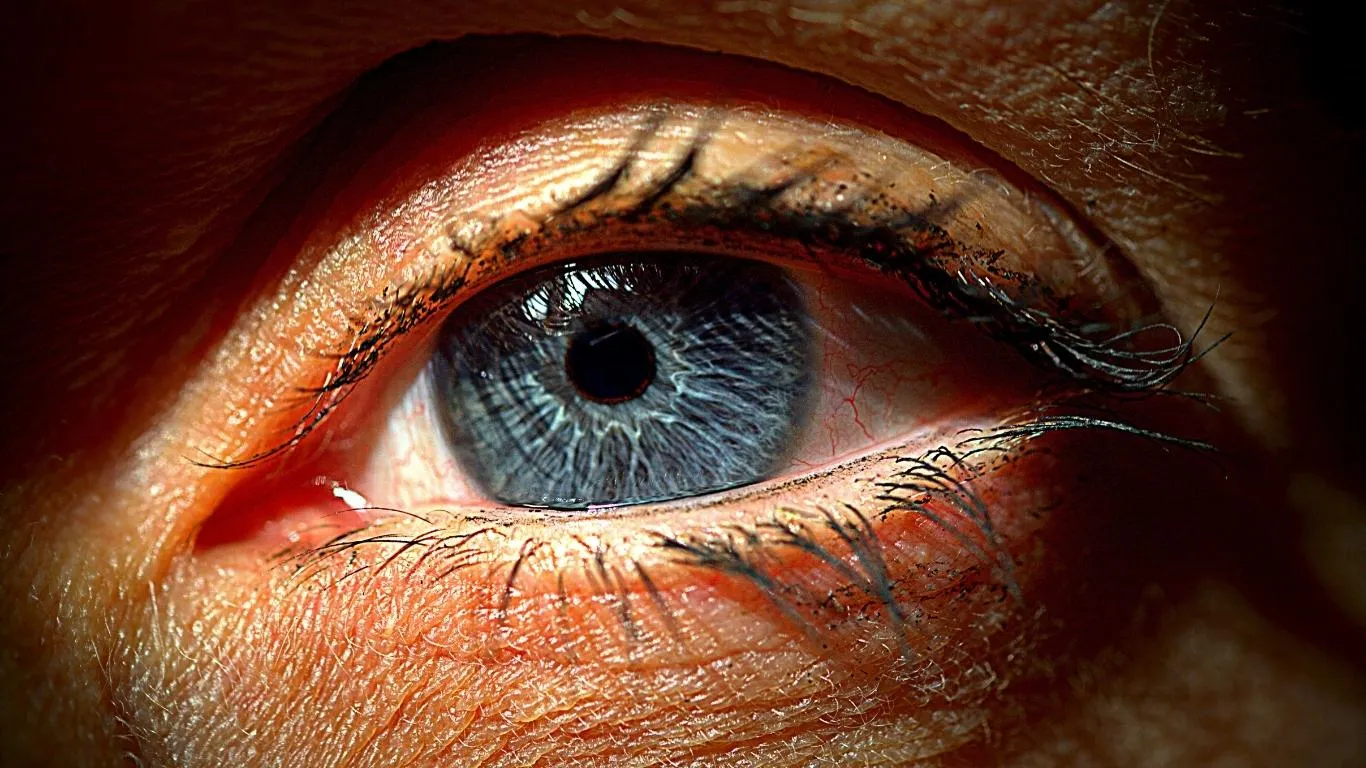
There’s something oddly calming about warm, natural light. But when it comes to migraines, it’s not just about preference—it’s about protection. Harsh lighting, especially those cool-toned fluorescents or blue-light-heavy LEDs, can be like throwing gasoline on the migraine fire.
Common Types of Light That Worsen Migraines
- Flickering Fluorescents: Even when your eyes can’t see it, your brain often can. These are a known culprit.
- Blue Light Emissions: From screens, LEDs, and even some ‘daylight’ bulbs—blue light messes with your brain’s pain centers.
- High-Contrast Glares: Think sunlight bouncing off your phone or chrome surfaces. It’s brutal.
According to American Academy of Ophthalmology, blue light doesn’t directly cause eye disease, but it does contribute to digital eye strain—and for migraine sufferers, that can be a dealbreaker.
Lighting Changes That Actually Help
For me, swapping my overhead lighting for soft, indirect floor lamps changed everything. These are some simple changes that make a big difference:
- Use warm-white LED bulbs with dimmable features
- Place lamps at eye-level or below to avoid direct glare
- Consider installing smart lighting with “migraine mode” settings
- Use blackout curtains to manage outside light fluctuation
- Try a subtle blue light filter on all devices
There’s also a fascinating piece on light and sound sensitivity in migraine sufferers that breaks this down even more—worth a read if you haven’t seen it.
Sound Sensitivity: It’s Not Just in Your Head
Ever had that moment when a normal TV volume suddenly feels like a full-on concert? That’s phonophobia, and it’s real. I used to avoid restaurants, movie theaters—even family dinners—because the noise level could flip a decent day into a disaster within minutes.
What Sounds Set You Off?
Everyone’s triggers are a bit different, but some of the usual suspects include:
- Loud bass or subwoofers
- High-pitched alarms or notifications
- Multiple conversations at once (hello, open offices)
- Traffic and sirens
According to the National Institutes of Health, migraine sufferers often experience a heightened auditory processing sensitivity, which is why even soft sounds can feel amplified during an episode.
Designing a Quiet Space Without Total Isolation
Now, I’m not suggesting you go full hermit and soundproof every inch of your house. But there are ways to manage sound exposure while still having a life:
- Use white noise machines to buffer sudden spikes in sound
- Noise-canceling headphones or earbuds—especially if you’re working from a shared space
- Install thicker curtains or acoustic panels if you live near a busy road
- Opt for earplugs made for migraine sensitivity—yes, they exist and they’re amazing
I personally keep a cooling eye mask and my go-to playlist of soft instrumental music handy—it helps regulate my stress levels and keeps the noise-induced tension in check.
Setting Up Your Own Migraine-Safe Zone
You don’t need an interior designer or thousands of dollars to create a calming environment. All you need is a bit of awareness and a few well-thought-out tweaks.
Checklist for a Migraine-Friendly Space
- Choose lighting you can control—dimmable, warm-toned, layered sources
- Keep harsh or reflective surfaces to a minimum
- Reduce screen brightness and use night modes or filters
- Include soft furnishings like rugs and cushions to absorb sound
- Incorporate a plant or two—turns out greenery actually helps reduce stress
These kinds of environmental changes support broader strategies like the ones outlined in this comprehensive migraine prevention guide. When combined with medical or lifestyle interventions, they can genuinely reduce your migraine frequency and severity.
Also, if you’re still just beginning to explore what migraines are and how they work, the main migraines and headaches pillar gives a clear, research-supported foundation.
Creating the right environment doesn’t mean living in silence and shadows. It means creating a space that supports you, not punishes you. For me, learning to adjust the lighting and control the sounds around me was just as essential as watching my diet or tracking my triggers. It’s all connected—and it’s worth the effort.
How to Handle Migraines When You Can’t Control the Environment
Let’s be real—not all of us can work from a serene, candle-lit room with ambient background music and dim lighting. I’ve had migraines hit me mid-commute, in crowded cafes, even in elevators with terrible overhead LEDs. That’s where *portable relief strategies* come into play. They’re like a migraine emergency kit for when you’re not in your safe space.
On-the-Go Tools That Actually Work
- Noise-canceling earbuds — I personally use mine almost daily. Game-changer.
- Blue light-blocking glasses — Subtle enough for meetings, but protective enough to prevent an attack.
- Small roll-on essential oils for quick relief — peppermint or lavender are my go-tos
- Screen brightness control apps — Essential if you’re stuck staring at a monitor all day
If you’re dealing with frequent light-triggered episodes, it might also be worth exploring whether you’re experiencing a specific type of migraine like an aura migraine or even ocular migraines. Both are highly sensitive to visual stimuli.
Creating a Bedroom That Supports Migraine Recovery
Your bedroom should be a migraine sanctuary. Mine used to be a total disaster—overhead fan with flickering lights, curtains that didn’t block sunlight, a mattress that messed with my posture. Fixing it didn’t just help me sleep better; it actually shortened my migraine recovery time.
My Tried-and-Tested Tweaks
- Blackout curtains — an obvious one, but they made a huge difference
- Supportive pillows for neck alignment
- Red-tinted bedside lamp for reading without overstimulating the eyes
- Consistent bedtime and screen cut-off routine
- Humidifier to prevent dry air triggering sinus-related headaches
One interesting read I recommend is on how sleep apnea might be related to chronic migraines. Turns out, your body can’t heal when your oxygen drops at night—go figure.
The Role of Stress, Silence, and Sensory Balance
Let’s talk about the vibe. Lighting and sound are just two parts of a larger picture—sensory regulation. Stress, posture, hormones, even smells play into how our nervous system processes pain. There were times when I thought I had “fixed” my lighting but still got blindsided by migraines. Why? Because I hadn’t dealt with the emotional noise.
What’s Working for Me Now
- 15-minute yoga sessions with soft music right after work
- Switching to lavender diffuser at night
- Practicing 4-7-8 breathing in total silence — no phone, no alerts, no distractions
I used to roll my eyes at the whole “mindfulness” thing, but once I gave it an honest shot, I realized that lowering my sensory input for 10 minutes a day was like a reset button for my brain. It’s backed by clinical findings too—check out sources like nccih.nih.gov for info on mindfulness-based pain relief research.
This one’s tough. I’ve had roommates, partners, coworkers—none of them understood why I was always adjusting the lights, asking people to lower their voices, or running away from the TV room. Communication really is everything.
Gentle Ways to Set Boundaries
- Put up a small sign or light indicator outside your room when you’re having an episode
- Suggest shared “quiet hours” in the house if you live with others
- Buy shared lighting that has dimmable or adjustable color settings
- Have an open talk about your condition using a simple guide like migraine warning signs
There’s also a growing body of info on navigating relationships while managing migraines. Believe me, having even one person on your side can make all the difference when you’re mid-flare.
Tools, Tech, and Small Investments Worth Making

You don’t need to drop hundreds of dollars on migraine gadgets, but a few curated tools can significantly improve your quality of life. Here’s what’s actually earned a spot in my daily setup:
- Smart bulbs — pre-set to warm tone after sunset
- Smartwatch with light/sound environment sensors
- CEFALY device for neurostimulation therapy
- Apps to log symptoms and detect light/sound triggers
One of the best purchases I made was a soft-glow sunrise alarm clock. Waking up with that instead of a phone alarm? Total upgrade.
If you’re considering holistic approaches, there’s a solid deep dive on natural migraine remedies that pairs nicely with environmental control.
And don’t miss the full foundational overview at Understanding Migraines — it ties all these tactics back to the root of the condition, not just the symptoms.

Bianca Nala is a compassionate Nurse Practitioner with a strong background in primary and respiratory care. As a health writer for Healthusias.com, she combines her clinical expertise with a talent for clear, relatable storytelling to help readers better understand their health. Bianca focuses on topics like asthma, COPD, chronic cough, and overall lung health, aiming to simplify complex medical topics without losing accuracy. Whether she’s treating patients or writing articles, Bianca is driven by a single goal: making quality healthcare knowledge accessible to everyone.