How Storm Barometric Pressure Drops Trigger Severe Migraines
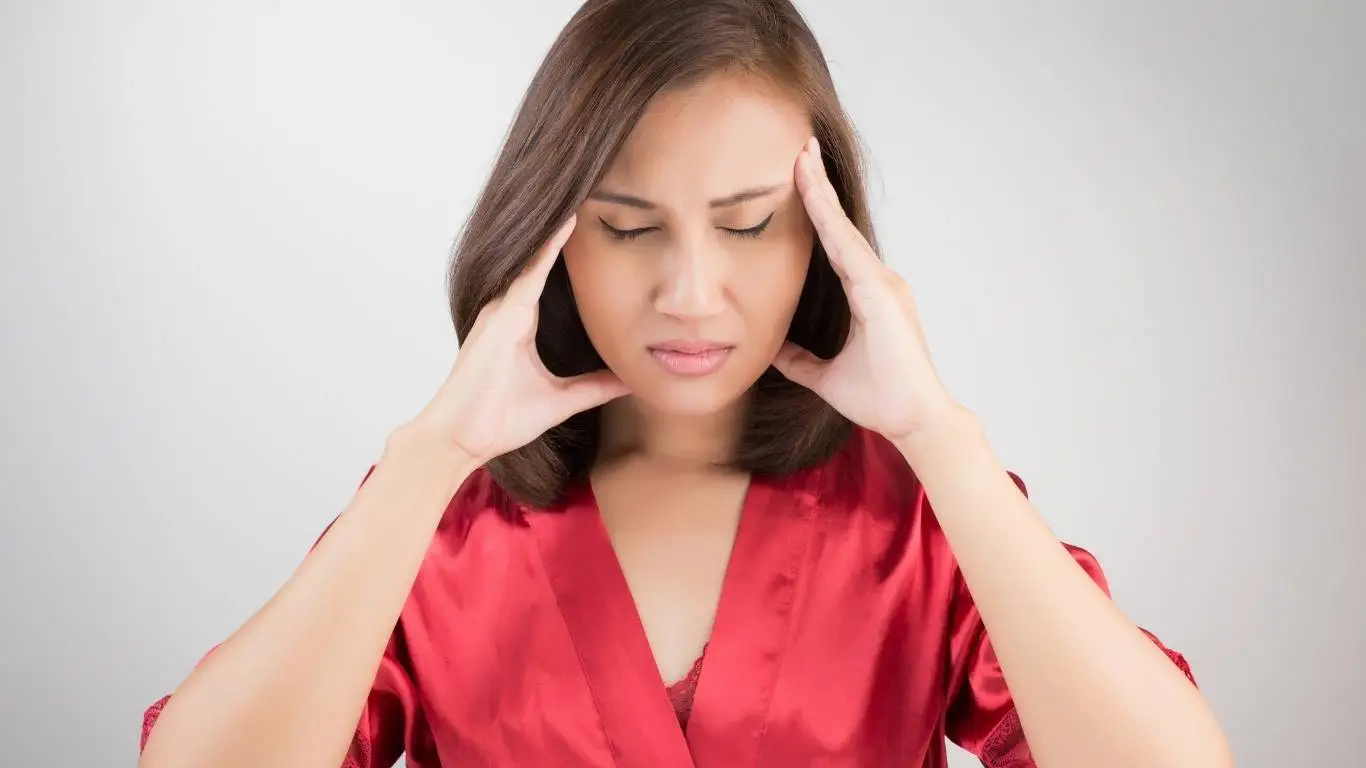
Ever noticed how some people can predict a storm better than any weather app? Well, I’m one of those “human barometers.” Whenever the air pressure takes a nosedive, my head becomes a battlefield of throbbing pain. It’s not some weather superstition—it’s a storm-barometric-pressure-drop-migraine, and it’s as real as it gets. If you’re like me, you probably dread seeing grey clouds more than anyone else.
Understanding the Storm-Barometric-Pressure-Drop-Migraine Phenomenon

Barometric pressure is the weight of the air around us. When a storm brews, that air pressure drops, sometimes dramatically. For folks with migraines, this sudden shift can trigger an attack. But why? Well, the human body is more sensitive to atmospheric changes than we often give it credit for.
One theory is that the pressure drop affects the fluids in your sinuses and brain, leading to inflammation and nerve irritation. For me, it’s a combination of that dull ache building behind my eyes and a sense of pressure in my temples that feels like a vice grip tightening.
Science Backs It Up
Research has shown a clear link between barometric pressure fluctuations and migraine frequency. According to the National Library of Medicine, a sudden decrease in air pressure can influence serotonin levels and blood vessel behavior, both of which play pivotal roles in migraine onset. No wonder so many of us feel it coming before the rain even starts.
Recognizing the Early Signs of Weather-Triggered Migraines

Over the years, I’ve noticed patterns. My “storm migraines” don’t just hit out of nowhere. They give me a warning—subtle, but there. If you’re nodding along, you might be familiar with these pre-attack whispers too:
- Feeling unusually fatigued or groggy even after a full night’s sleep.
- A weird tightness in the back of the neck and shoulders.
- Sudden sensitivity to light and sound.
- An unsettling sense of pressure behind the eyes or ears.
If you want to dive deeper into the early warning signs of a migraine, there’s a great resource on Healthusias that breaks it down in detail. It helped me understand my own triggers better.
Why Storm-Triggered Migraines Feel Worse Than Others

Not all migraines are created equal. For me, weather-induced migraines feel heavier, more relentless. They often come with sinus pressure that makes it hard to breathe comfortably. Some people even mistake them for sinus headaches, but trust me, they’re very different beasts. Here’s a handy guide to distinguish the two.
Amplified Symptoms
Aside from the usual throbbing, barometric migraines often bring along unwanted guests like:
- Dizziness or a sense of vertigo when standing up quickly.
- Heightened nausea, sometimes leading to vomiting if not managed early.
- Ear popping or fullness, similar to altitude changes during flights.
It’s these layered symptoms that make storm migraines so disruptive to daily life. You’re not just dealing with head pain, but a full-body rebellion.
Managing Barometric Pressure Migraines Like a Pro

I wish I could tell you there’s a magic pill, but managing these migraines often involves a mix of strategies. Over the years, I’ve developed a “storm kit” that helps reduce the intensity or even prevent full-blown attacks. Here’s what’s in mine:
- Pressure Modulation Devices – Tools like the Cefaly device have been game-changers for many.
- Essential Oils – A dab of peppermint oil on my temples can offer surprising relief. For a more comprehensive approach, check out this guide on essential oils for migraines.
- Hydration Boost – Barometric shifts can dehydrate you faster than you think. Electrolyte-rich drinks are a must.
- Screen Dimming Glasses – My blue-light glasses stay on during stormy days. If you’re sensitive to screen glare, read about the best options here.
Another tip that’s saved me countless headaches (literally) is adjusting my environment. Soft lighting, quiet spaces, and even controlling indoor air pressure with smart thermostats have made a noticeable difference.
When to See a Specialist

If you find yourself knocked out by every storm front, it might be time to consult a neurologist. Migraines aren’t just “bad headaches”—they’re complex neurological events. You can learn more about the importance of seeing a migraine specialist if you haven’t already.
Also, consider keeping a detailed migraine diary. Noting when attacks happen in relation to weather changes can help your doctor recommend targeted treatments. Here’s a simple guide to starting one.
For a broader understanding of migraine triggers, from weather to lifestyle factors, the Migraine Triggers Pillar page is a fantastic resource. And if you’re just starting to learn about how complex migraines can be, the main migraines and headaches hub covers everything from A to Z.
Proven Strategies to Prevent Storm-Barometric-Pressure-Drop Migraines

Let me be honest—there’s no full-proof way to outsmart Mother Nature, but with some proactive steps, you can dramatically reduce your chances of being sidelined by a migraine when the weather acts up. Over time, I’ve developed a sort of “storm survival routine” that’s saved me from countless bed-bound days.
- Track Weather Patterns Religiously – Apps that monitor barometric pressure trends are a game changer. I personally set alerts when the pressure is forecasted to drop rapidly.
- Hydration and Electrolytes – I make it a point to up my water intake, especially with electrolytes, a day before the weather shifts.
- Controlled Environment – Investing in an air purifier and humidifier has helped stabilize indoor air conditions, minimizing pressure-induced discomfort.
For more specific weather-related migraine management, I highly recommend reading this piece on how weather impacts migraines. It covers advanced tips and insights straight from experts.
Supplements and Nutritional Support That Actually Work

Ever since I started experimenting with natural supplements, I’ve noticed fewer severe migraine episodes during storms. Some of my go-to options include:
- Magnesium – This mineral is a staple in my daily routine. Studies suggest it helps stabilize nerve function during atmospheric changes. For an in-depth look at magnesium’s role, check out this guide.
- Vitamin B2 (Riboflavin) – Riboflavin has shown promise in reducing migraine frequency. It’s become a non-negotiable in my supplement stack.
- Omega-3 Fatty Acids – Apart from its heart health benefits, Omega-3s have an anti-inflammatory effect that can reduce migraine intensity. Read more about it here.
But remember, supplements work best when combined with lifestyle changes. A migraine-friendly diet, personalized to your triggers, is equally crucial. If you need help crafting a solid plan, I’d recommend consulting a certified nutritionist.
Relaxation Techniques That Have Saved Me

It took me years to realize that stress amplifies weather-induced migraines. Nowadays, I rely on a mix of relaxation techniques that help my body stay calm when the barometric rollercoaster starts:
- Deep Breathing Exercises – Simple but effective, breathing in rhythm can ease that tense neck and shoulder build-up before it escalates.
- Guided Imagery – I know it sounds a bit “woo-woo”, but guided imagery sessions have genuinely helped me redirect focus and minimize pain perception.
- Yoga – Specifically restorative yoga poses that open up the neck and back, relieving built-up pressure. There’s a great resource on yoga for migraine relief that I still follow religiously.
If you’re curious how stress directly ties into migraine patterns, this deep-dive on stress-induced migraines is a must-read.
Devices That Actually Help With Pressure-Induced Migraines

We live in an age where wearable tech isn’t just for fitness junkies. Migraine sufferers like us can benefit from devices specifically designed to mitigate attacks. I was skeptical at first, but after trying out a few, here’s what worked for me:
- Cefaly Device – It’s a forehead-placed device that delivers tiny electric pulses to the trigeminal nerve. Strange sensation? Yes. Effective? Absolutely.
- Nerivio – A wearable arm device that offers relief via neuromodulation. Portable and discreet, perfect when you’re stuck at work during a storm migraine.
If you’re interested in exploring more options, this review of migraine relief devices is packed with valuable insights and comparisons.
Is Medication Still Necessary?

As much as I advocate for natural and tech-driven solutions, I’m not here to dismiss traditional medications. Triptans and CGRP inhibitors have their place, especially when an attack is full-blown. The key is knowing when to reach for them versus when to rely on preventive strategies.
It’s important to consult with a healthcare professional who understands the nuances of storm-barometric-pressure-drop migraines. You can learn more about the latest medication options on the Migraine Treatment Pillar page.
While medication is a powerful tool, over-reliance can lead to rebound headaches. Always have a balanced approach.
Making Peace with the Weather (Kind Of)

Living with weather-triggered migraines is a journey of trial and error. Over the years, I’ve learned that being proactive—not reactive—is my best defense. Tracking weather patterns, maintaining a structured self-care routine, and staying flexible with my coping strategies has made life more manageable, even when the skies turn grey.
For a comprehensive dive into the many facets of migraine triggers, don’t miss the main migraine hub—it’s an invaluable resource I wish I had when I first started navigating this stormy path.

Bianca Nala is a compassionate Nurse Practitioner with a strong background in primary and respiratory care. As a health writer for Healthusias.com, she combines her clinical expertise with a talent for clear, relatable storytelling to help readers better understand their health. Bianca focuses on topics like asthma, COPD, chronic cough, and overall lung health, aiming to simplify complex medical topics without losing accuracy. Whether she’s treating patients or writing articles, Bianca is driven by a single goal: making quality healthcare knowledge accessible to everyone.