How Sun Glare and Reflective Surfaces Can Worsen Your Migraines
Ever been stuck in traffic with the sun bouncing off every car’s windshield straight into your eyes? That blinding glare is not just an annoyance—it’s a full-blown migraine trigger for me. For years, I couldn’t figure out why sunny days felt like a battle. Turns out, reflective surfaces and sun glare have a sneaky way of hijacking your brain, setting off those dreaded migraine attacks. And if you’re nodding along, trust me, you’re not alone.
Why Sun Glare and Reflective Surfaces are Migraine’s Worst Enemy

When sunlight reflects off glass buildings, car hoods, or even water puddles, it produces intense visual noise. For those prone to migraines, this chaotic light input overwhelms the brain’s visual cortex. Unlike regular headaches, migraines come with sensory hypersensitivity, and glare amplifies it exponentially.
What’s worse? This isn’t just anecdotal. According to American Academy of Ophthalmology, photophobia (light sensitivity) is a well-documented symptom among migraineurs. Reflective glare acts as a supercharged version of that light sensitivity.
The Science Behind Glare-Triggered Migraines

Overloading the Visual Cortex
Think of your brain’s visual cortex as a processor. It deciphers incoming light signals to create the images you see. Now, when light hits reflective surfaces, it scatters unpredictably. For a migraine-prone brain, this creates a sensory overload, often leading to aura, throbbing pain, and even visual distortions.
Blue Light and Reflective Surfaces—A Deadly Duo
Modern glass architecture and even car windows often reflect a significant amount of blue light. Studies from NIH suggest blue light is particularly aggressive in triggering neurological responses tied to migraines.
Here’s an in-depth look into how blue light sources amplify migraine triggers.
Real-Life Scenarios Where Glare Sneaks Up On You

- Driving at Sunset: That golden hour is a visual nightmare when sunlight reflects off rear windows.
- Urban Walks: Glass skyscrapers are migraine ambush zones with their mirror-like facades.
- Beach Visits: Water reflections? Gorgeous but treacherous for migraine sufferers.
And don’t get me started on chrome accessories—motorcycles, car trims, and even fancy shop displays. A casual day out can suddenly become a quest to find shade.
Personal Hacks to Outsmart Reflective Glare

Invest in Quality Polarized Lenses
This was a game-changer for me. Not the $10 gas station sunglasses, but high-grade polarized lenses that cut down horizontal glare dramatically. It’s like flipping off the migraine switch before it even flips on.
Glare-Reducing Window Films
If your home or office is a sunlight magnet, adding anti-glare films to windows can create a safe haven. You wouldn’t believe how much it reduced my midday migraine episodes. Check out this guide on customizing your environment for migraine comfort.
Mindful Route Planning
Yes, I literally use Google Maps street view to avoid hyper-reflective streets during sunny hours. Over the top? Maybe. But far better than nursing a migraine for the rest of the day.
Why Migraines and Light Sensitivity Go Hand in Hand

Photophobia is not just an accompanying symptom; it’s often the harbinger of a migraine attack. For many, including myself, the moment a sharp glare hits, there’s this sinking feeling—“Here comes a migraine.”
Migraines disrupt brain pathways responsible for sensory regulation. So, what might be a minor squint-inducing glare for some can be an excruciating trigger for others. Dive deeper into how light sensitivity escalates migraines.
Is There a Way to Build Tolerance?
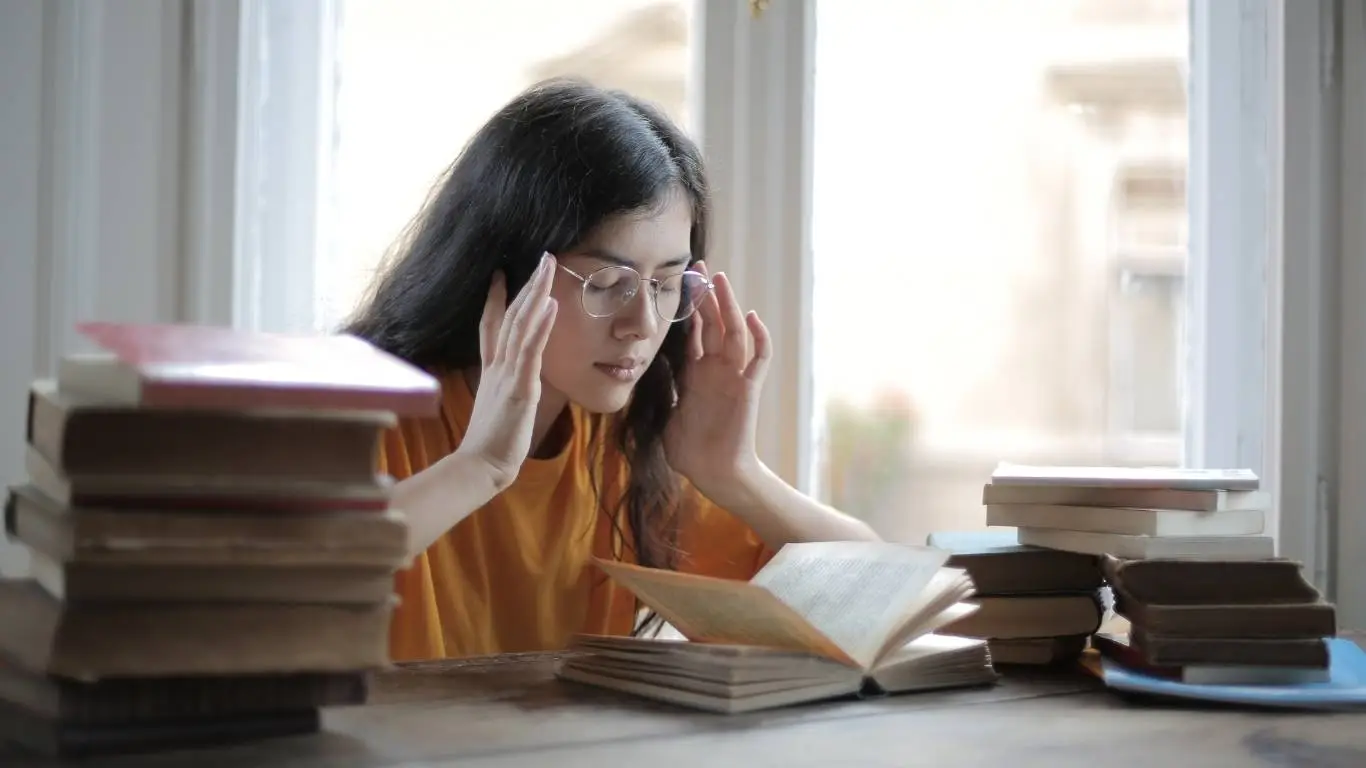
Honestly? It’s a mixed bag. While I haven’t found a way to make my brain “tougher” against glare, consistent habits like reducing screen brightness, taking regular eye breaks, and using amber-tinted indoor glasses have reduced my overall light sensitivity over time.
- Practice “Eye-Palming”: Gently covering your eyes with warm palms helps relax eye muscles after glare exposure.
- Slow Blink Exercises: It sounds silly, but deliberate, slow blinking rehydrates and resets overstimulated eyes.
- Blue-Light Blocking Apps: Essential for gadget addicts (guilty as charged!) to minimize cumulative strain.
Want to understand the full migraine-light sensitivity spectrum? You should explore the detailed symptom breakdown that dives into this complex relationship.
Don’t Ignore These Early Glare-Induced Migraine Signs

- Sudden Eye Strain: A tightening around your eyes after being outdoors.
- Visual Aura: Flickering lines or blind spots appearing post-glare exposure.
- Neck Tension: Glare-induced squinting often leads to stiff neck muscles—another migraine precursor.
If these sound familiar, you might be dealing with a photophobia-driven migraine pattern. For a complete diagnosis approach, visit how migraines are diagnosed.
For a foundational understanding of migraine complexities, especially visual triggers, the Understanding Migraines Pillar is a must-read. Also, don’t miss the comprehensive Main Migraines Guide to see how this fits into the bigger migraine puzzle.
Protective Strategies You Can’t Ignore

Let’s be real—avoiding sun glare entirely is near impossible. But over the years, I’ve picked up a few life-saving hacks that have genuinely reduced my migraine episodes caused by reflections. It’s not about hiding indoors; it’s about being smarter out there.
Polarized Lenses Are Non-Negotiable
I used to think all sunglasses were created equal—big mistake. Polarized lenses reduce horizontal light waves, which are the ones bouncing off cars, water, and glass. Once I switched, my commute transformed from a glare-induced squint-fest to a comfortable ride. If you’re dealing with migraine-related numbness or visual discomfort, this is a must.
Hats with Extended Brims—Your Portable Shade
Sounds simple, but wide-brimmed hats offer instant relief in high-glare environments. Especially useful on beach days when reflections off water are brutal. Combine them with polarized lenses, and you’ve got a solid defense layer.
Adjusting Indoor Spaces
It’s not always about the outdoors. My living room once had a notorious “glare hour” thanks to afternoon sunlight bouncing off the neighbor’s windows. Adding anti-glare window films and opting for matte surfaces instead of shiny furniture made a world of difference. You can also check practical indoor glare-reduction tips.
Glare-Triggered Migraines Aren’t Just Visual

One misconception I had was that glare-triggered migraines are solely visual problems. But it’s more layered than that. Glare doesn’t just tax your eyes—it sets off a chain reaction affecting your neck, posture, even your stress levels.
- Neck Tension: Squinting and constant eye strain tense up the neck muscles, which is a well-known migraine trigger.
- Increased Cortisol: The physical discomfort of glare leads to stress responses, spiking cortisol levels, and further exacerbating migraine chances.
- Postural Strain: Tilting your head awkwardly to avoid reflections can lead to posture-induced migraines. Yes, it’s a thing! Dive deeper into how neck posture plays a role.
The Role of Digital Glare in Modern Migraines

While we’ve talked about outdoor reflections, let’s not forget digital glare. If you’ve ever tried working on a laptop in a sunlit café, you know what I’m talking about. Reflections on screens can be just as brutal as any shiny surface outdoors.
Simple Fixes You Should Implement
- Anti-Glare Screen Protectors: A must-have if you spend hours on your phone or laptop. They significantly reduce reflective feedback.
- Positioning is Key: Always sit with your back to windows to minimize screen reflections. Small tweak, huge difference.
- Matte Screens Over Glossy: If you’re buying a new monitor, choose matte. You’ll thank yourself later.
Explore how screen-time overuse relates to migraine flares.
When to Seek Medical Help

I used to power through glare-induced migraines with sheer stubbornness. Bad idea. Persistent photophobia or migraines that escalate with sun exposure warrant a visit to a neurologist. They can assess whether you’re dealing with chronic migraine patterns, or if there’s an underlying sensitivity disorder at play.
Don’t self-diagnose. Getting a professional evaluation can introduce you to treatments like neurologist-guided interventions, customized migraine medications, or even physical therapy approaches targeting muscle tension from glare-induced posture issues.
Emerging Therapies to Combat Light Sensitivity

Technology has come a long way, and now, wearable devices are being designed specifically to mitigate photophobia. Devices like the Cefaly or Nerivio are gaining traction for their non-invasive migraine prevention capabilities. You can learn more about these innovative gadgets in our migraine relief devices guide.
Sun Glare Migraine Triggers You Might Be Overlooking
- Shiny Indoor Decor: Mirrors and polished floors in your own home can create mini glare zones.
- Phone Screens Outdoors: Ever noticed how much more you squint at your phone under sunlight? It’s a silent trigger.
- Glasses Without Anti-Reflective Coating: Prescription glasses can reflect light back into your eyes, amplifying discomfort.
Can Diet Help Reduce Glare-Induced Migraine Frequency?

This is where it gets interesting. Anti-inflammatory foods like leafy greens, omega-3 rich fish, and magnesium-loaded nuts can lower your overall migraine threshold. I’ve personally seen improvements after tweaking my diet to reduce inflammatory triggers.
Consider following a migraine-friendly diet plan to complement your glare-avoidance strategies.
Mindfulness Techniques to Manage Light-Induced Migraine Stress

Stress is a well-known migraine amplifier. Practicing mindfulness, guided imagery, or simple breathing exercises after a glare-heavy day helps bring down my overall stress load. It’s not a cure, but it certainly aids in managing the migraine’s intensity.
Start small—5 minutes of guided breathing can reset your sensory input after prolonged glare exposure. Explore how Cognitive Behavioral Therapy (CBT) techniques can reshape your migraine coping mechanisms.
For a comprehensive breakdown of treatment methods, our Migraine Treatment Pillar offers everything you need to know.

Bianca Nala is a compassionate Nurse Practitioner with a strong background in primary and respiratory care. As a health writer for Healthusias.com, she combines her clinical expertise with a talent for clear, relatable storytelling to help readers better understand their health. Bianca focuses on topics like asthma, COPD, chronic cough, and overall lung health, aiming to simplify complex medical topics without losing accuracy. Whether she’s treating patients or writing articles, Bianca is driven by a single goal: making quality healthcare knowledge accessible to everyone.