Visual Scotoma Aura Signs That Warn You Before Migraines
If you’ve ever found yourself suddenly seeing shimmering zigzags, blurry blind spots, or strange flickering lights before a migraine hits—trust me, you’re not alone. I’ve been there, in the middle of a grocery store aisle, frozen in place while my field of vision filled with wavy lines that made reading labels impossible. What I learned later was that I wasn’t going crazy—it was something called a visual scotoma, one of the early visual aura signs that can accompany migraines. And once you start recognizing the signs, you realize your body’s been trying to warn you all along.
What Is a Visual Scotoma?
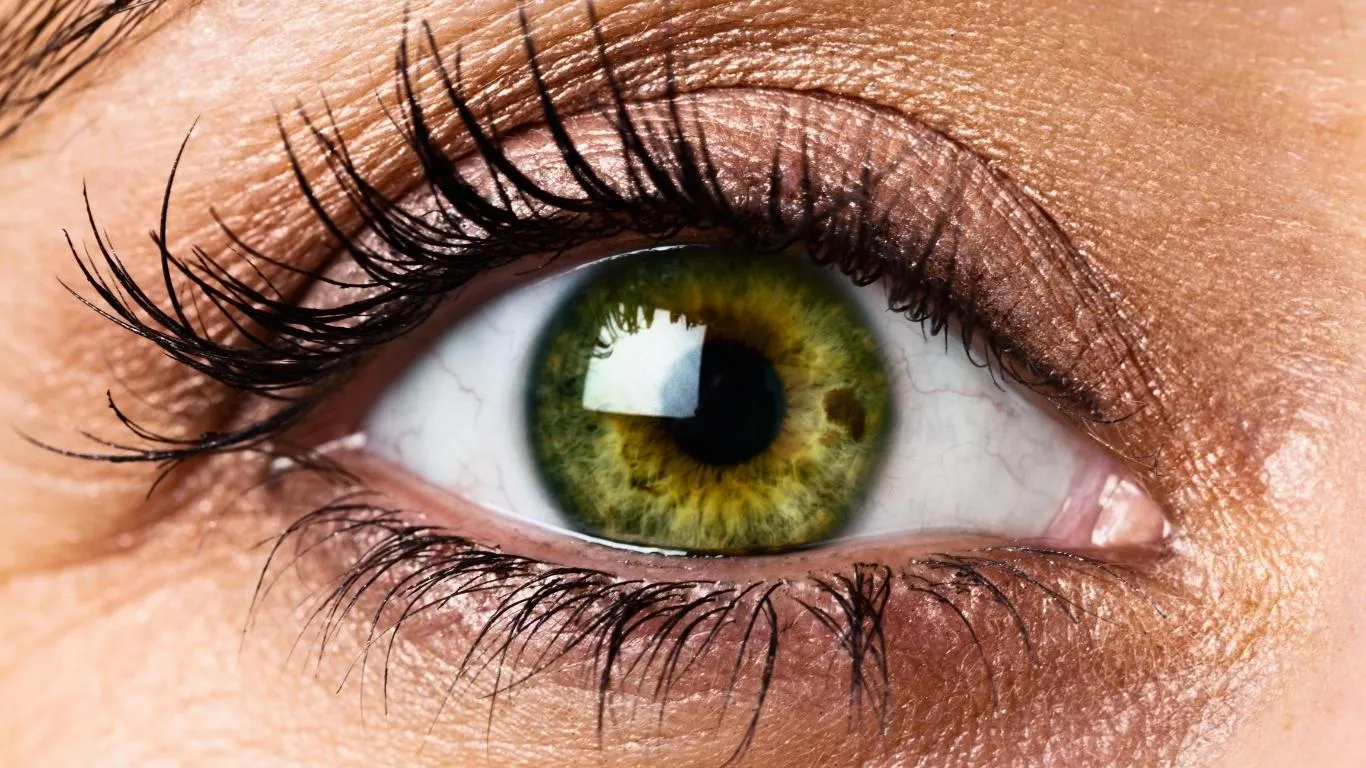
In simple terms, a visual scotoma is a blind spot or area of diminished vision in your visual field. It can look like a dark patch, shimmering area, or flickering static—often shifting shape as it grows. Many people don’t realize these signs are part of what’s called a migraine aura. The visual distortions aren’t random; they follow patterns that can last from a few minutes up to an hour, acting as a warning system that a migraine might be approaching.
Scotomas can be central, affecting the area you’re directly looking at, or peripheral, creeping in from the sides. For me, it usually starts with a tiny glimmering spot on the left side of my vision, growing larger until it distorts almost everything I see. Some people get colorful geometric shapes, others experience what looks like heat waves off asphalt. That’s how uniquely weird—and personal—these auras can be.
How Aura Signs Show Up Before a Migraine
One of the most misunderstood aspects of migraine aura is that it’s not just about vision. While visual auras like scotomas are the most common, aura can involve sensory, speech, or even motor disturbances. But let’s stay focused on the visual experience—because it’s wild.
Typical Visual Aura Symptoms Include:
- Flashing lights or “sparks”
- Fortification patterns (like castle walls or zigzag lines)
- Blurry or hazy patches that distort part of your vision
- Temporary blindness or “curtains” over part of the visual field
- Wavy distortions like looking through water
One visual I can never forget was a time I saw what looked like a spinning prism in my peripheral vision while driving. It faded just before the migraine pain hit like a freight train. I later discovered this is pretty common—many people experience migraine aura signs that mimic visual effects seen in movies or VR headsets.
Why Scotomas Happen: What’s Going on in the Brain?
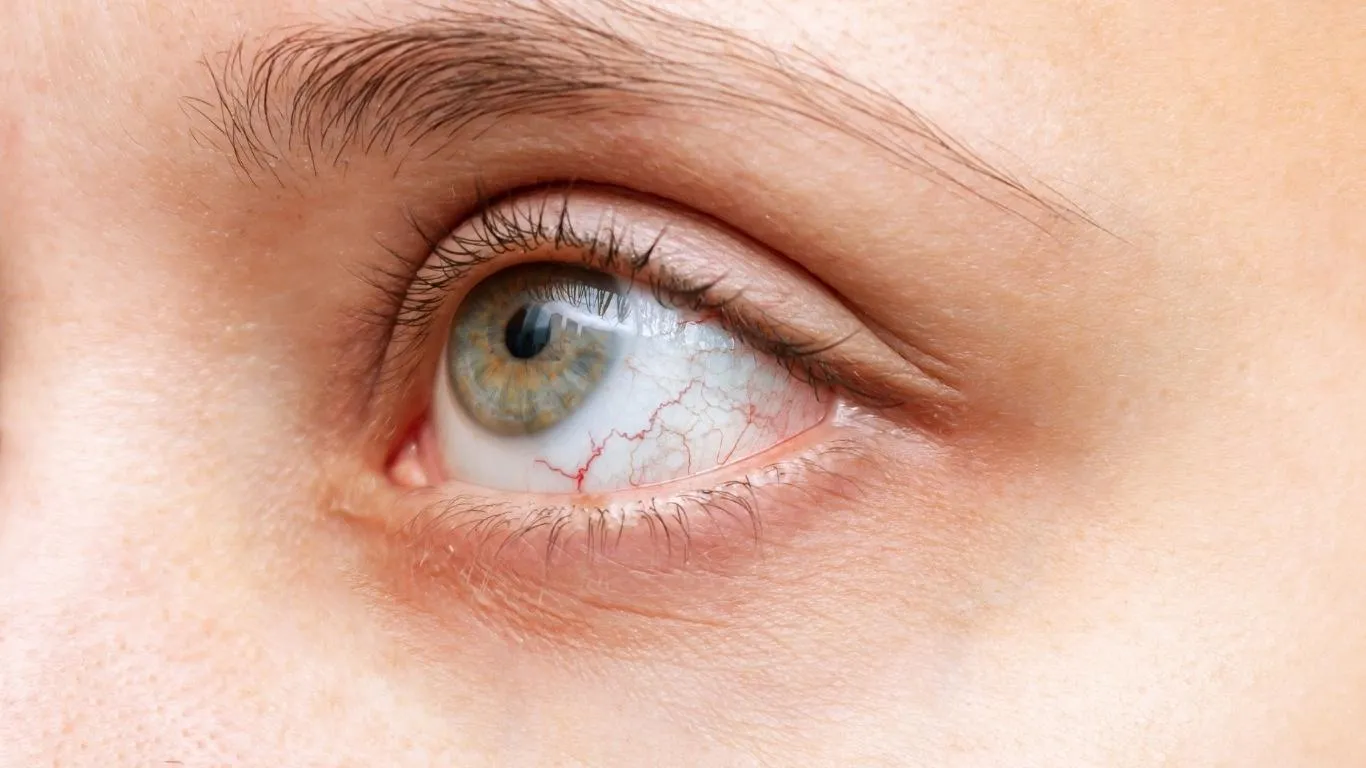
Visual auras, including scotomas, are believed to be caused by a phenomenon called cortical spreading depression—a wave of electrical activity that moves across the visual cortex of the brain. This wave affects how the brain processes visual information, creating temporary disturbances in what we see.
Basically, your brain gets a kind of power surge and blackout combo, disrupting your normal vision. It’s not eye-related, even though it feels like it. That’s why eye exams often come back totally normal during these episodes.
If you’re curious about the neurological link, the neurological causes of migraines article dives deeper into the science behind this.
Scotomas vs. Other Visual Conditions
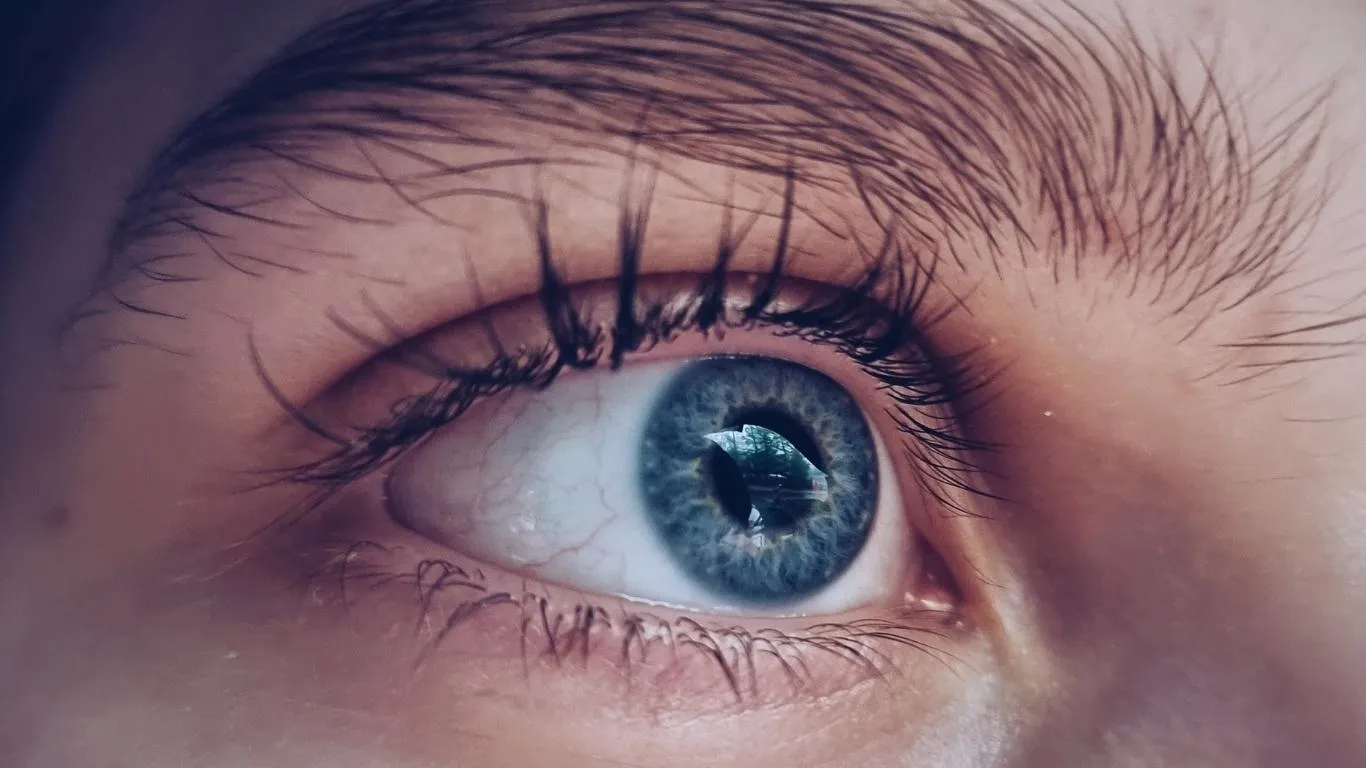
One thing I struggled with early on was figuring out whether what I was seeing was a migraine aura, or something more serious like retinal detachment. Here’s a quick breakdown to help you distinguish:
- Migraine Scotomas: Develop gradually over 5–20 minutes, often come with shimmering or flickering effects, and fade within an hour.
- Eye Floaters: Look like strings, specks, or cobwebs, move with your eye, and are persistent over time—not aura-related.
- Retinal Detachment: Sudden vision loss, intense floaters or flashes, medical emergency.
If your visual symptoms are new, sudden, or don’t go away, definitely don’t self-diagnose—see an eye specialist immediately. Scotomas related to migraines are usually benign, but it’s essential to rule out other issues.
Living with Visual Auras: Managing the Signs
Once I understood what was happening, I learned to spot the earliest signs and adjust accordingly. For instance, if I catch that glittering scotoma in the corner of my eye, I avoid screens, turn down the lights, and stay hydrated. It doesn’t always prevent the migraine, but it makes the whole thing more bearable.
Managing migraine aura often involves the same lifestyle and trigger-avoidance strategies you’d use for migraine attacks. If you want to dig into specific tools and routines, check out this deep dive on migraine prevention and what actually helps in daily life.
Also, keeping a journal has helped me connect dots between triggers and timing. If I skip breakfast, spend too long in front of a screen, or forget my sunglasses—boom, aura time. There’s a surprisingly strong link between visual triggers and the onset of aura. Some tools like migraine tracking apps and blue light filters (discussed here) can make a noticeable difference.
Need a full guide to migraine types and how they work? You might find this breakdown helpful: Understanding Migraines. And for broader strategies, you can always start at the main migraines and headaches resource.
Everyday Life with Aura: It’s Not Always Predictable
Let’s be honest—living with visual scotoma aura signs can be a curveball. I’ve had them show up right before big meetings, while cooking dinner, and once during a hiking trip (that one was terrifying). The problem isn’t just the visual disruption—it’s the uncertainty. Will this turn into a migraine? Will it go away quickly? Or is this going to ruin my day?
Over time, I’ve built a toolkit that helps me handle aura when it hits unexpectedly. And while no method is foolproof, knowing how to respond gives you back a little control.
My Go-To Moves When Aura Strikes:
- Pause immediately. Trying to power through is a bad idea. If I’m on a screen, I stop.
- Dim the lights. Harsh brightness makes everything worse—especially fluorescent lighting.
- Hydrate. I always keep a water bottle nearby; dehydration is a sneaky trigger.
- Lie down with a cool cloth. Sometimes even 10 minutes in a dark room resets everything.
- Track it. I jot down what I ate, how I slept, and what I was doing just before it started.
There’s no magic pill, but these steps often reduce the impact. I’ve also found guided imagery or breathing exercises can calm the nerves when aura anxiety creeps in. You can explore more about migraine management tips from professionals here—it’s not just about meds, but about mindset too.
When to Be Concerned: Visual Symptoms That Warrant a Doctor Visit
One of the questions I see most in migraine communities is, “How do I know this isn’t something serious?” Great question—and one I asked myself early on, more than once. While aura symptoms are usually harmless, there are red flags you shouldn’t ignore.
Call your doctor if:
- You experience sudden, severe vision loss in one or both eyes
- There’s no headache following the aura (especially if that’s unusual for you)
- The aura lasts more than an hour or is drastically different than your normal pattern
- Visual disturbances are accompanied by weakness, confusion, or slurred speech
- You’re over 50 and just started having auras for the first time
These symptoms can mimic stroke or retinal conditions, so don’t wait. It’s better to get checked and find nothing than to miss something critical. If you’re looking into diagnosis options, here’s a solid resource: How Migraines Are Diagnosed.
Triggers Tied to Visual Auras (And Some You’d Never Guess)
Triggers are weirdly personal. One person’s harmless snack is another’s full-blown migraine starter. With visual aura, I’ve noticed triggers seem to hit a little faster. A quick flash of screen glare or a skipped lunch can be enough to set it off.
Common triggers people report:
- Bright or flickering lights (looking at you, office fluorescents)
- Screen glare, especially from phones and laptops
- Dehydration or electrolyte imbalance
- Hunger, especially after skipping meals
- Hormonal fluctuations, particularly around cycles
Some lesser-known triggers that caught me off guard:
- Changing altitudes while flying (check out flying and migraines)
- Overexposure to perfume or cleaning agents
- Sudden temperature changes or hot showers
- Using certain screen filters or lighting modes incorrectly
Identifying your own pattern is crucial. I use a basic app to log symptoms and triggers, but even a simple notebook works. There’s a helpful breakdown on migraine tracking tools if you’re ready to start.
Can Visual Auras Happen Without a Headache?
Yes—and it’s way more common than you think. These are called silent migraines or acephalgic migraines. I’ve had a few myself, and they feel like your brain decided to skip the pain part but left the chaotic light show behind.
If you’re seeing visual disruptions but not getting a follow-up headache, check out this guide to silent migraines. It helped me understand that not every migraine looks like pain—and recognizing the patterns early means better prevention strategies later.
How the Community Copes (And What I’ve Learned from Others)
One of the most comforting things about dealing with visual aura symptoms is knowing you’re not the only one. Whether it’s an online migraine support group or a Reddit thread, people swap tips that often work better than what doctors suggest.
Some of the most helpful tips I’ve picked up:
- Keep a tinted pair of glasses in your bag for unexpected bright environments
- Use screen-dimming apps with time-based automation
- Have a “cool-down” space in your home—dark, quiet, and always ready
- Try magnesium supplements (after talking to your doctor)
- Don’t underestimate the power of a good pillow and blackout curtains
If you’re exploring alternative approaches, the article on natural remedies for migraines goes deep into calming strategies that don’t involve prescriptions.
Staying Proactive: Tools That Help You Regain Control
Managing visual aura isn’t just about reacting—it’s about setting yourself up to avoid it in the first place. Between nutrition, stress control, and light sensitivity tools, you can actually stack the odds in your favor. For anyone serious about long-term control, this tools and devices guide is gold.
Personally, I’ve invested in a couple of things that changed my daily life—blue light filtering lenses, a migraine-specific meditation app, and a foam cooling mask I can’t live without. These tiny upgrades pay off big when it means fewer interruptions from scotomas and migraine downtime.
If you’re trying to understand the full picture of migraine and all its variations, here’s the most in-depth place to start: Understanding Migraines. And for more daily tips, visit the main migraine hub on Healthusias.

Bianca Nala is a compassionate Nurse Practitioner with a strong background in primary and respiratory care. As a health writer for Healthusias.com, she combines her clinical expertise with a talent for clear, relatable storytelling to help readers better understand their health. Bianca focuses on topics like asthma, COPD, chronic cough, and overall lung health, aiming to simplify complex medical topics without losing accuracy. Whether she’s treating patients or writing articles, Bianca is driven by a single goal: making quality healthcare knowledge accessible to everyone.