
Understanding and Preventing Weekend Decompression Migraines
Weekends are supposed to be a time for rest and renewal, yet for many people who live with migraines, those precious two days can be a minefield. I’ve had my fair share of “Saturday surprise” migraines, the kind that creep up just when you finally let your guard down. This frustrating phenomenon—often called a weekend decompression migraine—happens when your body reacts to a sudden change in routine. Instead of enjoying a lazy Sunday morning, you might find yourself in a dark room, ice pack in hand, wishing you’d just stayed in your weekday rhythm. Let’s dig into why this happens and what you can do to stop your downtime from becoming migraine time.
What Is a Weekend Decompression Migraine?
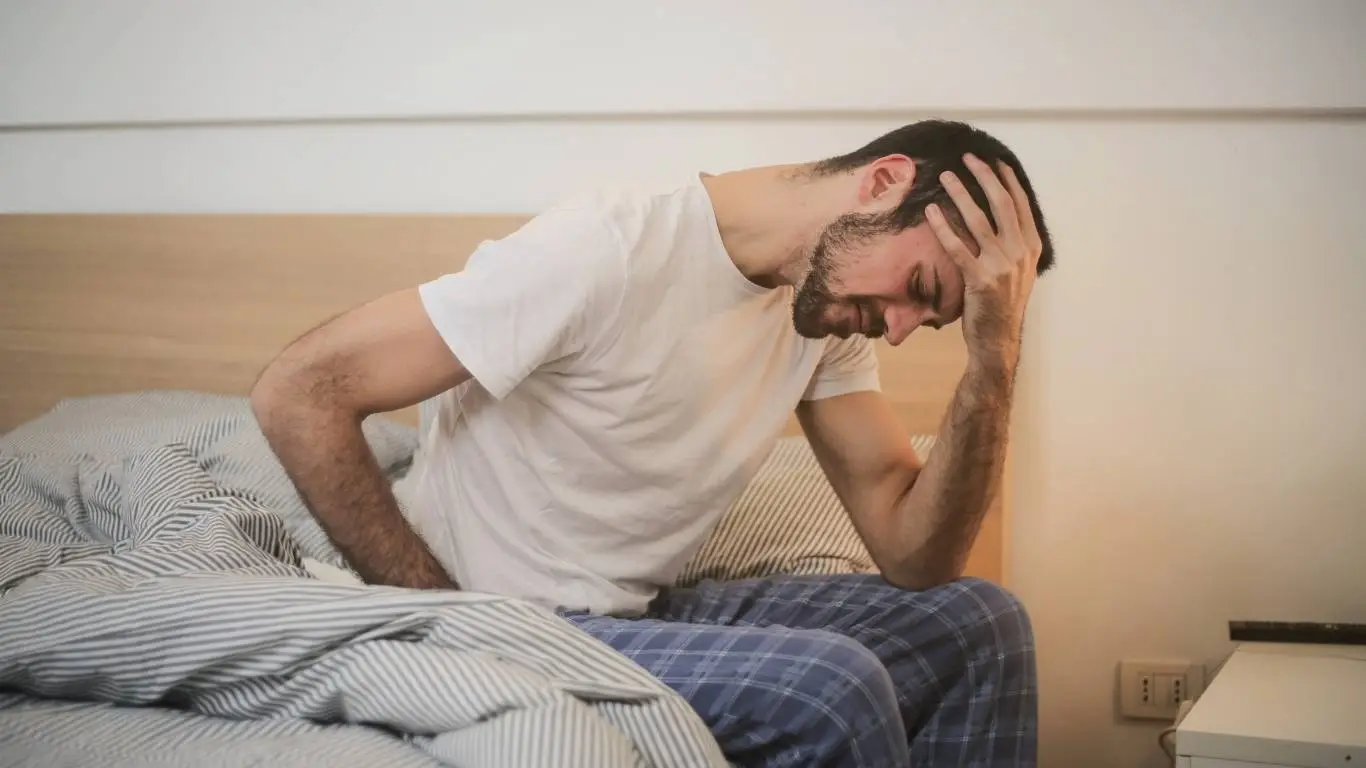
Weekend decompression migraines are attacks that occur after a shift from high weekday stress to relaxation, often on the first day or two off work. It’s not just about “letting go” mentally—your body goes through real physiological changes when you switch gears. Stress hormones like cortisol drop, blood vessels can dilate, and your sleep and eating patterns often shift. For some people, this perfect storm triggers a migraine within hours.
Interestingly, research has shown that the transition itself—not just the stress before or after—is what sparks the attack. Your nervous system has been on high alert all week, then suddenly it’s told to stand down. That abrupt change can set off pain pathways in sensitive individuals, especially those with a long migraine history.
Common Triggers Specific to Weekends

1. Changes in Sleep Patterns
One of the biggest weekend triggers is the “sleep-in” effect. You stay up later on Friday, sleep longer on Saturday, and your internal clock gets confused. This disrupts circadian rhythms, which are tightly linked to migraine activity. Morning migraines are especially common when sleep timing changes abruptly.
2. Caffeine Habits
Weekends often mean different coffee schedules—maybe you skip your usual early-morning cup or indulge in an extra-large latte. Both too much and too little caffeine can trigger headaches. This is closely tied to what’s known as a caffeine withdrawal migraine.
3. Dietary Changes
Saturday brunches, late-night snacks, and that glass of wine at dinner all sound harmless until you realize they’re classic migraine triggers. Alcohol, especially red wine, can quickly turn a relaxing evening into a throbbing nightmare.
4. Stress Drop-Off
While stress itself is a migraine trigger, so is the release after it. That “post-stress letdown” is exactly what fuels weekend decompression migraines. The more intense your workweek, the bigger the risk when you suddenly relax.
How to Prevent Weekend Decompression Migraines

Keep a Consistent Sleep Schedule
Your brain loves routine. Going to bed and waking up within an hour of your weekday schedule can drastically reduce migraine risk. Even if you want to sleep in, try not to overshoot your usual wake time by more than 60 minutes.
Maintain Steady Caffeine Intake
If you normally have one morning coffee, stick to it—even on weekends. This consistency helps avoid withdrawal headaches. If you want to cut back on caffeine, do it gradually during the week rather than all at once on Saturday.
Plan Meals Mindfully
Skipping breakfast or eating at irregular times can be as problematic as certain trigger foods. Keeping your meal schedule consistent, even when your activities change, helps maintain stable blood sugar and reduces sugar crash migraines.
Incorporate Gentle Stress Management
Instead of going from 100 to zero stress, ease into your weekend. Try light exercise, deep breathing, or short walks. These small steps can prevent the sudden cortisol drop that sparks migraines. A simple 10-minute walking meditation can be surprisingly effective.
When to Seek Professional Help
If weekend migraines are becoming a pattern despite lifestyle tweaks, it might be time to talk to a healthcare provider. A neurologist can help identify triggers you might be missing and explore treatment options like preventive medications or biofeedback. According to Mayo Clinic, keeping a migraine diary can help spot subtle connections between your routine and attacks.
Building a Weekend Migraine-Proof Routine

Creating a weekend plan that’s both enjoyable and migraine-friendly is possible. Think of it less as a restriction and more as a way to protect your downtime. Mix in restful activities with light movement, keep hydration in check, and avoid known personal triggers. You might also explore migraine prevention strategies that fit your lifestyle.
For a deeper understanding of the broader migraine landscape and how different triggers interact, the main migraine resource hub offers comprehensive insights and tools.
While making small changes to your weekend routine can cut down migraine attacks, sometimes you need a more layered strategy—one that works even when life throws curveballs. From subtle environmental tweaks to new wellness habits, you can build a solid defense against weekend decompression migraines. I’ve personally learned that prevention doesn’t mean living like a monk; it’s about having a plan that adapts to different situations without stripping away the joy of your free time.
Fine-Tuning Your Environment

Lighting Adjustments
Harsh lighting can quickly turn a relaxing day into a migraine trigger. Dimmer switches, soft LED bulbs, or natural light curtains can help you avoid the sudden contrast that sometimes sparks pain. For sensitive eyes, blue light filters on screens can be a weekend lifesaver.
Noise Control
Weekends often bring unexpected sounds—neighbors doing DIY projects, kids playing outside, or sudden loud TV volumes. Keeping earplugs handy or creating a quiet space in your home can make a big difference. Even a short break in a calm environment can reset your sensory load.
Nutrition and Hydration Strategies
Stay Hydrated Without Overdoing It
Dehydration is a well-known migraine trigger, but drinking too much water at once can also cause discomfort. Aim for steady intake throughout the day. I keep a refillable bottle nearby, which also serves as a visual reminder.
Smart Snacking
Weekend schedules can be unpredictable, so keeping migraine-safe snacks on hand—like almonds, bananas, or whole-grain crackers—helps avoid sudden blood sugar drops. Avoiding known food triggers, as outlined in migraine food guides, keeps your weekend meals in the safe zone.
Body and Mind Relaxation Techniques

Gentle Weekend Workouts
Intense exercise can sometimes backfire, but light activity like yoga, stretching, or a short walk helps maintain circulation and reduces tension. The key is avoiding extremes—both total inactivity and overexertion can lead to trouble.
Meditative Breathing
Stress doesn’t just vanish when the weekend starts. Practicing breathing techniques can calm the nervous system before a migraine begins. Even five minutes of focused breathing while sitting comfortably can reset your mind and body.
Emergency Weekend Migraine Kit

Preparation beats panic. Having a small kit ready means you can treat symptoms early and avoid losing an entire day. Mine includes:
- A prescribed rescue medication
- Cooling gel pack
- Sunglasses for light sensitivity
- Hydration packets
- Low-trigger snacks
When Weekends Involve Travel or Events

Special weekend plans—like road trips, family gatherings, or late-night concerts—add more variables. For travel, staying hydrated and taking short movement breaks helps. If you’re attending a crowded event, scope out quiet areas in advance and pack your migraine kit. The advice in migraine travel tips can make these experiences smoother.
Long-Term Prevention Habits

Reducing weekend decompression migraines often comes down to what you do Monday through Friday. Keeping work stress in check, eating balanced meals, and sticking to a manageable exercise schedule lowers the rebound effect when the weekend hits.
For a complete approach that blends medical insights with everyday adjustments, see the comprehensive guide on migraine prevention and the broader overview in the main migraine resource hub. Combining these strategies ensures you protect your weekends without losing the freedom and relaxation they’re meant to provide.

Bianca Nala is a compassionate Nurse Practitioner with a strong background in primary and respiratory care. As a health writer for Healthusias.com, she combines her clinical expertise with a talent for clear, relatable storytelling to help readers better understand their health. Bianca focuses on topics like asthma, COPD, chronic cough, and overall lung health, aiming to simplify complex medical topics without losing accuracy. Whether she’s treating patients or writing articles, Bianca is driven by a single goal: making quality healthcare knowledge accessible to everyone.