
Morning Back Stiffness Stretching Routines That Actually Relieve Pain
Let me guess — you wake up in the morning, swing your legs over the side of the bed, and bam, your lower back feels like it’s made of concrete. I’ve been there. Morning back stiffness isn’t just an “age thing” or “bad mattress excuse” — it’s often your body crying out for movement after hours of being stuck in one position. So if you’re tired of those first painful steps in the morning, let’s dive into some effective morning back stiffness stretching routines that can actually make a difference — and trust me, it doesn’t require becoming a yoga guru overnight.
Why Morning Back Stiffness Happens (Even If You Slept ‘Well’)

Most people think back stiffness comes from “sleeping wrong,” but the truth is far deeper. When you’re lying in bed for 6-8 hours, your spine isn’t moving. That immobility causes fluid accumulation in the discs and joints, making them feel rigid and inflamed. Add tight hip flexors, weak glutes, or even subtle postural misalignments, and you’ve got a recipe for daily back tightness. I learned this the hard way after weeks of blaming my pillow.
Gentle Morning Stretches to Loosen Up Your Spine

1. Supine Knee-to-Chest Hold
This is my go-to stretch right after waking up. Simply lie on your back and gently pull one knee toward your chest, holding it for about 20-30 seconds. Repeat with the other leg. It’s simple, yet it decompresses the lower back effectively.
2. Cat-Cow Stretch
A classic from yoga, but wildly effective for morning stiffness. On all fours, alternate between arching your back up (like an angry cat) and dipping it down (cow pose). Go slow, sync it with your breath, and you’ll feel that morning tightness ease out in no time.
3. Seated Forward Fold
Sit on the edge of your bed, feet flat on the floor, and slowly bend forward reaching toward your toes. You don’t need to touch them — it’s about lengthening the spine and releasing tension from the hamstrings which tug on your lower back.
Common Mistakes People Make in Morning Stretching

- Bouncing during stretches: This can actually strain your muscles instead of loosening them.
- Holding breath while stretching: Proper breathing is half the benefit in any stretch.
- Skipping warm-up movements: Stretching cold muscles without gentle movements can backfire.
Beyond Stretching: Small Morning Habits That Transform Back Health

- Start with a few minutes of light walking around your room before stretching.
- Use a warm compress on your lower back for 5 minutes after getting up.
- Incorporate a few gentle core engagement exercises post-stretch to “wake up” the stabilizers.
One mistake I used to make was heading straight to my desk after stretching — turns out, prolonged sitting right after isn’t ideal. Instead, alternating between sitting and standing, even for a few minutes, can keep that post-stretch looseness lasting longer. Curious how standing desks can impact back stiffness? Check out this guide that really opened my eyes.
When Stretching Alone Isn’t Enough: Watch for These Red Flags
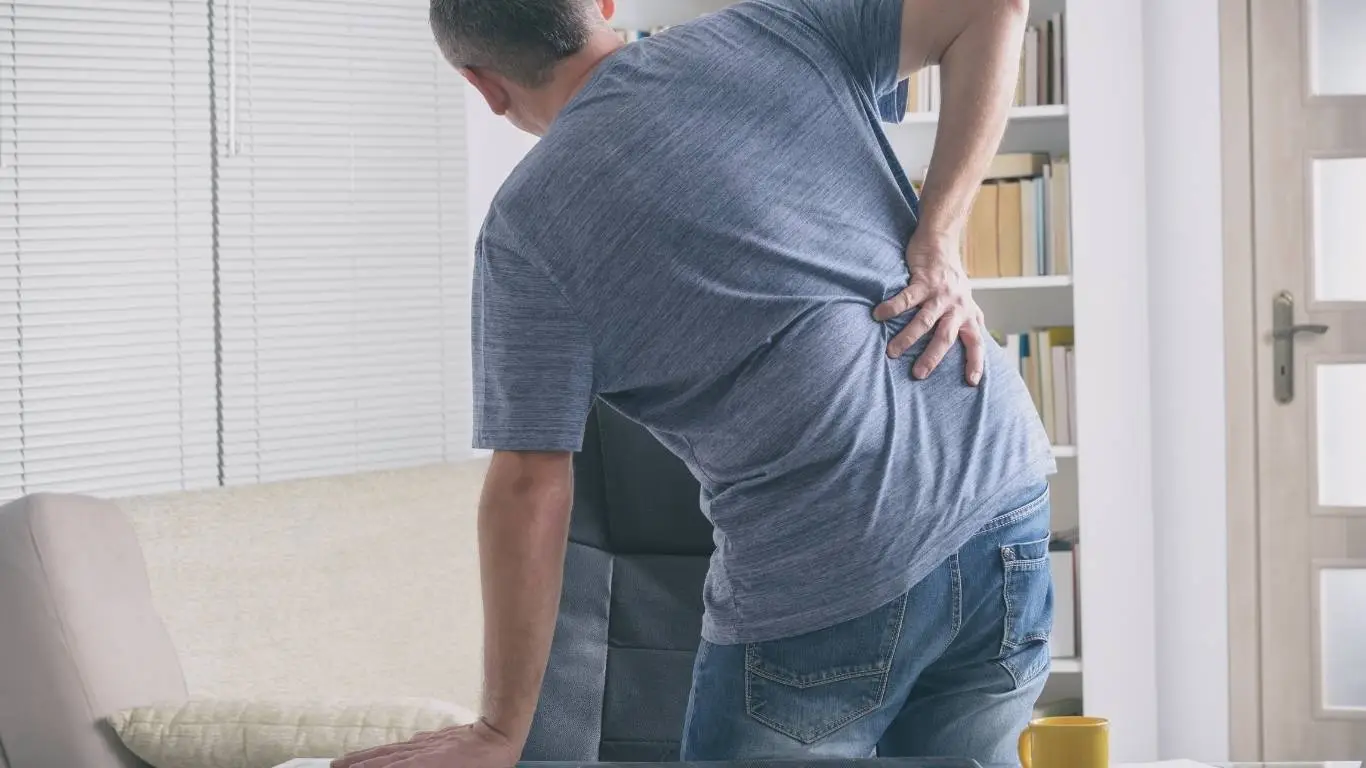
If your morning back stiffness is accompanied by shooting leg pain, numbness, or significant mobility restrictions, it might be time to consult a specialist. Stretches won’t “fix” issues like herniated discs or sciatic nerve compression. For a deeper dive into these symptoms, I highly recommend reading about sciatica vs back pain differences — it’s a game-changer in understanding what’s really going on.
Integrating Back-Friendly Habits Throughout Your Morning

Stretching is only the first piece of the puzzle. From the chair you sit on, to how you brush your teeth, small habitual tweaks can significantly reduce stiffness.
- Ergonomic habits in daily tasks — simple changes in posture while working, cooking, or even driving can protect your back.
- Switching to a lumbar-support pillow during your morning coffee ritual — it makes a surprising difference.
- Consider adding dynamic stretches while waiting for your coffee to brew. It’s multitasking, back-pain style!
For a more in-depth look at holistic back health, don’t miss the comprehensive guide at Back Pain Main Pillar. It covers everything from prevention strategies to treatment insights that every back pain sufferer (like us) should know.
Advanced Morning Stretching Routines for Persistent Stiffness

Once you’ve built consistency with basic stretches, it’s time to level up. Persistent stiffness often requires targeted mobility work. I found that integrating these moves not only reduced my morning stiffness but also improved my posture throughout the day.
1. Pelvic Tilts on the Floor
Lie flat on your back, knees bent, feet flat. Gently tilt your pelvis upward, flattening your lower back against the floor, hold for 5 seconds, then release. This subtle movement re-engages the lumbar area and preps it for upright posture.
2. Spinal Twist Stretch
While lying on your back, bring your right knee across your body to the left, letting it rest on the floor. Extend your right arm to the side and gaze toward it. Hold for 20 seconds and switch sides. This one feels fantastic for loosening that “locked” feeling in the lower back.
3. Hip Flexor Stretch (Standing Lunge)
Stand up, take a large step forward into a lunge, and gently push your hips forward. Tight hip flexors are often silent contributors to morning back stiffness. This stretch wakes them up and relieves tension in the lumbar spine.
My Morning Stretching Routine That Actually Works

Here’s a simple sequence I follow most mornings (it takes less than 10 minutes):
- Supine Knee-to-Chest (30 seconds each side)
- Cat-Cow Stretch (10 slow rounds)
- Pelvic Tilts (15 gentle reps)
- Seated Forward Fold (hold for 20-30 seconds)
- Standing Hip Flexor Stretch (20 seconds each side)
- Spinal Twist Stretch (hold for 20-30 seconds per side)
It might sound like a lot, but once it becomes a habit, it flows naturally into your morning rhythm. Honestly, I can’t function without it now.
Essential Tools That Can Support Your Morning Stretch Routine

- Foam Roller: Perfect for pre-stretch muscle activation, especially on tight glutes and upper back.
- Yoga Strap: Helps in deepening stretches without forcing your range of motion.
- Supportive Floor Mat: Softens the surface under your spine, making stretches more comfortable.
If you’re not familiar with foam rolling techniques, I found this guide on foam rolling super helpful in getting started without overdoing it.
Hidden Lifestyle Factors Making Morning Stiffness Worse

Even with the best morning stretching, certain habits can sneakily undo your efforts. Here are a few culprits:
- Prolonged evening sitting — binge-watching on a sagging couch can undo your spinal alignment before bed.
- Poor hydration — dehydrated muscles are stiff muscles. Start hydrating early in the morning.
- Late-night snacking — this surprised me, but gut inflammation can silently amplify back stiffness. I noticed less tightness when I cut down late-night processed snacks.
Interested in how lifestyle tweaks like nutrition can impact back stiffness? Check out our deep dive into natural remedies and lifestyle solutions for back pain relief.
What to Do If Morning Stiffness Isn’t Improving

Sometimes, despite consistent stretching, stiffness lingers. This could indicate underlying issues like joint dysfunction or muscle imbalances. I’ve been through a phase where I thought I was doing everything right, yet the stiffness stayed. It wasn’t until I consulted a physical therapist that I learned about hidden muscle compensations.
Getting a professional assessment can help you identify if your stiffness is coming from more than just tight muscles. If you’re curious about advanced diagnostic approaches, here’s why MRIs can sometimes reveal what basic assessments miss.
Daily Micro-Habits That Keep Your Back Flexible

- Set a 30-minute timer to stand up and do 1-2 light stretches.
- Practice diaphragmatic breathing while sitting to keep the core engaged.
- Adjust your screen height — looking down constantly can lead to thoracic stiffness that feeds into lower back discomfort.
For a structured approach to daily ergonomics and back health, the resource at Back Pain Main Pillar is a must-bookmark. It’s loaded with practical, real-world strategies that go beyond generic tips.

Camellia Wulansari is a dedicated Medical Assistant at a local clinic and a passionate health writer at Healthusias.com. With years of hands-on experience in patient care and a deep interest in preventive medicine, she bridges the gap between clinical knowledge and accessible health information. Camellia specializes in writing about digestive health, chronic conditions like GERD and hypertension, respiratory issues, and autoimmune diseases, aiming to empower readers with practical, easy-to-understand insights. When she’s not assisting patients or writing, you’ll find her enjoying quiet mornings with coffee and a medical journal in hand—or jamming to her favorite metal band, Lamb of God.