Nurses and Back Pain From Patient Lifting Is Getting Worse
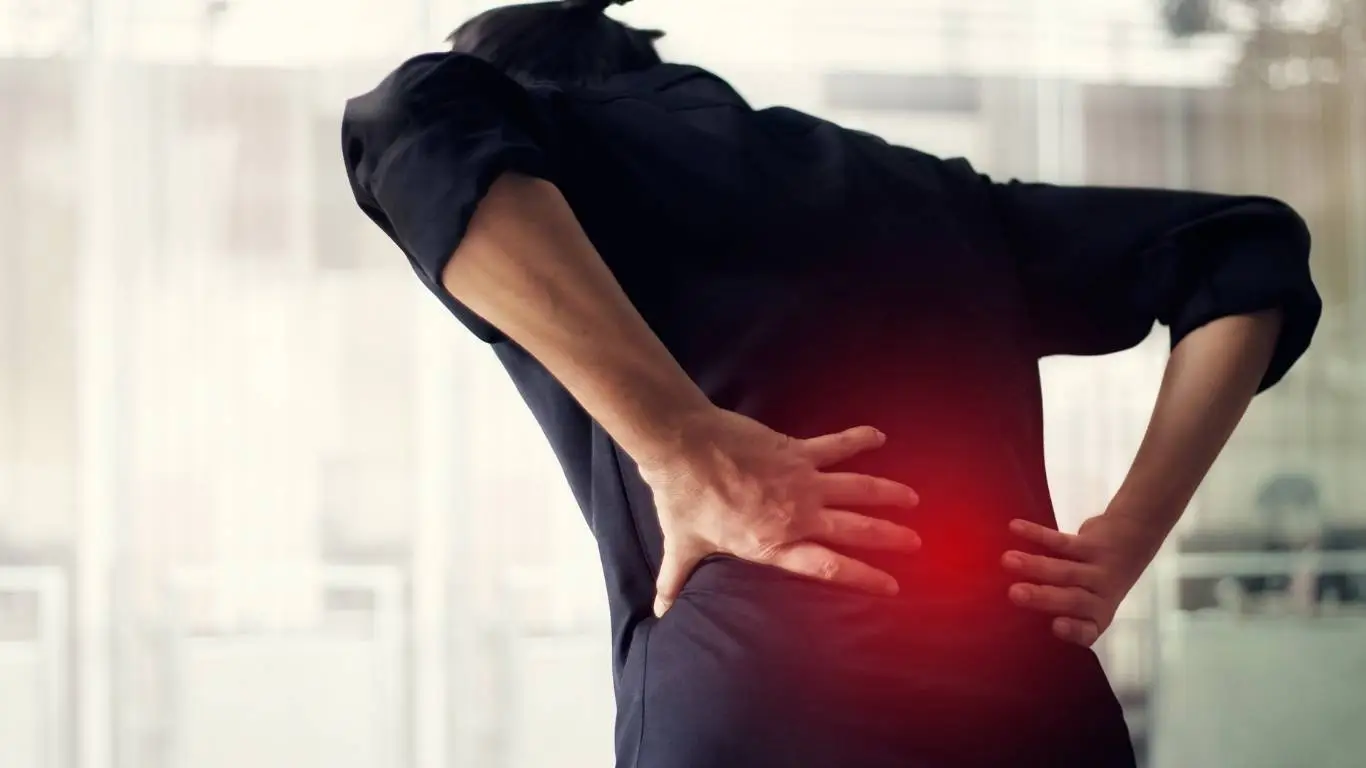
It was during a hectic 12-hour shift when I first realized just how unforgiving back pain can be. As a nurse, I had always known lifting patients could take a toll on the body, but nothing prepares you for the moment your lower back seizes mid-transfer. You’re not just in pain—you’re compromised, unable to fully focus on the job, and risking even more damage with every move. This is a reality many nurses face daily, and it’s time we talk about how to navigate it without sacrificing our bodies or our patients’ care.
The Hidden Toll of Lifting Patients

Why Nurses Are So Vulnerable to Back Pain
Let’s be real—being a nurse often feels like you’re playing the role of a weightlifter, contortionist, and caregiver all at once. Whether it’s repositioning a bed-bound patient or lifting someone post-surgery, the physical demand is relentless. According to the CDC, nurses are among the top professions for work-related musculoskeletal disorders, and the back is ground zero for most of these injuries.
It’s not just about how much you lift—it’s how often. Repeated patient transfers without proper equipment or help can quickly lead to chronic conditions. I’ve had colleagues shrug off the first signs of discomfort, only to end up sidelined with herniated discs a few months later.
Common Back Injuries from Patient Lifting
- Muscle Strains: Overexertion and sudden movements often lead to muscle tears or overuse injuries.
- Herniated Discs: Improper lifting can cause spinal discs to bulge or rupture, pressing on nerves.
- Facet Joint Syndrome: Stress on the joints in the spine can lead to inflammation and persistent pain. Learn more at this guide.
What Really Helps—And What Doesn’t

The Myth of “Just Use Your Legs”
You’ve heard it a thousand times: “Lift with your legs, not your back.” Sounds great in theory, but when you’re trying to move a patient who’s confused, semi-conscious, or fighting you mid-lift, those ergonomics go out the window. We need more than textbook advice—we need real-world strategies that work under pressure.
Movement and Microbreaks
Something that helped me tremendously was taking microbreaks throughout my shift. Just 60 seconds to stretch or reposition can relieve the buildup of spinal tension. According to the National Center for Complementary and Integrative Health, routine movement reduces pain sensitivity and lowers injury risk—especially in high-demand jobs like nursing.
Best Stretches for Relief
Some stretches that I swear by (and often sneak into my breaks):
- Standing hamstring stretch
- Pelvic tilts
- Kneeling hip flexor stretch
Check out more options here: Best Back Pain Stretches
Tools That Actually Make a Difference

Ergonomics Matter—Even in Chaos
I can’t stress enough how helpful an ergonomic workstation can be—even if your “station” is a med cart and a hallway. Use lumbar support in breakroom chairs. Opt for supportive shoes. One change I made was using compression gear on high-strain days, which offered surprising relief. For nurses working long hours, something as small as a footrest or a well-positioned chair during charting can significantly reduce spinal stress.
Read more about office ergonomics that apply to nurses too: Ergonomic Tips
Lifting Aids That Are Worth It
Patient lifts, slide sheets, and gait belts aren’t just “nice to have”—they’re injury prevention tools. Still, I’ve worked in units where these tools are stored three hallways away, or nurses are made to feel weak for using them. Let’s change that narrative.
Is Your Back Pain Becoming Chronic?

Recognizing Red Flags Early
Don’t ignore the signals. If your back pain:
- Persists beyond a week
- Worsens with rest
- Causes tingling or radiating pain down the leg
—you might be dealing with more than a simple strain. It could be a herniated disc or even nerve damage. This herniated disc guide dives into what to watch out for.
Diagnostic Tools That Actually Help
From my experience, insisting on an MRI saved me from months of trial-and-error treatment. Imaging like MRIs or even nerve conduction studies can pinpoint underlying issues fast. I’ve seen too many nurses go untreated because they assumed it was just “normal soreness.” Learn why imaging matters: MRI for Back Pain
Preventative Habits That Stick

Consistency Over Intensity
One thing that changed everything for me was consistency. I’m not talking about training like a bodybuilder—I’m talking about 10 minutes of targeted core work before my shift, and ending the day with a heat pack and some light stretching. That rhythm helps reset my back before the next round of chaos.
Interested in a more structured approach? Explore this practical overview of rehab exercises and ergonomics designed for daily back health.
Why Nurses Must Take This Seriously
It’s easy to dismiss that dull ache when you’re juggling vitals, call bells, and charting. But that pain compounds—day after day—until it becomes your new normal. And trust me, once back pain becomes chronic, it doesn’t just stay in your back. It affects your sleep, your mood, your ability to enjoy a day off.
Start understanding your back now: Full Back Pain Guide
Also explore the main back pain page here: Types and Anatomy
When Back Pain Becomes Career-Altering

“I Might Have to Leave the Floor”
I remember hearing a senior nurse say this and thinking, “That won’t be me.” Fast-forward five years, and there I was, struggling to stand up after helping with a patient lift. Chronic pain doesn’t just show up overnight—it creeps in, makes itself at home, and slowly starts dictating your schedule, your shifts, even your future in nursing.
For some, it means fewer hours. For others, it’s moving to a less physically demanding department. And for too many, it means leaving bedside care altogether. The emotional weight of stepping away from something you love because your body can’t take it anymore is real—and often overlooked. This piece on chronic vs. acute back pain explains why timing matters when it comes to intervention.
Signs It’s Time to Reevaluate Your Role
- Back pain wakes you up more than your alarm
- You dread physical tasks because of pain—not because they’re hard
- Your performance is slipping due to pain distraction
None of these mean you’re weak—they mean it’s time to adapt. Don’t wait until it’s forced on you.
Therapies That Actually Work (and Those That Didn’t For Me)

What Helped Me the Most
After trying everything from ice packs to ibuprofen cocktails, a few options finally made a real difference:
- Physical Therapy: A tailored plan from someone who understands the demands of nursing is gold.
- Trigger Point Massage: Especially helpful when muscle tension compounds after double shifts.
- CBD Oil: I was skeptical at first, but topical use before bed helped with sleep and stiffness. Here’s what this article says about it.
What Didn’t Move the Needle
Not everything worked—and that’s important to admit. For me, foam rolling only worsened nerve pain, and acupuncture felt great during the session but didn’t give lasting relief. Your mileage may vary, but it’s worth being honest about what’s hype versus what’s helpful. If you’re curious, read more about acupuncture for chronic pain.
What Hospitals and Units Should Be Doing Better

Training Isn’t Enough—We Need Culture Change
In my early days, we had one hour of body mechanics training—once—during orientation. After that? It was “figure it out.” The problem isn’t lack of information—it’s lack of support. We need units where nurses aren’t shamed for asking for help with transfers. We need consistent access to mechanical lifts, and we need staffing models that don’t make us feel guilty for protecting our bodies.
This breakdown on how posture leads to chronic pain is just one example of overlooked workplace habits.
Policy Matters, Too
I’ve worked in hospitals where lift teams existed—and others where it was “every nurse for herself.” Unsurprisingly, the injury rates followed the resources. According to the OSHA, workplaces with zero-lift policies reduce back injuries significantly—but only if the policy is enforced consistently. Having the equipment is one thing. Having a culture where it’s used? That’s another battle.
Lifestyle Changes Outside the Hospital

Strengthening Beyond the Shift
My turning point came when I realized nursing wasn’t enough movement to keep me healthy. Sure, we walk a lot—but it’s not the right kind of movement. I started incorporating strength training focused on my posterior chain—glutes, hamstrings, and core. The result? I stopped feeling like I needed a chiropractor after every shift.
Want a structured solution? Yoga for back pain really changed how I manage post-shift recovery.
Sleep, Food, and Recovery
No one talks enough about how inflammation from bad sleep and poor nutrition makes back pain worse. Once I started prioritizing magnesium and Omega-3s in my diet, I noticed a difference. This guide on anti-inflammatory diets goes deeper into the science of it.
Taking Your Body Seriously—Before It Forces You To

Your Body Is Your First Patient
We’re trained to care for others, often at the cost of ignoring our own signals. I’ve learned the hard way that you can’t pour from an empty cup—or a compressed disc. Whether you’re new to nursing or decades in, now’s the time to put your body first, not last. The sooner you build habits that protect your back, the longer you’ll thrive in this career without being sidelined by pain.
Want to understand how to build a sustainable back care routine? Dive into the full resource on lifestyle and back health.
And don’t forget to explore the main back pain resource: Back Pain Main Guide

Camellia Wulansari is a dedicated Medical Assistant at a local clinic and a passionate health writer at Healthusias.com. With years of hands-on experience in patient care and a deep interest in preventive medicine, she bridges the gap between clinical knowledge and accessible health information. Camellia specializes in writing about digestive health, chronic conditions like GERD and hypertension, respiratory issues, and autoimmune diseases, aiming to empower readers with practical, easy-to-understand insights. When she’s not assisting patients or writing, you’ll find her enjoying quiet mornings with coffee and a medical journal in hand—or jamming to her favorite metal band, Lamb of God.