Hidden Causes of Paraspinal Muscle Pain That Can Worsen Fast
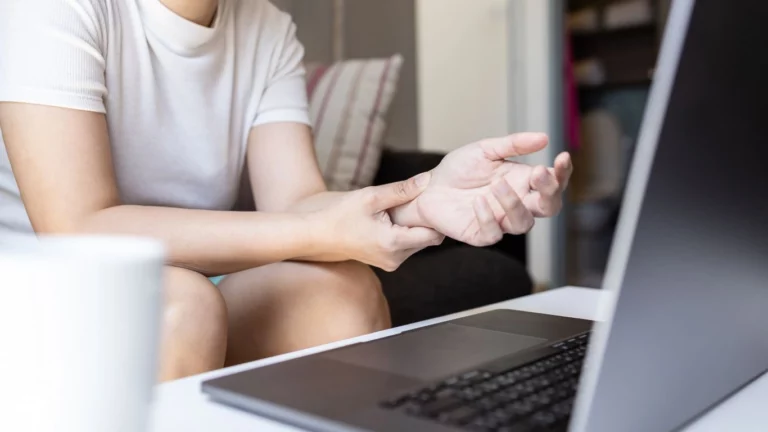
If you’ve ever had that nagging ache running along your spine after a long day at your desk—or worse, a sharp, stubborn pain that lingers after a workout—you might already be familiar with paraspinal muscle pain. It’s one of those things that sneaks up on you, often mistaken for general back tension. I’ve had my fair share of it, especially after traveling with a backpack that weighed like a toddler. Understanding what triggers this pain has been a game-changer for me—and it might just save your back too.
What Are Paraspinal Muscles and Why They Matter

First things first: paraspinal muscles are the supportive muscles that run along the sides of your spine. Think of them as your spine’s personal bodyguards. They help keep your posture in check, stabilize your movements, and play a major role in how your body handles load and pressure.
When these muscles get overworked, strained, or inflamed, they can cause pain that’s anything from mildly annoying to downright debilitating. It’s not just about how you move—it’s also about how you sit, sleep, lift, and even how you feel emotionally.
Common Everyday Causes of Paraspinal Muscle Pain
1. Poor Posture (The Silent Offender)
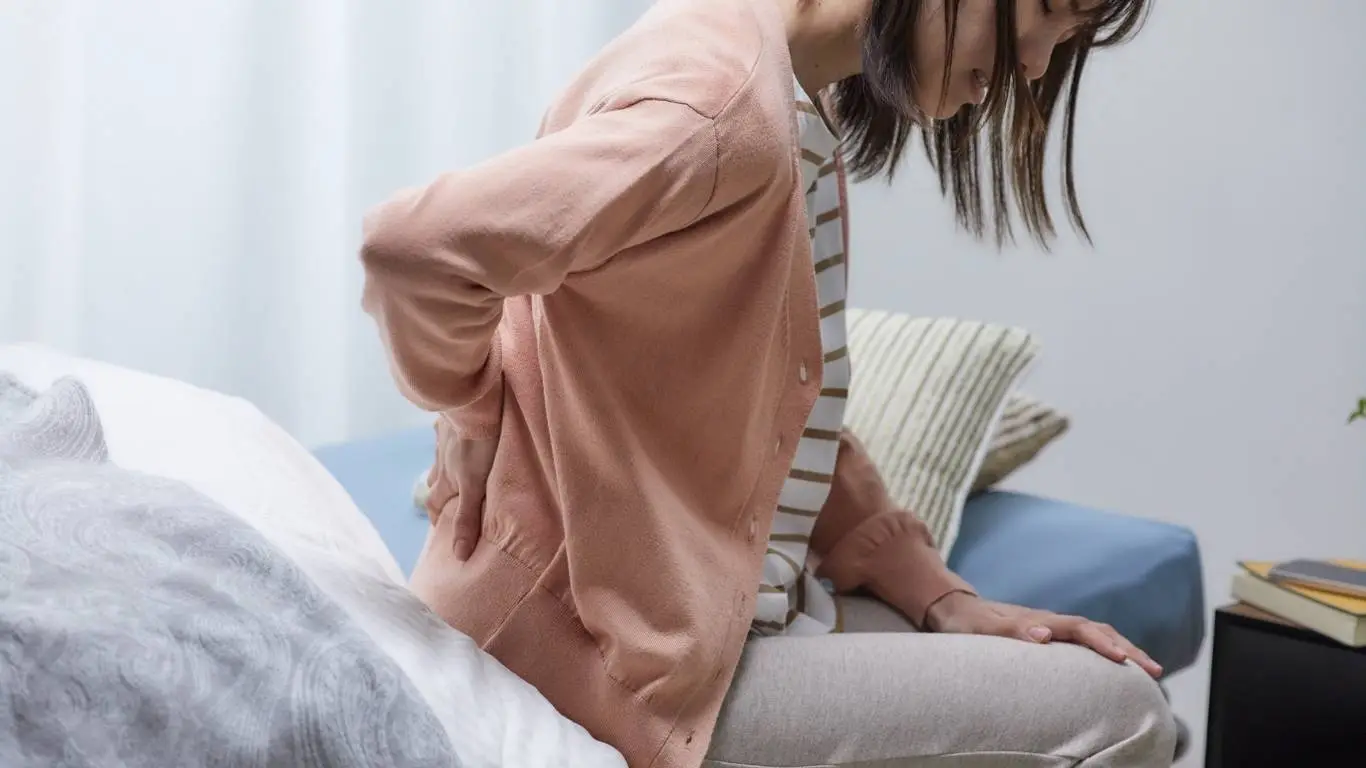
Let’s be real—most of us don’t sit like royalty at our desks. Slumping, leaning forward, or slouching on the couch creates uneven strain on the paraspinal muscles. Over time, this micro-strain builds up and leads to pain. One overlooked culprit? Your office chair.
2. Muscle Imbalances and Weak Core
Ever heard of “sitting disease”? When certain muscles weaken from inactivity—like your glutes or abs—others like your paraspinals overcompensate. This imbalance leads to overuse and pain. Read more about muscle imbalances and how they affect your back.
3. Improper Lifting Techniques
I’ve been guilty of this too. That quick lift of a suitcase or grocery bag using your back instead of your legs? Instant regret. Lifting with a rounded spine strains the paraspinals intensely. It’s a common cause of sudden back spasms.
4. Overtraining or Intense Physical Activity
If you’re like me and tend to “go hard” at the gym after a sedentary week, that intense back day may leave more than soreness. Paraspinal muscles aren’t meant to handle sudden, high-intensity stress without conditioning. Back injuries from gym mistakes are more common than you think.
5. Repetitive Motions or Occupation Strain
Manual labor jobs, especially in construction, healthcare, or teaching, often require repetitive bending, lifting, or standing. This repetition places long-term stress on spinal stabilizers. Even standing for too long can cause pain—just ask any teacher.
Less Obvious Triggers of Paraspinal Pain

1. Emotional Stress and Mental Load
Ever noticed how your back feels tighter when you’re stressed out? It’s not in your head. Emotional tension causes muscular tension, especially in the upper and mid-back. Chronic stress also messes with your breathing patterns, which can cause stiffness around the thoracic paraspinals. Explore how the mental and physical aspects of back pain are connected.
2. Sleep Position and Mattress Quality
If you’re waking up with back pain, your mattress might be part of the problem. A soft, sagging mattress doesn’t provide the support your spine needs. And don’t even get me started on stomach sleeping—instant ticket to paraspinal tension. Check out this guide on optimal sleeping positions.
3. Flat Feet and Footwear
This surprised me too. Turns out, your foot mechanics play a huge role in your spinal alignment. If you’ve got flat feet or wear shoes without proper support, your back pays the price. See how foot structure links to lower back pain.
Medical Conditions That Mimic or Worsen Paraspinal Pain
1. Herniated or Bulging Discs
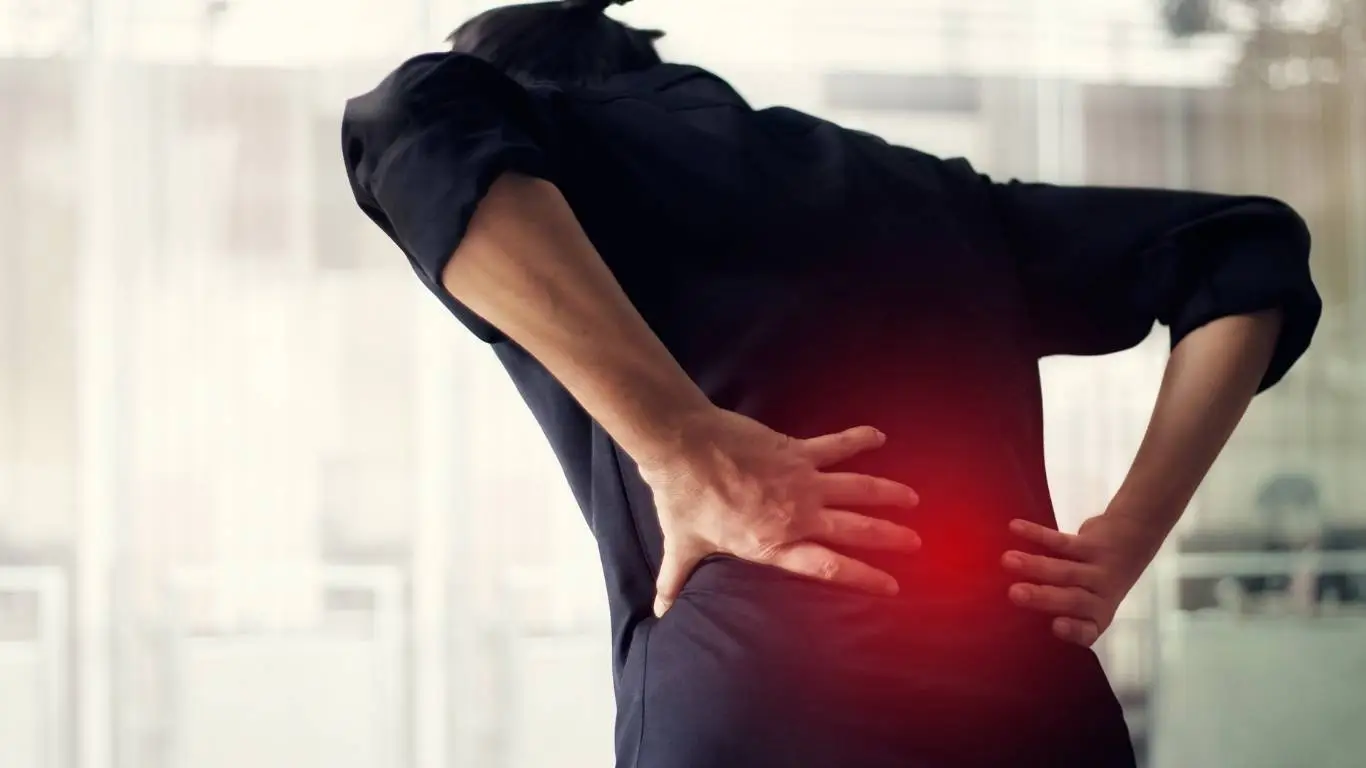
Although not the direct cause, disc problems often create instability or nerve irritation that leads the paraspinal muscles to overcompensate. This defensive tightening eventually leads to chronic pain. Read up on herniated disc complications.
2. Scoliosis and Spinal Deformities
Uneven spinal curvature naturally affects muscle balance. The paraspinals on one side work harder, leading to strain. This is especially true in cases of mild scoliosis that often go undiagnosed. More on that here.
3. Inflammatory or Neurological Conditions
Conditions like ankylosing spondylitis or fibromyalgia can affect spinal muscles too. Inflammation or nerve dysfunction makes the paraspinals extra sensitive. Check out why mornings can be rough for AS patients.
Why Early Action Matters More Than You Think

Here’s the thing: waiting for paraspinal pain to “just go away” can backfire. When the muscles are left tight, inflamed, or overworked for too long, they create a cycle of dysfunction. They pull on joints, compress nerves, and lead to compensation elsewhere—like your hips or neck.
Early treatment, targeted exercises, ergonomic tweaks, and proper recovery habits can reverse this cycle. Prevention and awareness beat rehab every time. The science backs it too—according to PubMed, early intervention in musculoskeletal pain greatly reduces chronicity.
For a more detailed look at exercises, posture adjustments, and recovery techniques, visit our exercise and rehab guide for back pain. And if you’re just getting started on understanding your back pain, the main back pain resource page offers a solid foundation.
Targeted Treatments That Actually Work

Once you’ve nailed down what’s causing your paraspinal pain, the real question is: what actually works? I’ve tried it all—from rolling around on a foam roller like a confused turtle to scheduling pricey massages that felt nice but didn’t last. The truth? It’s about being consistent and targeted, not fancy.
1. Manual Therapies That Loosen You Up
Sometimes, those stubborn knots in your back need more than a stretch. Techniques like deep tissue massage, myofascial release, and even trigger point therapy can provide immediate relief. And yes, trigger points are very real—I didn’t believe it until I felt that weird “hurts-so-good” release after one session.
Other options worth exploring include:
- Chiropractic adjustments to improve spinal alignment
- Osteopathic manipulation for total-body balance
- Therapeutic massage techniques that target muscle tightness
2. Heat, Ice & TENS: Simple Yet Effective
Never underestimate old-school tricks. A heat pack helps increase blood flow, while ice can reduce inflammation during flare-ups. One of my go-to tools these days? A TENS unit. Those little electrical pulses give me legit relief on bad days. See how TENS devices may be more effective than you’d expect.
Rebuilding Strength and Mobility

Here’s the deal—if you don’t strengthen your core and support muscles, your paraspinals will always pick up the slack (and pay the price). I learned this the hard way after recurring flare-ups from simply standing too long. It wasn’t until I built a real back-support team (aka stronger glutes, abs, and hips) that things changed.
1. Core Work That Doesn’t Wreck Your Spine
Not all core exercises are created equal. Skip the crunches. Try:
- Bird-dogs
- Dead bugs
- Pelvic tilts
- Planks (start on knees if needed)
Each one builds endurance and stability without compressing the spine. These moves form the foundation of most sciatic pain protocols too—and yes, there’s a lot of overlap with paraspinal rehab.
2. Stretch What’s Tight, Activate What’s Lazy
Ever notice how tight hamstrings and stiff hips often come with back pain? That’s no coincidence. You want to stretch what’s short and activate what’s weak. It’s all about balance.
Check out:
- How tight hamstrings affect your spine
- Weak glutes = overworked paraspinals
- Best daily stretches for the lower back
Making Lifestyle Changes That Stick

Recovery isn’t just about what you do for 30 minutes a day—it’s about how you live the rest of your life. I started noticing real changes when I paid attention to the “little” things: standing desks, shoes with arch support, even drinking more water. Turns out, everything matters.
1. Fix Your Workspace
If you sit most of the day, an ergonomic setup is a must. Consider a standing desk, lumbar cushion, and chair that keeps your hips slightly higher than your knees. Your back will thank you.
2. Improve Sleep Setup
We already touched on sleeping positions in Part 1, but don’t forget your pillow and mattress. I swapped to a firmer hybrid mattress and added a knee pillow—and I’m not looking back. Here’s a deeper dive into mattress options for back pain.
3. Watch What You Eat
Inflammation plays a big role in muscular pain. I didn’t buy into the anti-inflammatory diet thing until I tried cutting sugar and processed food. Within a few weeks, the stiffness lessened. Coincidence? Maybe. But studies from Mayo Clinic say otherwise.
Some game-changing additions:
When to Seek Help—and What to Ask

If your pain has lasted more than a few weeks, keeps returning, or gets worse with movement, it’s worth getting checked out. But here’s the thing: not all doctors will immediately understand paraspinal issues unless you’re specific. Bring up your history, your triggers, and what you’ve tried. Mention things like repetitive strain, posture habits, or previous injuries.
Also, consider requesting an evaluation for:
- Muscle imbalances or weakness
- Spinal alignment
- Disc-related complications
- Nerve involvement
For deeper diagnostic info, read how MRIs help clarify back pain. And if you’re exploring options beyond conservative care, our page on minimally invasive surgical treatments breaks it all down clearly.
Real Recovery Starts with Consistency
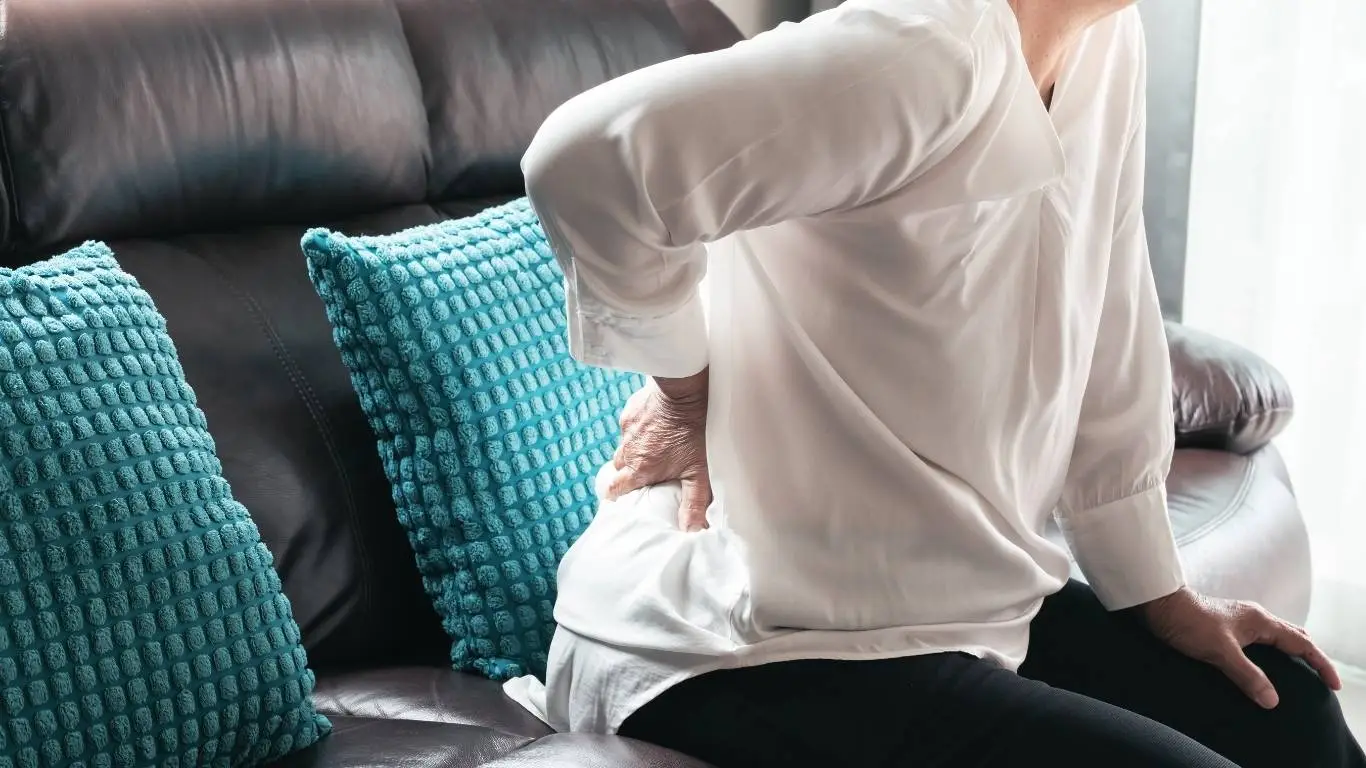
If there’s one thing I’ve learned through years of dealing with back flare-ups—it’s that small, consistent changes matter way more than dramatic short bursts. Whether it’s daily walks, posture checks, or those weird little core exercises while watching Netflix—it adds up.
Don’t forget, your spine doesn’t exist in isolation. Everything from your feet to your head affects how it feels. Address your body as a whole, treat your muscles with respect, and—above all—listen when they start to whisper, not just when they scream.
Want to dig deeper into holistic approaches to treating back pain? Explore the full guide on lifestyle, diet, and natural remedies. For everything else related to causes, types, and solutions, start with the main back pain resource.

Camellia Wulansari is a dedicated Medical Assistant at a local clinic and a passionate health writer at Healthusias.com. With years of hands-on experience in patient care and a deep interest in preventive medicine, she bridges the gap between clinical knowledge and accessible health information. Camellia specializes in writing about digestive health, chronic conditions like GERD and hypertension, respiratory issues, and autoimmune diseases, aiming to empower readers with practical, easy-to-understand insights. When she’s not assisting patients or writing, you’ll find her enjoying quiet mornings with coffee and a medical journal in hand—or jamming to her favorite metal band, Lamb of God.