Relieve Piriformis Pain Fast With This Peanut Ball Technique
After dealing with nagging lower back pain for years, I stumbled on something that surprisingly helped — a peanut ball. Yeah, sounds like a weird fitness gadget, but trust me, it turned out to be a game-changer for my piriformis muscle. If you’ve ever felt that deep ache in your glutes that creeps down into your hamstrings — especially after sitting too long — there’s a good chance your piriformis muscle is the culprit. I’ve tried foam rollers, lacrosse balls, stretching routines… you name it. But nothing quite zeroed in on that stubborn muscle like this funky peanut-shaped therapy tool. Let’s break down how you can use it effectively, safely, and why it’s making waves in the back pain world.
What Is the Piriformis Muscle and Why Does It Hurt So Much?

The piriformis is a small but mighty muscle located deep in your buttock, right behind the gluteus maximus. Its job? To help rotate your hip and stabilize your pelvis. Sounds simple, right? Except when it tightens up or spasms, it can irritate your sciatic nerve, triggering what feels like full-blown sciatica — that sharp, shooting pain down the leg. It’s actually so common, there’s a name for it: piriformis syndrome.
I first noticed it after long hours at my desk and workouts that involved squats or lunges. The discomfort started as a dull ache, but eventually turned into sharp jolts every time I stood up. A massage therapist told me about the peanut ball, and after a few skeptical attempts, I was hooked.
How the Peanut Ball Helps With Piriformis Muscle Release
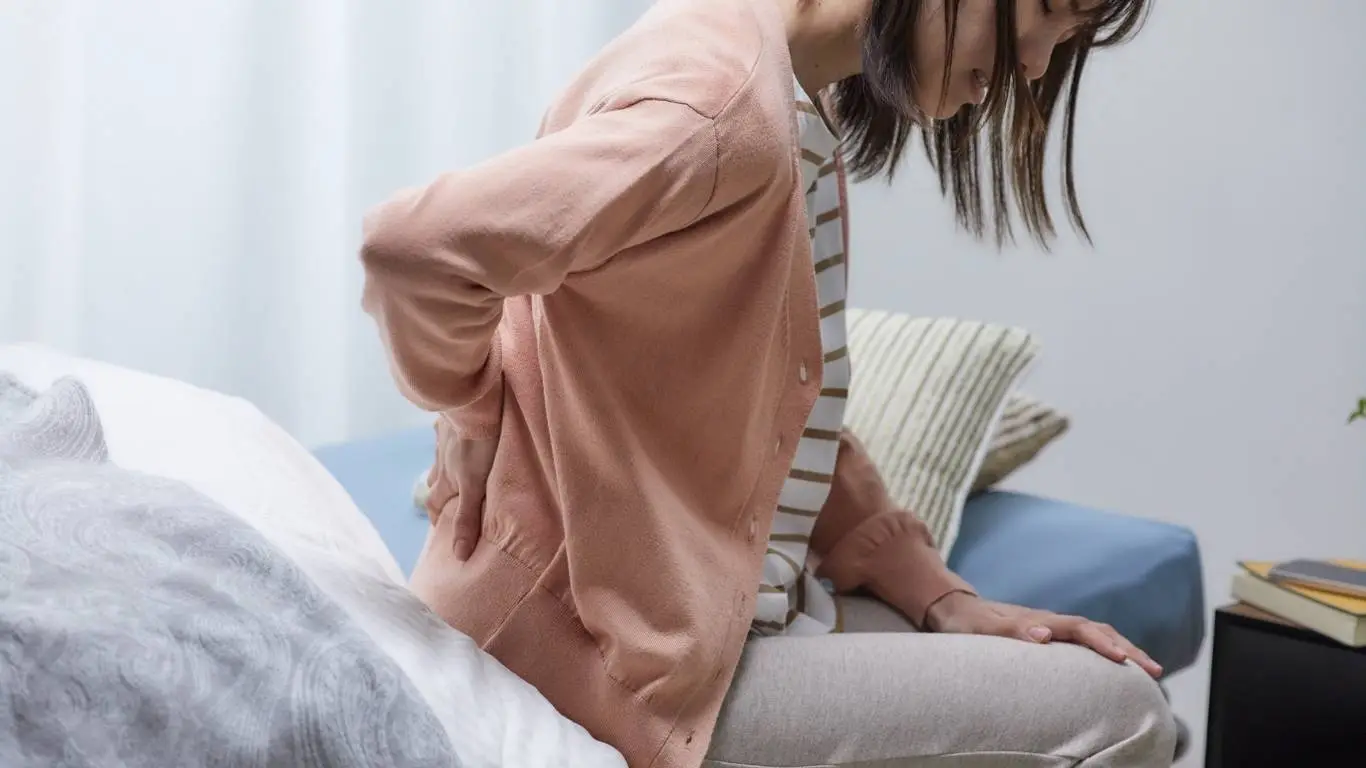
Unlike traditional foam rollers, the peanut ball targets the piriformis more precisely. Its shape — essentially two balls fused together — cradles your spine while pressing deeply into surrounding muscles. That means it can get into those hard-to-reach spots without putting pressure on your spine or tailbone.
Benefits of Using a Peanut Ball for Piriformis Release
- Direct pressure on the piriformis without straining the lower back
- Reduces inflammation by boosting blood flow
- Improves mobility in the hips and pelvis
- Relieves sciatic-like pain caused by nerve compression
- Simple enough to do at home — no expensive tools required
Honestly, I use it for just 5–10 minutes a day — especially after long work sessions or workouts — and it has made a noticeable difference. The tension melts away faster, and I’ve found my range of motion improving over time.
How to Use a Peanut Ball to Target the Piriformis

- Find a flat surface: Lie down on your back, knees bent, feet flat on the floor.
- Place the peanut ball under one glute: Just to the side of your tailbone where the piriformis lives.
- Shift your weight slightly side to side until you feel that tight, tender spot.
- Breathe deeply: Let your body relax and sink into the ball. Stay here for 1–2 minutes.
- Switch sides and repeat. Don’t rush it. The goal isn’t to “crush” the muscle — it’s to let it release gently.
Some people even use a towel or mat under the ball if the pressure feels too intense at first. I had to ease into it, but once my body adjusted, the relief was almost addictive. You can also try this move after applying a warm compress to help loosen things up faster.
Common Mistakes to Avoid
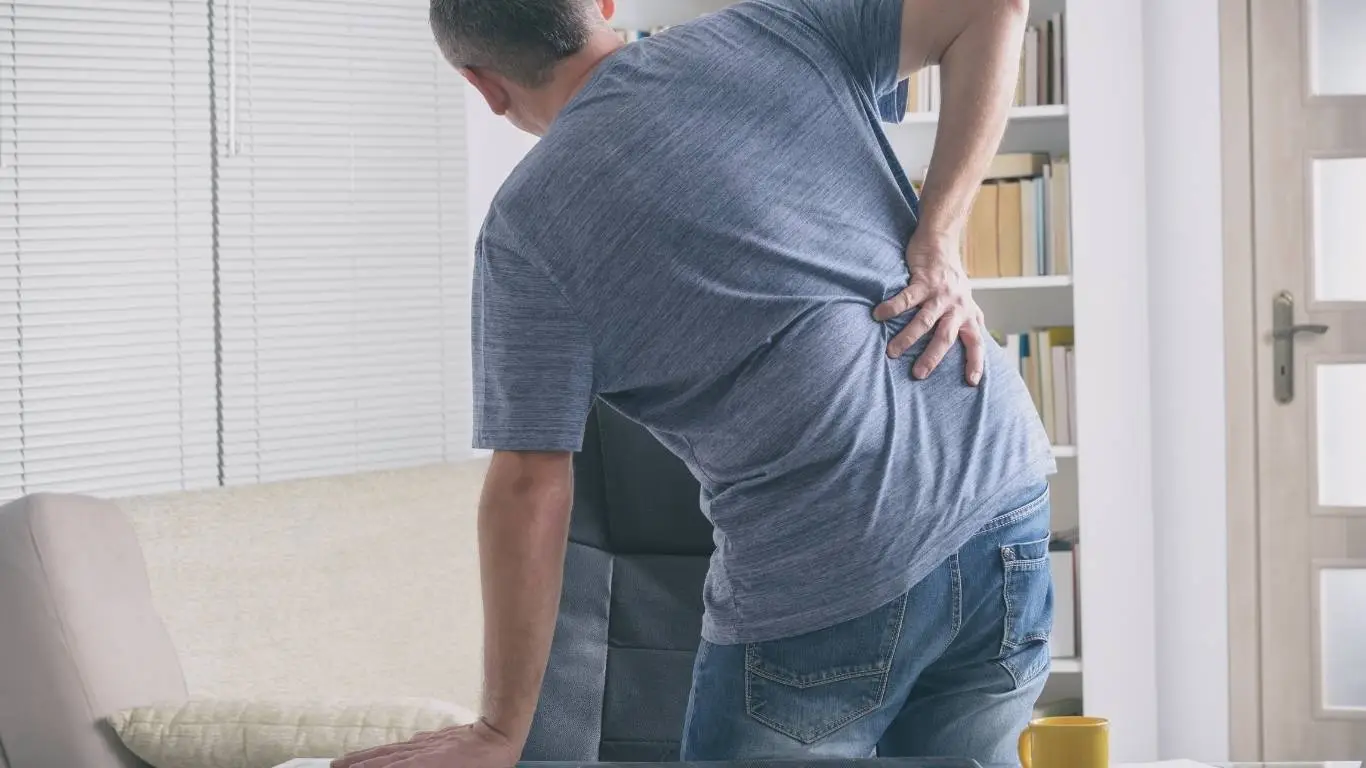
I made some rookie mistakes early on — like placing the ball too close to my spine or going too hard, too fast. Here are a few no-no’s to keep in mind:
- Don’t lie directly on your spine or tailbone: This puts unnecessary pressure and could aggravate the area.
- Don’t bounce or roll aggressively: The piriformis doesn’t respond well to fast, jerky movements. Go slow and steady.
- Avoid holding your breath — it creates tension. Breathe through the discomfort, not against it.
It’s worth checking out more on piriformis syndrome pain relief strategies if you’re not sure what exactly is causing your symptoms.
Is It Really Piriformis Syndrome or Something Else?
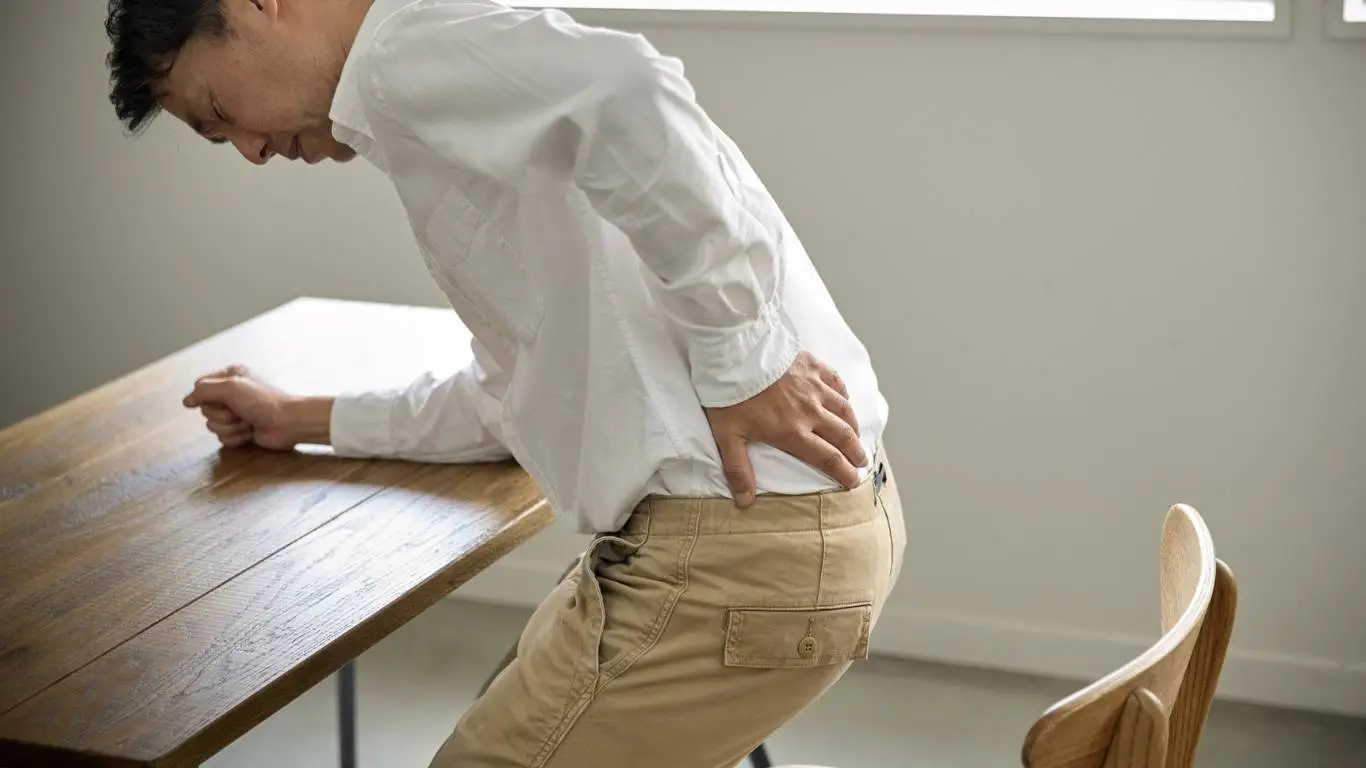
This was my biggest question in the beginning. Sciatica, herniated discs, SI joint dysfunction — they can all feel eerily similar. That’s why I found it helpful to read up on differences between sciatica and piriformis-related pain. The good news? If your pain is worse after sitting and improves with movement, piriformis syndrome is likely the issue. But it never hurts to check in with a physical therapist or pain specialist if you’re not sure.
You can also dive deeper into related causes on our full guide to back pain causes, which breaks down how posture, muscle imbalances, and lifestyle habits play a role. It complements the main back pain article covering everything from diagnosis to treatment options.
When the Peanut Ball Isn’t Enough

Look, I’m not going to pretend the peanut ball is magic. It’s powerful — but it’s not the whole answer. I had days where nothing helped until I paired the release work with targeted stretches, glute activation drills, and sometimes even acupuncture or massage. I’ve also found these resources super helpful:
- Best stretches for deep gluteal pain
- Core techniques to protect your spine during workouts
- Trigger points in glutes and lower back
And hey, don’t be surprised if the first few sessions feel uncomfortable. That’s totally normal. You’re pressing into a tight, often inflamed muscle. Just stay consistent — a little each day can go a long way.
Stretching After Release: The Secret Sauce

Using a peanut ball for release is only half the equation. What you do *after* that release is where the magic happens. I learned this the hard way — early on, I’d do a deep release session and just go about my day. The tightness came back fast. But once I added in a few carefully chosen stretches, the relief started to last much longer.
Top Piriformis-Friendly Stretches
- Seated figure-4 stretch: Cross your ankle over your opposite knee and gently lean forward. It looks simple, but that stretch hits deep.
- Lying glute stretch: While on your back, pull your knee across your body toward the opposite shoulder. Hold 30 seconds, repeat.
- Pigeon pose (modified): This one gets intense — so I use a cushion under my hip for support. Keeps the stretch deep, not painful.
I like to hold each of these for 30–60 seconds and repeat twice. If you’re feeling extra stiff, try doing them after a hot shower or light walk to loosen the area up.
Strengthening to Prevent the Pain From Coming Back

Releasing the piriformis is a great first step. Stretching helps lengthen it. But the real long-term fix comes from *strengthening* the surrounding muscles. Once I started building strength in my glutes, hips, and core, the flare-ups became less frequent — and far less intense when they did hit.
Exercises That Actually Help (No Gym Required)
- Glute bridges with resistance bands
- Clamshells to activate side glutes
- Dead bugs and bird-dogs for core stability
Most of these can be done at home with just a yoga mat and a loop band. I set a goal of doing them 3 times per week and built up from there. No need to go hard — consistency is the key.
Best Times to Use the Peanut Ball

Some folks swear by using it in the morning. Personally, I found evenings better — especially before bed. It helps release tension I’ve built up all day, and I sleep better without that low-key ache in my hip. If you’re super active or sit most of the day, even a 5-minute session can reset your glutes and give your back a break.
That said, mornings are great if your piriformis tends to tighten overnight. I’ve used it while sipping my coffee and scrolling the news — multitasking pain relief, right?
When to See a Pro (Seriously)

If you’ve tried peanut ball release, stretches, and strength work and nothing’s helping — or the pain is shooting down your leg and making it hard to walk — it might be time to get a professional opinion. I had a friend who thought she had piriformis syndrome, but it turned out to be a herniated disc pressing on her sciatic nerve.
You can read more about warning signs that require medical attention here. It’s not to scare you, but it helps to know when your body’s signaling something more serious.
Other Tools That Pair Well With the Peanut Ball

Over time, I started experimenting with other tools to complement my peanut ball routine. Here’s what worked for me:
- Foam rollers for larger muscle groups like hamstrings and quads
- Massage guns for quick, deep work (I use it after workouts)
- Epsom salt baths to relax muscles post-release
If you’re more into natural remedies, combining these sessions with CBD oil or essential oils can take the edge off pain and help your body recover faster.
Daily Habits That Made a Huge Difference

I know it’s not glamorous, but fixing my daily posture and habits made just as much of a difference as the physical therapy tools. If you’re spending hours at a desk, commuting, or binge-watching on the couch — your piriformis is silently screaming.
Quick Changes That Help
- Switching to a standing desk (even part-time)
- Using lumbar cushions in your car or office chair
- Adjusting your sleep posture to relieve glute tension
I also keep a peanut ball in my backpack now. Sounds obsessive, but trust me — you never know when you’ll be stuck in a hotel room with no foam roller and a hip that’s ready to riot.
Internal Support That Really Matters

Since inflammation is a big part of muscle tightness, I started cleaning up my diet and adding a few key supplements. Nothing fancy — just things that support joint and muscle health long term.
What Helped Me
- Anti-inflammatory foods (berries, leafy greens, turmeric)
- Omega-3 supplements for joint lubrication
- Vitamin D to improve bone and muscle strength
I’m not a doctor, but I did run these by my physical therapist and primary care doc. They both agreed — inflammation and nutrition play a bigger role than most of us realize.
The Big Picture: A Multi-Layered Approach

Back pain, especially the kind that stems from deep muscles like the piriformis, is rarely solved by one magic trick. What worked for me was layering habits: release, stretch, strengthen, support, and recover. The peanut ball kicked off that healing, but it’s the other stuff — the daily movement, the posture tweaks, the smarter recovery tools — that’s kept it in check.
If you’re just getting started, check out the exercise and rehabilitation section for more ideas that complement this method. And for a broader understanding of how everything connects, the main back pain pillar is a solid resource hub.

Camellia Wulansari is a dedicated Medical Assistant at a local clinic and a passionate health writer at Healthusias.com. With years of hands-on experience in patient care and a deep interest in preventive medicine, she bridges the gap between clinical knowledge and accessible health information. Camellia specializes in writing about digestive health, chronic conditions like GERD and hypertension, respiratory issues, and autoimmune diseases, aiming to empower readers with practical, easy-to-understand insights. When she’s not assisting patients or writing, you’ll find her enjoying quiet mornings with coffee and a medical journal in hand—or jamming to her favorite metal band, Lamb of God.