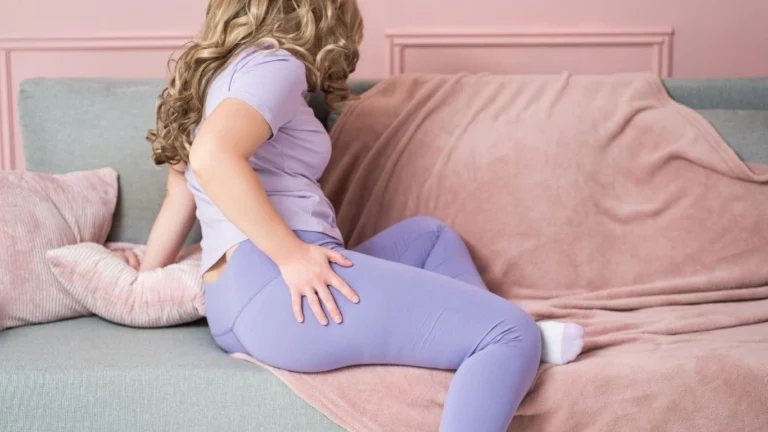
Posture Changes May Worsen Eye Floaters in Daily Life
If you’ve ever stared at a bright sky or a white wall and noticed those drifting little specks or cobweb-like strands in your vision—yep, those are eye floaters. I remember the first time I really paid attention to mine: lying on my yoga mat after a long stretch, I opened my eyes to the ceiling fan and suddenly saw a gray blur float across my right eye. It wasn’t alarming, but it was… weird. And ever since then, I’ve been a bit obsessed with figuring out what makes them move—or worse, what makes them worse. So here’s the thing a lot of us wonder: can posture changes actually affect floater movement? Turns out, the answer is both simple and surprisingly nuanced.
Understanding Eye Floaters and Why They Move
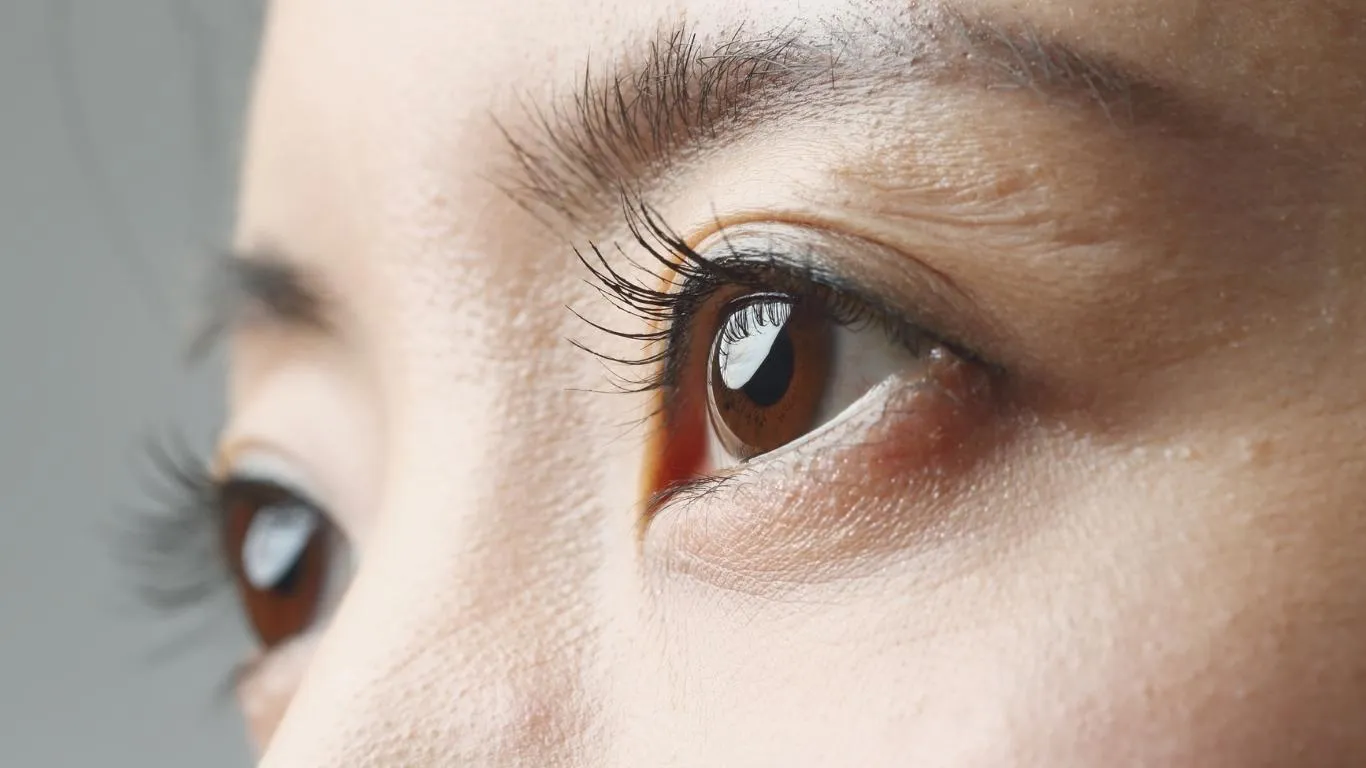
Floaters are tiny clusters of collagen or cellular debris that drift within the vitreous—the gel-like substance inside your eyeball. As your eyes move, the gel shifts, and so do these floaters. But what happens when you move, bend forward, or tilt your head upside down during a stretch or a downward dog?
That’s where posture comes in.
How Posture Shifts Influence the Vitreous Body
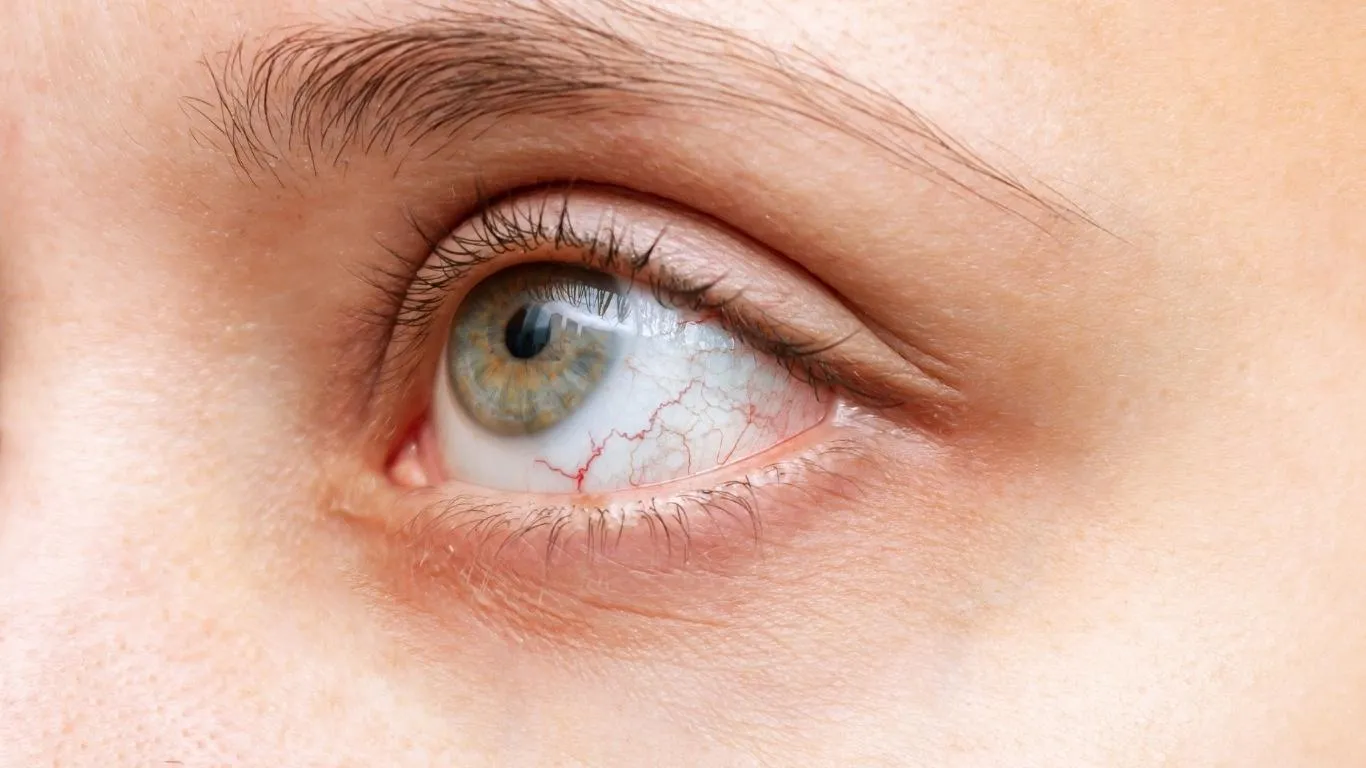
The Role of Gravity
Gravity doesn’t stop working just because we’re standing still. When we lie down, hang upside down, or shift quickly between positions, gravity interacts with the vitreous in new directions. In my case, just bending over to tie my sneakers sometimes sends floaters darting across my vision.
That’s because changes in posture alter the gravitational pull on the semi-fluid vitreous, and this movement makes the floaters shift accordingly. It’s subtle, but once you’re aware of it, you can’t unnotice it.
Fluid Dynamics in the Eye
Think of the vitreous like a snow globe. When you shake or tilt it, the particles inside swirl in different directions. Similarly, when you move your head or lie in certain postures, the inner gel moves—and so do the floaters. It’s not just a simple vertical drop due to gravity, but a swirl, a dance of debris responding to motion and direction.
Is Movement a Bad Sign?
Usually not. In fact, noticing floaters shift when you change position is perfectly normal. It simply means they’re mobile inside the vitreous. However, if posture changes suddenly cause more floaters, flashes of light, or a shadow in your peripheral vision, that could indicate something more serious like a retinal tear or posterior vitreous detachment, and that deserves immediate attention.
When Floaters Become More Noticeable with Body Position
Exercise and Stretching
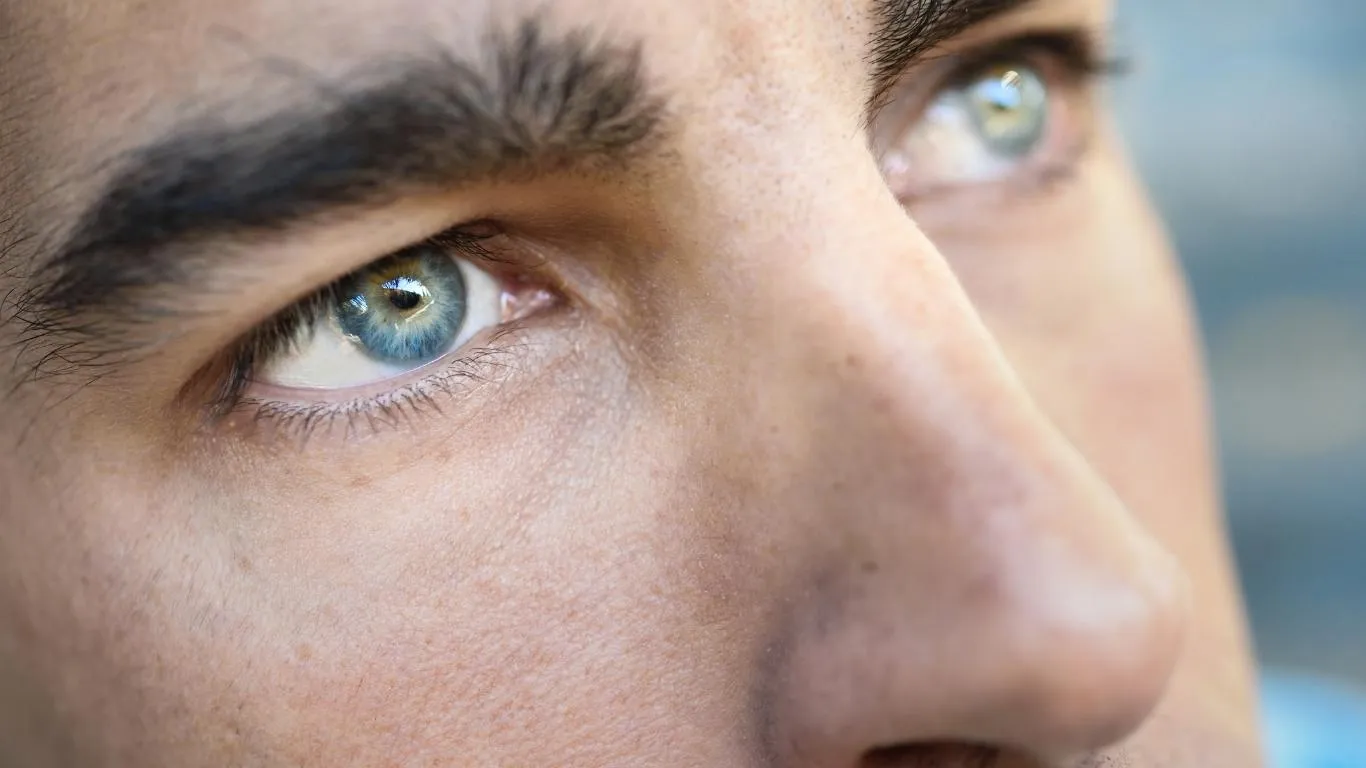
I’ve noticed after yoga or pilates—especially during moves where my head dips below my heart—my floaters seem more active. And I’m not alone. A lot of people report similar sensations post-exercise. There’s even an entire discussion in vision health forums about floaters getting worse after stretching or intense physical activity.
Why? Because exercise increases intraocular pressure temporarily, and that slight internal pressure change can jostle the vitreous just enough to move floaters into your visual field. This aligns with experiences from those recovering from trauma or surgery, who’ve noticed floaters shift with posture as the vitreous resettles.
Head Position While Sleeping or Resting
Ever noticed floaters first thing in the morning, especially when lying on your back or side? You’re not imagining it. Lying in one position for hours allows floaters to settle, so when you first move or sit up, they “wake up” and drift across your field of view like lazy clouds.
In fact, some floaters become more prominent in specific sleeping positions. Back sleepers may see them more centered, while side sleepers may report floaters drifting diagonally upon waking. It’s a good idea to monitor if one posture consistently makes your floaters more obvious.
Should You Adjust Posture to Reduce Floaters?
Unfortunately, posture won’t make floaters disappear (I wish!), but if you’re constantly noticing them during certain activities, modifying how you position your body can help reduce their annoyance. Here are a few practical tips I’ve picked up over the years:
- Keep a consistent head level during extended tasks like reading or working on a computer.
- Minimize sudden posture changes if you’re prone to dizziness or visual disruptions.
- Practice slow head movements to observe how floaters respond—this can help you manage when they show up most.
Also worth noting—those of us with high myopia or aging vitreous changes may be more sensitive to these posture-related floater shifts. If you’re in your 40s or beyond, you might want to check out this guide on floaters in your 40s for a deeper dive.
When Floaters Shift Too Much: A Warning Sign?
There’s a difference between floaters shifting slightly when you lie down—and floaters suddenly multiplying or darting wildly across your vision. If you experience that, especially after an injury or new physical activity, check this article on eye floaters from sports-related injuries.
In rare cases, posture-related floater movement may actually reveal underlying issues like uveitis, inflammation, or even systemic conditions. One relevant read on that is how uveitis causes floaters. While posture alone won’t cause these issues, it might expose symptoms sooner than expected.
Learn More About Managing and Understanding Eye Floaters
If you’re as obsessed with understanding these floaters as I’ve become, you might want to explore more on causes, treatments, and when they could mean something serious. This comprehensive pillar on common causes breaks down everything from aging and trauma to stress and medication side effects.
And for the full breakdown on floaters—symptoms, treatments, when to worry, and everything in between—check out the main eye floater guide.
Why Some Postures Intensify Floater Visibility
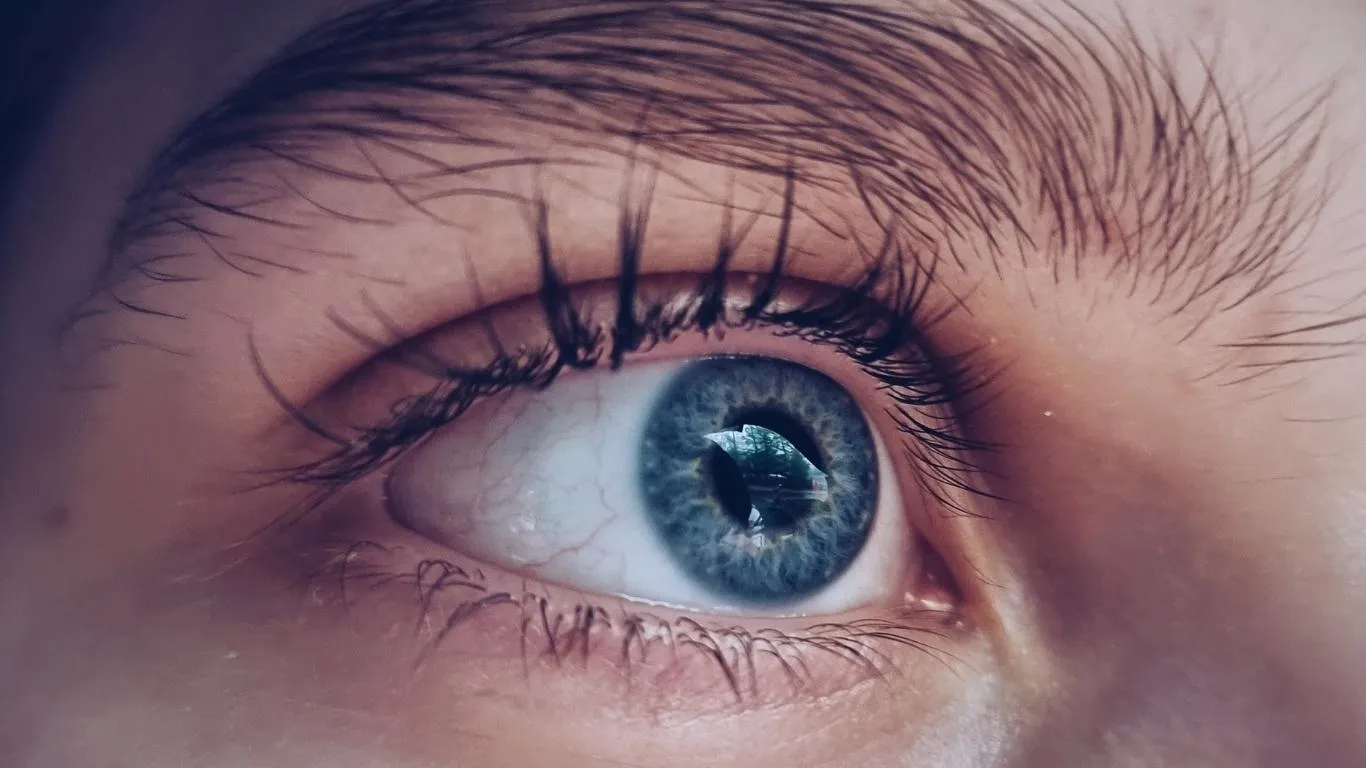
One thing I’ve noticed over the years is that some postures make my floaters practically invisible—while others make them the star of the show. Ever try looking up at the ceiling with your head tilted back, like during a dental appointment or overhead gym press? That’s when mine float around like jellyfish on parade.
This comes down to light angle, eye position, and the direction your vitreous shifts. When your posture moves your eyes toward brighter light sources (or increases contrast in your field of vision), floaters become more noticeable. That’s why those tiny specks love to show up during sun salutations or ceiling gazing.
The Impact of Forward Head Posture
Let’s talk tech neck. If you’re like me—someone who spends way too much time hunched over screens—you’ve probably adopted some version of the classic forward head posture. Aside from killing your neck alignment, this position also changes eye movement patterns and head tilt, both of which can make floaters shift into your central vision more often.
Worse, poor posture can lead to increased eye strain, which doesn’t cause floaters directly but makes them way more noticeable. When your eye muscles are tired, your focus shifts, and floaters become more distracting.
Yoga, Inversions, and Floaters
Let’s not ignore the obvious: if you do yoga, especially inversions like headstands, downward dog, or shoulder stands, you may have noticed floaters appear more vividly. It’s not dangerous in most cases—it’s just gravity + angle + light = high floater visibility.
However, some people experience temporary vision disturbances post-inversion. If that’s you, try modifying poses. I now use a block under my hands during downward dog to reduce the head-drop angle. Works like a charm.
Curious whether floaters post-injury or eye pressure fluctuations are something to worry about? Definitely read this deep-dive on floaters after conjunctivitis—one of the lesser-known triggers of sudden floater flare-ups.
Could Blood Pressure Be Involved?
Here’s something many overlook: posture changes can influence blood pressure, which, in rare cases, may impact eye circulation and vitreous pressure. For instance, going from sitting to standing too quickly might briefly cause blurry vision or sudden floater movement—especially if you’re dehydrated or low on electrolytes. If this sounds familiar, this article on floaters and blood pressure might help clarify things.
Strategies That Help Manage Floater Discomfort During Movement
Floaters may not disappear, but you don’t have to let them mess with your day. Here are a few body-position hacks I’ve found that really help:
- Use overhead diffused lighting instead of harsh spotlights when doing yoga or stretching.
- Keep your chin level during seated work or walking to reduce light angle disruptions.
- Take visual breaks and shift your gaze frequently if you’re working at a desk for hours.
- Elevate your screen so your neck remains upright and your eyes remain centered—not constantly tilted down.
Some people also report floaters worsening with lack of sleep. I know when I’ve pulled an all-nighter or gotten terrible rest, my floaters the next day are relentless. That lines up with research shared in this piece on floaters and sleep deprivation.
Posture and Floaters in Specific Conditions
High Myopia and Vitreous Sensitivity
If you have high myopia like I do, you probably already know our eyes are more prone to early vitreous degeneration. This means floaters start younger, move more, and are more visible. And guess what? Postural shifts might trigger floaters that wouldn’t otherwise show up in someone with average vision. There’s a good breakdown on that right here.
Post-Surgery Considerations
If you’ve had cataract surgery or LASIK, posture might have a slightly different effect. Some patients report increased floater sensitivity after bending or lying down post-op. Why? Because the vitreous may have shifted slightly during recovery. For more, see post-cataract surgery floaters or LASIK-induced floaters.
Age-Related Vitreous Changes
With age, the vitreous becomes more liquid, making floaters more mobile. When this happens, posture changes—especially sudden ones—can lead to an increased awareness of them. This ties directly to age-related vitreous changes and why posture becomes more of a factor post-40.
Continue Exploring the Connection
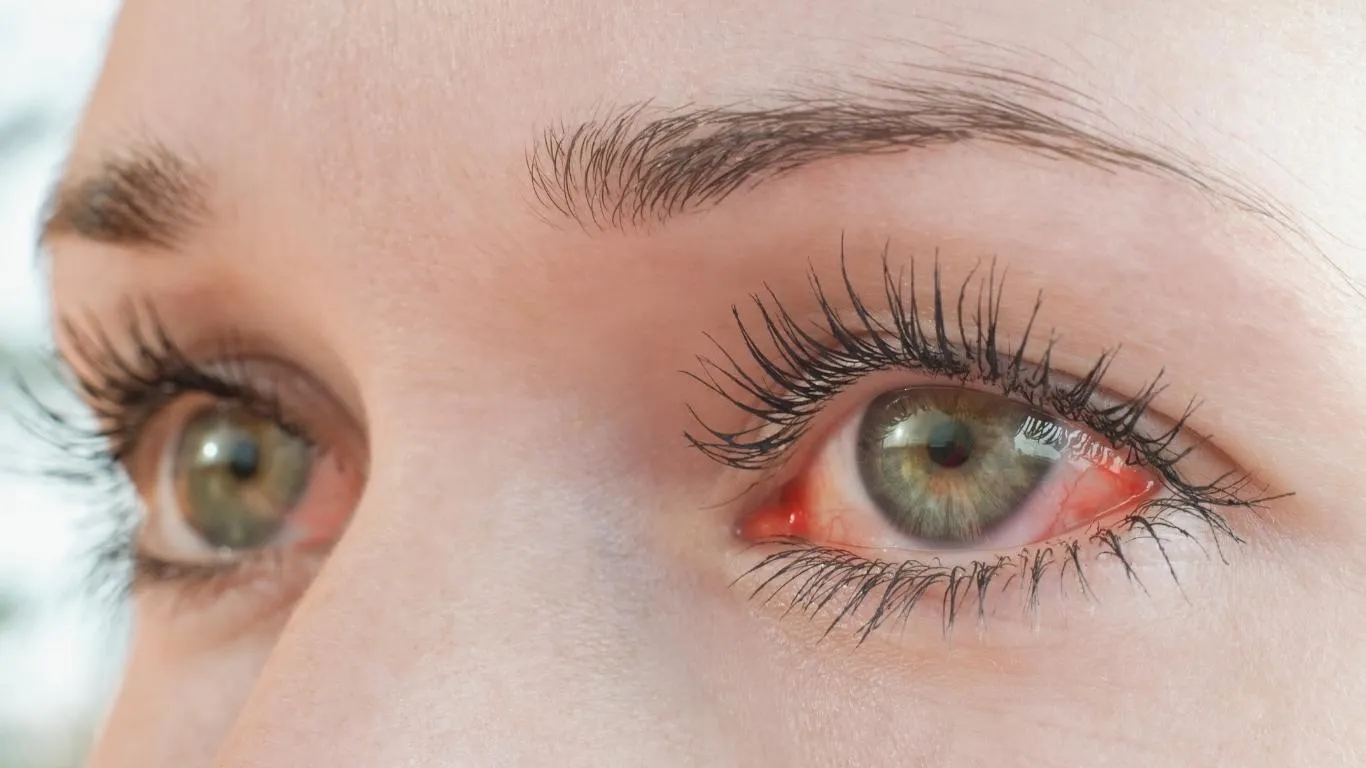
There’s still a lot we don’t fully understand about floaters and body movement. But what we do know—through both science and personal experience—is that posture matters more than most people think. It’s not a cause of floaters, but it’s definitely a trigger for when they appear, how often they show up, and how annoying they can be day-to-day.
If you’re navigating frequent floater movement after posture changes and wondering whether it’s benign or something more, check out this deeper resource on when floaters signal something serious.
And for a full breakdown of symptoms, treatments, natural management, and expert insights, visit the complete guide on eye floaters.

Camellia Wulansari is a dedicated Medical Assistant at a local clinic and a passionate health writer at Healthusias.com. With years of hands-on experience in patient care and a deep interest in preventive medicine, she bridges the gap between clinical knowledge and accessible health information. Camellia specializes in writing about digestive health, chronic conditions like GERD and hypertension, respiratory issues, and autoimmune diseases, aiming to empower readers with practical, easy-to-understand insights. When she’s not assisting patients or writing, you’ll find her enjoying quiet mornings with coffee and a medical journal in hand—or jamming to her favorite metal band, Lamb of God.