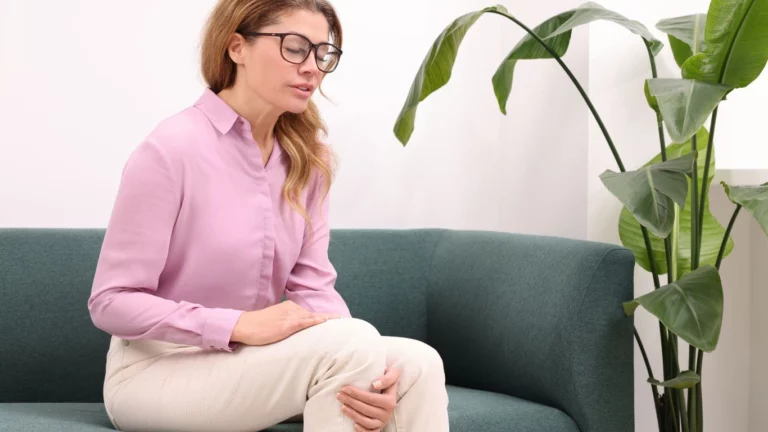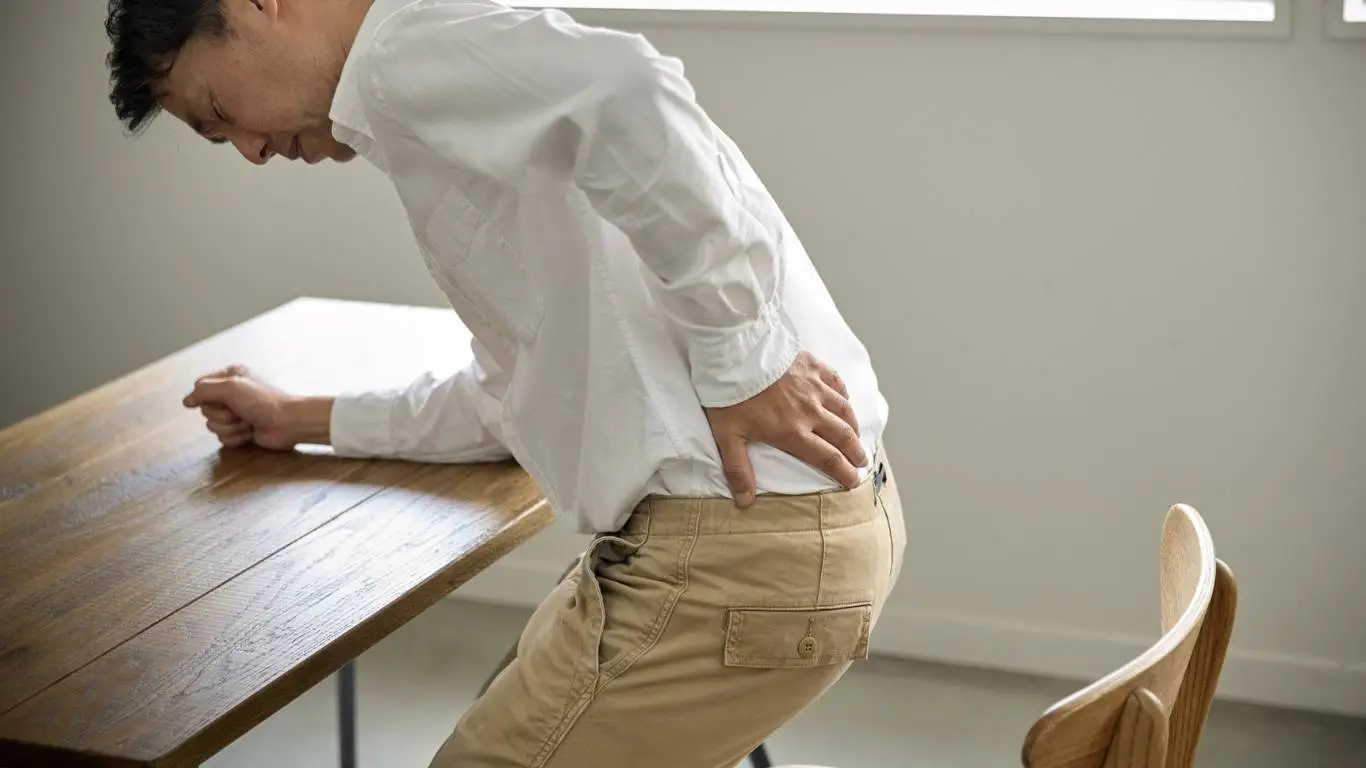
Posture Corrector Devices That Help or Hurt Your Back Health
Let’s be real for a second—slouching just kind of… happens. Whether you’re working at a desk, scrolling on your phone for hours, or even binge-watching your favorite show on the couch (guilty!), poor posture can creep in without warning. I’ve personally tried everything from lumbar pillows to nagging myself with reminders, but nothing quite made me as curious—and honestly skeptical—as posture corrector devices. So, are they the real deal, or just another gimmick? Let’s break down the pros and cons of posture correctors in a way that makes sense and helps you decide if one belongs in your daily routine.
What Exactly Is a Posture Corrector, and How Does It Work?

A posture corrector is a wearable device designed to support your spine and shoulders, gently pulling them into a more upright position. Think of it as a reminder tool—like a gentle nudge saying, “Hey, straighten up!” It usually wraps around your shoulders and sometimes extends down to your lower back, depending on the model. Some are soft and flexible, while others are more structured and brace-like.
Many people (me included) get one after noticing that sitting all day leaves their upper back aching and shoulders feeling like boulders. But not all posture correctors are created equal, and their effectiveness really depends on how and when you use them.
Pros of Using Posture Correctors

1. Immediate Feedback & Awareness
The first time I wore one, I was shocked at how often I slouched. That constant gentle pull reminded me to stay upright, which helped retrain my body and brain. If you’re just starting out on your posture journey, this kind of feedback can be a game-changer.
2. Reduced Strain on Upper Back and Shoulders
Several posture-related issues—like rounded shoulders or forward head posture—can place stress on muscles not designed for long-term load-bearing. Correctors help shift that burden by encouraging proper alignment. This can be particularly helpful if you experience neck strain turning into mid-back pain or shoulder discomfort from long hours at a desk.
3. Convenient and Portable
Unlike ergonomic chairs or standing desks, these devices are easy to toss in a gym bag or drawer. You can wear them during work, errands, or even while walking your dog. Just don’t wear them all day—more on that in a minute.
4. Complement to Exercise and Therapy
For anyone doing posture-correcting exercises, like wall angels or resistance band rows, using a corrector can act as reinforcement outside of workout time. In fact, many physiotherapists recommend pairing them with a core strengthening routine for best results.
5. Easy Introduction to Better Posture Habits
Honestly, I wouldn’t have known how bad my posture was if it weren’t for that first wearable. It’s a useful wake-up call, especially if you’re prone to poor posture-induced back pain and are unsure where to begin making changes.
Cons and Limitations of Posture Correctors

1. Temporary Fix, Not a Long-Term Solution
Let’s clear this up: posture correctors aren’t magical tools. They don’t fix your posture permanently. In fact, overreliance can actually cause your muscles to weaken because the device is doing the work your core and back muscles should be handling. That’s why many experts suggest combining it with rehab or ergonomic-focused strengthening routines.
2. Can Feel Uncomfortable or Restrictive
Not going to lie—some of them feel like you’re being hugged by a medieval torture device. If you’ve got sensitive skin, certain fabrics can irritate, especially if you sweat under the straps. Try on a few types (if possible) or read user reviews to see what suits your body type and lifestyle.
3. May Lead to Muscle Imbalance
By supporting your upper back externally, your deeper postural muscles may become dependent and lazy over time. This is particularly true if you’re already dealing with issues like muscle imbalances in your back or weak glutes contributing to lumbar strain. I actually started noticing tightness in my mid-back after daily use without exercise, so be mindful of how often you wear it.
4. Can Be Visibly Bulky Under Clothing
Let’s face it: some posture correctors are not the most fashion-forward devices. If you’re trying to wear one under a fitted shirt at work or during a night out (been there, tried that), it can show and feel awkward. Luckily, newer designs are slimmer and made with breathable fabric that blend better under clothes.
5. Risk of Improper Fit or Usage
Getting the right fit is crucial. Too loose and it does nothing, too tight and it restricts movement or causes pain. Sadly, a lot of people (again, guilty) don’t read the instructions or wear it incorrectly. And if you’re already suffering from structural issues like scoliosis, hyperkyphosis, or spinal stenosis, a one-size-fits-all device may not only be ineffective—it could worsen symptoms. In those cases, a visit to a spine specialist is worth it. You can learn more about the risks of ignoring misalignment pain.
When Should You Actually Consider One?

From my experience—and what most physical therapists agree on—a posture corrector is most effective when used as a **transitional aid**. Think of it like training wheels for your spine. You don’t wear it 24/7. Instead, wear it for 15-30 minutes a day to become more aware of your posture, especially during tasks that trigger slouching.
- Working long hours at a desk? Use it to reset posture every few hours.
- Watching TV or gaming? Slip it on during the first 30 minutes.
- Recovering from injury? Combine it with a tailored back recovery plan.
Ultimately, posture correctors are not a one-size-fits-all solution. They’re a tool, not a cure. What made a real difference for me? Pairing short daily use with a deeper understanding of spinal health and routines that actually strengthen the muscles responsible for holding me upright.
What Actually Works Better Than a Posture Corrector?

After a couple of weeks using my posture corrector inconsistently (let’s be honest, I forgot to wear it half the time), I realized something important—fixing my posture wasn’t just about wearing a device. It was about building strength and awareness. And I’ll tell you right now, nothing has worked better for me than combining movement, habit change, and a bit of discipline. Posture correctors can help, but they’ll never do the work for you.
1. Strengthening Key Muscle Groups
If your back, shoulders, and core aren’t pulling their weight (literally), you’ll end up slouching no matter how fancy your device is. That’s why focusing on core engagement techniques and exercises for the posterior chain (glutes, hamstrings, back extensors) is essential. For me, adding just 15 minutes of targeted exercises each day worked wonders.
- Wall Angels – great for improving shoulder mobility and awareness
- Plank Variations – strengthens core without straining your back
- Resistance Band Rows – activates upper back and posture muscles
2. Mobility and Stretching for Imbalances
It’s not just about strength. If your pecs, hip flexors, or hamstrings are too tight, you’ll struggle to stand tall no matter how much muscle you build. Incorporating dynamic and static stretching into my routine not only improved posture but reduced my tension headaches (which I had no idea were posture-related).
3. Ergonomic Tweaks That Made a Big Difference
Posture corrector or not, if your desk setup is wrecking your alignment, it’s an uphill battle. I didn’t buy a fancy chair right away, but I did make small changes that helped big time:
- Switched to a standing desk for 1–2 hours daily
- Adjusted my chair for lumbar support
- Added a lumbar pillow to my car seat
Little fixes, huge gains.
Posture and Pain: Is a Corrector Ever Necessary?

This is where it gets a bit nuanced. If you’re recovering from a spinal injury or dealing with conditions like scoliosis, thoracic kyphosis, or chronic instability, a posture corrector may be part of your recovery plan. But that decision should come from a professional—someone who understands your spine’s biomechanics. I’ve talked to enough physical therapists to know that blind self-prescribing can cause more harm than good.
If you’re dealing with chronic postural discomfort, stiffness, or pain that worsens at certain times (like evenings), a structured guide like this back pain diagnostic breakdown can help you explore underlying causes before grabbing a brace off Amazon.
Red Flags That Signal You Might Need More Than Just a Device:
- Persistent stiffness that worsens with rest (inflammatory vs mechanical pain matters)
- Numbness or tingling in arms or legs
- Back pain after trauma or accident
- Visible spinal curvature or uneven shoulders
- Loss of control in movement or bladder/bowel dysfunction
If you’re experiencing anything above, stop Googling and go see a professional. Seriously.
Building Better Posture Habits for Life

What finally worked for me wasn’t relying on a tool—it was practicing small posture resets throughout the day. I now set random alarms on my phone to check in with how I’m sitting or standing. I also started using a mobile app with daily spinal stretches and gentle reminders. It sounds a bit obsessive, but the freedom that comes from not dealing with constant upper back tension is totally worth it.
And hey, posture isn’t just about appearance—it’s directly tied to breathing, digestion, and confidence. Once I improved mine, I even noticed I spoke more clearly and had better energy throughout the day.
Quick Habit-Building Tips:
- Leave sticky notes that say “sit tall” near your workspace
- Try diaphragmatic breathing to engage your core naturally
- Practice a morning 5-minute posture wake-up stretch
- Film yourself walking—check for slouching or head-forward posture
So, Should You Buy a Posture Corrector?

If you’re expecting it to fix everything—probably not. But if you’re looking for a gentle reminder to sit straighter, get started on awareness, or support yourself while making bigger changes—then yes, it can absolutely be part of your toolkit.
From my experience, the most effective plan includes:
- Wearing a posture corrector for short, intentional periods
- Combining it with therapeutic strengthening and mobility work
- Being consistent—not perfect
If you’re ready to dive deeper into building a strong back and better habits, start with the core principles in exercise, ergonomics, and rehab for posture. For a full overview of how posture fits into the bigger back pain picture, this guide pulls it all together in one place.

Camellia Wulansari is a dedicated Medical Assistant at a local clinic and a passionate health writer at Healthusias.com. With years of hands-on experience in patient care and a deep interest in preventive medicine, she bridges the gap between clinical knowledge and accessible health information. Camellia specializes in writing about digestive health, chronic conditions like GERD and hypertension, respiratory issues, and autoimmune diseases, aiming to empower readers with practical, easy-to-understand insights. When she’s not assisting patients or writing, you’ll find her enjoying quiet mornings with coffee and a medical journal in hand—or jamming to her favorite metal band, Lamb of God.