Safe Pull-up Regressions That Protect Your Back While Rebuilding Strength
Let me tell you, when my lower back started giving me trouble, I thought my pull-up days were over. Hanging from a bar felt like a distant memory. But here’s the thing: you don’t need to quit pull-ups if your back is acting up. You just need to dial them back with smart regressions that actually respect your spine while rebuilding strength. Pull-ups are an incredible tool for back rehab if done right, and I’ll walk you through exactly how I got back on the bar without wrecking my recovery.
Why Pull-up Regressions Matter for Back Rehabilitation

Pull-ups engage your lats, core, and shoulder stabilizers — muscles that are crucial for supporting a healthy spine. But let’s face it, traditional pull-ups put significant demand on your lumbar region if your form’s off or your core can’t brace effectively. That’s where regressions come in. They allow you to build pulling strength without forcing your back to overcompensate. Trust me, it’s not about ego — it’s about getting stronger, safer.
- Protecting spinal alignment during movement
- Building core control before loading the spine
- Progressing gradually without pain triggers
Top Pull-up Regressions That Are Back-Friendly

1. Dead Hangs with Active Scapular Engagement
Before you even attempt a pull-up, hanging passively is a recipe for aggravating back issues. Start with active hangs — engage your shoulders, brace your core, and lightly tuck your pelvis to avoid lumbar arching. Just 10-20 seconds at a time, focusing on form, can lay a solid foundation. Here’s an in-depth guide on why poor posture directly affects back pain.
2. Resistance Band Assisted Pull-ups
Bands are your best friend. They reduce the load but still mimic the full range of motion. Wrap a band around the bar, step into it, and control the movement up and down. Focus on slow, deliberate reps. I always remind people — it’s not a race; it’s rehab.
3. Negative (Eccentric) Pull-ups
If pulling up is too aggressive, try jumping or stepping up to the top position and lowering yourself slowly. Eccentric phases build strength and stability where it matters most. It’s a killer move for rebuilding back resilience without sudden jerks that might flare up existing issues.
Core Engagement is Non-Negotiable

I learned this the hard way — you can’t skip core activation. Pull-up regressions are only safe if you brace your core effectively to protect the lumbar spine. I often refer to these core bracing techniques to ensure every rep is rock solid.
- Practice hollow body holds on the floor before moving to the bar
- Always exhale slightly as you pull to maintain intra-abdominal pressure
- Avoid overextending your back during the ascent
Common Mistakes That Sabotage Pull-up Rehab Progress

- Rushing the progression: I see it all the time — trying full pull-ups too soon sets you back weeks.
- Neglecting scapular control: Your shoulders need to move first, not your elbows or traps.
- Ignoring pain signals: Discomfort is normal, sharp pain isn’t. Big difference.
One of the most eye-opening resources I found was about why back pain persists in people who push through without adapting. That hit home for me.
Linking Back to the Bigger Picture
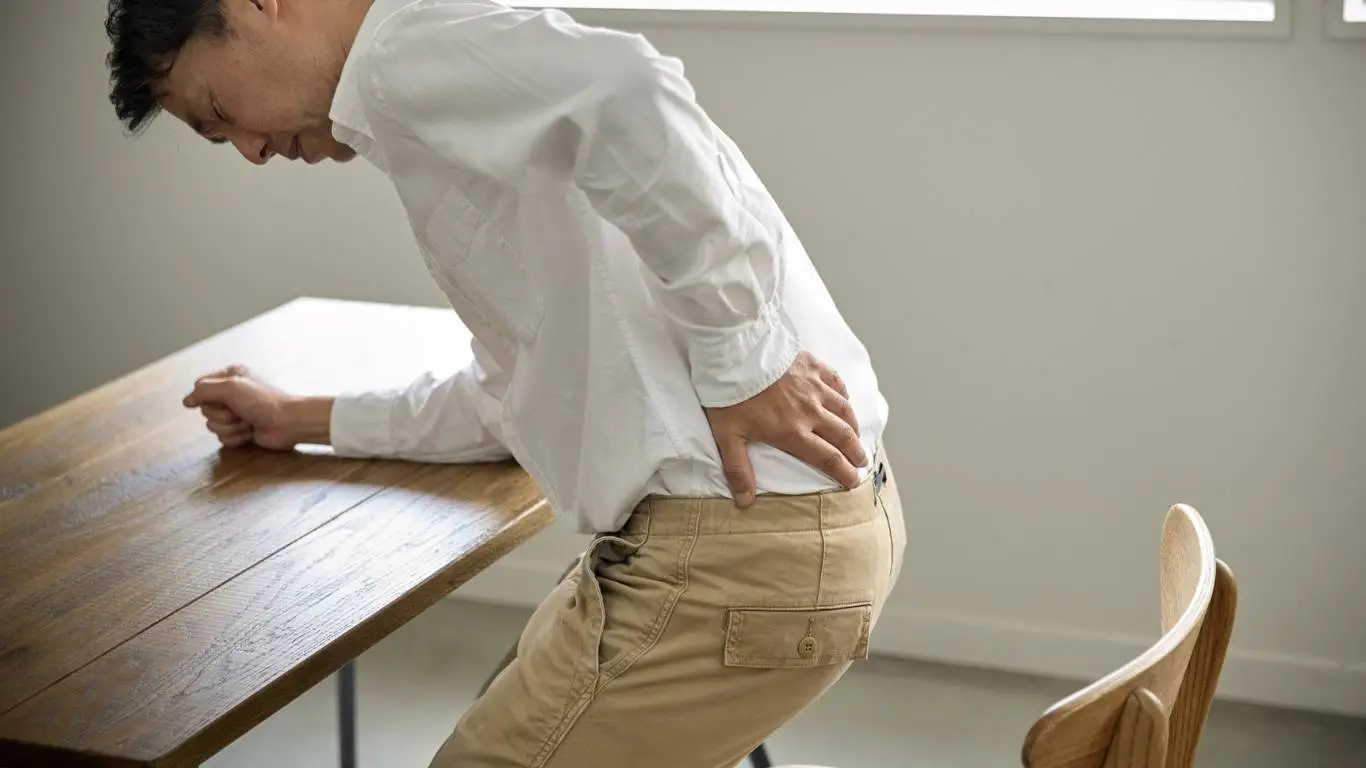
Pull-up regressions are not isolated fixes. They fit into a broader strategy of understanding how your back’s anatomy reacts to movement patterns. I can’t stress enough how essential it is to approach rehab holistically.
Of course, there’s no one-size-fits-all. What worked for me may need adjusting for you. That’s why reading comprehensive resources like this Back Pain main guide is a game-changer. It’s about understanding the “why” behind every movement you perform during recovery.
Integrating Pull-up Regressions Into Your Back-Friendly Training Routine

Here’s how I personally built pull-up regressions into my weekly rehab:
- Start every session with core activation and mobility drills
- Incorporate dead hangs and scapular pulls for 3 sets of 10-20 seconds
- Move to band-assisted pull-ups for 3 sets of controlled 5-8 reps
- Finish with eccentric pull-ups (negatives) — 3 sets of 3-5 reps, super slow
Consistency and patience are key. Progress may feel slow, but trust me, every small gain is rebuilding your back’s capacity. For deeper guidance, check out this in-depth pillar on back-safe exercise and ergonomics.
Advanced Pull-up Regressions for Building Back Resilience

Once the basic regressions felt solid, I realized it was time to step up without risking my back. The key was to introduce new layers of control. One mistake I used to make was thinking adding weight was progress. In back rehab, progress is defined by how well you can maintain perfect form under control, not how much you can lift. Here’s what worked for me.
1. Isometric Hold Pull-ups
This is hands down one of my favorite rehab-friendly progressions. After pulling up (even with a band), hold at the top for a 5-10 second isometric squeeze. Focus on bracing your core and keeping the pelvis in a neutral tilt. These holds teach your body to stabilize under tension, which is gold for spine health.
2. Mixed-Grip Band-Assisted Pull-ups
Switching grips (one hand supinated, one pronated) challenges your scapular mechanics differently and mimics more real-life asymmetrical patterns. Just don’t overdo it on volume. Aim for perfect reps, even if it’s just 3-4 per set.
3. Seated Lat Pulldown Mimicking Pull-up Mechanics
When fatigue sets in or if your back is acting up slightly, transitioning to seated lat pulldowns with strict pull-up mechanics keeps you training safely. Just make sure you avoid hyperextending your lower back as you pull down. Here’s a fantastic read on movement patterns that quietly sabotage spinal health.
The Role of Grip Strength in Protecting Your Back

Grip strength is often overlooked, but in my rehab journey, it became a cornerstone. A weak grip forces compensations from the shoulders and back, leading to subtle but damaging strains. Incorporating simple exercises like towel hangs or farmer’s carries had a huge impact on my control during pull-ups. You’d be surprised how much your grip dictates your overall tension management.
- Towel Hangs: Builds raw grip strength and challenges forearm endurance
- Farmer’s Carries: Reinforces core stability while holding load in neutral spine
- Thick Bar Dead Hangs: Forces your shoulders and lats to engage optimally
One thing I noticed was my back flared up less as my grip endurance improved. There’s even a correlation between grip strength and chronic back pain resilience in several studies on ncbi.nlm.nih.gov.
Breathing Mechanics During Pull-up Progressions

I can’t stress this enough — how you breathe during pull-ups is a game changer. Before I focused on diaphragmatic breathing, I used to hold my breath or breathe through my chest, which triggered tension in my mid-back. Learning to control intra-abdominal pressure through proper exhalation transformed how safe the movement felt on my spine.
- Exhale slowly as you pull, keeping the ribcage down
- Inhale into your belly during the lowering phase (eccentric)
- Avoid shallow chest breaths — they destabilize your lumbar region
For more on how breathing connects with spinal alignment, you might find this resource on breathing techniques for spinal protection extremely helpful.
Customizing Pull-up Regressions for Special Populations

Not all backs are created equal. Whether you’re dealing with age-related disc issues or postural imbalances from desk jobs, pull-up regressions need to be customized. I’ve coached clients in their 60s who never thought they’d get back to hanging from a bar. It’s all about understanding limitations and scaling accordingly.
If you’re in a category like pregnancy recovery or managing scoliosis-related discomfort, refer to this detailed special populations back pain guide. These nuances matter.
Training Frequency and Recovery Tips for Safe Progress

More is not better when it comes to back-friendly pull-up regressions. I made the mistake of training them daily in the beginning — big mistake. Here’s a recovery-focused routine that gave me the best progress:
- Train pull-up regressions 2-3 times a week
- Incorporate mobility drills daily (5-10 mins max)
- Prioritize sleep and stress reduction — stress impacts spinal tension more than we think
- Use Epsom salt baths or percussion massage guns on rest days (check this guide on Epsom salt for back relaxation)
Recovery is where the magic happens. I learned this after weeks of stagnation until I cleaned up my rest strategies.
Final Progression: Transitioning Back to Full Pull-ups Safely

After months of consistency, the day I did my first unassisted pull-up without any back discomfort felt incredible. But it wasn’t luck. It was the result of deliberate regressions, core focus, grip endurance, breathing mechanics, and respecting recovery. Transitioning to full pull-ups involves:
- Ensuring you can perform multiple controlled band-assisted reps without compensation
- Mastering eccentric pull-ups with slow 5-8 second descents
- Achieving strong scapular control during dead hangs
It’s not about chasing numbers. It’s about moving with integrity. For a broader perspective on back-safe exercises, the exercise & ergonomics pillar guide has been invaluable in my journey.
Remember, every rep is a message to your body. Make it a good one.

Camellia Wulansari is a dedicated Medical Assistant at a local clinic and a passionate health writer at Healthusias.com. With years of hands-on experience in patient care and a deep interest in preventive medicine, she bridges the gap between clinical knowledge and accessible health information. Camellia specializes in writing about digestive health, chronic conditions like GERD and hypertension, respiratory issues, and autoimmune diseases, aiming to empower readers with practical, easy-to-understand insights. When she’s not assisting patients or writing, you’ll find her enjoying quiet mornings with coffee and a medical journal in hand—or jamming to her favorite metal band, Lamb of God.