How Rebounding Affects Lower Back Joints and Ways to Avoid Pain
Ever since I started incorporating rebounding into my fitness routine, I noticed my lower back had quite a lot to say about it—sometimes with a pleasant ache, but occasionally with sharp reminders that joints are no joke. If you’ve been bouncing around on a mini-trampoline thinking it’s all fun and games, let me tell you: there’s a hidden conversation between your spine, your joints, and that spring-loaded mat.
Is Rebounding Really Safe for Lower Back Joints?

Rebounding has been touted as a low-impact exercise, but that term gets thrown around loosely. While it’s easier on your knees compared to jogging on concrete, your lower back might be absorbing more force than you think. The problem? The repetitive compression and decompression cycles during rebounding can aggravate existing joint issues if your core stability isn’t up to par.
One morning, after a particularly enthusiastic session, I felt this nagging pinch in my lumbar region. Turns out, my form was off, and my hip alignment wasn’t doing my back any favors. It’s the subtle mistakes that can add up over time.
If you’ve ever wondered why back pain feels worse in the morning, improper rebounding could be part of your answer.
Biomechanics of Bouncing: What Your Spine Endures

Let’s break down the science. When you jump on a rebounder, gravitational forces fluctuate from zero-G at the peak to double-G at landing. While this variation is great for lymphatic drainage, it’s also a stress test for your vertebral joints, especially the lumbar facet joints. Each bounce compresses the discs slightly, and without proper muscle engagement, the lower back can become a pressure point.
This is particularly problematic for individuals dealing with herniated discs or facet joint syndrome. The micro-jolts from incorrect landing techniques can worsen disc protrusions or facet inflammation, leading to chronic discomfort.
Key Mistakes That Amplify Lower Back Joint Strain

1. Bouncing with Locked Knees
This was my rookie mistake. Keeping your knees stiff transfers the shock up the kinetic chain—straight into your lower back. Slight knee flexion acts as a natural shock absorber.
2. Letting the Core Slack Off
Core engagement isn’t optional. Without a tight core, the pelvis tilts, causing undue lumbar stress. It’s no coincidence that weak glutes and slack cores are a recipe for back strain.
3. Using Cheap Rebounders with Poor Suspension
Those $30 rebounders are appealing, but they lack the shock absorption needed to protect your joints. Investing in a high-quality rebounder with bungee cords instead of stiff springs is non-negotiable if you value your spinal health.
How to Make Rebounding Lower-Back Friendly
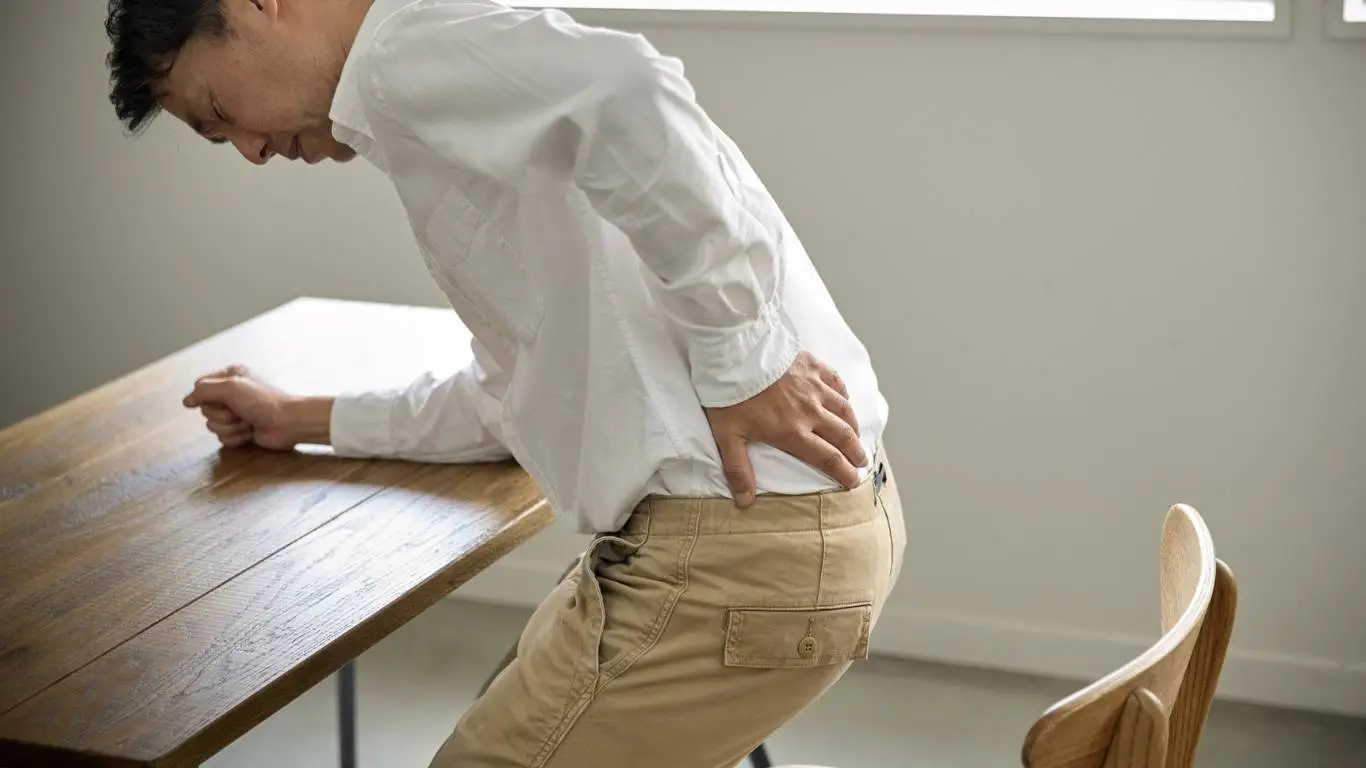
Here’s the good news: rebounding doesn’t have to be a spine killer. With minor tweaks, you can harness its benefits while keeping your joints happy.
- Start with Low Jumps: Stay in control, focusing on small, rhythmic bounces that keep you in contact with the mat.
- Engage Your Core—Always: Visualize pulling your navel towards your spine, maintaining a neutral pelvis throughout.
- Use a Mirror: This simple trick helped me notice when I was leaning too far forward or arching my back.
- Cross-Train: Balance rebounding with exercises that strengthen your posterior chain, especially glutes and hamstrings.
If you want an in-depth guide on exercise-based spine care, this pillar resource on back pain rehabilitation exercises is a must-read.
Who Should Avoid Rebounding for Now?

There are certain conditions where rebounding can do more harm than good:
- Acute lower back injuries – jumping too soon can delay healing.
- Severe facet joint inflammation – this can intensify with vertical compression forces.
- Post-surgical spine patients – always get medical clearance before returning to rebounding.
If you’re recovering from a back procedure, it’s better to look into safe spinal fusion recovery protocols first.
Building Long-Term Spinal Resilience

From my own trial and error, I can tell you that rebounding is an excellent cardiovascular workout, but it demands spinal resilience. Incorporating exercises like bird-dogs, hip bridges, and planks has helped me minimize post-rebound soreness significantly.
Also, don’t underestimate how lifestyle factors influence your joint health. Factors like prolonged sitting, poor ergonomics, and weak core muscles compound the joint stress you experience while rebounding. For a broader understanding, visit the comprehensive Back Pain Main Pillar resource.
Before you bounce into your next session, take a moment to assess whether your spine is ready for it. Small mindful corrections can prevent months of unnecessary back strain down the line.
Signs Your Lower Back Joints Are Struggling with Rebounding

One thing I learned the hard way—your lower back doesn’t keep secrets. It tells you immediately when rebounding isn’t going well. But sometimes, we ignore the whispers until they turn into shouts. Here are some subtle (and not-so-subtle) red flags to watch for:
- Persistent dull ache in the lumbar spine after rebounding
- Sharp pain during landing, especially if it radiates
- Morning stiffness that doesn’t ease up with light movement
- Feeling of spinal instability or “giving out” after bouncing
Paying attention to these signs early on can prevent a trip down the chronic pain lane. If you’ve experienced recurring discomfort, it’s worth exploring why recurring back pain post-activity shouldn’t be ignored.
Adjusting Your Routine for Joint-Safe Rebounding

For those of us unwilling to give up the mini-trampoline (because let’s be honest, it’s fun), modifying the routine is key. These adjustments turned rebounding from a back-breaking activity into a spine-friendly workout for me:
- Shorten Your Sessions: Instead of 30-minute marathons, I do 10-minute bursts with core engagement checkpoints.
- Incorporate Restorative Movements: After a rebounding set, I follow up with gentle hip flexor stretches and cat-cow movements to decompress the spine.
- Alternate with Non-Impact Activities: Adding swimming or yoga has been a game-changer. For example, these yoga poses for back pain are fantastic post-rebound routines.
Additionally, being mindful of your daily posture is non-negotiable. Rebounding for 15 minutes won’t cancel out 8 hours of slouching at your desk. For that, I recommend looking into lifestyle and ergonomic adjustments for long-term back health.
Expert-Backed Techniques to Strengthen Lower Back Support

What really shifted my rebounding experience was integrating expert-recommended strength routines. No fancy equipment needed—just consistency and focus on the right muscles. Here’s what worked wonders:
- Dead bugs for core activation without lumbar strain
- Glute bridges to counteract anterior pelvic tilt
- Bird-dogs to enhance spinal stability during dynamic movement
- Wall sits for lower-body endurance and postural alignment
These moves, combined with functional stretches, prepare your body to handle rebounding forces effectively. It’s about bulletproofing your lower back, not just surviving each workout.
When to Seek Professional Guidance

If you’re dealing with persistent lower back joint pain that flares up after rebounding, it might be time to bring in the pros. A qualified physical therapist or chiropractor can assess biomechanical imbalances and design a corrective exercise program. Sometimes, it’s not about what you’re doing—but how you’re doing it.
For more serious joint conditions, procedures like radiofrequency ablation might come into discussion, but that’s a decision best made with a specialist.
Optimizing Your Home Setup for Rebounding Success

Your environment plays a crucial role. I learned the hard way that rebounding in a cramped, uneven space is asking for trouble. Here’s how I optimized my home setup:
- Flat, non-slip surface: Ensure your rebounder doesn’t wobble or slide around mid-jump.
- Mirrors: Great for self-checking form and making real-time posture corrections.
- Adequate overhead space: You don’t want to discover the ceiling fan mid-bounce (ask me how I know).
For detailed ergonomic solutions that extend beyond rebounding, check out this resource on occupation and travel ergonomics for back health.
The Verdict: Is Rebounding Worth It for Lower Back Health?

Rebounding has immense health benefits—it improves lymphatic circulation, boosts cardiovascular endurance, and yes, can even aid in spinal mobility. But it’s not a one-size-fits-all miracle. Your lower back joints need preparation, maintenance, and respect. Through conscious modifications and strengthening strategies, rebounding can transform from a potential injury trap into a joint-friendly, fun workout.
As always, don’t just take my word for it. Explore the comprehensive guidance in the Back Pain Main Pillar for deeper insights into protecting and enhancing your spinal health.

Camellia Wulansari is a dedicated Medical Assistant at a local clinic and a passionate health writer at Healthusias.com. With years of hands-on experience in patient care and a deep interest in preventive medicine, she bridges the gap between clinical knowledge and accessible health information. Camellia specializes in writing about digestive health, chronic conditions like GERD and hypertension, respiratory issues, and autoimmune diseases, aiming to empower readers with practical, easy-to-understand insights. When she’s not assisting patients or writing, you’ll find her enjoying quiet mornings with coffee and a medical journal in hand—or jamming to her favorite metal band, Lamb of God.