Relaxation Techniques for Kidney Patients: 7 Ways to Feel Calm
Many people don’t think much about relaxation until stress starts affecting how they feel day to day. For those living with kidney-related concerns, the connection between stress and overall well-being often becomes more noticeable over time. That’s where relaxation techniques for kidney patients can play a meaningful role—not as a treatment, but as a way to support a calmer, more balanced daily routine.
Stress can show up in subtle ways, from tension in the body to trouble sleeping or feeling mentally overwhelmed. While these experiences are common, learning how to manage them gently and consistently can make a difference in how someone feels physically and emotionally.
Why Relaxation Matters for Kidney Health Awareness
Relaxation isn’t just about feeling calm in the moment. It’s also about helping the body shift out of a constant “on” mode. When stress builds up over time, it can affect sleep, appetite, and even how the body regulates important functions.
For people paying closer attention to kidney health, stress management often becomes part of a broader lifestyle approach. This is especially true when exploring topics covered in a chronic kidney disease guide or learning how daily habits connect to long-term wellness.
Some people notice that when they feel less stressed, they also experience:
- More stable energy levels
- Better sleep patterns
- Improved focus and mood
- Less physical tension
These changes don’t happen overnight, but small, consistent relaxation habits can gradually support a more balanced routine.
A More Practical Way to Build Kidney-Friendly Daily Habits
Instead of trying to piece together scattered tips, some people prefer a simple, organized approach to supporting kidney health through everyday routines.
Explore how this guide is structured step by step
Common Factors That Increase Stress in Kidney Patients
Stress doesn’t come from one single source. For many people, it builds from a combination of physical, emotional, and lifestyle factors.
Some commonly reported influences include:
- Managing ongoing health concerns
- Frequent medical appointments or monitoring
- Changes in diet or daily habits
- Uncertainty about long-term health
- Sleep disruptions or fatigue
These experiences can create a cycle where stress affects the body, and physical symptoms increase stress in return. That’s why relaxation techniques are often explored as part of a broader lifestyle approach within the kidney disease lifestyle category.
7 Relaxation Techniques for Kidney Patients to Feel More Calm
1. Deep Breathing Exercises
Deep breathing is one of the simplest ways to encourage relaxation. It involves slowing down the breath and focusing on steady, controlled inhales and exhales.
Many people find this helpful because it can be done almost anywhere—sitting, lying down, or even during a quiet moment in the day.
2. Gentle Movement or Stretching
Light stretching or slow, mindful movement can help release physical tension. This isn’t about intense exercise, but rather small movements that feel comfortable and natural.
People often notice that even a few minutes of stretching can ease stiffness and promote a sense of calm.
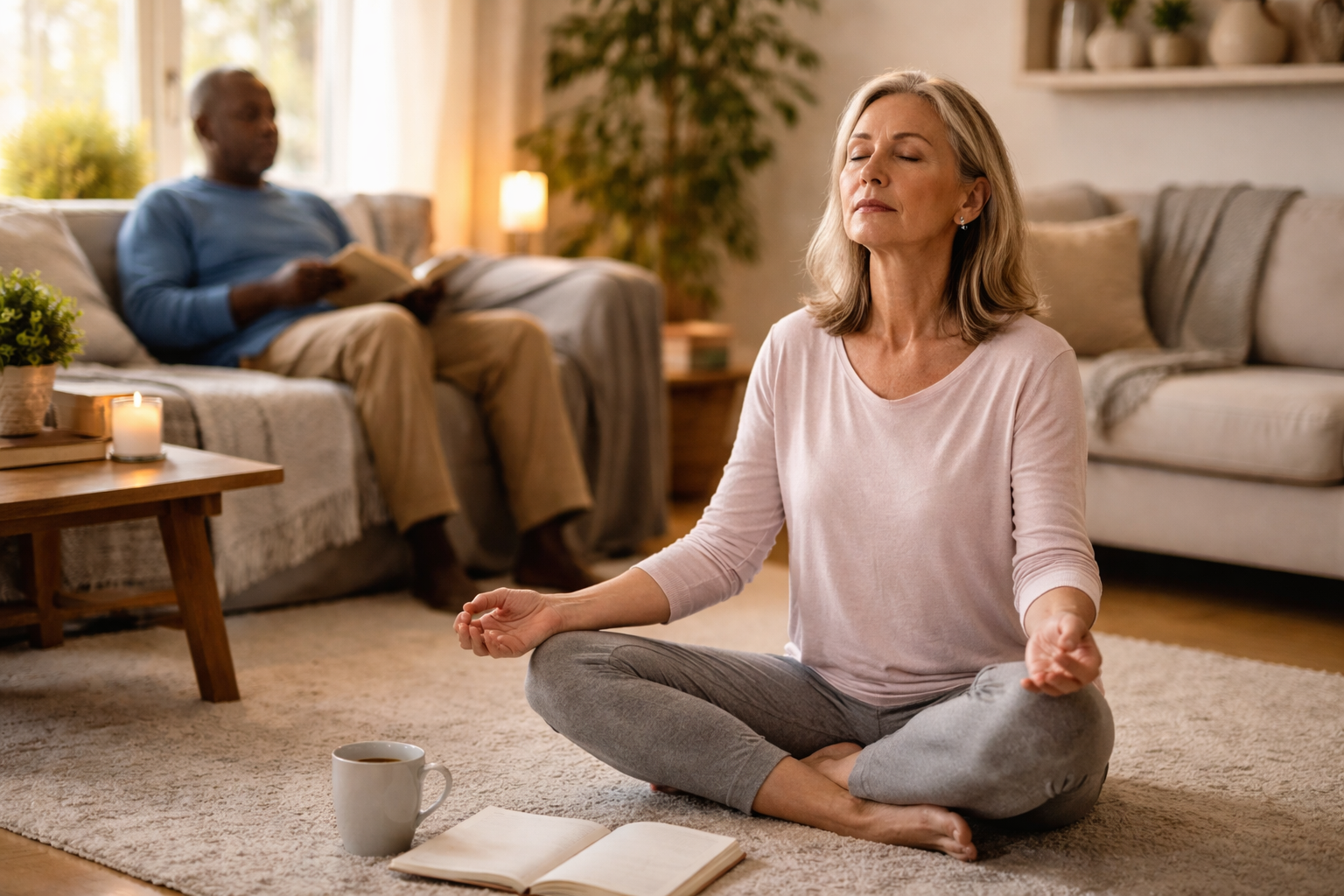
3. Guided Meditation
Meditation can help shift attention away from constant worries. Guided sessions, in particular, are helpful for beginners because they provide structure and direction.
If you’re curious about how this fits into daily routines, you might explore meditation for kidney health to see how others approach it.
4. Progressive Muscle Relaxation
This technique involves gently tensing and relaxing different muscle groups in sequence. It helps bring awareness to where tension is held in the body.
Over time, people often become better at recognizing and releasing stress before it builds up.
5. Listening to Calming Sounds or Music
Soft music, nature sounds, or ambient audio can create a more peaceful environment. This can be especially helpful during rest periods or before sleep.
Some people use this as part of a nighttime routine to help signal that it’s time to wind down.
6. Spending Time in Quiet Outdoor Spaces
Being outdoors—even briefly—can help shift perspective and reduce mental fatigue. This doesn’t require long trips or special planning.
Simple moments like sitting outside, walking slowly, or noticing natural surroundings can feel grounding.
7. Journaling or Quiet Reflection
Writing down thoughts or reflecting quietly can help process emotions. It gives space to organize thoughts that might otherwise feel overwhelming.
This can be as simple as jotting down a few sentences at the end of the day.
How People Notice the Effects of Relaxation
Relaxation techniques don’t usually create dramatic changes overnight. Instead, people often describe subtle shifts that build over time.
These may include:
- Feeling less mentally overwhelmed
- Improved ability to focus
- Reduced physical tension
- Better sleep quality
Some also find that combining multiple techniques—such as breathing exercises and calming music—creates a more noticeable effect.
If stress feels like a recurring challenge, exploring ways to reduce stress for kidney health can offer additional perspective.
Related Lifestyle Considerations
Relaxation is just one part of a broader approach to daily well-being. Many people also pay attention to other habits that support balance, such as:
- Maintaining a consistent sleep schedule
- Staying hydrated within personal guidance
- Following a balanced eating routine
- Creating a steady daily rhythm
These elements often work together. For example, better sleep can improve stress levels, and lower stress can support better sleep.
Rather than focusing on one single change, some people find it helpful to look at their overall routine and make small, manageable adjustments.
When People Start Exploring Relaxation Techniques
There isn’t a single “right time” to begin. However, many people start paying attention to relaxation when they notice:
- Frequent feelings of tension or restlessness
- Difficulty unwinding at the end of the day
- Ongoing fatigue that doesn’t improve with rest
- Increased awareness of stress-related habits
At this stage, relaxation techniques are often explored not as a solution on their own, but as part of a larger effort to feel more balanced and in control.
Frequently Asked Questions
Can relaxation techniques directly improve kidney function?
Relaxation techniques are generally used to support overall well-being and stress management. While they can help people feel calmer and more balanced, they are not considered a direct method for improving kidney function.
How often should someone practice relaxation techniques?
Many people find that consistency matters more than duration. Even a few minutes each day can feel helpful when practiced regularly.
Are certain techniques better than others?
It often depends on personal preference. Some people respond well to breathing exercises, while others prefer meditation or quiet outdoor time. Trying different approaches can help identify what feels most natural.
Can relaxation help with sleep issues?
In some cases, relaxation techniques may help create a calming routine before bedtime. This can make it easier for the body to transition into rest.
Where can I learn more about kidney-friendly lifestyle habits?
Some readers choose to explore broader resources like a natural kidney support guide to better understand how relaxation fits into daily routines alongside other habits.
Bringing It All Together
Relaxation techniques for kidney patients are less about doing something perfectly and more about finding small ways to feel calmer and more grounded each day. Over time, these simple practices can become part of a steady routine that supports both mental and physical well-being.
Some people find it helpful to explore a more structured approach to daily habits, especially when trying to connect stress management with overall kidney health awareness. The goal isn’t to do everything at once, but to build a routine that feels realistic and sustainable.

Robin Abbott is a wellness and lifestyle writer at Healthusias, focusing on everyday health awareness, habits, and life optimization through clear, non-medical explanations.