Why Remote Physical Therapy Sessions Are a Game Changer
When I first injured my back, I never imagined it would lead me to explore the world of remote physical therapy sessions. But between work deadlines and family chaos, there just wasn’t time for in-person visits. What started out as a last-resort option quickly turned into a surprisingly effective—and honestly, more convenient—way to recover and build strength again. If you’re juggling a packed schedule or just prefer healing at home, remote sessions might be the game-changer you’ve been waiting for.
Why Remote Physical Therapy Is Gaining Serious Traction

There’s been a noticeable shift in how people approach treatment for chronic conditions like back pain. With telehealth technology becoming more refined, physical therapy is no longer confined to clinic walls. Whether you’re recovering from a herniated disc, managing muscle strain, or dealing with lumbar radiculopathy, virtual sessions provide a modern, accessible alternative.
It’s About Time and Flexibility
Let’s be real—one of the biggest barriers to in-person therapy is time. Scheduling appointments, commuting, waiting rooms—none of that helps when your back’s already screaming. Remote sessions eliminate all that. My PT just sends me a Zoom link, and boom—I’m in.
- No travel time means more consistency with sessions
- You can book appointments early morning, during lunch, or late evening
- Ideal for folks balancing work, parenting, or limited mobility
Same Expertise, Just From a Screen
One thing I was worried about was whether I’d get the same quality of care virtually. But here’s the deal—most therapists adapt really well to this format. They guide you through exercises, watch your form, and even send video demonstrations. Plus, platforms like APTA and Mayo Clinic recognize remote PT as a valid, research-backed method for treatment.
What a Typical Remote Session Looks Like

Honestly, my first session felt a bit awkward. But once I got over the idea of working out in front of a webcam, it was smooth sailing. Here’s what to expect:
- Initial Evaluation: Your therapist asks about symptoms, pain triggers, and mobility.
- Movement Assessment: They’ll ask you to perform simple actions to evaluate range of motion and discomfort.
- Customized Plan: Based on your condition, you’ll get a tailored exercise routine to follow on and off camera.
- Real-Time Feedback: Therapists watch closely and correct form—sometimes even more attentively than in-person.
Mine helped me identify how poor posture and muscle imbalances were wrecking my progress. We worked on core strengthening and ergonomic tweaks I could apply right at my desk. It’s no surprise that this approach aligns with many strategies found in exercise and ergonomics-focused recovery plans.
Conditions That Respond Well to Virtual Therapy

Some back pain cases absolutely require hands-on treatment. But for many conditions, especially those in the recovery or maintenance phase, remote therapy works wonders.
- Degenerative disc disease
- Chronic vs. acute lower back pain
- Piriformis syndrome
- Nocturnal back pain
- Muscle imbalances
It’s not a miracle cure—but it’s surprisingly empowering to see results on your own turf. The control you gain over your pain, paired with consistent guidance, fosters a sense of independence that’s just as healing as the stretches and strengthening drills.
Key Tools and Setups That Make All the Difference

If you’re considering remote sessions, here’s what you’ll want to have ready. I made the mistake of trying to do mine on a plush rug—bad move. Invest a little, and the payoff is huge:
- Yoga mat or firm exercise surface
- Resistance bands and a foam roller (your PT will guide you)
- Phone stand or tripod to give your therapist a clear view
- Good lighting to help them see your posture and movement
Oh, and wear something you’d actually exercise in—not pajama bottoms like I did for session one.
Staying Engaged From a Distance
The biggest challenge? Motivation. Without the clinical setting, it’s easy to slack off. I found that having my therapist hold me accountable—plus seeing progress in my back mobility—was enough to stay consistent. Also, integrating strategies from this lifestyle and natural remedy guide really supported my recovery beyond just exercise.
If you’re curious whether this kind of treatment is right for your situation, check out the broader context of back pain management on the main back pain resource hub and this conservative treatment breakdown. They’re packed with insights that’ll help you figure out how remote sessions can fit into your overall recovery plan.
When Remote Therapy Goes Beyond Just Exercise

What surprised me most about remote physical therapy sessions wasn’t just the convenience—it was how holistic the support could be. We weren’t just stretching and squatting. My therapist guided me through breathing exercises, mindfulness cues, and even stress management techniques that helped me better manage my pain flare-ups.
This whole-person approach mirrors a lot of the principles outlined in the emotional side of back pain. Turns out, your mindset matters as much as your posture.
Custom Tools for Self-Correction
Since the therapist can’t physically correct your form, they equip you with techniques to self-correct. For example, I was constantly rounding my lower back during hamstring stretches. My PT had me film a few angles and taught me how to spot and fix it myself. Empowering, right?
- Using mirrors to monitor form in real time
- Recording short clips for therapist review
- Learning to feel “good pain” vs. strain or compression
It’s these little habit changes that make remote therapy sustainable—not just during sessions, but throughout your daily routine.
Remote Therapy for Unique Populations

Remote physical therapy isn’t one-size-fits-all. I’ve recommended it to friends of different ages, and the flexibility really shines for unique groups. Therapists often personalize programs for:
- Pregnant women experiencing pregnancy-related back pain
- Older adults dealing with mobility issues
- Teens and students managing backpack-related discomfort
Even post-surgical recovery, like after a microdiscectomy, can benefit from remote guidance once you’re cleared. The key is ensuring you’re under the care of someone experienced in your condition.
Insurance and Platform Accessibility
Most major insurance providers now recognize tele-rehab services. And platforms like BetterPT, Hinge Health, and OneStep are designed to make it easy—even for those who aren’t tech-savvy. Some therapists even use secure messaging to check in between sessions, which feels a lot more personal than a cold clinic visit.
Blending Technology with Physical Healing

There are some pretty cool tech tools out there enhancing remote PT. I’ve used a posture trainer that buzzes when I slouch, and a simple fitness tracker that logs my activity and sends it to my therapist. These aren’t required, but they’re great if you love tracking progress like I do.
Plus, platforms often include digital libraries, reminders, and even built-in AI tools to catch posture issues during video calls. That feedback loop is a major upgrade from just reading handouts and hoping you’re doing things right.
Signs It’s Time to Try Remote PT
Still unsure if this is for you? Here’s how I knew it was worth a shot:
- Back pain persisted despite rest and home remedies
- Limited time to commute to physical clinics
- Increased stress made pain worse—and I needed more than just physical solutions
- Comfortable working out in a home environment
If that sounds familiar, it’s worth exploring with a certified physical therapist who offers virtual options. You can also look into sessions focused on mobile therapy apps or virtual PT platforms that specialize in back care.
Final Words from My Living Room Rehab Journey
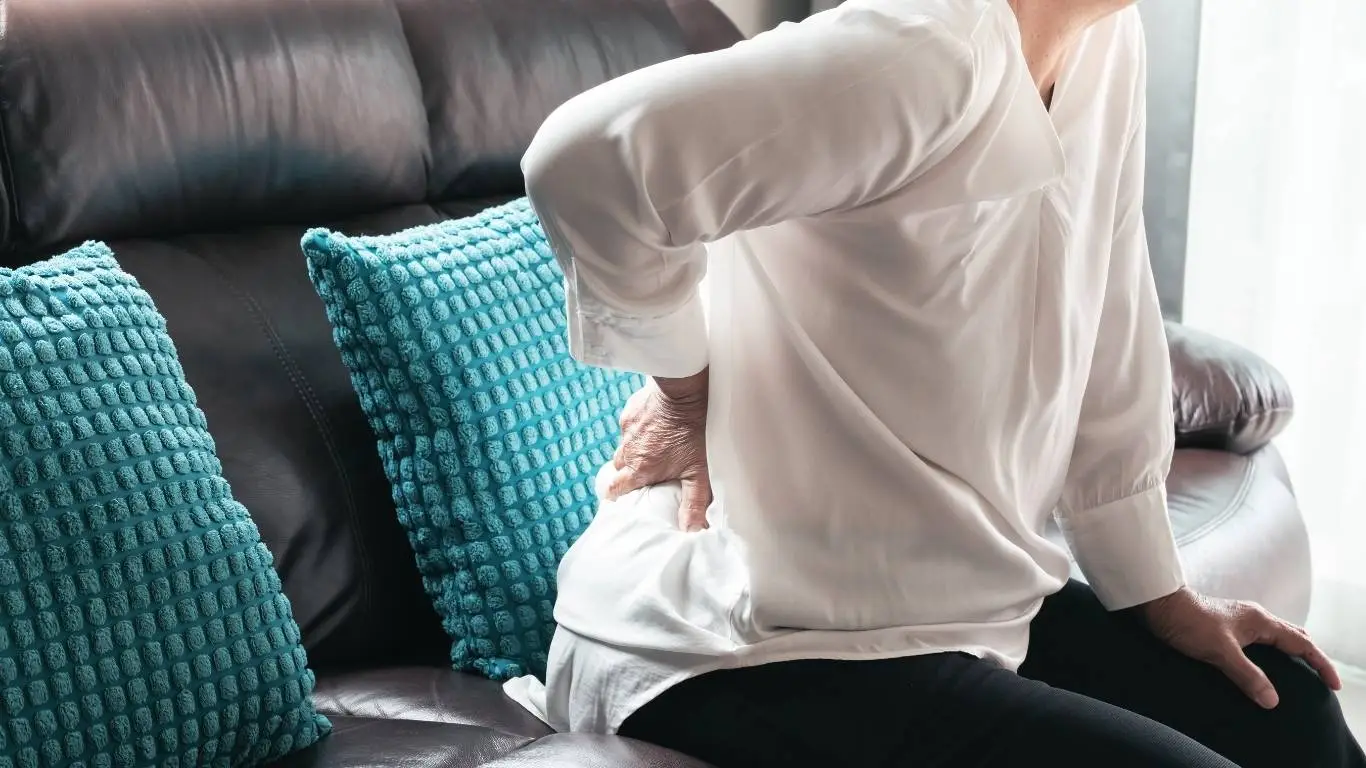
I’ll be honest—when I first heard about remote physical therapy, I assumed it was second-rate care. But a few months in, and I’ve felt more progress, more confidence, and less frustration than with any other method I’ve tried. My therapist’s attention to detail, combined with the comfort of home, made healing feel less like a chore and more like part of my everyday life.
Don’t get me wrong—there are still occasional setbacks (especially when I slack on stretching). But now I have tools, a plan, and a real partnership with a professional. If you’re dealing with stubborn back pain and need a smarter, more flexible path forward, remote sessions might just be the move that changes everything.
For more on conservative yet effective options that blend science and lifestyle, explore the conservative back pain treatment guide. And if you’re just beginning your journey, the complete main back pain resource page is your best starting point.

Camellia Wulansari is a dedicated Medical Assistant at a local clinic and a passionate health writer at Healthusias.com. With years of hands-on experience in patient care and a deep interest in preventive medicine, she bridges the gap between clinical knowledge and accessible health information. Camellia specializes in writing about digestive health, chronic conditions like GERD and hypertension, respiratory issues, and autoimmune diseases, aiming to empower readers with practical, easy-to-understand insights. When she’s not assisting patients or writing, you’ll find her enjoying quiet mornings with coffee and a medical journal in hand—or jamming to her favorite metal band, Lamb of God.