Why Self-Hypnosis for Chronic Spinal Pain Actually Works
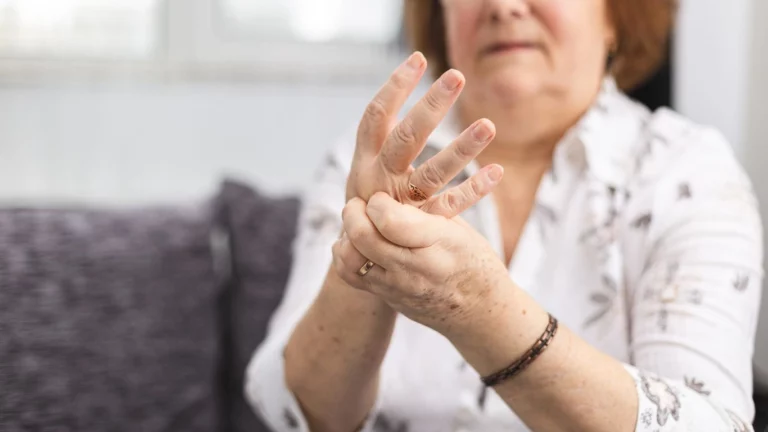
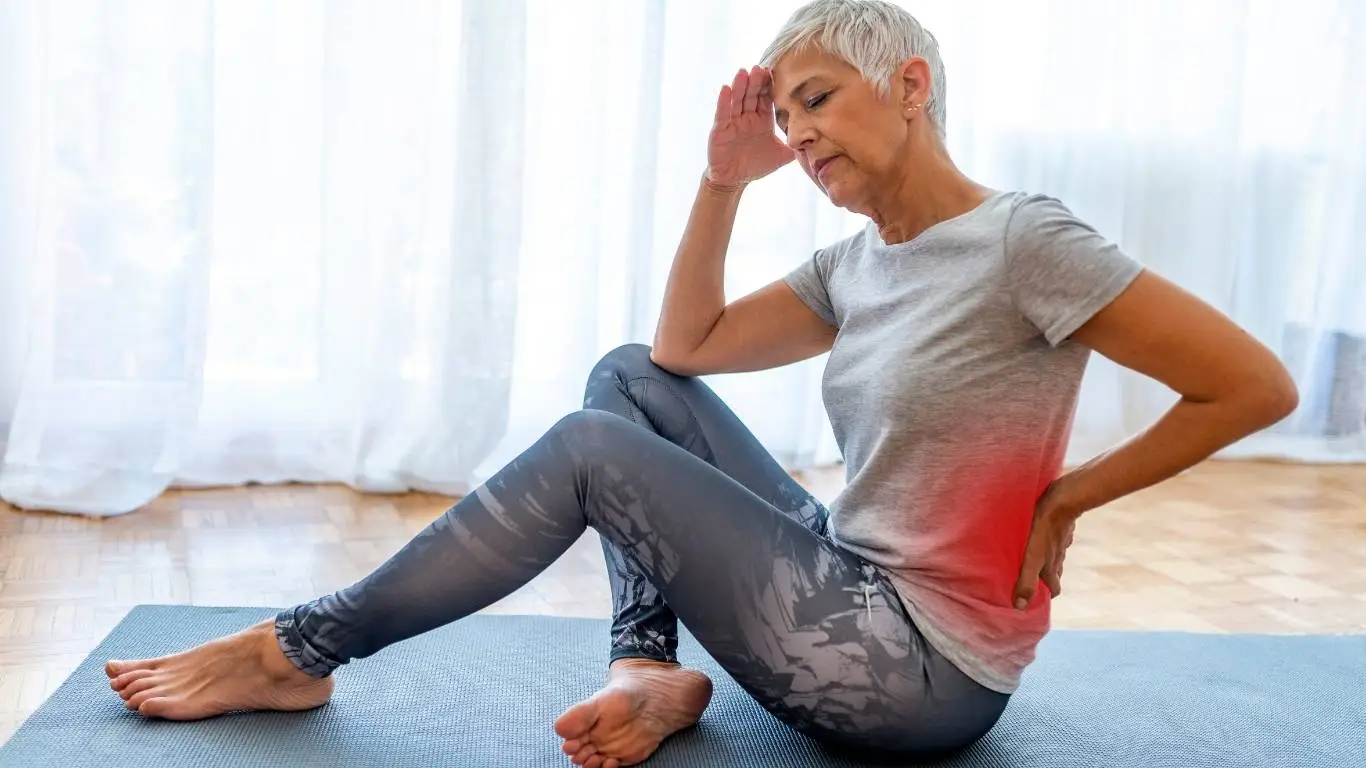
Managing chronic spinal pain used to feel like a full-time job. There were days I couldn’t sit comfortably, let alone focus on work or enjoy a meal with friends. It all changed when I stumbled upon self-hypnosis—not some mystical stage act, but a grounded, evidence-based technique that’s helped thousands of people reclaim control over their pain. No, it didn’t cure the spine issues overnight, but it gave me a new kind of power—the ability to dial down the volume on discomfort. Here’s what I’ve learned on this journey, and why self-hypnosis might just be the missing piece in your pain management plan.
Understanding Chronic Spinal Pain

Chronic spinal pain isn’t just a physical issue—it’s deeply intertwined with the nervous system, brain processing, and even emotional well-being. Whether the pain stems from a herniated disc, sciatica, or simply years of poor posture, your body eventually wires pain into your system, making it hard to shake—even when the original injury has healed.
That’s where self-hypnosis comes into play. It doesn’t replace medical treatment or physical therapy, but it can complement those efforts by helping you reframe how your brain processes pain. Think of it as a mental toolkit—one you can use anytime, anywhere.
What is Self-Hypnosis?

Self-hypnosis is a method of guiding yourself into a state of deep focus and relaxation. It’s not the dramatic “you’re under my control” stuff you see in movies. In fact, you’re fully awake and aware—just tuned inward. During this state, your mind becomes more open to suggestions, particularly ones that reframe your experience of pain.
I initially started with guided recordings I found through reputable medical sources and apps recommended by a pain specialist. Over time, I created my own script—focused on affirmations like “I control how I respond to pain” and “My back feels strong and relaxed”.
How it Works in the Brain
When you’re in a hypnotic state, functional MRI studies show reduced activity in the brain’s pain network. Essentially, you’re turning down the brain’s pain amplifier. Harvard researchers and the Mayo Clinic both point to self-hypnosis as an effective tool for reducing perceived pain intensity.
Why Self-Hypnosis Works for Spinal Pain

Spinal pain, especially chronic cases, is complex. There’s physical inflammation, yes, but also psychological components—fear of movement, anxiety, even depression. Self-hypnosis addresses the whole person, not just the spine.
From my experience, it’s the consistency that matters. Practicing for 10-15 minutes daily helped me break the loop between stress and pain. Over time, my flare-ups became shorter and less intense.
Real Benefits Backed by Science
- Reduces pain perception: The brain learns to respond differently to pain signals.
- Improves sleep: Better rest promotes healing and lowers inflammation.
- Enhances mood: You feel more in control, less like a prisoner of your back pain.
- Complements rehab: Use it alongside physical therapy, not in place of it.
It’s also non-invasive, affordable (sometimes free), and entirely within your control—no prescriptions, no side effects.
Getting Started: A Simple Routine

- Find a quiet, comfortable space—your bed, a couch, or even a yoga mat on the floor.
- Start with deep, slow breathing. In through the nose, out through the mouth.
- Use a script or audio guide focused on pain relief and relaxation.
- Repeat key affirmations: “Each breath helps my spine relax.”
- Return slowly to full awareness, taking a few moments before standing.
Don’t worry if your mind wanders—it happens. Just bring it back gently. Over time, you’ll get better at entering this focused, calming state.
Combine It with Lifestyle Tweaks

Self-hypnosis works best when it’s part of a bigger toolkit. Alongside it, I cleaned up my posture, added some gentle yoga, and started a mild anti-inflammatory diet. Those small shifts, when layered together, made a big difference.
You might also benefit from exploring the broader mind-body connection through mindfulness meditation or cognitive behavioral therapy, both of which are proven to help in chronic spinal pain management.
To better understand how these conservative approaches work together, the conservative treatments for back pain page provides a great overview of integrated strategies. For a wider look at spinal anatomy and causes, the main back pain pillar article lays a helpful foundation.
What Self-Hypnosis is NOT

Let’s clear this up—it’s not a miracle cure. It’s not going to “erase” a slipped disc or replace spinal decompression surgery. It’s a tool. Like stretching or massage therapy, it works best when used regularly and alongside proper medical care.
Also, it’s not about “mind over matter” in a toxic way. Pain is real. Your experience is valid. This just gives you more ways to navigate that experience without drowning in it.
Stay tuned—the next steps can unlock even more power from this technique when it’s woven into your daily habits, beliefs, and mindset.
Making Self-Hypnosis Part of Daily Life

For self-hypnosis to truly help manage spinal pain, it can’t just be a once-a-week experiment. The real magic happens when it becomes part of your daily rhythm—like brushing your teeth or stretching before bed. I started treating it like my mental gym. Five minutes in the morning before emails. Ten at night after a hot shower. That’s all it took to begin noticing shifts in how my back responded to stress.
The consistency builds a kind of muscle memory—not in your spine, but in your brain. Your nervous system learns to settle faster, your perception of pain slowly rewires, and that old sense of helplessness starts to fade. It won’t replace your physical therapy, but it makes every stretch and treatment work more effectively because you’re no longer mentally resisting the pain all the time.
Pairing Self-Hypnosis With Movement
Don’t think of self-hypnosis as a substitute for movement. If anything, it makes mindful movement easier. I found that pairing it with gentle stretching or low-impact core exercises actually multiplied the benefits.
- Before exercise: A short hypnosis session can help relax tense muscles and reduce anticipatory pain anxiety.
- After stretching: Reinforces positive messages to your nervous system, helping your body internalize the “I’m safe” signal.
- Mid-day: Great for breaking up long periods of sitting—something I used to dread with a sore spine.
Creating a Hypnosis Script That Works for You

Your own script doesn’t need to be perfect or poetic. It just needs to feel true to your experience. I wrote mine out like a letter to my spine—no joke. It started with lines like “You’ve carried me for years, and I’m learning to support you back.” It evolved into more detailed affirmations:
- “Each breath sends calm to my back.”
- “I’m not defined by pain—I adapt and move forward.”
- “My body heals more every day I tune in and release tension.”
Say them silently or aloud while in a relaxed state. Even recording them in your own voice can make them more powerful—it’s surprisingly comforting to hear yourself talking gently to your body.
When to Be Cautious

Self-hypnosis isn’t for everyone—and that’s okay. If you have a history of trauma, PTSD, or mental health conditions, it’s worth checking in with a psychologist first. Some guided scripts may stir emotions or memories you weren’t prepared for, and professional guidance can help keep the experience safe and supportive.
It also shouldn’t be used as an excuse to ignore worsening symptoms. If your spinal pain changes suddenly—sharper, spreading, or causing numbness—it’s time for real diagnostics. This red flag guide is a must-read for anyone navigating long-term spinal discomfort.
Tools That Enhance Self-Hypnosis

While your breath and mind are really all you need, a few tools made a big difference for me:
- Noise-canceling headphones: Blocks out distractions and immerses you in the audio.
- Weighted blanket: Encourages full-body relaxation.
- Mobile apps: Several evidence-based hypnosis apps are worth exploring—just be sure they’re built by clinicians or licensed hypnotherapists.
If you want to take it up a notch, cognitive behavioral therapy blends well with self-hypnosis. You’ll reinforce healthy thought patterns while calming the nervous system. It’s a game-changer, especially when spinal pain starts affecting your sleep or confidence.
Self-Hypnosis Success Stories and Research

In pain management clinics, self-hypnosis is now a staple—not a fringe idea. The American Psychological Association and ncbi.nlm.nih.gov have published multiple studies showing its effectiveness in lowering both pain scores and pain interference in daily activities. It’s also used in cancer treatment centers, childbirth prep, and post-surgical recovery—all rooted in the same principles.
Personally, I’ve connected with others through support groups who’ve used hypnosis to reduce dependence on pain meds, ease mobility fear, and even improve work productivity. When your mind no longer treats pain as a threat, your life expands again.
Resources to Dive Deeper

- Mental and Emotional Aspects of Back Pain – A deeper dive into how psychology plays a huge role in spinal pain recovery.
- Main Back Pain Pillar – Understand the causes, types, and broad treatment approaches.
- mayoclinic.org and clevelandclinic.org – Trusted sources with data on hypnosis and chronic pain relief.
It’s easy to think of spinal pain as something to fight—but sometimes, the more powerful move is learning how to soften around it. That’s what self-hypnosis taught me. Not to pretend the pain isn’t there, but to stop letting it run the show.

Camellia Wulansari is a dedicated Medical Assistant at a local clinic and a passionate health writer at Healthusias.com. With years of hands-on experience in patient care and a deep interest in preventive medicine, she bridges the gap between clinical knowledge and accessible health information. Camellia specializes in writing about digestive health, chronic conditions like GERD and hypertension, respiratory issues, and autoimmune diseases, aiming to empower readers with practical, easy-to-understand insights. When she’s not assisting patients or writing, you’ll find her enjoying quiet mornings with coffee and a medical journal in hand—or jamming to her favorite metal band, Lamb of God.