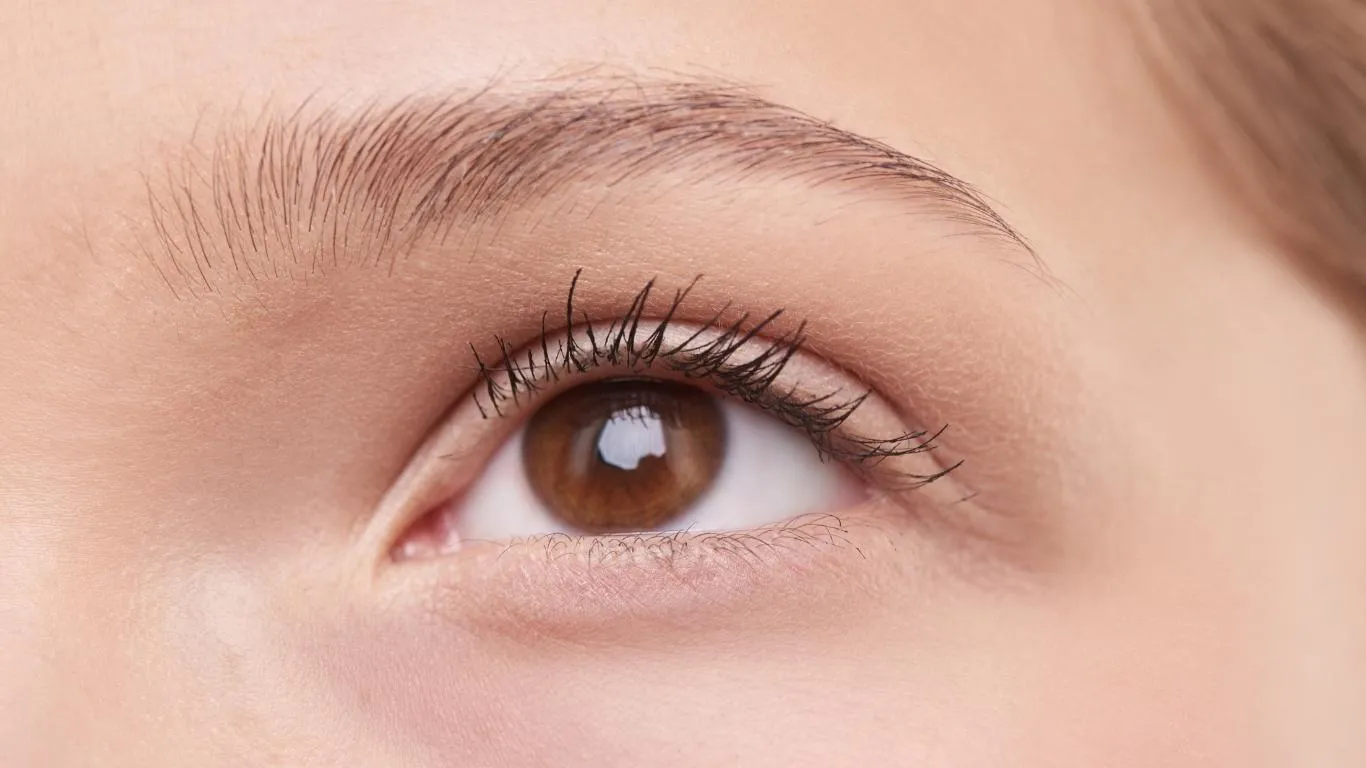
Understanding Shifting Light Patterns That Create Flickering Shadows Indoors
If you’ve ever been sitting quietly, maybe sipping a coffee in the afternoon sun, and then suddenly caught yourself staring at faint, squiggly shapes drifting across your vision, you’re not alone. It happened to me recently while watching sunlight filter through the leaves outside my window — those shifting light patterns created flickering shadows on the wall, and that’s when I noticed them. Little floaters. They seemed to dance and drift whenever I moved my eyes, disappearing just as quickly as they came. It’s a strange mix of curiosity and mild worry when you first notice them, especially in a setting as peaceful as watching light play across a room.
Why Flickering Shadows Can Make Floaters More Noticeable
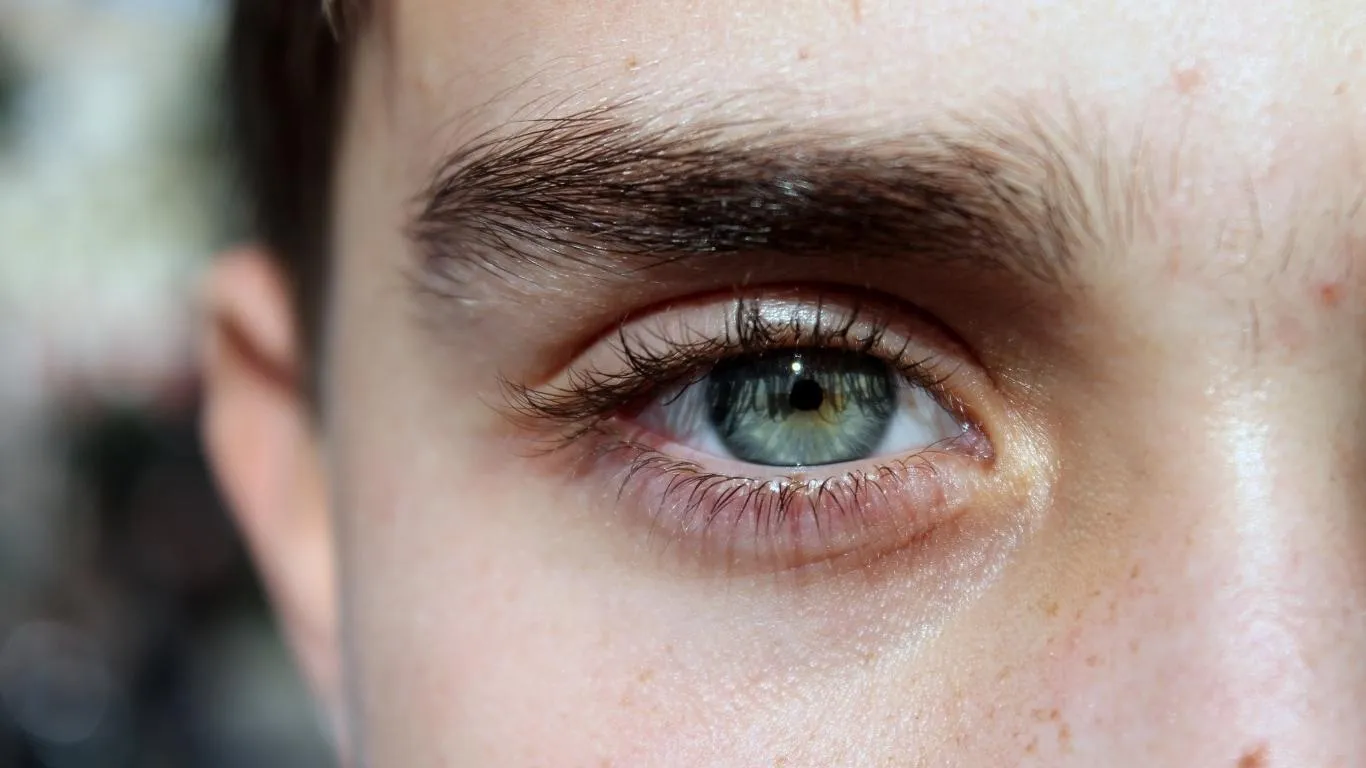
Floaters often go unnoticed during the busier moments of life. But when your eyes are focused on something uniform — like a clear blue sky, a white wall, or the subtle play of flickering shadows — they stand out. The science is pretty straightforward: when light contrast changes rapidly, like when shadows move and shift, any tiny debris or collagen fibers in the vitreous gel inside your eye can cast more distinct shadows on the retina. These shadows register as floaters.
From my own experience, flickering shadows almost act like a spotlight for floaters. The alternating dark and light areas make your brain more aware of visual interruptions. This is why you might notice them more when sitting in a sunny room with swaying blinds, or during a forest walk where light dapples through the trees.
The Role of Light and Contrast
Floaters aren’t just random optical nuisances — they’re a direct result of how light interacts with your eye’s internal structures. In dim, uniform light, your brain can often filter them out. But add flicker and shifting patterns, and the visual contrast becomes higher, making those same floaters pop into view. It’s the same reason you might also spot them when scrolling on a bright screen in a dark room or staring at snow under bright sunlight.
- Bright, high-contrast environments magnify floater visibility.
- Rapid light variation (like flickering shadows) sharpens their edges.
- Eye movement shifts the floater’s position, drawing attention to it.
Could This Be a Sign of Something Serious?
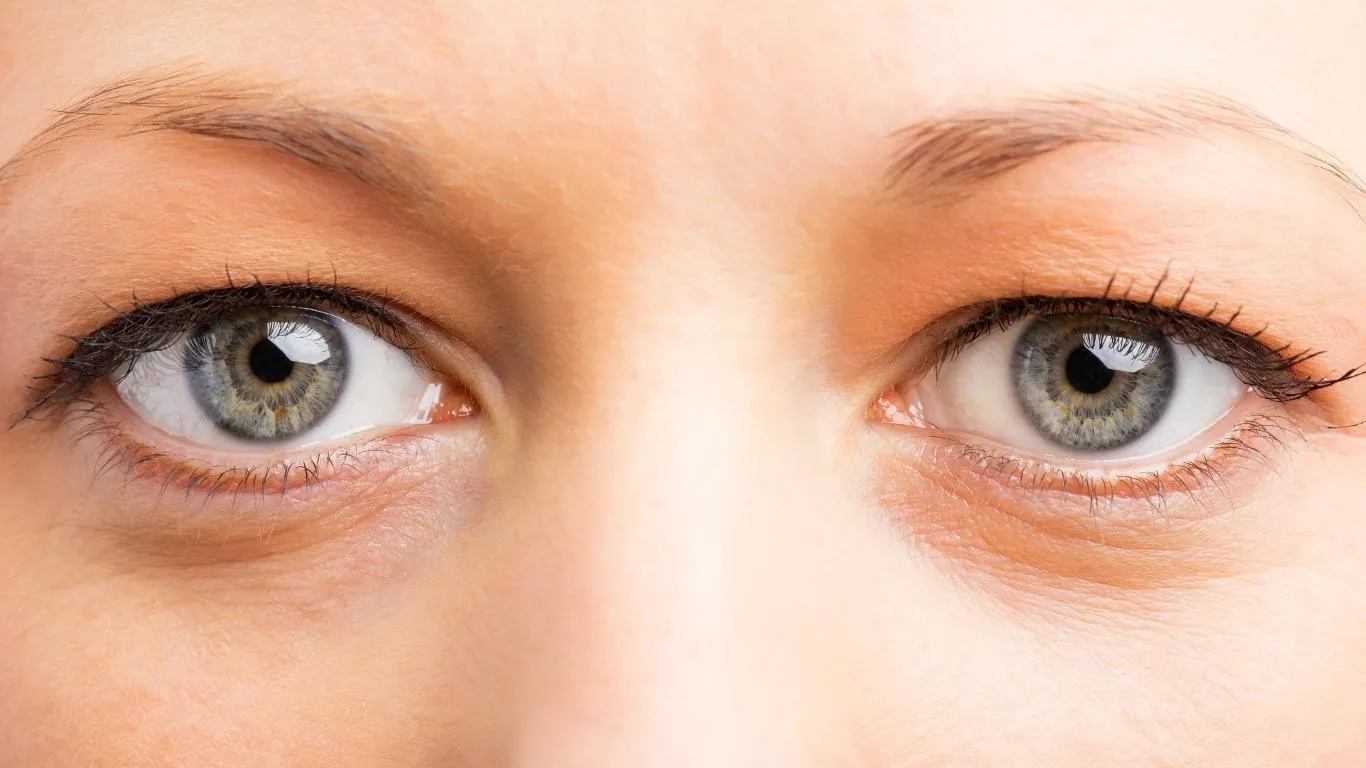
Noticing floaters during shadow flicker doesn’t automatically mean something’s wrong. For many, they’re just a byproduct of aging — collagen in the vitreous humor clumps over time, especially after 40. However, if the floaters appear suddenly, increase in number, or are accompanied by light flashes or peripheral vision loss, that could signal a more urgent condition like a retinal tear. According to this guide on warning signs, ignoring sudden changes can put your sight at risk.
For a deeper dive into common causes, this detailed breakdown outlines how everything from eye injuries to underlying health conditions can contribute. And if you want an authoritative, medical overview, the American Academy of Ophthalmology offers comprehensive patient resources.
Situations That Warrant Urgent Attention
- Floaters paired with flashes of light, especially in peripheral vision.
- Sudden onset after head or eye trauma.
- Associated loss of part of your visual field, like a curtain coming down.
In these cases, getting an urgent dilated eye exam is critical. A retinal tear or detachment can progress rapidly and requires immediate treatment to preserve vision.
Why Some People Notice Them More Than Others
Floaters can be incredibly personal — some people barely notice them, while others find them distracting daily. The difference often comes down to a combination of floater size, location, and individual sensitivity to visual disturbances. I’ve had days when they’re almost invisible, and others when they seem to drift into my line of sight every time I blink.
High myopia (nearsightedness), previous eye surgeries, or inflammatory eye conditions can increase the number and prominence of floaters. Lifestyle factors may also play a subtle role. For example, dehydration can alter the vitreous consistency, potentially making floaters more noticeable in certain lighting, as discussed in this piece on hydration and floater severity.
The Brain’s Role in Adapting
One fascinating aspect is how the brain adapts over time. At first, floaters might seem intrusive, but many people gradually stop noticing them because the brain learns to filter out the “noise.” However, flickering shadows can reset that adaptation by reintroducing dynamic contrast, forcing your brain to pay attention again.
Managing the Distraction
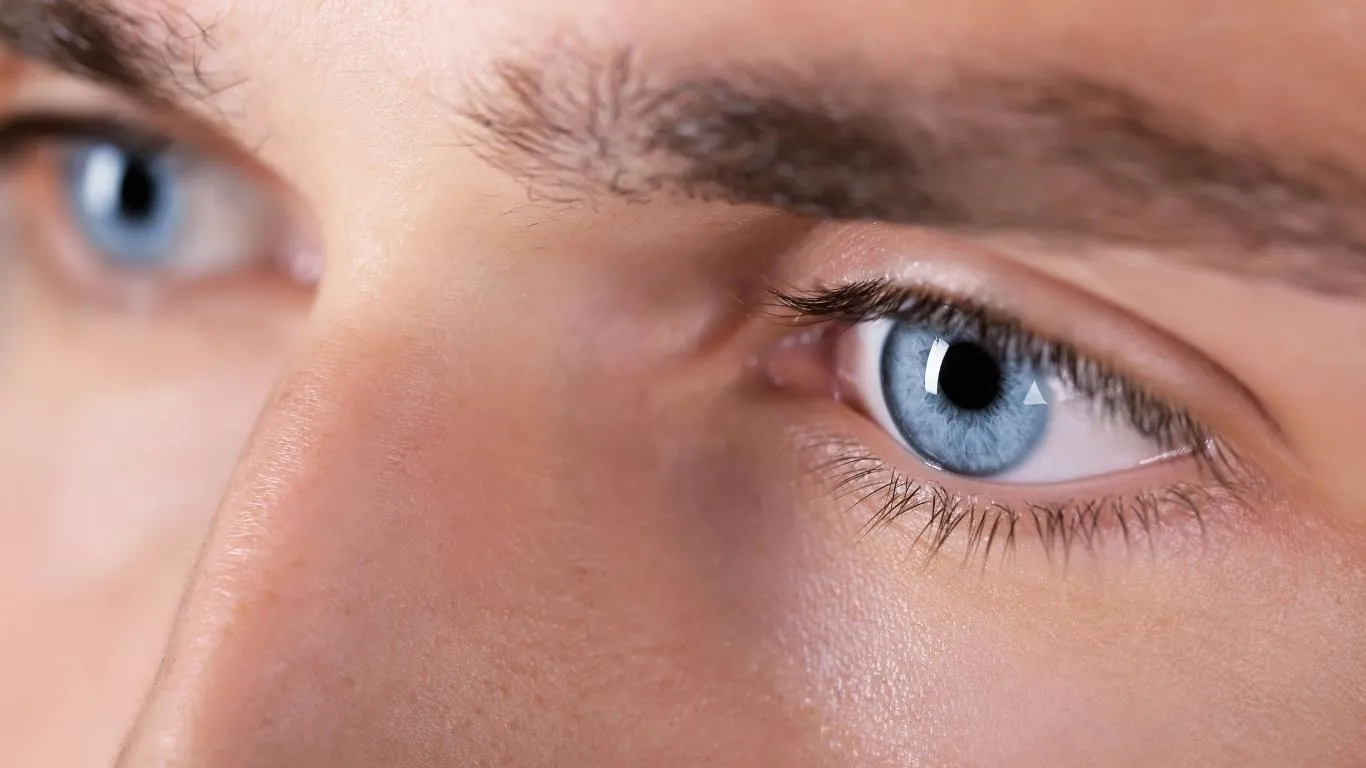
While most floaters don’t require medical treatment, you can take steps to make them less noticeable, especially in settings with flickering shadows. Small changes can help reduce contrast triggers and keep you from fixating on them.
- Adjust blinds or curtains to soften light transitions in a room.
- Change your seating position to avoid direct flicker in your visual field.
- Stay hydrated — even if it’s not a cure, it may reduce floater prominence.
- Use ambient light sources to minimize harsh contrast differences.
For those whose floaters are severe and persistent, there are more targeted options. Treatments like laser vitreolysis or vitrectomy are covered in depth in this treatment-focused guide and in the main overview article. Both options have pros and cons, and should only be considered after thorough discussion with an ophthalmologist.
External Factors to Consider
It’s not just lighting. External irritants like dry air, glare from screens, or even certain medications can increase your awareness of floaters. I once noticed mine more prominently after a week of working late nights under fluorescent lighting — the harsh, flickering tubes felt like the indoor equivalent of sunlight through swaying branches. Understanding your environment’s impact is key to minimizing distraction.
#LNF

Camellia Wulansari is a dedicated Medical Assistant at a local clinic and a passionate health writer at Healthusias.com. With years of hands-on experience in patient care and a deep interest in preventive medicine, she bridges the gap between clinical knowledge and accessible health information. Camellia specializes in writing about digestive health, chronic conditions like GERD and hypertension, respiratory issues, and autoimmune diseases, aiming to empower readers with practical, easy-to-understand insights. When she’s not assisting patients or writing, you’ll find her enjoying quiet mornings with coffee and a medical journal in hand—or jamming to her favorite metal band, Lamb of God.