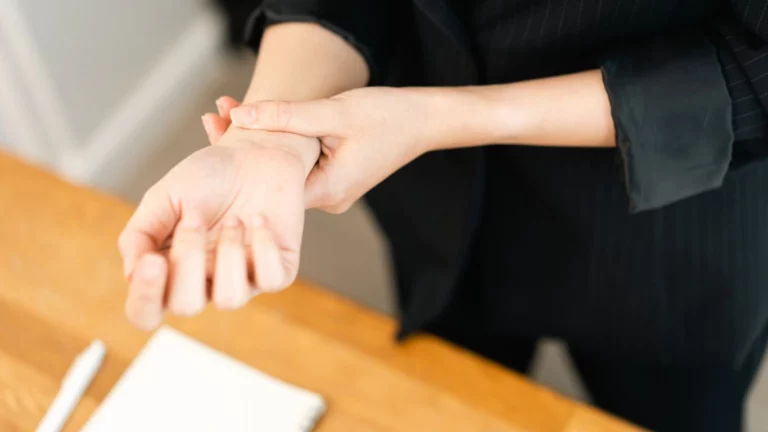
Smart Back Pain Prevention Tips That Actually Make Life Easier
Back pain doesn’t just strike out of nowhere—it often brews silently in the background, thanks to the little things we overlook every day. I used to blame my old office chair or a random twist at the gym, but over time, I realized it was my daily habits slowly setting me up for those dreaded aches. Prevention really is the best cure, and there are tons of smart, sustainable ways to protect your back without overhauling your life.
Why Most People Overlook Back Pain Prevention

Let’s be honest: we only think about our backs when they hurt. Most people, myself included at one point, don’t see a problem until it messes with sleep or turns a simple bend into a struggle. According to research from the NIH, nearly 80% of adults experience back pain at some point, and many of those cases could’ve been prevented with basic lifestyle adjustments. Prevention isn’t flashy, but it pays off in the long run.
1. Get Real About Your Posture

It starts with posture—yes, that age-old advice is actually spot on. Whether you’re sitting in front of your laptop, scrolling your phone, or standing in line at the grocery store, your spine pays attention. I didn’t realize how much I slouched until I saw myself on a Zoom call. That subtle forward head lean? It matters.
How to Fix It:
- Set up ergonomic support with your monitor at eye level.
- Use lumbar cushions that encourage a natural curve.
- Take posture breaks every 30-45 minutes.
If you’re sitting long hours, these sitting habits could be quietly doing damage. A little attention goes a long way here.
2. Strengthen Your Core, Not Just Your Abs

When most people think “core,” they picture six-pack abs. But true core strength comes from the deeper muscles that stabilize your spine. A strong core means your back isn’t taking all the strain.
I added a short core routine—think planks, bird-dogs, and side bridges—after a physical therapist showed me how much my weak core was contributing to my back issues. Just 10 minutes a day made a noticeable difference.
Recommended Exercises:
- Forearm plank (hold for 30-60 seconds)
- Bird-dog (3 sets of 10 reps per side)
- Glute bridges (3 sets of 15 reps)
Check out this yoga-for-back-pain guide for movement that supports your spine while calming your mind.
3. Don’t Sleep on Your Sleep Setup

One of the most overlooked back pain prevention tips? Your mattress and sleep position. I used to crash in whatever position felt cozy, but after switching to a firmer mattress and side-sleeping with a pillow between my knees, I woke up with far less stiffness.
Quick Fixes:
- Use a medium-firm mattress for better spine alignment.
- Sleep on your back or side—avoid stomach sleeping if possible.
- Support your knees with a pillow if you’re a side sleeper.
Still struggling in the morning? You may want to explore mattress solutions for back pain tailored to your sleep habits.
4. Move More, Sit Less

Too much sitting isn’t just bad for circulation—it wrecks your lower back. I installed a standing desk last year, and while I don’t stand all day, switching positions throughout the day has been a game-changer.
Simple changes make a big impact. Walk around while taking calls, use a timer to remind yourself to stretch, or sneak in a few standing meetings. These standing desk strategies helped me stay consistent without overdoing it.
5. Smart Lifting (Even If It’s Just Groceries)

We all know to “lift with the knees,” but it’s easier said than done when you’re rushing through errands. I threw out my back lifting a suitcase from the trunk because I twisted mid-lift. Lesson learned.
Lifting Tips That Stick:
- Keep objects close to your body.
- Engage your core before lifting.
- Pivot with your feet instead of twisting your torso.
Heavy lifting at the gym or work? Take a look at these weight-lifting precautions for back health.
6. Footwear and Floor Support Matter More Than You Think

I never connected my favorite flat sneakers to my nagging back pain—until I tried inserts with proper arch support. Suddenly, walking around the house didn’t feel like I was trekking on concrete.
Your feet are your foundation, and poor support throws off your alignment. If you’ve been ignoring what’s under your feet, check out how flat feet and bad shoes might be hurting your spine more than you realize.
More Tools to Keep Your Spine in Check

Beyond habits and movement, there are tools that can support your prevention journey:
- Ergonomic chairs to improve long-hour posture
- Lumbar cushions for car or work use
- Better sleep positioning to protect spinal alignment overnight
For a more comprehensive understanding of lifestyle, ergonomics, and exercise for spine health, visit our exercise & ergonomics pillar. And for all-encompassing insights into back health, explore the main Back Pain hub with trustworthy guides and research-backed info.
7. Manage Your Weight Without Obsessing Over It

Let’s be real—no one likes to be told to lose weight, especially when you’re dealing with back pain. But here’s what changed my mindset: I stopped focusing on weight loss and started focusing on *joint relief*. Even shedding a few pounds took noticeable pressure off my lower back.
According to Mayo Clinic, excess weight, especially around the midsection, shifts your center of gravity forward, straining your back muscles and spine over time.
Try This Instead:
- Walk after meals to improve digestion and support spine movement.
- Incorporate anti-inflammatory foods that promote joint health.
- Skip perfection—focus on consistency, not calorie-counting.
For a deeper look into food’s role in spine health, check out our anti-inflammatory diet guide. It’s not a fad—it’s actually helped reduce my daily discomfort.
8. Hydration: The Most Overlooked Spinal Lubricant

I used to think hydration was just a skin thing—until I learned spinal discs are made of about 80% water. When you’re dehydrated, those discs become less effective shock absorbers. That dull stiffness in the afternoon? Sometimes, it’s just your spine asking for water.
Hydration Habits That Actually Work:
- Start your morning with 12–16 oz of water before coffee.
- Carry a refillable water bottle you actually enjoy using.
- Eat water-rich foods—think cucumber, berries, and watermelon.
It sounds simple, but daily hydration is a quiet game-changer in my back health routine.
9. Ditch the “Weekend Warrior” Mentality

There’s nothing wrong with getting active on weekends—but cramming all your movement into two days is a recipe for injury. I used to push hard on Saturdays after sitting all week, and surprise: my back would flare up by Sunday night.
Your spine craves consistent, moderate activity, not high-intensity bursts after five days of rest.
Better Routine Ideas:
- Take 20-minute walks on weekdays, not just weekends.
- Stretch briefly in the morning and before bed.
- Mix in light core exercises to stay balanced.
More isn’t always better—consistency wins when it comes to spine care. Explore the benefits of low-impact exercise like swimming that protects your joints.
10. Track Patterns, Not Just Pain

This one surprised me the most. Once I started jotting down when my back felt tense or sore, I noticed patterns—certain chairs, stress levels, even weather. Tracking your back pain isn’t obsessive; it’s smart data.
What to Track:
- When and where the pain occurs
- What activity preceded it
- What made it better or worse
Understanding these patterns helped me explain my symptoms better to professionals—and reduce flare-ups before they got worse.
11. Reduce Stress, Save Your Spine

I didn’t believe stress had anything to do with my back pain until I noticed it spiked every time I was behind on deadlines. Turns out, muscle tension and poor posture aren’t just physical—they’re emotional too.
Chronic stress increases cortisol, which increases inflammation and muscle tightness. Not great news for your back.
Low-Key Stress Busters That Work:
- 5-minute daily breathing or mindfulness practice
- Getting outside during lunch breaks
- Journaling 1-2 sentences each morning
Stress is part of life, but how we handle it can make or break your back (literally). For the emotional side of back health, don’t skip the mental and emotional pillar—it dives into the mind-body connection.
12. Know When to Get Expert Help

Back pain prevention is about taking control, but sometimes, it’s okay to admit when you need help. After months of “pushing through,” I finally saw a physical therapist who showed me I’d been stretching the wrong muscles entirely.
If the pain lingers longer than a week or gets worse over time, check out these back pain red flags you shouldn’t ignore. Your spine isn’t something to gamble with.
Don’t guess—get assessed. And when you do, make sure your provider understands not just your symptoms, but your lifestyle too.
One More Thing—Prevention Never Ends

Back pain prevention isn’t a “do-it-once” fix—it’s a mindset. From the way you sit, sleep, lift, move, and even think, your daily choices either support your spine or slowly chip away at it. And trust me, even small adjustments stack up over time.
Want to go deeper? Explore how lifestyle and natural remedies play a major role in long-term back wellness. And if you’re just starting to navigate the back pain journey, bookmark our main Back Pain hub for expert tips, real strategies, and medically-reviewed guidance.

Camellia Wulansari is a dedicated Medical Assistant at a local clinic and a passionate health writer at Healthusias.com. With years of hands-on experience in patient care and a deep interest in preventive medicine, she bridges the gap between clinical knowledge and accessible health information. Camellia specializes in writing about digestive health, chronic conditions like GERD and hypertension, respiratory issues, and autoimmune diseases, aiming to empower readers with practical, easy-to-understand insights. When she’s not assisting patients or writing, you’ll find her enjoying quiet mornings with coffee and a medical journal in hand—or jamming to her favorite metal band, Lamb of God.