Standing Hamstring Release That Instantly Eases Lower Back Pain
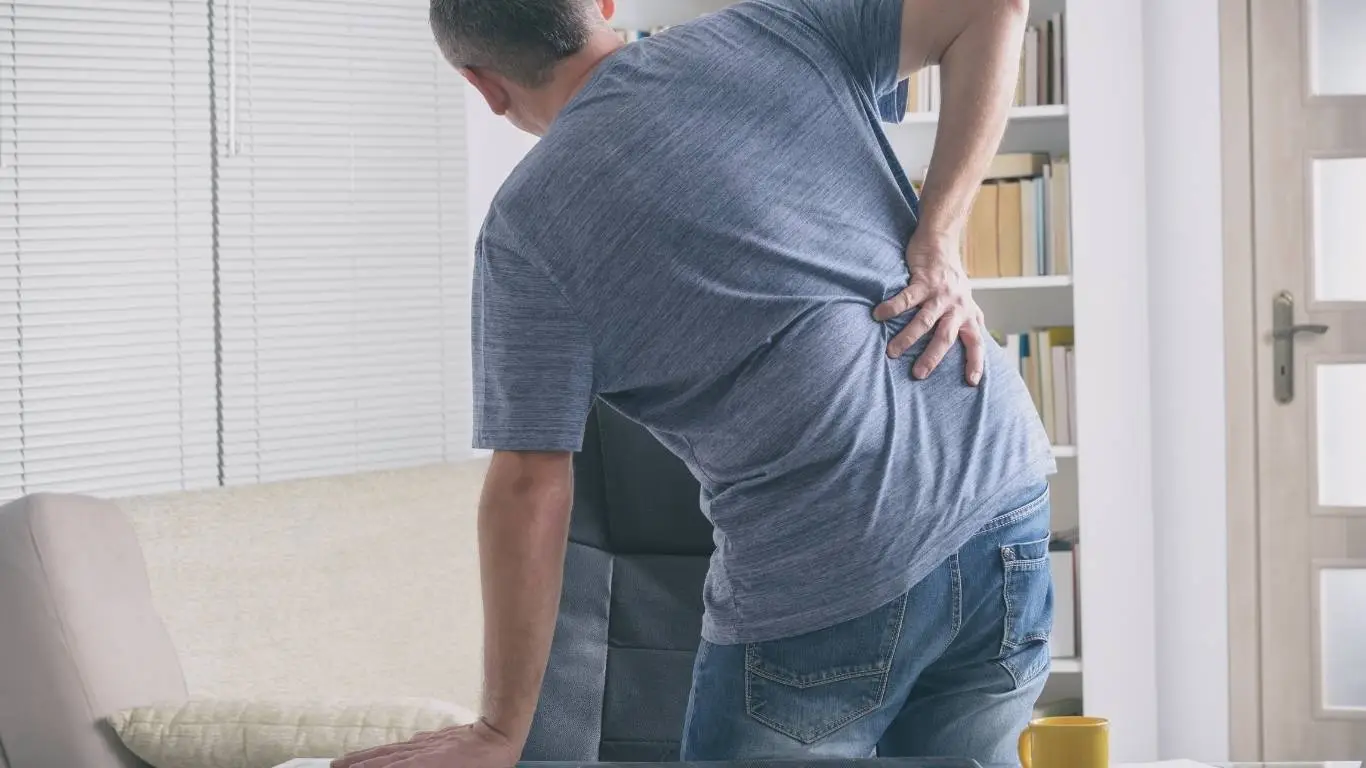
If you’ve been stuck in that frustrating loop of lower back pain that flares up after sitting too long or standing in one spot for hours, I get it. I used to think it was just “getting older” or “poor posture” — until I started paying attention to one of the tightest, most ignored muscle groups: the hamstrings. That tight pull behind your thighs? Yeah, it has everything to do with the tension you’re carrying in your lower back. One of the simplest, most underrated ways I found real relief was through a move called the standing hamstring release.
Why Tight Hamstrings Can Sabotage Your Lower Back

Most people don’t realize how connected the hamstrings are to the health of your spine. They anchor at the pelvis and run down the back of the legs. When they’re tight — and let’s be honest, most of ours are from hours of sitting — they pull the pelvis downward, creating a posterior tilt. That messes with the natural lumbar curve, loading stress into the lower back.
Even poor posture is often a result of muscular imbalance involving the hamstrings. If your spine feels “stuck” or your hips feel jammed, odds are your hamstrings are silently part of the problem.
The Pelvic Chain Reaction
Here’s what happens:
- Tight hamstrings pull your pelvis backward (posterior pelvic tilt)
- This flattens your lower back, straining lumbar discs
- The spine compensates elsewhere, causing muscle fatigue and imbalance
That might explain why you feel lower back tightness when you bend over, or that nagging ache after a long walk. It’s not just the back — it’s the chain that leads to it.
What Is the Standing Hamstring Release?

The standing hamstring release is not your typical hamstring stretch. It’s more about decompression and lengthening than brute-force pulling. There’s no need to yank your body into extreme forward folds. The goal is to find a stretch that lets go of tension — not force it deeper.
Here’s how I personally practice it:
- Stand near a low bench or sturdy surface (about knee height)
- Place your heel on the surface with your leg straight
- Keep your spine long and slowly hinge forward at the hips
- Flex your foot and breathe into the back of your thigh
- Hold for 30-45 seconds per leg, 2-3 rounds
This technique helped me during a flare-up that refused to go away. I practiced it every morning before I even poured my coffee. After a week, I started to notice my back wasn’t constantly begging for a massage gun by 4pm.
How It Eases Lower Back Pain

When you release the hamstrings, you’re essentially telling your pelvis, “You can relax now.” This allows your lumbar spine to return to a more neutral, supported alignment — not yanked flat or arched unnaturally. The pressure on your lower vertebrae decreases, and that alone can reduce chronic discomfort.
Plus, it encourages better core engagement techniques for spine protection, because your body isn’t wasting energy compensating for tight legs.
Other Benefits You’ll Notice
- Improved hip mobility (less clunkiness during walking)
- Reduced risk of injury during workouts or daily lifting
- Less tension during sleep — no more waking up “stiff”
Studies from ncbi.nlm.nih.gov support that hamstring flexibility directly improves spinal posture and reduces lumbar strain. It’s not a gimmick — it’s biomechanics.
When to Use the Standing Hamstring Release

You don’t have to wait until you’re in pain to use this move. In fact, it’s best as part of a daily prevention routine. I often recommend it in three key windows:
- In the morning – to unlock stiffness after sleeping
- Midday breaks – after sitting at a desk or during long drives
- Post-workout – especially after leg day or running
If you’re dealing with any kind of back pain that worsens at night or gets triggered by certain movements, add this in. It’s not going to replace therapy, but it’s a solid way to support what your back needs daily: length, support, and balance.
Pairing It with Smart Daily Habits
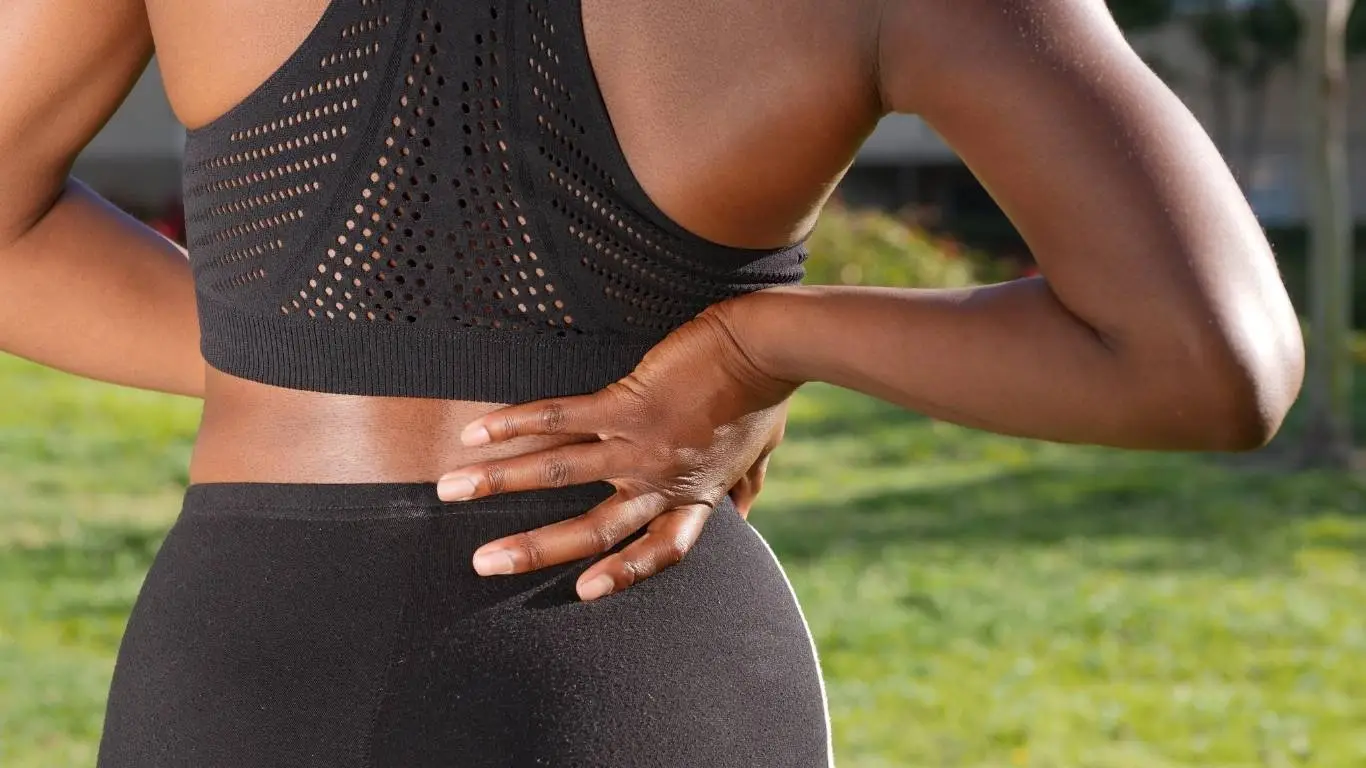
Hamstring release is only one piece of the puzzle. I saw real progress when I started combining it with:
- Better sitting posture – using lumbar support cushions
- Walking breaks – 10 minutes every hour during screen-heavy days
- Gentle yoga or Pilates – to activate neglected core muscles
Oh, and don’t overlook hydration. When I started drinking more water and cut back on caffeine, my back didn’t feel as “locked up” mid-morning. It all adds up.
Looking at the bigger picture, you’ll want to address your entire movement ecosystem. The insights in this exercise and ergonomics guide go even deeper into building a pain-free daily flow. And for a more comprehensive view on managing back health naturally, check out this main resource page that ties everything together.
Signs Your Body Is Ready for Deeper Hamstring Work

Once you’ve been consistently doing the standing hamstring release for a few weeks, your body will start giving you subtle green lights. At first, I didn’t notice much except I wasn’t groaning as much getting out of bed — but then I realized:
- I could bend forward without feeling that “pull” in the base of my spine
- My pelvis felt more fluid — less like a stiff hinge
- I didn’t dread picking up things off the floor anymore
That’s when you know it’s time to explore deeper or more dynamic stretches. This doesn’t mean more aggressive — just more active and refined.
Dynamic Variations to Try
- Toe Taps on Elevated Surface – Lightly tap your toes on a low surface while keeping your leg extended. This builds hamstring activation and control.
- Slow Leg Swings – Front-to-back leg swings help loosen tension and test your new range of motion.
- Standing Fold with Microbends – Instead of locking your knees, keep a soft bend while folding forward. This shifts the stretch into the belly of the muscle.
It’s not about chasing pain. It’s about feeling the muscle lengthen in a way that feels safe and sustainable.
What to Avoid with Hamstring Release

I’ve definitely overdone it before — especially when I thought more stretch meant faster relief. Spoiler: it doesn’t. Pushing too hard can cause micro-tears, worsen imbalances, or even aggravate your lower back.
Here’s what I learned to steer clear of:
- Bouncing in the stretch – it doesn’t help, and it stresses the tissues
- Locking the knee – always keep a soft bend to protect joints
- Rounding your spine – the stretch should come from your hips, not your back
If you ever feel pain in the back of your knee or your lower back starts to flare up during the stretch, ease off. That’s your body’s way of saying “not yet.”
Complementary Movements That Amplify the Effect
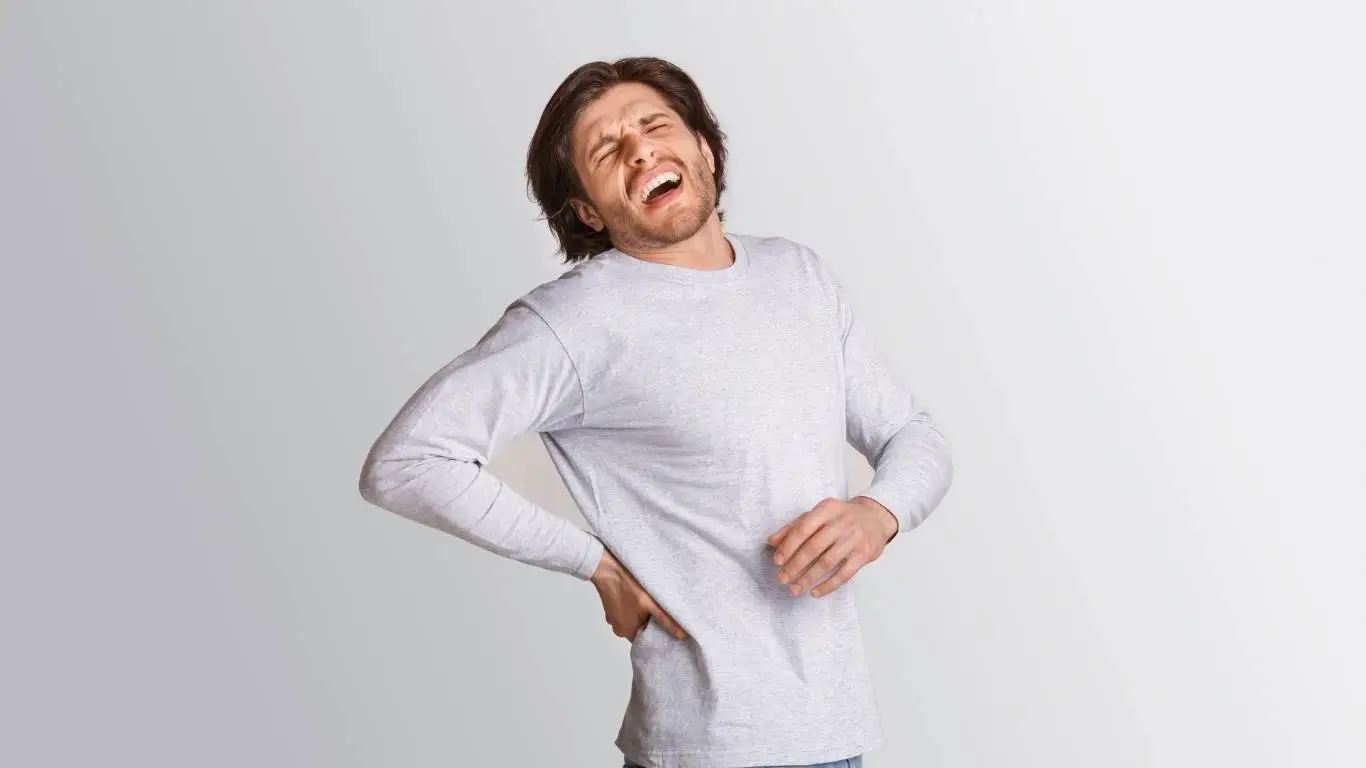
The standing hamstring release is powerful on its own, but when paired with a few supportive exercises, it becomes a game-changer. Some of the best results I got came from incorporating:
- Gentle spinal decompression stretches
- Glute bridges to activate the posterior chain
- Pilates-style pelvic tilts to reinforce spinal support
Adding variety keeps your nervous system curious, and your muscles respond better. It’s how I kept my lower back from falling into the same tension traps over and over again.
Lifestyle Tweaks That Make a Bigger Difference Than You’d Expect

One of the most surprising parts of this journey was realizing how much my daily habits were quietly sabotaging my back health. It wasn’t just about stretching more. It was about changing how I lived between stretches. Things like:
- Swapping out old shoes – I didn’t know how much my flat soles were shifting my posture until I tried insoles
- Standing desk use – game changer when I used it right (with good foot positioning)
- Short walks – even 5-minute walks every 90 minutes helped keep my hips and back loose
And let’s talk about breathing. When I finally learned proper diaphragmatic breathing, I noticed an actual shift in how my body held tension — especially through my lumbar spine and pelvic floor.
When to Talk to a Pro

If you’ve been doing everything “right” and your lower back is still throwing tantrums, don’t just push through it. When my pain wasn’t responding after a few weeks, I booked with a spine-savvy physical therapist who noticed my left hamstring was weaker — not tighter — than my right. That changed everything.
Also, if you’re dealing with pain that wakes you up at night, radiates down your legs, or gets worse with movement, check out this article on sciatica versus back pain. It could be more than just muscle tension.
For deeper anatomical insights and a full breakdown of contributing factors, the section on types and anatomy of back pain really helps connect the dots. And if you’re looking to expand your toolkit beyond stretching, don’t miss the main guide on back pain management for more holistic strategies backed by experience and evidence.

Camellia Wulansari is a dedicated Medical Assistant at a local clinic and a passionate health writer at Healthusias.com. With years of hands-on experience in patient care and a deep interest in preventive medicine, she bridges the gap between clinical knowledge and accessible health information. Camellia specializes in writing about digestive health, chronic conditions like GERD and hypertension, respiratory issues, and autoimmune diseases, aiming to empower readers with practical, easy-to-understand insights. When she’s not assisting patients or writing, you’ll find her enjoying quiet mornings with coffee and a medical journal in hand—or jamming to her favorite metal band, Lamb of God.