Struggling to Sleep? Try These Tips to Sleep Better With Floaters
Ever try falling asleep with eye floaters constantly drifting into your vision like tiny ghosts? Yeah, me too. It’s like your eyes decide to throw a party right when your brain wants to shut down. I went through a stretch where I couldn’t get restful sleep for weeks because of those annoying little specks. If you’re in the same boat, don’t worry — there are actually real strategies that can help. Let’s dive into what’s worked for me and others trying to get a good night’s sleep despite those floating distractions.
Why Eye Floaters Get Worse at Night
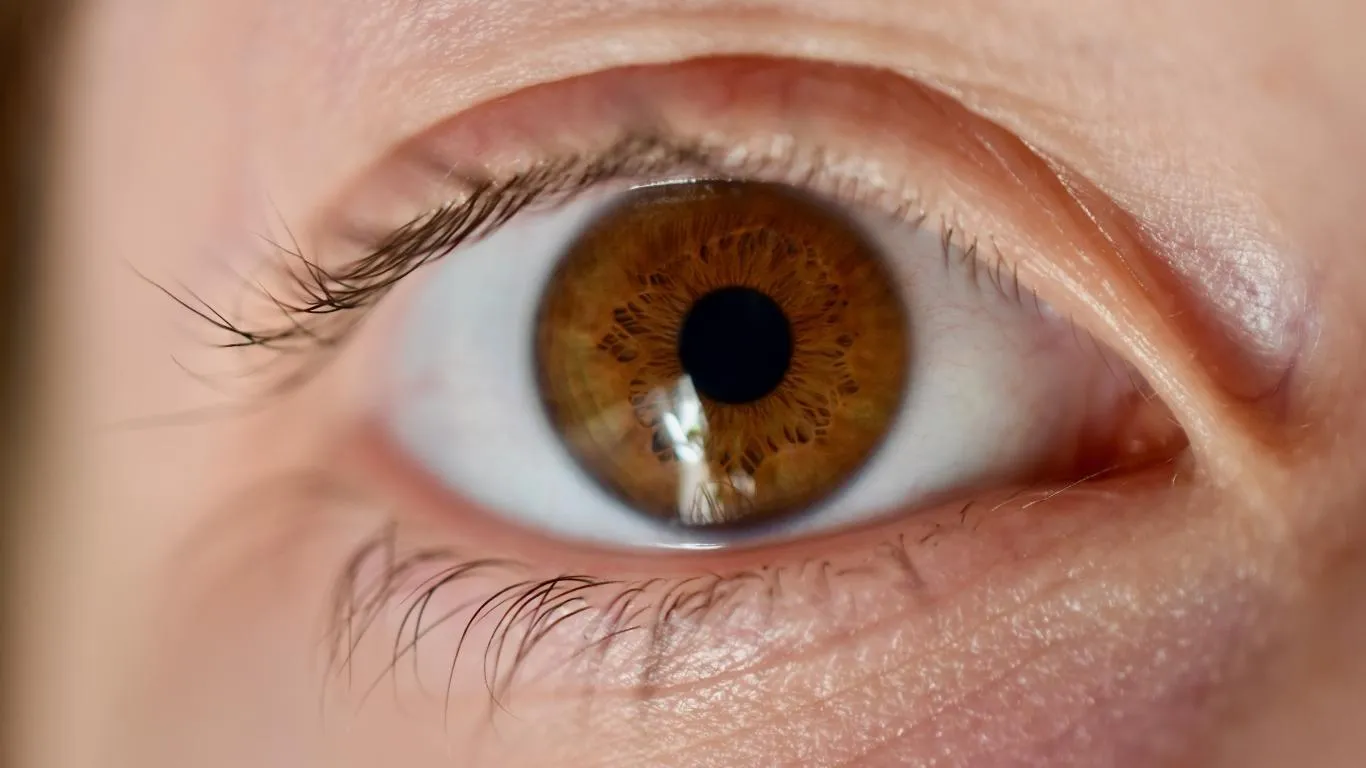
So why do floaters seem extra bold at bedtime? One word: contrast. At night, especially in low-light settings, your pupils dilate, letting in more light — and more visibility of those floaters. The lack of visual noise (like natural daylight) gives those floaters a stage to shine, unfortunately. It’s frustrating, but understanding this gives us a starting point to reduce their impact.
Low Ambient Light = Higher Floater Visibility
Bright environments tend to mask floaters. But at night? Your brain is left with less to focus on, so floaters become the stars of the show. If you’re the type to scroll your phone in the dark or try falling asleep in pitch black, this might actually be worsening the problem.
Floaters and Sleep Anxiety
It’s not just the visual distraction — floaters can trigger mild anxiety that disrupts sleep cycles. I used to fixate on them so much that I’d start feeling more awake instead of sleepy. Turns out, focusing on floaters can engage your stress response, spiking cortisol when you need melatonin.
Simple Tips to Sleep Better with Floaters
Here’s what’s actually helped me, backed by some science and trial-and-error. Not everything works for everyone, but these are practical and totally doable tonight:
- Use a soft amber or red night light
This reduces contrast and helps your eyes stay relaxed. Avoid bright white LEDs which make floaters more pronounced. - Keep screens away at least 45 minutes before bed
Yes, even if TikTok is calling. Blue light overstimulates the retina and makes floaters more visible and disturbing. - Try sleep masks that block light without pressing on the eyes
Pressure on the eyes can make floaters worse, so get one that’s roomy and soft. - Hydration matters
Dehydration thickens the vitreous fluid in your eye, making floaters more noticeable. Drink water — but stop about an hour before bed to avoid 3 a.m. bathroom runs. Here’s more on that from this breakdown on floaters and hydration.
Breathing Techniques & Stress Reduction
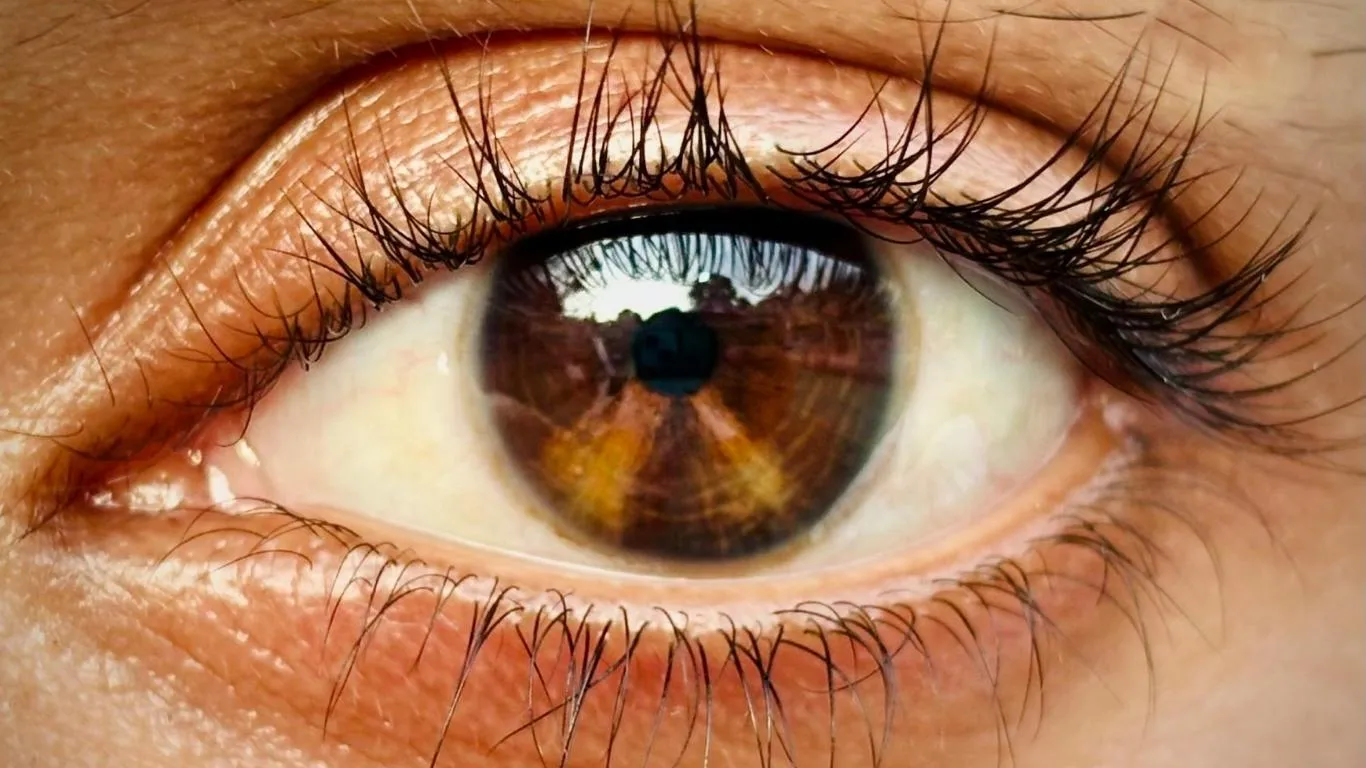
Floaters might be a physical issue, but the mind has a huge role. I started practicing 4-7-8 breathing when floaters made me restless — inhale for 4 seconds, hold for 7, exhale for 8. Not only does it shift focus away from floaters, but it helps activate your parasympathetic nervous system (aka the chill zone).
Yoga nidra, a form of meditative relaxation, is also surprisingly effective. You can find audio guides online or apps that guide you through. It trains your brain to focus inward without getting hung up on visual stimuli — like floaters.
Floaters, Stress, and Hormones
There’s increasing awareness that chronic stress may intensify eye floaters. According to this article, high cortisol may change the consistency of your vitreous gel, leading to worsening floater activity. No wonder they show up after a rough day.
Adjusting Sleep Environments for Floater Relief
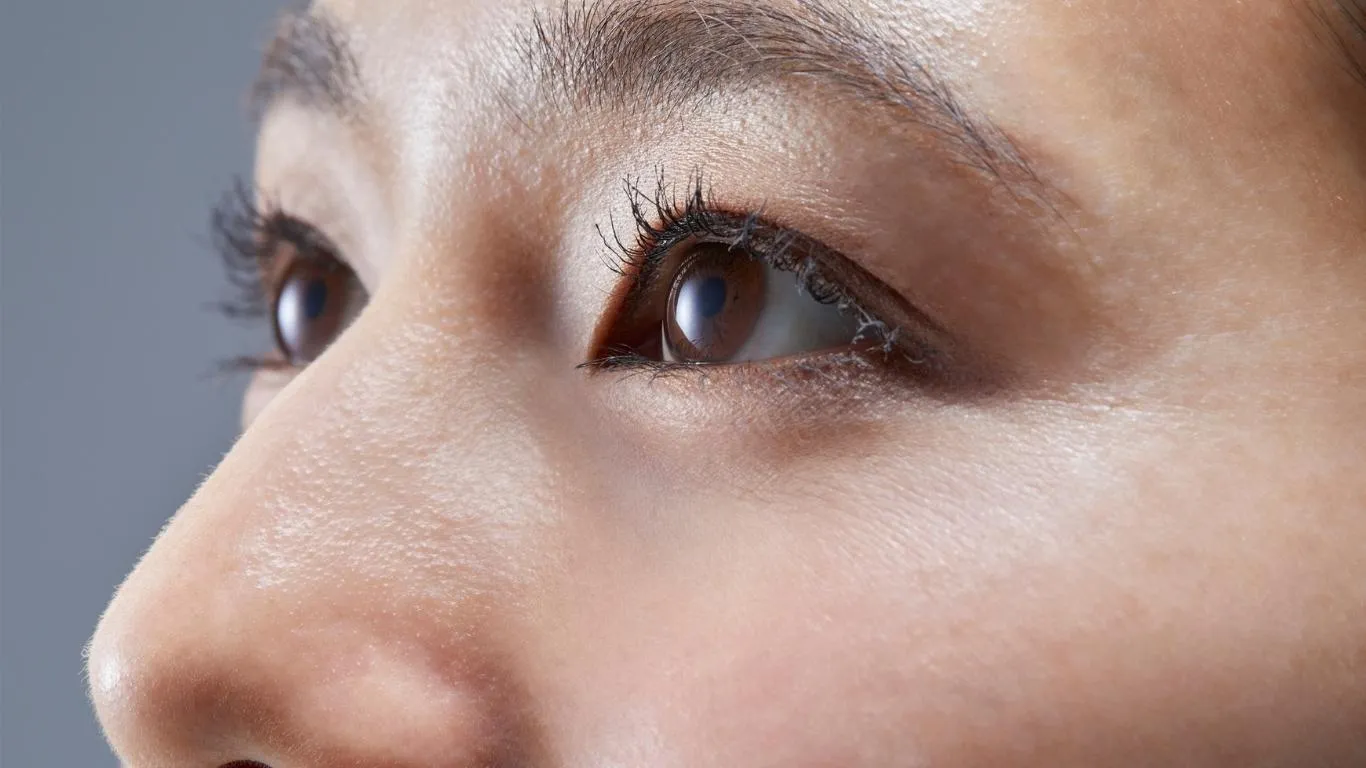
Small changes in your sleep environment can reduce how much floaters distract you:
- Adjust Pillow Height: Keeping your head slightly elevated changes the floater’s positioning in your visual field. I swapped to a higher pillow and noticed fewer early morning floaters instantly.
- Cool, Humid Air: Dry air can worsen eye strain. I use a cool-mist humidifier to keep things balanced and comfy.
- Declutter the Visual Space: Keep your bedroom dim and simple. Any small light source (LED clocks, phone notifications) can make floaters pop more.
Are Floaters Keeping You Up at 2 A.M.?
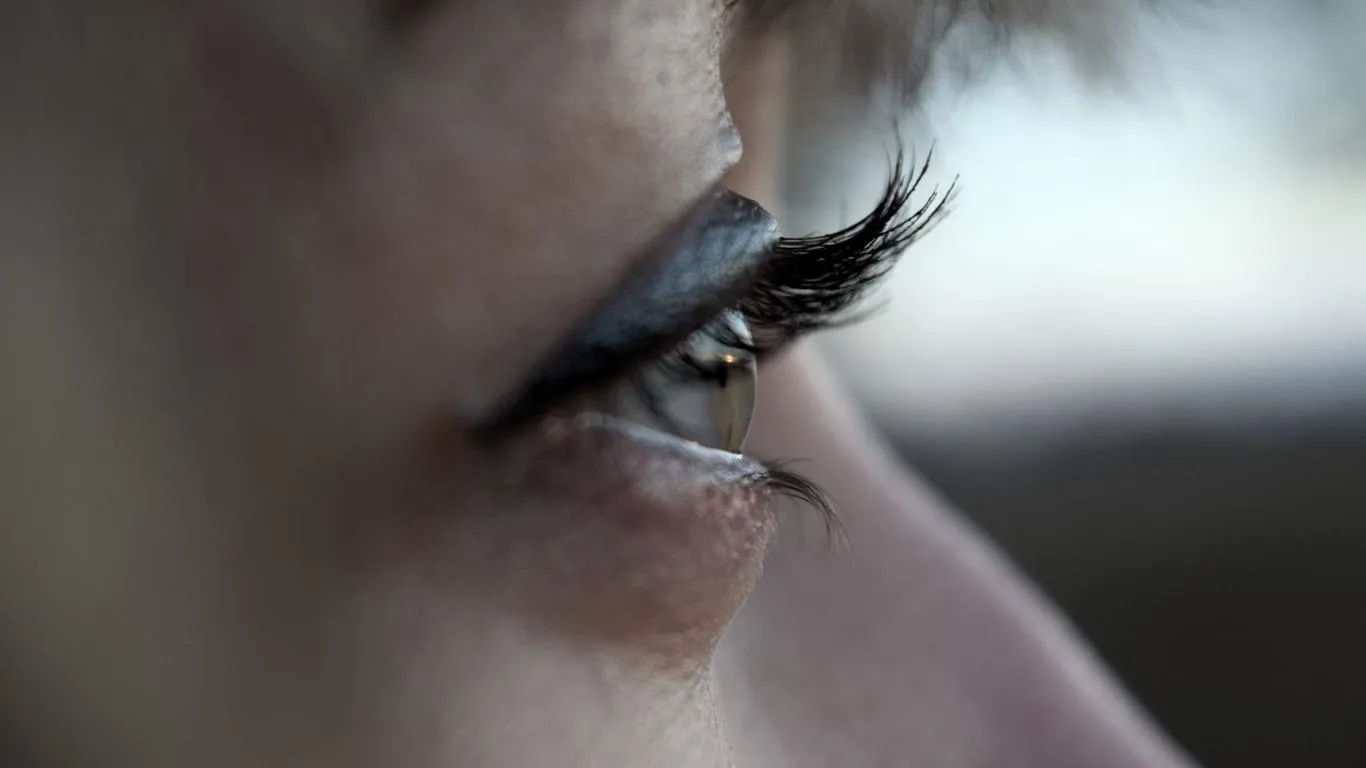
Middle-of-the-night wakeups used to be a nightmare for me. I’d open my eyes and immediately see those squiggly blobs floating across my vision. What’s helped? Not panicking. I keep a soft red nightlight and a bottle of magnesium water nearby. That helps calm both the eyes and the nerves.
Interestingly, sleep deprivation has been shown to make floaters appear worse. So the goal becomes breaking the cycle: floaters disrupt sleep, poor sleep makes floaters worse. Start by improving just one or two habits mentioned above — you don’t need to do it all at once.
If your floaters have dramatically changed or increased, it’s worth reviewing this guide on dangerous floater signs and knowing when to talk to an eye doctor.
For a full breakdown on causes, management, and treatment options, check out our main eye floaters resource here. And for insights specifically on sleep and floaters, the best foundation is our guide to natural floater remedies that tie closely to lifestyle and rest.
#LNF

Camellia Wulansari is a dedicated Medical Assistant at a local clinic and a passionate health writer at Healthusias.com. With years of hands-on experience in patient care and a deep interest in preventive medicine, she bridges the gap between clinical knowledge and accessible health information. Camellia specializes in writing about digestive health, chronic conditions like GERD and hypertension, respiratory issues, and autoimmune diseases, aiming to empower readers with practical, easy-to-understand insights. When she’s not assisting patients or writing, you’ll find her enjoying quiet mornings with coffee and a medical journal in hand—or jamming to her favorite metal band, Lamb of God.