Why Sudden Floaters With Emotional Stress Might Be A Warning Sign
It hit me out of nowhere. One minute I was staring at my laptop screen finishing up some overdue reports, the next—bam!—tiny squiggly shadows started floating in my line of vision. My first thought? Maybe it’s just eye strain. But it wasn’t. It lingered. And it showed up just as I was dealing with a heavy dose of anxiety from a stressful family situation. If you’ve experienced sudden floaters with emotional stress, you’re not alone. I dove deep into this odd connection, and here’s what I found—backed by experts, real cases, and yes, my personal experience.
Understanding Eye Floaters—And Why They Pop Up Unexpectedly
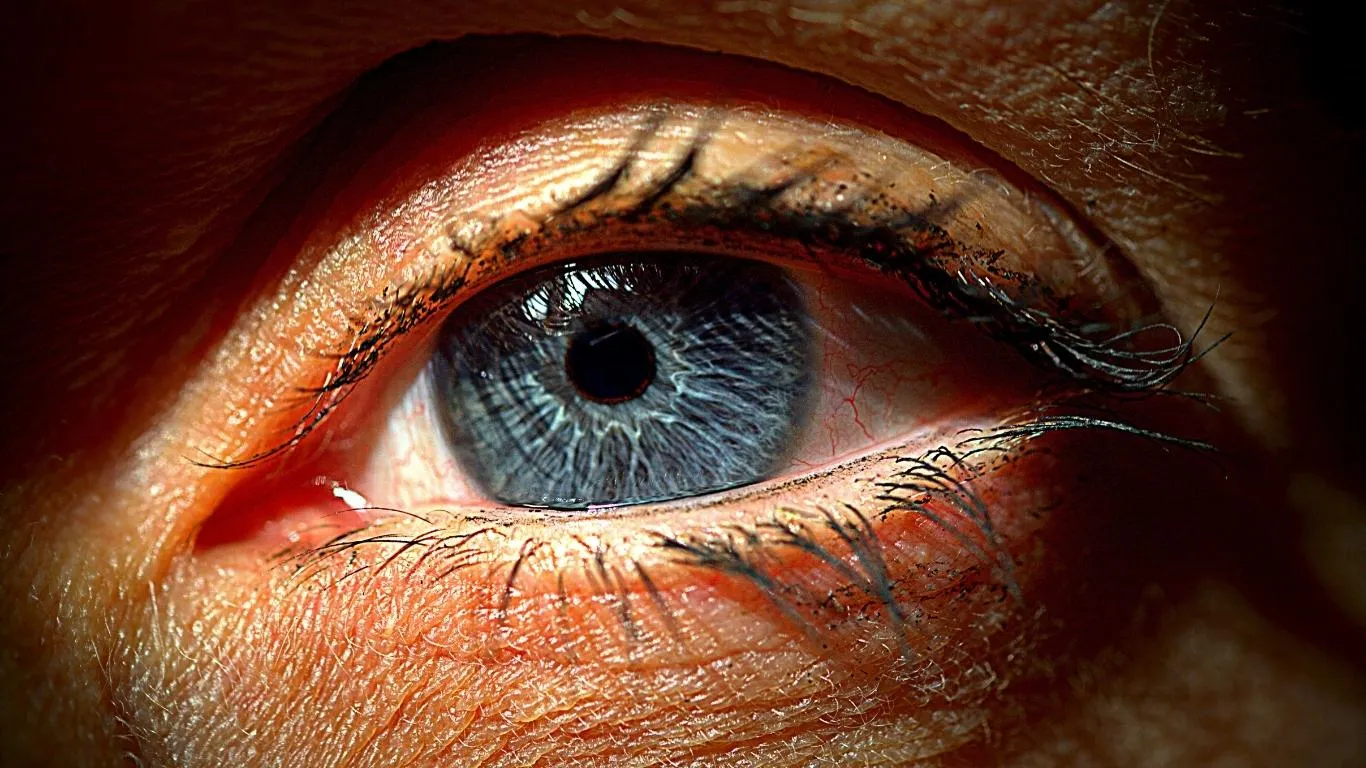
Floaters are those tiny threads, squiggles, or cobwebs that drift across your vision, often most noticeable when staring at a bright sky or blank wall. They’re technically tiny pieces of collagen or gel from the vitreous—the clear, jelly-like substance inside your eyes—that cast shadows on your retina.
So What Makes Them Sudden?
When floaters appear suddenly, it’s often linked to a change in the structure of the vitreous body, commonly due to aging. But for many people—like me—it’s not always aging. It can be the timing that catches your attention. Mine came during a serious emotional meltdown. Not exactly coincidental.
- Posterior vitreous detachment (PVD)
- Eye strain from prolonged screen time
- Stress-related visual disturbances
- Dehydration or poor sleep
- Sudden increase in blood pressure or cortisol levels
The Overlooked Role of Emotional Stress on Your Vision
This is the part most people—and even doctors—often skip. Emotional stress can manifest in your body in strange ways. Heart palpitations? Sure. Migraines? Definitely. But floaters? Yep. It’s more common than you’d think, especially when your body is flooded with cortisol and adrenaline.
How Stress Affects the Eyes Physically
Let’s break it down. When you’re under heavy stress:
- Your pupils dilate
- Ocular blood flow becomes irregular
- Eye muscles tighten
- Your breathing changes—oxygen supply to the eyes may drop
All of this leads to a perfect storm. For some, that’s blurred vision. For others? Persistent floaters triggered by emotional trauma.
Is It All In Your Head? Actually, No.
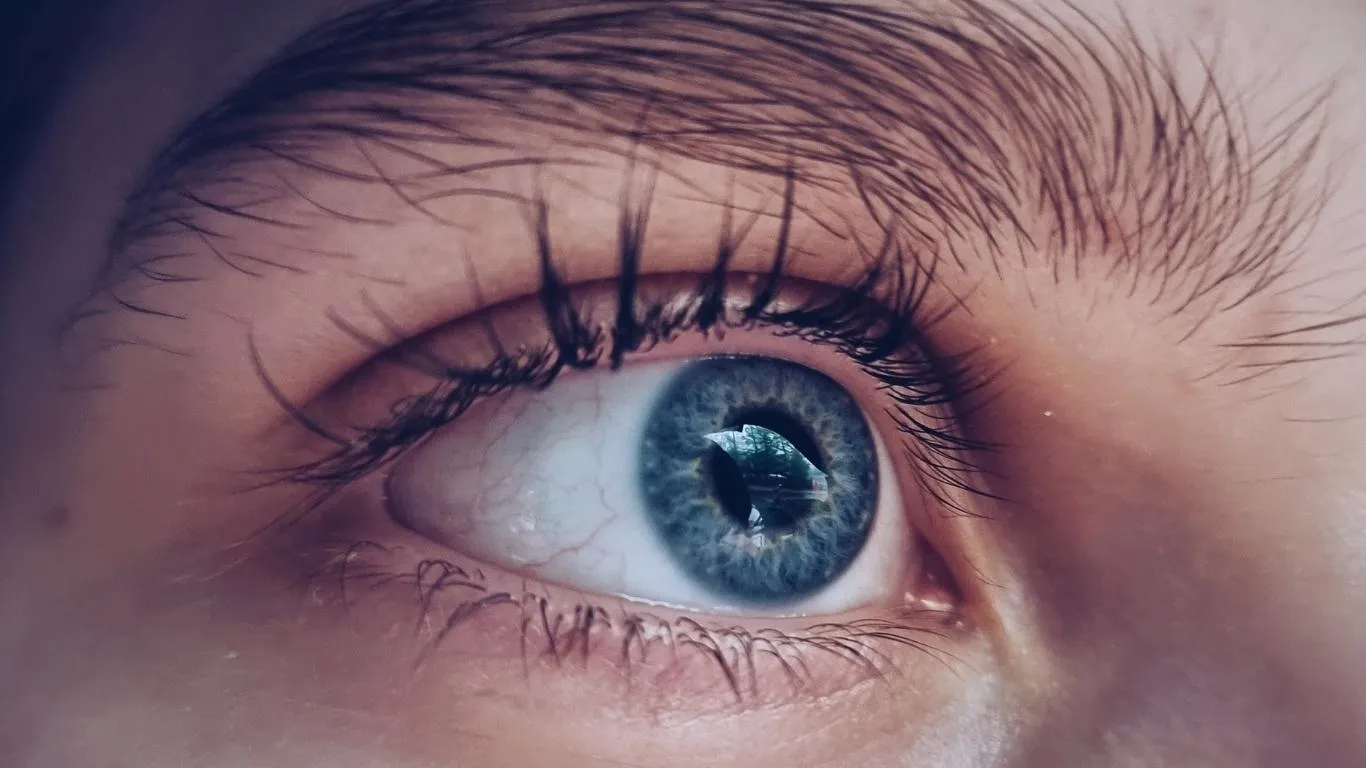
One of the most frustrating things I heard early on was, “It’s probably just in your head.” But that’s the thing—it’s not. Emotional stress affects physical health. Studies from ncbi.nlm.nih.gov and aao.org show that psychosomatic responses to anxiety and trauma can contribute to ocular symptoms.
Think about it: if stress can cause hair loss, skin flare-ups, ulcers—why not eye changes? Vision is a delicate system, and the retina doesn’t operate in isolation. It responds to what your entire body is going through.
Who’s Most at Risk?
- People with a history of anxiety or panic attacks
- Those recently experiencing emotional trauma
- Anyone dealing with high levels of chronic stress
- People in their 30s to 50s, especially if floaters weren’t previously present
Do Emotional Floaters Go Away—or Are They Here to Stay?
In many cases, they fade. In mine, they became less noticeable after about 3–4 weeks, especially as my stress levels dipped and I focused on hydration and reducing screen time. But they’re still around when I’m anxious or haven’t slept well. That’s no coincidence.
Some helpful links I found along the way include:
If you’re dealing with floaters that came out of nowhere during a stressful period, I highly recommend checking out the main eye floater guide here for a deeper understanding and treatment options.
Also, this resource on warning signs is an excellent reference if you suspect there’s more going on.
What Helped Me Ease My Stress-Induced Floaters (That Actually Worked)
Let’s be real: once you start noticing floaters, it’s hard to unsee them. I went down the rabbit hole, from obsessing over every dot to thinking I was headed for blindness. But over time, a mix of lifestyle tweaks, vision care, and stress management changed things drastically. It didn’t erase them—but I stopped obsessing, and they stopped dominating my view.
Daily Habits That Actually Made a Difference
- Hydration: Simple but powerful. I started tracking water intake. Dehydration messes with your vitreous consistency more than you’d think.
- Sleep: Floaters became worse when I was running on empty. 7–8 hours became non-negotiable.
- Reducing screen time: I added 20-20-20 breaks and blue light filters. Helped a lot.
- Breathing exercises: I started with 5 minutes of box breathing twice a day—instantly calmed my system down.
- Nature exposure: Walking outdoors (ironically where floaters are more visible) helped my stress levels tremendously. Eyes adjusted quickly.
These aren’t cure-alls. But when combined? They gave my nervous system (and eyes) the break they needed. According to ncbi.nlm.nih.gov, regulating cortisol through daily routines can reduce neurological impact on ocular health.
Supplements, Diet, and What I Tried—And What I’ll Skip Next Time
Yeah, I fell for the hype. “Dissolve your floaters with this miracle powder!”—sound familiar? I learned to filter the junk and focus on what supports vitreous health long-term.
What Worked (for Me)
- Lutein & Zeaxanthin: Found in leafy greens—also available in capsule form. Supported visual clarity over time.
- Omega-3: I added flax oil and fatty fish. My eyes felt more lubricated, especially during screen-heavy days.
- Vitamin C: Helped reduce oxidative stress—an underrated piece of the puzzle.
What Didn’t Help Much
- “Floaters-specific” eye drops – felt more placebo than practical.
- Over-the-top detox kits – total waste.
If you’re curious about what actually helps, this guide on floaters supplements is worth reading—it separates fluff from fact.
Eye-Friendly Stress Management Techniques That Stick
We underestimate the brain–eye connection. Stress management isn’t just therapy—it’s practical day-to-day changes that keep your vision stable and your floaters less intrusive.
My Go-Tos
- Guided meditation: I use short YouTube sessions or the Calm app. 5–10 minutes a day.
- Yoga: Some poses are specifically useful for eye circulation—like Child’s Pose and Legs-Up-The-Wall. Here’s a solid floaters yoga guide.
- Journaling: Keeps my overthinking at bay. I noticed fewer flare-ups during weeks I journaled regularly.
My experience mirrored this article on stress-induced floater relief—simple, intentional actions made the biggest difference.
When You Shouldn’t Ignore Floaters (Seriously)
Here’s the scary truth: sometimes floaters aren’t benign. If they appear with flashing lights, peripheral shadowing, or eye pain—don’t wait. I was lucky mine weren’t serious, but I still went to the optometrist for peace of mind. Good call.
Red Flags That Need a Doctor’s Visit
- Sudden, large increase in floaters
- Flashes of light
- Blurred vision or partial vision loss
- Floaters only in one eye that rapidly worsen
If you’re experiencing any of those, read this right now. It could save your vision.
For a deep dive into what causes floaters and their link to serious conditions, don’t skip this medical breakdown and the core pillar article here.
Why Mental Health Deserves a Bigger Role in Vision Care
This was the biggest shift for me. Realizing that emotional stress was actually affecting my vision helped me take my mental health more seriously. Eye floaters became the warning sign I didn’t know I needed. They were annoying, sure—but they were also telling me to slow down, breathe, and take care of myself.
If you’re seeing floaters during emotional overload, your body’s waving a flag. Don’t ignore it. Floaters might not vanish overnight, but with the right mix of care—physical and emotional—they can fade from focus and stop running your day.

Camellia Wulansari is a dedicated Medical Assistant at a local clinic and a passionate health writer at Healthusias.com. With years of hands-on experience in patient care and a deep interest in preventive medicine, she bridges the gap between clinical knowledge and accessible health information. Camellia specializes in writing about digestive health, chronic conditions like GERD and hypertension, respiratory issues, and autoimmune diseases, aiming to empower readers with practical, easy-to-understand insights. When she’s not assisting patients or writing, you’ll find her enjoying quiet mornings with coffee and a medical journal in hand—or jamming to her favorite metal band, Lamb of God.